
Reviewed · SERENGETI & NGORONGORO SAFARIS
4 Days Tarangire ,Serengeti &Ngorongoro crater group Tour
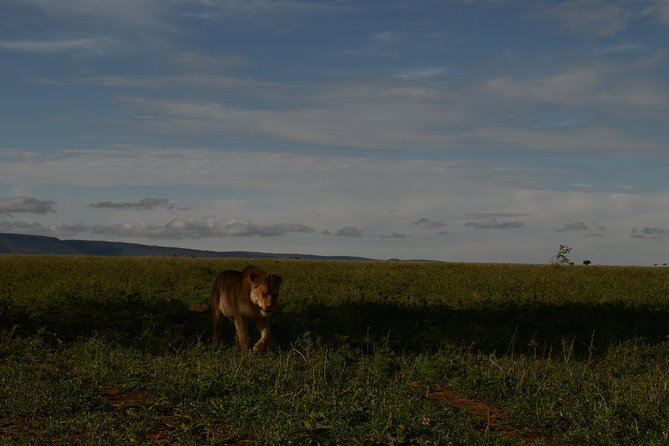
The main appeal is simple: in only four days, you reach three of northern Tanzania’s best wildlife areas, including the Serengeti and Ngorongoro Crater. I like the strong mix of wildlife, from Tarangire’s elephant herds to Serengeti predators and the crater’s chance of a black rhino sighting. I also like the small maximum group of six and the open-roof safari vehicle, which keeps the price at $890 per person without turning the trip into a crowded bus ride.
The trade-off is a busy schedule. Day two involves a long transfer toward the Serengeti, and day four combines a crater visit with the drive back to Arusha. You will see a lot, but you will spend plenty of time on the road and should be ready for early starts, basic camping, and a little dust.
Key points before you book
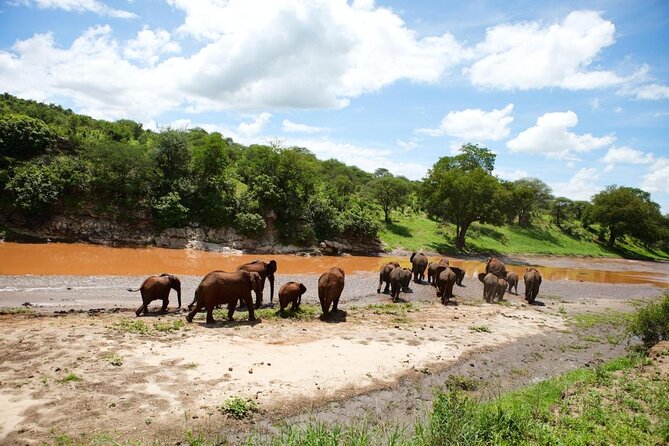
- Three major parks in four days: Tarangire, Serengeti, and Ngorongoro Crater give you a strong first taste of Tanzania’s northern circuit.
- A maximum of six people: The small group size gives you more room in the safari jeep and makes shared game viewing easier.
- Elephants are a major Tarangire draw: Large herds are a central feature of the first day, with giraffes, zebras, buffalo, impala, and warthogs also possible.
- Serengeti time includes a sunrise drive: The early start on day three offers cooler air, soft morning light, and a good time for animal activity.
- Camping is part of the economy format: You stay at Fig Trees Lodge after Tarangire, then use campsites near Seronera and on the Ngorongoro rim.
- The price favors sightseeing over luxury: At $890 per person, the tour makes the famous parks more reachable, but it is not designed around long lodge stays or a relaxed pace.
What $890 buys you in practical terms
At $890 per person, this is priced as an affordable northern Tanzania circuit rather than a luxury safari. The value comes from putting Tarangire, Serengeti, and Ngorongoro Crater into one short program, with pickup from your Arusha hotel and transport in a safari jeep with a pop-up roof and window seating.
A small group of no more than six matters here. You are not simply sharing a vehicle with an undefined number of people. A compact group should make it easier to find a useful viewing position, ask questions, and keep the day moving when wildlife appears.
The accommodation style is mixed. After Tarangire, the plan uses Fig Trees Lodge. The Serengeti portion includes Seronera Campsite, and the Ngorongoro night is at Simba Campsite. This setup helps control the cost, but you should choose the tour for the parks and time in the jeep, not for high-end rooms.
The price is most attractive if this is your first northern Tanzania safari and you want the major names without paying for a longer private itinerary. If you prefer slow mornings, several nights in one lodge, or more time in each park, four days will feel compressed.
More Serengeti and Ngorongoro itineraries:
- Balloon Safari & Bush Breakfast in Serengeti – Miracle Experience
★ 5.0 · 1,646 reviews - 3 Days Serengeti & Ngorongoro Group Camping Safari
★ 5.0 · 574 reviews - 5-Day Highlights mid-Range Crater, Serengeti, Tarangire
★ 5.0 · 296 reviews
Day one: Tarangire’s elephant country
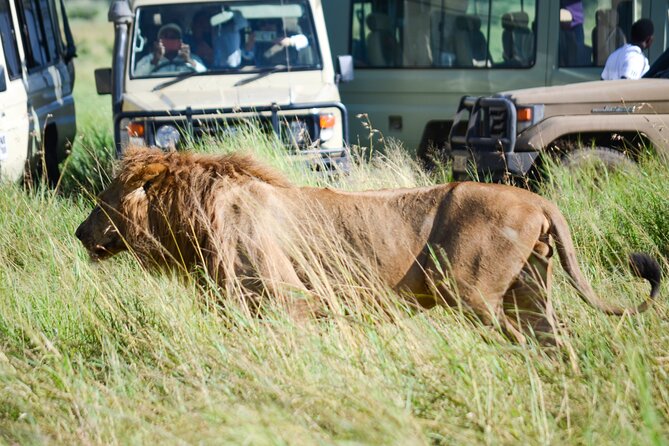
Your first morning begins with pickup after breakfast at your Arusha hotel. The drive to Tarangire takes about two hours, followed by a picnic lunch and a game drive that continues into the middle of the park.
Tarangire is a strong opening act because the wildlife can be easy to spot. Large elephant herds are the headline attraction, and the plan specifically allows time to look for groups numbering in the hundreds. I would keep your eyes moving rather than watching only the road. Giraffes, zebras, buffalo, impala, and warthogs may appear, while a leopard could be resting in a tree.
The advice about looking upward is worth taking seriously. Safari excitement often gathers around a lion or a herd crossing the track, but a leopard can be much harder to see when it is stretched along a branch. Your guide’s ability to scan trees and read animal behavior will shape how much you notice.
You remain in the park until late afternoon or evening before continuing to Fig Trees Lodge for dinner and the night. The listed duration is about six hours, though the full day includes the transfer and overnight movement. After an early departure from Arusha, a lodge night gives you a more settled end to the first day before the camping section begins.
Tarangire also gives you a useful introduction to the rhythm of a safari. There are no guaranteed sightings, and the best moments may be brief. You might spend time watching elephants feed, then turn a corner and find giraffes or zebras in a completely different part of the park.
Day two: The long road toward the Serengeti
Day two begins with an early breakfast. You pack the camping gear into the safari jeep and head toward Serengeti National Park via Manyara and the Rift Valley escarpment.
This is the least relaxed day of the program. The road journey is part of the route, but it reduces the amount of time available for a full Serengeti game drive. The schedule allows around six hours, with arrival toward the evening and a game drive continuing toward Seronera Campsite.
That evening arrival still has value. Seronera is in the central Serengeti, an area used as a base for wildlife viewing. Reaching camp with a game drive along the way means you are not spending the entire day simply transferring from one overnight stop to another.
There is also an optional Maasai village visit on the way to the Serengeti. Treat this as an extra cultural stop, not the core reason to book the trip. If you want the most wildlife time possible, ask how the visit affects your arrival and evening drive before you commit to it.
The route through the Rift Valley adds variety to a day that would otherwise feel like a long vehicle ride. Still, you should bring patience. Four-day safari programs work because they connect the parks efficiently, but the distances between them are real.
Day three: A cold Serengeti sunrise
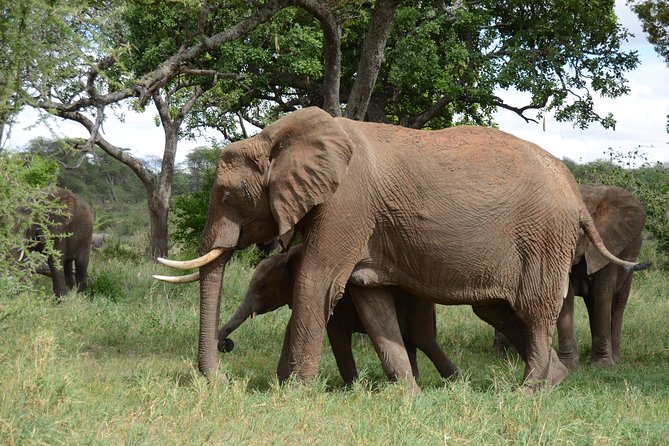
The third day begins at 6 a.m. with a hot cup of coffee, then an early morning game drive in the heart of the Serengeti. Bring warm clothing. The morning can feel cold in an open-roof vehicle, even in a generally warm part of the world.
I like this early start because sunrise changes the character of the park. The light is softer, the air is cooler, and animals may be active before the heat of the day sets in. It also gives you a better chance to see the Serengeti before the schedule turns toward Ngorongoro.
The drive continues until midday, when you return to camp for breakfast and lunch. The timing is described as a late combined breakfast and lunch, so you should expect a brunch-style meal rather than a normal sequence of three meals.
After eating, you leave the Serengeti Conservation Area and continue toward the Ngorongoro area, with game viewing along the way to Simba Campsite. This is a useful transition because the route itself can still produce sightings, but it is another long stretch after an already early start.
The central Serengeti is where the trip’s Big Five ambition has its best chance of coming together, though no safari can promise every animal. Lions and other large mammals may be easier to find than a leopard or rhino, and your guide’s judgment matters greatly. Guides who have led departures include Elias, Michael, Joshua, Emanuel, Grantony, and Endru, but the person assigned to your departure may be different.
Past trips have especially praised guides for finding animals, explaining birds, plants, and wildlife, keeping the vehicle clean, and adding useful humor to long drives. That tells you what to value when you meet your guide: clear communication, patience, safe driving, and the ability to explain what you are seeing.
More four day trips in Arusha:
- 4 Days Group Camping Safari
★ 5.0 · 1,101 reviews - 4 Days Join Group tour Tarangire Serengeti and Ngorongoro crater
★ 5.0 · 219 reviews - 4-Day Safari from Arusha: Tarangire, Serengeti and Ngorongoro
★ 5.0 · 173 reviews - 4 Days safari Tour Tanzania
★ 5.0 · 159 reviews
Day four: Down into Ngorongoro Crater
After breakfast at Simba Campsite, you take a picnic lunch and make the short drive to the descent gate. From there, the vehicle drops about 650 meters to the crater floor for a half-day game drive.
Ngorongoro Crater is the most concentrated wildlife stop on this itinerary. The crater has permanent water, so many animals remain in the area throughout the year, even though they are free to leave. That year-round water supply gives you a strong chance of seeing a range of permanent resident animals in a relatively compact setting.
The great prize is a black rhino sighting. It is never guaranteed, and you should not judge the day by one animal alone, but the crater is known as a place where you might find one. Keep your expectations sensible and enjoy the wider mix of wildlife as well.
After lunch, you climb back to the crater rim, collect the camping equipment, and drive to Arusha. The listed duration is about six hours, but this is another full day with an early start, a crater visit, packing, and a long return transfer.
This final day works well if you need to finish in Arusha and continue with another part of your trip. It is less appealing if you want a quiet final afternoon. You will still be processing the crater experience as the road carries you back.
The safari vehicle and group size
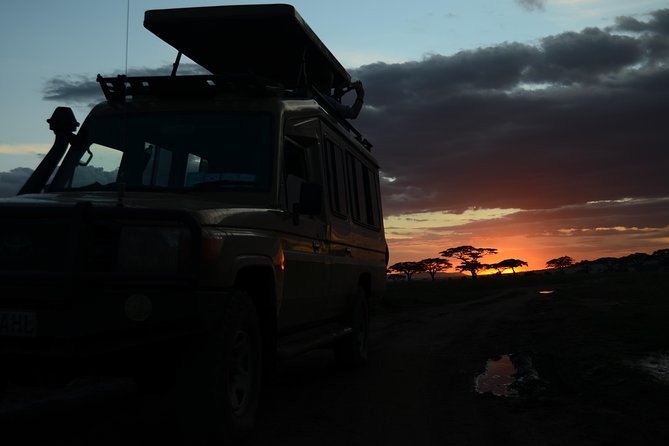
The safari jeep has a pop-up roof and window seats. That design matters more than it may sound. You can stand or sit with a wider view when animals are nearby, and the roof gives you a better angle for watching elephants, giraffes, and birds.
A vehicle with window seating also helps during long transfers. You are not limited to one fixed view, and the small group means fewer people competing for the same side of the vehicle.
The maximum group size is six people. That is a useful middle ground. You receive the cost benefit of a shared departure, while the vehicle should remain more manageable than a large group tour.
The tour offers pickup and a mobile ticket, which makes the start in Arusha straightforward. Confirmation is received at booking, and most people can participate. The available information does not promise a specific vehicle model, meal plan, Wi-Fi connection, or exact camping equipment, so ask about those points before paying if they affect your decision.
Camping, comfort, and the daily rhythm
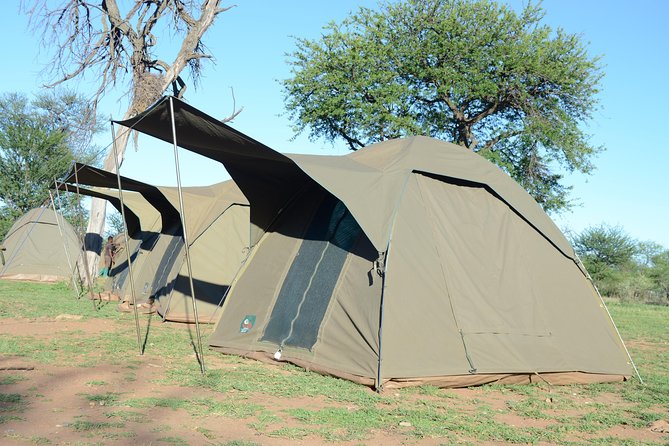
The itinerary combines a lodge night with camping. Fig Trees Lodge follows the Tarangire day, while Seronera Campsite and Simba Campsite cover the Serengeti and Ngorongoro portion.
That mix is practical for a low-cost safari. You get a more conventional night at the beginning, then sleep closer to the parks during the longer wildlife section. It also means you should pack for changing conditions rather than assuming every night will have lodge-level comfort.
The daily rhythm is demanding:
- Early breakfast and pickup
- Long drives between parks
- Picnic lunches on some days
- Game drives lasting several hours
- Camping gear packed into the vehicle
- Early morning departure on day three
- A late return to Arusha on day four
Warm clothes are especially important for the 6 a.m. Serengeti drive. Comfortable clothing, protection from dust, and a small day bag will make the long hours in the vehicle easier. The supplied details do not specify a luggage limit, so confirm how much baggage can fit before departure.
What the guide can add to the experience
A good guide turns animal sightings into understanding. You want someone who can spot movement, explain behavior, identify plants and birds, and answer questions without rushing you.
Several guides associated with past departures have been singled out for these qualities. Elias has been praised for animal knowledge, plant and bird explanations, and a good sense of humor. Michael has been credited with sharing his passion for Tanzania, while Joshua has been noted for helping with photography and finding animals.
Other named guides include Emanuel, Endru, and Grantony. This does not mean you can select one of them for your trip, but it gives you a useful idea of the service style to expect from the company’s guiding team.
I would speak up early about your priorities. If you care most about elephants, predators, photography, birds, or rhinos, tell your guide. A four-day route leaves little spare time, so your guide needs to understand what matters to you.
Who should book this four-day route
I would recommend this tour to you if you want the classic northern Tanzania parks in a short window. It suits first-time safari visitors, people working with a limited budget, and anyone who wants a small shared group rather than a large coach.
It can also work well for solo people or pairs who want the cost of a group trip. The six-person maximum keeps the setup personal enough for questions and shared decisions.
Families with older children may find it appealing, but the early starts, long drives, camping, and road time require stamina. The supplied information says most people can participate, but it does not give a minimum age or specific accessibility details. Ask before booking if those points matter to your group.
I would hesitate if your top priority is luxury accommodation, a slow pace, or several full days in the Serengeti. The itinerary gives you a taste of all three major areas, but it does not linger.
Cancellation and booking details
You can cancel for a full refund up to 24 hours before the experience begins. Cancellations made within 24 hours are not refunded, and changes inside that window are not accepted.
The tour requires good weather. If poor weather causes cancellation, you are offered another date or a full refund. The experience starts and ends around Arusha, and pickup is offered from your hotel.
Should you book this safari?
Book it if you want maximum park variety in minimum time and you are comfortable with camping, early mornings, and long drives. The $890 price is reasonable for a small-group route connecting Tarangire, Serengeti, and Ngorongoro Crater, especially with a pop-up-roof jeep and a maximum of six people.
Skip it if you want a restful holiday or a luxury camp experience. For everyone else, this is a focused, practical way to reach Tanzania’s most famous wildlife areas, with elephants on day one, a sunrise Serengeti drive on day three, and a final chance to spot a black rhino below the Ngorongoro rim.
FAQ
Where does the four-day safari start and finish?
The tour starts in Arusha with hotel pickup and returns to Arusha on day four.
Which national parks and conservation areas are included?
The route includes Tarangire National Park, Serengeti National Park, and the Ngorongoro Conservation Area, including a game drive on the crater floor.
How much does the safari cost?
The listed price is $890 per person.
How many people can join the tour?
The maximum group size is six people.
What type of vehicle is used?
The safari uses a jeep with a pop-up roof and window seats.
Where do you stay during the four days?
The first night is at Fig Trees Lodge. The Serengeti night is at Seronera Campsite, and the Ngorongoro night is at Simba Campsite.
Is there a Maasai village visit?
A Maasai village visit is offered as an optional activity on the way to the Serengeti on day two.
Can you see a black rhino?
You might see a black rhino during the Ngorongoro Crater game drive, but sightings are not guaranteed.
What is the cancellation policy?
You receive a full refund if you cancel at least 24 hours before the start time. Cancellations and changes made within 24 hours are not accepted, and poor-weather cancellations offer another date or a full refund.
Newly listed around Arusha
- 5-Day Private Safari Tour in Tanzania’s Wildlife★ 5.0 · 3 reviews
- 3 Days private safari Tarangire ,Ngorongroro crater &Manyara★ 5.0 · 3 reviews
- 3 Day Sharing Safari – Manyara, Ngorongoro Crater and Tarangire National Parks★ 5.0 · 3 reviews
- Tarangire National Park Day Trip★ 5.0 · 3 reviews
- 2 Days Tarangire and Ngorongoro Crater Tour★ 5.0 · 3 reviews
- 6 -Day Tarangire, Manyara, Serengeti & Ngorongoro★ 5.0 · 3 reviews
- 5 Days Group Camping Safari★ 4.7 · 3 reviews
- 4 Days Tanzania Safari★ 4.5 · 3 reviews
Serengeti & Ngorongoro Safaris, compared.


Balloon Safari & Bush Breakfast in Serengeti – Miracle Experience
Read our review →




Private 6-Day Tarangire Manyara Crater and Serengeti with Mid-Range Lodges
Read our review →
5 Days Camping Tarangire, Serengeti & Ngorongoro crater & Visiting Maasai
Read our review →Browse the lists this tour appears in