
Reviewed · SERENGETI & NGORONGORO SAFARIS
4 Days Tarangire, Serengeti & Ngorongoro Crater Joining Group
The real draw here is the three-park route. In just four days, you move from baobab country in Tarangire to the open Serengeti and then down into Ngorongoro Crater, where a single morning can bring lions, elephants, hippos, buffalo, and perhaps the rare black rhino.
I like the small maximum group of seven, since fewer people usually means less time waiting for a full vehicle to get organized. I also like the practical price: $1,030 covers park fees, camping equipment, all breakfasts, four lunches, and three dinners. The tradeoff is clear: this is a fast safari with long drives, early starts, and limited time in each park.
- Three famous wildlife areas in four days: Tarangire, Serengeti, and Ngorongoro Crater form a compact northern Tanzania circuit.
- A group capped at seven: You get a more personal setup than on a large coach-style safari.
- Eddy may be your guide: His help with planning, comfort, and game viewing receives especially strong praise.
- Early Serengeti and crater drives: The schedule aims for active wildlife hours and dramatic morning light.
- Meals and park charges are covered: The main extras are tips and visas.
- Hotel pickup in Arusha: The tour begins at 7:30 am and returns to Arusha at about 5 pm on the final day.
The Big Picture: Three Parks, One Tight Schedule
This safari is built for you if your Tanzania trip is short but you still want the country’s major northern parks. It does not try to linger in one place. Instead, it strings together Tarangire, Serengeti, and Ngorongoro in a quick loop from Arusha.
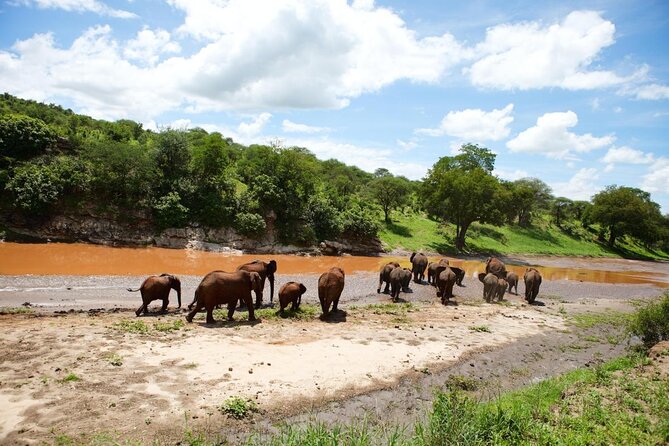
That route gives you three very different settings. Tarangire is known for elephants and baobab trees. Serengeti offers vast open plains and the chance to look for the animals linked with the Great Migration. Ngorongoro gives you a concentrated wildlife experience inside an ancient volcanic crater.
The short length is both the appeal and the catch. You spend much of the second day reaching the Serengeti, and the third day includes an early game drive, breakfast or brunch at camp, and the journey toward Ngorongoro. If you want slow mornings, long stays at one camp, or time for a walking activity, this is not that kind of trip.
Still, the planning is sensible for a first safari. You cover three headline parks without having to arrange separate transfers, park tickets, meals, and camping gear yourself.
Day One: Elephants and Baobabs in Tarangire
The first morning begins with pickup from your hotel in Arusha at 7:30 am. From there, the route heads toward Tarangire National Park for about six hours of wildlife viewing.
Tarangire is a strong opening act because it has a clear visual identity. The park is famous for its large elephant population and its baobab trees, those broad, ancient-looking trees that give the scenery a distinctly African character. You are not simply ticking off a park name. You are entering a place with its own feel and wildlife pattern.
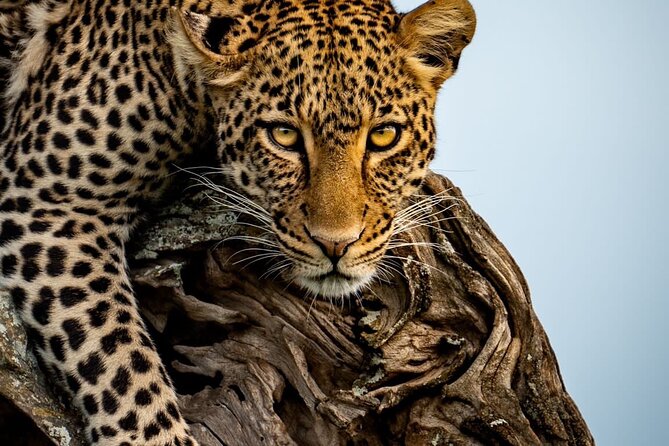
The park is also a useful first chance to look for the Big 4 listed for this trip: lion, leopard, elephant, and buffalo. No safari can promise every sighting, and the itinerary should not be read as a guarantee. Elephants are the park’s main calling card, while lion, leopard, and buffalo depend on the day’s conditions and the guide’s tracking choices.
Six hours in Tarangire gives you a proper game drive rather than a brief stop on the way to somewhere else. You can expect the day to be full, with wildlife viewing taking priority over a leisurely lunch or a relaxed arrival at camp.
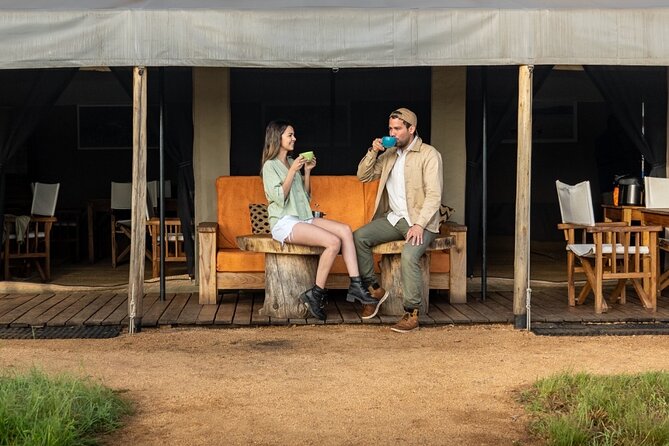
The first night is part of the camping setup. Camping equipment is included, as are dinner, lunch, and breakfast during the trip. The precise camp arrangement is not specified, so I would ask the operator what type of tent and sleeping setup will be used before paying if camping comfort matters to you.
More Serengeti and Ngorongoro itineraries:
- Balloon Safari & Bush Breakfast in Serengeti – Miracle Experience
★ 5.0 · 1,646 reviews - 3 Days Serengeti & Ngorongoro Group Camping Safari
★ 5.0 · 574 reviews - 5-Day Highlights mid-Range Crater, Serengeti, Tarangire
★ 5.0 · 296 reviews
Day Two: The Long Road to the Serengeti
Day two starts after an early breakfast, with a long drive from the Mto wa Mbu area toward Serengeti National Park. The distance is part of the experience, but it is also where you need realistic expectations.
The route gradually opens into the great plains for which Serengeti is famous. The park covers about 6,900 square miles, or 18,000 square kilometers, and the sense of space can be startling. The name is often explained as meaning endless plains, and the description makes sense once the horizon begins to feel very far away.
This is the day when you may spend long stretches looking out at open country rather than watching animals at close range. That is not wasted time. The scale helps explain why the Serengeti supports huge herds of wildebeest, hundreds of thousands of zebras, antelopes, and the predators that follow them.
The Serengeti is closely tied to the Great Migration, with about two million wildebeests moving through the wider ecosystem along with large numbers of zebra and other animals. The timing and location of herds change, so this four-day schedule cannot promise a migration crossing. It does put you in one of Africa’s major wildlife areas, where lion, leopard, and other large predators may be found.
You receive about six hours of park viewing on this day. That sounds generous, but the transfer itself is long. I would treat the drive as a major part of day two, not as a minor connection between attractions. Pack water, keep a camera or phone ready, and expect a day that begins early and ends tired.
For many people, the first sight of the Serengeti is worth the effort. The open plains create a different kind of excitement from Tarangire’s elephants and trees. Here, the drama comes from distance, movement, and the possibility that a small shape far away may turn out to be a zebra herd, a grazing wildebeest, or a predator.
Day Three: Sunrise in the Serengeti, Then Ngorongoro
The third day is the most ambitious. You are encouraged to wake very early for a morning game drive in the Serengeti, when animals are often more active and the light is at its best.
That early start matters. It gives you a better chance to see the park before the heat of the day, and sunrise over the plains can be one of the most memorable visual moments on the route. It also means this is not a sleep-in holiday. If you want the best use of your limited Serengeti time, set aside the idea of a relaxed morning.
After the game drive, you return to camp for a rewarding brunch before continuing toward Ngorongoro. The schedule gives you wildlife viewing first, then a meal and a transfer, rather than treating the Serengeti as a quick photo stop.
Ngorongoro is often described as the eighth wonder of the natural world. The crater is about 102 square miles, with walls rising roughly 2,000 feet. Those dimensions help explain why the area can feel so enclosed and concentrated after the wide Serengeti.
The crater floor includes a river, swamps, and a hippo lake. It is home to nearly every major type of wildlife indigenous to East Africa, and it is one of the few places on the continent where you might see a black rhino. Again, this is a possibility, not a promise. Rhino sightings depend on luck, timing, and the guide’s ability to read the area.
Day three lasts about six hours in the stated program, but the transfer makes it feel longer. You are changing environments and sleeping locations in quick succession. That pace works well for a short holiday, but it can be tiring for anyone who dislikes road travel or early mornings.
Day Four: Into the Crater Before the Crowds Build
The final day starts early with a descent into Ngorongoro Crater. This is the second major early start in a row, but it makes sense. Morning is a strong time for wildlife viewing, and reaching the crater floor early gives you the best use of the scheduled game drive.
The crater’s enclosed setting makes the experience different from the Serengeti. Instead of looking across seemingly endless plains, you are surrounded by steep crater walls and a compact wildlife area. The combination of open floor, water, and high walls creates a dramatic setting for a final morning.
A picnic lunch is planned near the attractive hippo lake. After lunch, there is time for a shorter game drive before you ascend from the crater and leave the Ngorongoro Conservation Area.
The return to Arusha is expected around 5 pm, though the operator says the timing can be adjusted for a flight or another situation. I would still avoid booking a tight same-day flight unless the operator has confirmed the plan directly. Road conditions, park timing, and wildlife stops can all affect the return.
This final day offers a satisfying finish, but it is not a full extra day in Ngorongoro. You get a morning crater visit, lunch, a brief further drive, and the journey back to Arusha. If the crater is your top priority, you may prefer a longer itinerary that allows more time there.
More four day trips in Arusha:
- 4 Days Group Camping Safari
★ 5.0 · 1,101 reviews - 4 Days Join Group tour Tarangire Serengeti and Ngorongoro crater
★ 5.0 · 219 reviews - 4-Day Safari from Arusha: Tarangire, Serengeti and Ngorongoro
★ 5.0 · 173 reviews - 4 Days safari Tour Tanzania
★ 5.0 · 159 reviews
What the $1,030 Price Really Covers

At $1,030 per person, this is not a bargain-basement day trip. It is a four-day safari package with several large costs built into one price.
The included items are important:
- Hotel pickup in Arusha
- Park fees and entrance charges
- Camping equipment
- Four breakfasts
- Four lunches
- Three dinners
Park fees alone can make northern Tanzania safaris expensive, so having them included makes the price easier to judge. Meals also matter because the route keeps you in parks and on long transfers, where buying food independently may not be convenient.
The camping equipment is another practical saving. You do not need to arrange every piece of basic camp gear yourself, although you should ask for exact details if you need a particular mattress, tent, or sleeping arrangement.
Tips and visas are not included. Your visa cost will depend on your nationality and travel plans, while tipping is normally handled separately at the end of the safari. Keep those costs in your budget rather than treating the advertised price as the final amount.
The strongest value comes from the combination of transport, guiding, park access, meals, and equipment. If you are comparing this with a self-arranged safari, do not compare only the headline price. Add up park entry, transport, food, camping gear, and the time needed to organize each part.
The Guide Can Shape the Whole Safari
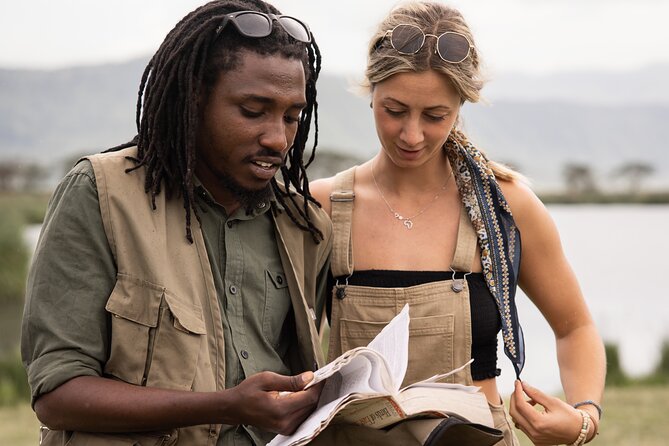
The operator is Safari G.O.A.T.S, and Eddy is specifically praised for his role in planning and guiding. His strengths, as described in the supplied information, include helping shape the safari around your requests, explaining what you are seeing, and paying attention to comfort.
That matters more on a short safari than it might on a longer one. With only four days, you have little spare time if plans go wrong or communication is poor. A guide who responds well and adjusts to practical needs can make the long drives and early starts much easier.
The available feedback also gives particular emphasis to trying to locate the Big Five. That is a sensible aim for a first safari, but you should keep expectations grounded. Wildlife is wild, and no guide can control where a leopard or rhino appears. The useful thing is having someone who knows how to search carefully and who can help you make the most of each game drive.
If Eddy is not assigned to every departure, ask who will guide your group. The booking information names him, but it does not guarantee that he will lead every trip.
Group Size, Comfort, and Daily Pace
The maximum group size is seven people. That is small enough to feel more personal, while still allowing the operator to spread costs across a shared safari.
A small group also makes a difference during early starts and vehicle changes. You are less likely to spend a long time waiting for a large party to assemble, though the exact vehicle and seating arrangement are not provided.
The pace is the bigger comfort issue. You have three park areas, several camp nights, two early wildlife mornings, and long road sections. Most people can take part, according to the supplied practical information, and the tour is near public transportation, but no detailed mobility information is provided. If you have specific physical needs, ask the operator before booking.
The tour offers mobile tickets and confirmation at booking. Cancellation is free up to 24 hours before the local start time. Changes or cancellations inside that window are not accepted for a refund.
Who Should Book This Safari?
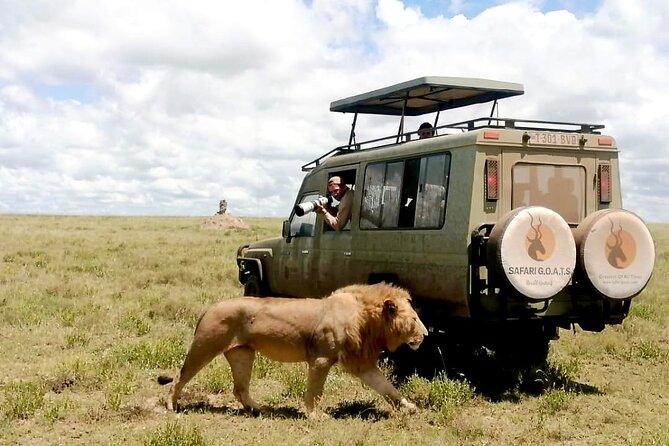
I would recommend this trip to you if you have four days, want the classic northern Tanzania route, and prefer one organized package rather than separate park bookings. It is also a good fit if you want a small shared group and are comfortable with camping, early mornings, and long drives.
The tour suits first-time safari visitors who want variety. Tarangire gives you elephants and baobabs, Serengeti gives you scale and predator country, and Ngorongoro gives you a concentrated final game drive.
I would be more cautious if you have a strict flight schedule, dislike road transfers, or want a slow, luxurious safari. The return to Arusha is estimated at 5 pm, not guaranteed to the minute, and the four-day schedule leaves little room for delays.
Families and older participants may find the pace manageable, since most travelers can participate, but the listing does not provide details about child ages, vehicle design, tent facilities, or accessibility. Ask those questions before booking if they affect your comfort.
Should You Book the Four-Day Route?
Book it if your priority is seeing three major Tanzania parks in a short window and getting the key costs handled in advance. The small group, included park fees, camping equipment, and meals give the $1,030 price solid practical value.
Choose a longer safari instead if you want more time in the Serengeti, a better chance to follow changing wildlife patterns, or less time spent on the road. Four days can deliver remarkable scenes, but it asks you to accept a brisk schedule.
My advice is to confirm three things before you pay: who your guide will be, what camping equipment is supplied, and how the return to Arusha will work if you have a flight. If those details fit your needs, Safari G.O.A.T.S offers a focused way to see Tarangire, Serengeti, and Ngorongoro without arranging the complicated pieces yourself.
FAQ
Where does the safari start?
The safari starts in Arusha, Tanzania, with pickup offered from your hotel. The stated start time is 7:30 am.
How many people can join the group?
The activity has a maximum of seven travelers.
Which parks are included?
The route includes Tarangire National Park, Serengeti National Park, and Ngorongoro Conservation Area, including Ngorongoro Crater.
Are park entrance fees included?
Yes. Park fees and entrance charges are included in the tour price.
Are meals included?
Yes. The package includes four breakfasts, four lunches, and three dinners.
Is camping equipment provided?
Yes. Camping equipment is included, though the supplied information does not specify the exact tent or sleeping setup.
What is not included in the price?
Tips and visas are not included.
When does the tour return to Arusha?
The tour is expected to return to Arusha at about 5 pm on day four. The timing can be adjusted for a flight or another situation.
Newly listed around Arusha
- 5-Day Private Safari Tour in Tanzania’s Wildlife★ 5.0 · 3 reviews
- 3 Days private safari Tarangire ,Ngorongroro crater &Manyara★ 5.0 · 3 reviews
- 3 Day Sharing Safari – Manyara, Ngorongoro Crater and Tarangire National Parks★ 5.0 · 3 reviews
- Tarangire National Park Day Trip★ 5.0 · 3 reviews
- 2 Days Tarangire and Ngorongoro Crater Tour★ 5.0 · 3 reviews
- 6 -Day Tarangire, Manyara, Serengeti & Ngorongoro★ 5.0 · 3 reviews
- 5 Days Group Camping Safari★ 4.7 · 3 reviews
- 4 Days Tanzania Safari★ 4.5 · 3 reviews
Serengeti & Ngorongoro Safaris, compared.


Balloon Safari & Bush Breakfast in Serengeti – Miracle Experience
Read our review →




Private 6-Day Tarangire Manyara Crater and Serengeti with Mid-Range Lodges
Read our review →
5 Days Camping Tarangire, Serengeti & Ngorongoro crater & Visiting Maasai
Read our review →Browse the lists this tour appears in