
Reviewed · ARUSHA TOURS
4 Days Group Joining Camping Tanzania safari
The big draw here is variety packed into four days: elephants among Tarangire’s acacias, predator country in the Serengeti, and a final game drive inside Ngorongoro Crater. You get three of northern Tanzania’s best-known wildlife areas without paying for a private vehicle.
I like the small maximum group of 15, which keeps this more personal than a large coach trip. I also like that a cook, camping gear, meals, and an English-speaking guide are included, so the price covers much of what makes a safari costly.
The trade-off is time. You will spend long hours on the road, especially on the Serengeti day, and camping means fewer comforts than a lodge safari. This is a strong budget route, but not a relaxed one.
Key points to know before booking
- Three major parks in four days: Tarangire, Serengeti, and Ngorongoro Crater form a classic northern Tanzania route.
- Small-group format: The vehicle can carry up to 15 people, with shared 4×4 transport.
- Camping with a cook: Tents, sleeping mats, tables, chairs, breakfast, lunch, and dinner are included.
- Experienced guide options: Past departures have been led by guides including Salim, Joel, Bryson, Frankie, Juma, Jordan, Elias, and Mo.
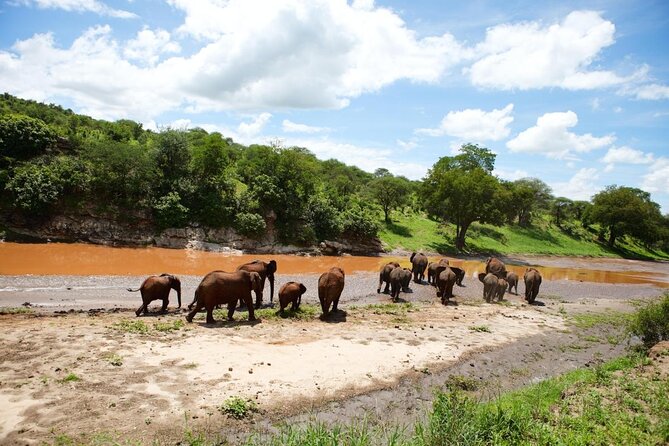
- Wildlife changes by setting: Expect elephants and birds in Tarangire, big cats on the Serengeti plains, and dense wildlife around the crater floor.
- Budget-friendly price: At $1,333.34 per person, the package includes park fees, transport, guiding, camping equipment, and most meals.
Why this four-day route works
This safari gives you a quick but meaningful look at Tanzania’s Northern Safari Circuit. You see a park famous for elephants, the country’s most celebrated open plains, and a volcanic caldera packed with animals. That is a lot of ground in a short time.
I would think of it as a highlights trip rather than a slow safari. You will not spend several days waiting in one area for one rare sighting. Instead, each day changes the scenery and the wildlife setting.
The experience begins in Arusha, with pickup listed for 6:30 a.m. The general activity start time is listed as 7:30 a.m., so confirm the exact pickup time and location before departure. The group size can reach 15, and the shared format helps keep the cost below a private safari.
The $1,333.34 price is not simply paying for a vehicle and a driver. It includes all fees and taxes, a 4×4 safari vehicle, an English-speaking professional guide, camping equipment, three breakfasts, four lunches, and three dinners. International flights, a Tanzanian visa, insurance, tips, laundry, and communication costs are extra.
That package makes good financial sense if you want the main parks and do not need high-end lodges. You should still ask what type of tented accommodation is planned for each night, since the description refers to both lodge and tented-camp arrangements while the inclusions focus on camping equipment.
More Safaris in Arusha
- Balloon Safari & Bush Breakfast in Serengeti – Miracle Experience
★ 5.0 · 1,646 reviews - 4 Days Group Camping Safari
★ 5.0 · 1,101 reviews - 5 Days Group Camping Safari
★ 5.0 · 730 reviews
Day 1: Tarangire’s elephants, swamps, and birdlife
Your first day starts with a 120-kilometer drive on paved road from Arusha to Tarangire National Park. The scheduled park visit lasts about seven hours, including game drives and a lunch stop.
Tarangire is a fine opening act because it feels different from the Serengeti. Instead of endless open grass, you see dry country, green swamps, and acacia trees. Elephants are one of the park’s signature sights, and the itinerary also lists lion, leopard, buffalo, python, zebra, oryx, impala, and other animals.
The park covers about 2,850 square kilometers. Its swamps retain water through much of the year, drawing wildlife and supporting an impressive range of birds. The itinerary cites 550 bird varieties, making this a particularly good day for anyone who enjoys watching smaller creatures as much as the big mammals.
Look for the kori bustard, the heaviest flying bird, along with ostriches and ground hornbills. These details matter because a safari can otherwise become a hunt for lions alone. Tarangire rewards you for paying attention to the whole scene.
After lunch, you continue with afternoon game viewing. The timing gives you a full first day, but it also means an early start and a long ride before the wildlife viewing begins. If you do not sleep well before the trip, this is the day when you will feel it.
Day 2: The long road into Serengeti National Park
After breakfast in the Mto wa Mbu area, you head through the cooler highland region toward Serengeti National Park. This is the longest day of the trip at about nine hours, so prepare for substantial driving.
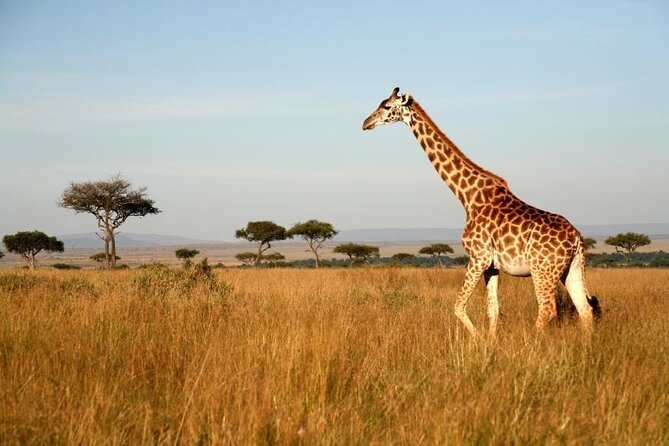
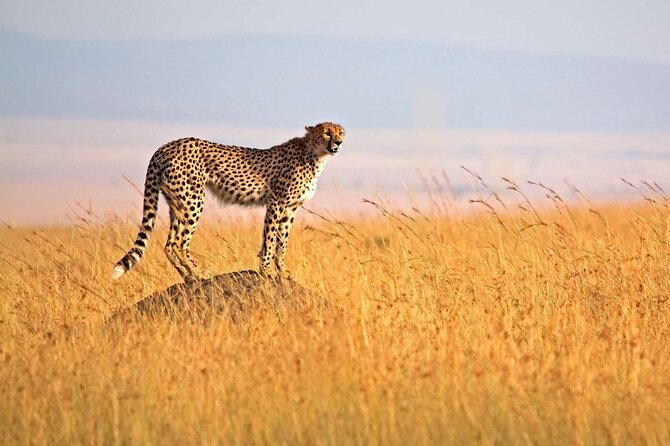
The reward is the Serengeti itself. The park shifts from open grass plains to dry savannah, marshy areas, and woodland. Those different habitats support both prey and predators, including gazelles, impalas, wildebeest, zebras, lions, leopards, and cheetahs.
The Great Migration is another reason the route is so famous. The exact animal movement depends on the season. The itinerary describes wildebeest and zebra moving during the short rainy season in November and December from northern areas toward the southern plains, then returning north later in the cycle.
That means timing matters. You may see large herds, but no safari can promise a precise migration sighting on a particular day. The Serengeti remains worthwhile outside migration periods because its resident animals and predator population provide plenty to watch.
The long drive is the main drawback. You are trading comfort and slow pacing for access to a major park in a four-day schedule. On the positive side, the changing scenery between Mto wa Mbu and the Serengeti helps the journey feel like part of the trip rather than just a transfer.
A strong guide makes a real difference here. Salim is mentioned as a particularly experienced guide, while Joel, Bryson, Frankie, Juma, Jordan, Elias, and Mo have also led departures. You cannot assume a specific guide will be assigned, but you can ask if a preferred guide is available.
Day 3: Sunrise wildlife and the road to the crater rim
Day three begins with an early morning game drive across the Serengeti plains. This is one of the best uses of your limited time because the schedule places you among the animals before the day is far along.
The Serengeti has a large supply of prey species, especially gazelles and impalas, which helps explain the strong chance of seeing predators. The itinerary highlights the park’s lion population, along with leopard and cheetah sightings.
After the morning drive, you return to camp for breakfast, then leave the park toward Ngorongoro Crater. The day lasts about eight hours, including the game drive and transfer.
The arrival at the crater rim is a genuine change of mood. You look down into a caldera about 600 meters deep, with springs and wildlife far below. The overnight campsite on the rim gives you a sunset view over the crater floor, one of the most memorable settings on the route.
Camping on the crater edge can be special, but you should keep your expectations practical. This is not a private luxury camp with hotel-style service. It is part of a working safari, and the appeal comes from the setting, the shared camp routine, and the feeling of being close to the park.
Dinner is included, as are breakfast and lunch that day. Past trips have received especially warm praise for the food, with cooks such as John and Prosper mentioned for generous, tasty meals after long days in the vehicle. That is important on a camping safari. A good hot meal can matter as much as another animal sighting by the third evening.
A change of scene while you are in Arusha:
- Tanzania Classic – 7 Days
★ 5.0 · 1,151 reviews - Materuni Waterfalls, coffee tour & Kikuletwa Hot Springs
★ 5.0 · 643 reviews - 3 Days Serengeti & Ngorongoro Group Camping Safari
★ 5.0 · 574 reviews - 7-Day Premium Luxury Tanzania Safari All-Inclusive
★ 5.0 · 426 reviews
Day 4: Ngorongoro Crater and the return to Arusha
After an early breakfast, you take the narrow, steep road down to the crater floor. The descent is part of the drama, but it may not suit anyone who dislikes winding roads or is uncomfortable with steep access routes.
Ngorongoro Crater offers one of the most concentrated wildlife settings on this itinerary. The animal list includes zebra, hippo, hyena, wildebeest, warthog, buffalo, rhino, lion, elephant, and leopard. The famous Big Five are possible here, although sightings are never guaranteed.
The crater’s enclosed shape makes this day feel different from the Serengeti. Instead of searching across huge open plains, you explore a contained area where many species share the same broad floor. That can make wildlife viewing feel especially productive, though the crater may also feel busy during popular periods.
You have extensive game viewing followed by a picnic lunch. Then you leave the crater and travel back to Arusha, arriving in the late afternoon. The final day lasts about six hours, so you should avoid scheduling a tight onward connection unless the operator confirms the timing works.
The crater is a fitting finish because it brings together the trip’s main themes: large mammals, striking scenery, and a compact final game drive before returning to town.
Camping, food, and vehicle comfort
The package includes tents, sleeping mats, chairs, tables, and other camping equipment. It also includes three dinners, four lunches, and three breakfasts. You do not need to build a separate meal plan into the basic budget.
The camping style is best for someone who values access and price over polished accommodation. You should expect the practical rhythm of a safari camp: an early breakfast, hours in the vehicle, a shared meal, and a simple night outdoors.
The vehicle is a 4×4 safari vehicle, and transport is shared. A maximum of 15 people is listed, so the actual amount of personal space may vary by departure. Ask how many people are expected in your vehicle and how the seating is arranged if that matters to you.
Your guide is both driver and wildlife interpreter, so the personality and skill of that person shape the trip. The strongest feedback centers on guides who explain animal behavior, identify birds, find good game-drive locations, drive carefully, and create a friendly atmosphere. Names associated with these qualities include Salim, Joel, Bryson, Frankie, Juma, Jordan, Elias, and Mo.
Because guide assignment is not guaranteed, treat those names as useful requests rather than promises. The operator is Kipok Africa Adventures, and direct communication before booking can help clarify the guide, vehicle, campsite setup, and pickup details.
What the $1,333.34 price really buys
For a four-day Tanzania safari, $1,333.34 per person is attractive because the major park costs and operating basics are included. You are paying for access to three high-value wildlife areas, not just a short excursion outside Arusha.
The strongest value comes from combining:
- All fees and taxes
- Park transport in a 4×4 vehicle
- A professional English-speaking guide
- Camping equipment
- Three dinners
- Four lunches
- Three breakfasts
You still need to budget for an international flight, Tanzania visa, travel insurance, tips, laundry, and communication. Personal expenses are not covered, and the price does not turn the trip into a luxury safari.
I would compare this with private options by looking at more than the headline price. A private vehicle may offer more control over stops and seating, while this group trip gives you a lower per-person cost. The maximum group size of 15 is reasonable for a shared safari, but it will not feel as flexible as traveling with only two or four people.
Who should book this safari
This tour suits you if you want a first taste of Tanzania’s most famous parks and are comfortable with a fast schedule. It is especially appealing if you want camping, shared transport, included meals, and a price that covers the main safari costs.
It also suits solo visitors who like meeting other people. The group format can make the long drives more social, and the small-group setting gives you a better chance of forming a friendly camp routine than you would on a large bus tour.
You may want a different plan if you need private space, short transfer days, guaranteed lodge accommodation, or a highly flexible itinerary. You should also think twice if you want to spend several days in one park waiting for a particular species or migration event.
The route can produce excellent sightings, including lions, elephants, zebras, giraffes, rhinos, and sometimes all of the Big Five. Still, wildlife is wild. The right expectation is a strong chance to see many animals, not a promise of a checklist.
Small details worth confirming
Pickup is offered in Arusha, and the activity ends back at the starting meeting point. The published information gives both a 6:30 a.m. hotel pickup and a 7:30 a.m. start time, so confirm which time applies to your accommodation.
Booking confirmation is provided at the time of booking. Most people can participate, and the tour is near public transportation, though the itinerary includes long drives, camping, an early breakfast, and a steep crater road.
Free cancellation is available if you cancel at least 24 hours before the local start time. Cancellations or changes made inside that window are not accepted for a refund.
Should you book it?
I would book this safari if you want the classic northern Tanzania route at a group-safari price and you are happy to trade comfort for coverage. Tarangire, Serengeti, and Ngorongoro Crater each offer something different, and the included camping gear, food, guiding, and park costs make the package easy to understand.
Before paying, confirm the exact pickup time, group size, guide, overnight camps, and whether any part of the accommodation is lodge-based or tented. If those details suit you, this is a practical four-day introduction to Tanzania’s wildlife country, with enough variety to make the long drives worthwhile.
FAQ
Where does the safari start and finish?
The safari starts in Arusha, Tanzania, with pickup offered. It ends back at the meeting point in Arusha.
How long is the experience?
The safari lasts approximately four days.
Which parks are included?
The route includes Tarangire National Park, Serengeti National Park, and Ngorongoro Crater.
What is the maximum group size?
The tour can have a maximum of 15 travelers.
What type of transport is provided?
Transport is provided in a 4×4 safari vehicle.
Is a guide included?
Yes. A professional, English-speaking guide is included.
Is camping equipment provided?
Yes. The package includes tents, sleeping mats, chairs, tables, and other camping equipment.
Which meals are included?
The package includes three breakfasts, four lunches, and three dinners.
Is the park admission fee included?
All fees and taxes are included, and the Ngorongoro Crater day specifically lists the admission ticket as included.
What is not included in the price?
International flights, a Tanzanian visa, travel insurance, tips, and personal expenses such as laundry and communication are not included.
More four day trips in Arusha
- 4 Days Join Group tour Tarangire Serengeti and Ngorongoro crater
★ 5.0 · 219 reviews - 4-Day Safari from Arusha: Tarangire, Serengeti and Ngorongoro
★ 5.0 · 173 reviews - 4 Days safari Tour Tanzania
★ 5.0 · 159 reviews - 4 Days Tarangire Serengeti Ngorongoro Crater
★ 5.0 · 117 reviews
Newly listed around Arusha
- 5-Day Private Safari Tour in Tanzania’s Wildlife★ 5.0 · 3 reviews
- 3 Days private safari Tarangire ,Ngorongroro crater &Manyara★ 5.0 · 3 reviews
- 3 Day Sharing Safari – Manyara, Ngorongoro Crater and Tarangire National Parks★ 5.0 · 3 reviews
- Tarangire National Park Day Trip★ 5.0 · 3 reviews
- 2 Days Tarangire and Ngorongoro Crater Tour★ 5.0 · 3 reviews
- 6 -Day Tarangire, Manyara, Serengeti & Ngorongoro★ 5.0 · 3 reviews
- 5 Days Group Camping Safari★ 4.7 · 3 reviews
- Private 4×4 Vitara Safari in Arusha National Park★ 5.0 · 3 reviews
Arusha Tours, compared.

Balloon Safari & Bush Breakfast in Serengeti – Miracle Experience
Read our review →






Browse the lists this tour appears in