Reviewed · SERENGETI & NGORONGORO SAFARIS
Camping to Serengeti & Ngorongoro Premium Parks
Serengeti and Ngorongoro deliver two very different safari scenes in three busy days: endless grass plains in the Serengeti, then a wildlife-filled volcanic crater. The chance to see lions, cheetahs, leopards, elephants, buffalo, and perhaps a rhino is the main draw, but the setting matters just as much.
I like that the price includes transport, park fees, camping gear, meals, and water, so the advertised $815 covers much of what can make a safari costly. I also like the private format: your group can focus on animals and questions without sharing the vehicle with strangers. The tradeoff is clear: this is a fast-moving safari with long road sections, early starts, and basic camping rather than a slow, restful lodge holiday.
Key points
- Two famous parks in three days: See the broad Serengeti plains and the enclosed wildlife world of Ngorongoro Crater.
- A private 4WD safari: Only your group takes part, with pickup available from Arusha and airport transfers included.
- Camping equipment is supplied: Tents, mattresses, and sleeping bags are part of the package.
- Strong guide reports: Nasr, Simba, Chedy, and Steve are praised for animal spotting, punctuality, clear English, and friendly service.
- Meals are built in: Three breakfasts, three lunches, two dinners, and mineral water are included.
- A real Big Five possibility: Lions, elephants, buffalo, leopards, and rhinos are all possible, though no safari can promise every sighting.
The Big Appeal: Serengeti Plains and a Crater Full of Wildlife
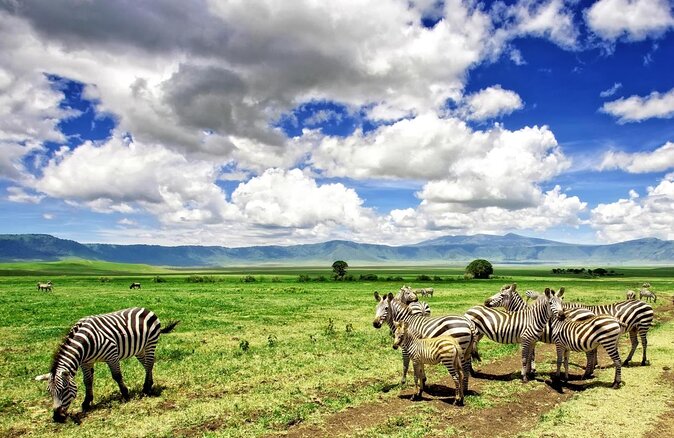
This safari works because it joins two of Tanzania’s headline parks in one compact trip. The Serengeti gives you space and movement. Ngorongoro gives you concentration, with animals gathered inside a huge caldera that can feel like a natural wildlife theater.
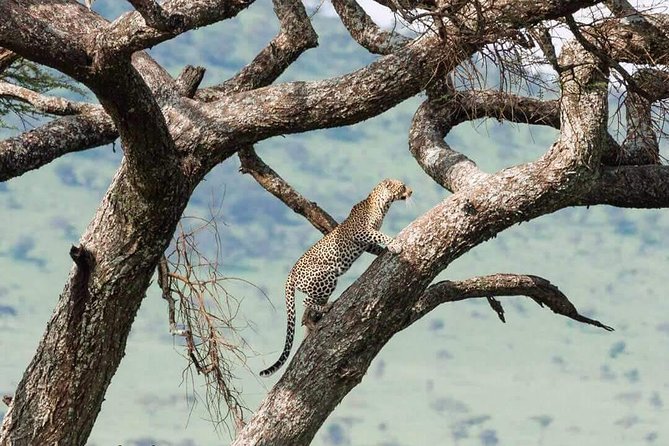
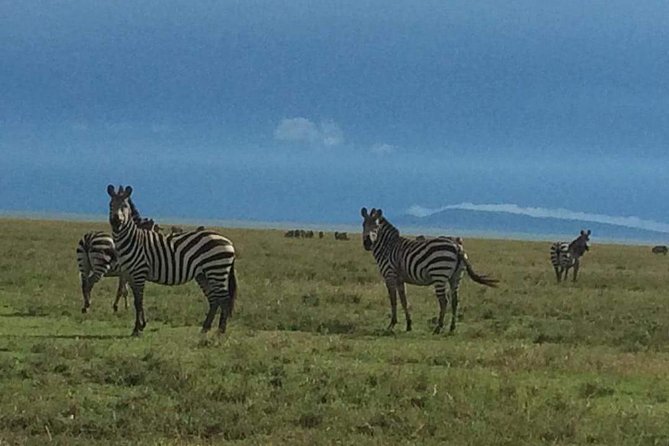
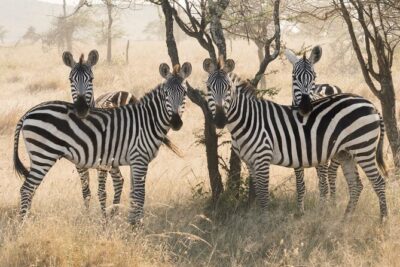
In the Serengeti, you might see herds of zebra and wildebeest spread across open grass, along with gazelles, buffalo, elephants, giraffes, topi, kongoni, eland, and hippos. The three big cats are a major attraction. Lions are often easier to find, cheetahs are associated with the southeastern plains, and leopards may rest in trees near the Seronera River.
Ngorongoro offers a different kind of safari. The crater floor contains grassland and acacia woodland, supporting many of the animals found on the East African savannah. The stated exceptions include topi, Masai giraffes, and impalas, but the chance to spot lion, elephant, buffalo, rhino, and leopard within a few hours is a powerful reason to include it.
The biggest limitation is time. Three days lets you sample both areas, but it does not give you much room for missed sightings, slow mornings, or an extra route through the parks. You will get a strong first safari, not a leisurely survey of northern Tanzania.
More Serengeti and Ngorongoro itineraries:
- Balloon Safari & Bush Breakfast in Serengeti – Miracle Experience
★ 5.0 · 1,646 reviews - 3 Days Serengeti & Ngorongoro Group Camping Safari
★ 5.0 · 574 reviews - 5-Day Highlights mid-Range Crater, Serengeti, Tarangire
★ 5.0 · 296 reviews
Day One: The Long Road Toward the Serengeti
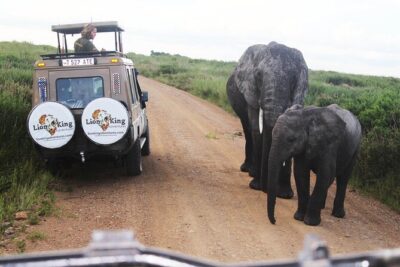
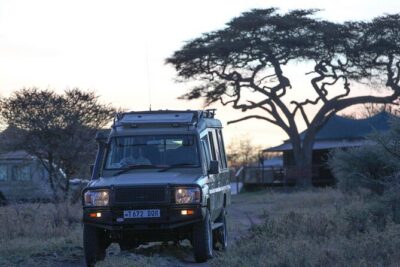
The day starts at 6:30 am from the Arusha Clock Tower, with pickup and airport transfers available as part of the arrangements. You travel in an open-roof 4WD, the useful sort of vehicle for a safari because the roof gives you a better view when animals appear and makes photography easier.
The first day is mainly about reaching the Serengeti. That matters when setting expectations. You will not spend every hour watching animals. Some stretches can feel quiet, and the road journey is part of the cost of reaching the park’s famous plains.
The reward comes when the open country begins to spread around you. The name Serengeti is commonly translated as open plains, and the description fits. The scale is the star here. Zebra and wildebeest may gather in huge groups, while smaller antelope and resident herds fill the spaces between them.
The Serengeti is also linked with the annual movement of wildebeest and zebra, although the exact spectacle depends on the season and location. You should not book this three-day trip on the assumption that you will see a particular crossing or herd concentration. The park is enormous, and conditions change.
By afternoon, you reach the camping area for dinner and overnight accommodation. The package supplies tents, mattresses, and sleeping bags, which removes a lot of packing work. Camping still means accepting a simpler night than you would have in a hotel, but it puts you closer to the character of the park.
Some versions of the accommodation may use a lodge or a more comfortable camp. The information supplied refers to a recommended campsite, while individual accounts also describe a Serengeti bush camp and Serengeti Serena Lodge. Treat the exact overnight setup as something to confirm before paying if your room or tent standard matters.
Day Two: Cats in the Serengeti, Then the Ngorongoro Rim
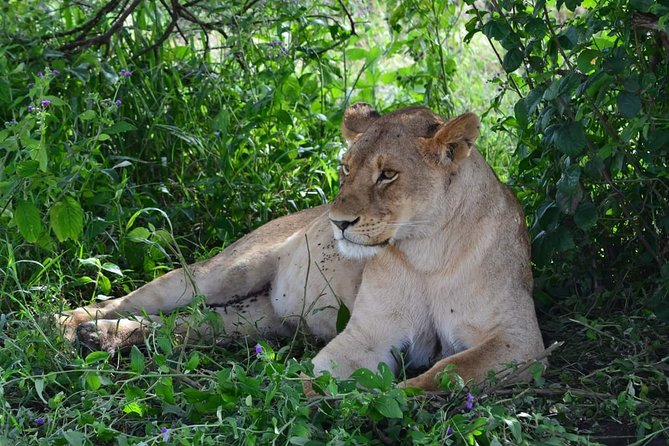
Day two begins with a morning game drive in the Serengeti, when the park’s predators are a central focus. Lions are often found in groups or near a kill. Cheetahs may be seen across the southeastern plains, and leopards can be found resting in large trees along the Seronera River.
That list is not a promise of sightings, but it tells you what this part of the route is designed to seek. Guides matter greatly here. Steve is praised for listening to what a group wanted to see while still giving sound advice, and Simba is repeatedly singled out for animal spotting and an engaging manner. Nasr and Chedy are also named in connection with well-run, friendly trips.
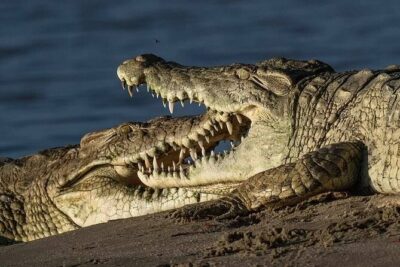
The morning drive can also bring elephants, giraffes, buffalo, hippos, crocodiles, and large numbers of antelope. One account describes seeing lions with cubs, cheetahs, a leopard, hippos, elephants, giraffes, buffalo, and crocodiles. Another highlights wildebeest moving with zebra, an important reminder that the Serengeti experience is not just about the Big Five.
After lunch, the vehicle turns toward Ngorongoro. The change in scenery is part of the pleasure. You leave the wide Serengeti behind and climb toward the crater edge, where the first view can be one of the most memorable moments of the entire trip.
The rim gives you a broad look into the caldera below. You are not yet among the animals, but the scale and enclosed shape of the crater make the stop feel different from the open Serengeti. Dinner and another night at the recommended campsite follow.
This is also the point where the pace may catch up with you. You have already had an early start, a morning game drive, lunch, and a long transfer. If you prefer quiet afternoons and time to settle into camp, this schedule will feel demanding.
Day Three: Down Into Ngorongoro Crater
An early breakfast sets up the main event. You drive down into Ngorongoro Crater for a game drive listed at about seven hours, a substantial amount of time that gives you a good chance to see several habitats and animal groups.
The crater’s appeal is its density. Grass steppe and acacia woods support a wide mix of East African wildlife, and the enclosed setting makes animal watching feel more focused than in the Serengeti. It is a strong place to look for buffalo, elephants, lions, and the rare black rhino.
The Big Five are possible here within a relatively short period, but you should keep expectations sensible. A rhino sighting is never routine. One account describes seeing a single rhino, which is a useful reminder that even in a wildlife-rich crater, rare animals may appear only briefly or at a distance.
Ngorongoro was the favorite park for some people on this route, and I can see why. The crater combines dramatic views with a compact game-viewing area. You can spend less time wondering where the animals might be and more time watching how they behave.
After the crater drive, you return to Arusha for a hotel overnight. The schedule also allows for a flight home later that night or the next day. Because the final day includes a long game drive and the return journey, I would avoid arranging a tight international connection unless the operator confirms the timing works.
A few more Arusha days to compare
- Tanzania Classic – 7 Days
★ 5.0 · 1,151 reviews - 4 Days Group Camping Safari
★ 5.0 · 1,101 reviews - 5 Days Group Camping Safari
★ 5.0 · 730 reviews - Materuni Waterfalls, coffee tour & Kikuletwa Hot Springs
★ 5.0 · 643 reviews
How the Guides Shape the Safari
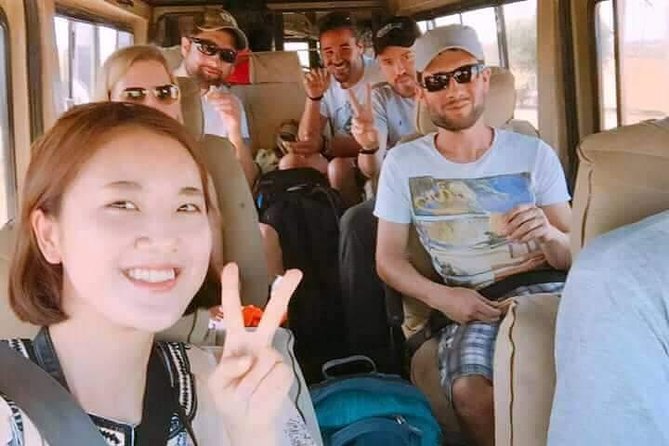
A safari vehicle is only as useful as the person directing it. Finding a leopard in a tree or a cheetah on broad grassland takes sharp observation, patience, and knowledge of the park roads.
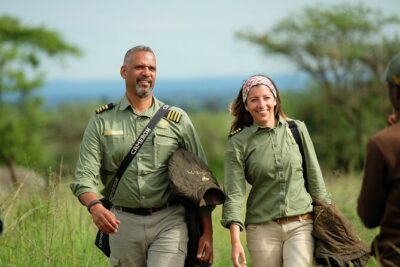
The strongest praise here centers on the guides. Steve is described as professional, attentive, and good at adjusting the day to a group’s interests. Simba is praised for finding the Big Five and for being friendly and funny. Nasr is associated with careful organization and customer support, while Chedy is described as warm and entertaining.
The language choices are useful for international groups. The safari is offered in English, German, Italian, French, and Spanish. Confirm your preferred language before departure, especially if detailed animal explanations are important to you.
The private setup is another advantage. You can ask to pause longer at an animal, request more information, or discuss the day’s priorities without negotiating with a busload of people. The listing also says group discounts are available, so a small group may find the cost easier to justify.
Camping, Food, and What the $815 Covers
At $815 per person, this is not a cheap weekend outing, but it includes several expensive safari basics. Park fees and taxes, private transport, professional guides, game drives, accommodation, tents, mattresses, sleeping bags, mineral water, and meals are included.
The meal plan covers three breakfasts, three lunches, and two dinners. Food receives some of the warmest praise, with particular appreciation for the cook and for meals served in the Serengeti. That matters on a packed safari day, when a reliable lunch is far more useful than a polished dining room.
Accommodation is less exact. The main plan refers to recommended campsites, but the supplied experiences include both a bush camp and Serengeti Serena Lodge. The lodge was described as pleasant, with good food, comfortable accommodation, and a swimming pool. You spend limited time at any overnight stop, so I would ask for the exact accommodation category before booking.
The camping gear inclusion makes this easier for first-time safari campers. You do not need to bring your own tent, mattress, or sleeping bag. Still, pack for a basic outdoor stay and bring clothing suitable for early mornings, dust, and changing temperatures. Those practical details are not listed as included, so you should handle them yourself.
Tips are not included. Set aside cash for gratuities if the guide, driver, and cook provide good service. The amount is not specified, so ask the operator for current local guidance rather than guessing.
The Practical Tradeoff: Wildlife Time Versus Road Time
This route puts two major parks into three days, which is its strength and its warning label. You get a lot of famous Tanzania in a short period, but you also spend time driving between Arusha, the Serengeti, Ngorongoro, and back to Arusha.
The Serengeti is huge. You may drive for a while without seeing much, then suddenly find yourself near a pride of lions, a cheetah, or a leopard. That uneven rhythm is normal. Do not judge the safari by a quiet hour, because the next sighting may be the best of the day.
The open-roof 4WD helps with views, but it does not make the roads smooth. The itinerary is best for someone who accepts early departures, long drives, dust, and a full schedule in exchange for access to major parks.
Most people can participate, and the activity is private for your group. It begins and ends at the Arusha Clock Tower meeting point, with pickup offered from hotels and airport transfers included in the package details. Confirmation is provided at booking.
Who Should Book This Safari
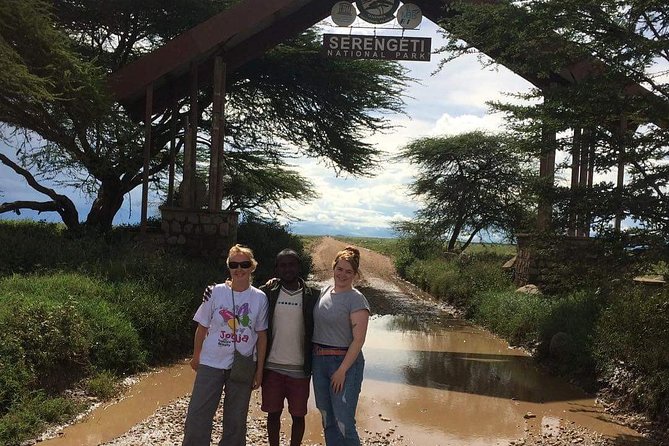
I would choose this trip if you want a first look at Tanzania’s most famous wildlife areas and have only three days available. It suits couples, families, and friends who value a private vehicle, included meals, and a guide who can shape the game drives around their interests.
It also works well for people who want camping without having to carry camping equipment. The supplied tents, mattresses, and sleeping bags simplify the planning, while the included food and water reduce extra costs.
I would look for a longer itinerary if you dislike rushed travel or want more time in the Serengeti. I would also confirm the exact overnight accommodation if you are expecting a lodge rather than a campsite.
Should You Book Camping to Serengeti and Ngorongoro?
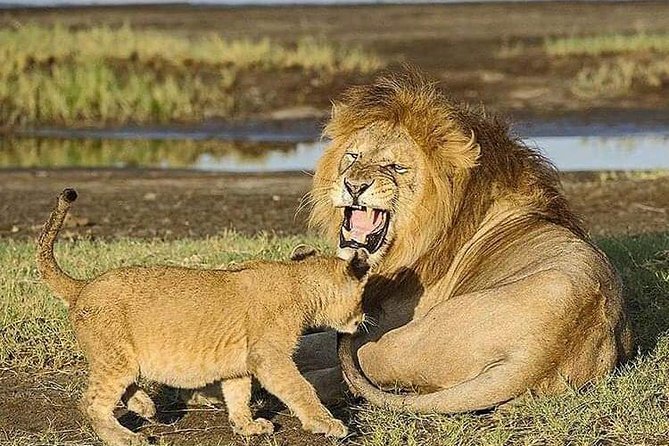
Book it if your priority is maximum wildlife variety in three days, especially with a private vehicle and most major costs included. The route gives you a real chance at the Big Five, strong cat viewing, the Serengeti’s huge plains, and Ngorongoro’s concentrated wildlife.
Think twice if you need a slow pace, fixed luxury accommodation, or a guaranteed animal checklist. No safari can promise every sighting, and the long road sections are part of this compact plan.
The available feedback points to guides, organization, food, and wildlife spotting as the best reasons to choose Moorland Safari and Trekking. Confirm the guide language, the exact camps or lodge, airport timing, and the final return schedule before you commit. Cancellation is free up to 24 hours before the 6:30 am start, but changes or cancellations inside that window are not refunded.
FAQ
Where does the safari start?
The meeting point is Arusha Clock Tower, at the Clocktower Roundabout in Arusha, Tanzania.
What time does the safari begin?
The stated start time is 6:30 am.
How long is the experience?
The safari lasts approximately three days.
Is hotel pickup available in Arusha?
Yes. Hotel pickup from Arusha is available.
Are airport transfers included?
Yes. Airport pickup and return transfers are listed as included.
Is this a private tour?
Yes. Only your group participates in the private tour or activity.
What camping equipment is supplied?
Tents, mattresses, and sleeping bags are included.
Are meals included?
Yes. The package includes three breakfasts, three lunches, and two dinners.
Which languages are available?
The safari is offered in English, German, Italian, French, and Spanish.
Can I cancel for a full refund?
Yes. You can cancel at least 24 hours before the local start time for a full refund. Cancellations within 24 hours are not refunded.
Newly listed around Arusha
- 5-Day Private Safari Tour in Tanzania’s Wildlife★ 5.0 · 3 reviews
- 3 Days private safari Tarangire ,Ngorongroro crater &Manyara★ 5.0 · 3 reviews
- 3 Day Sharing Safari – Manyara, Ngorongoro Crater and Tarangire National Parks★ 5.0 · 3 reviews
- Tarangire National Park Day Trip★ 5.0 · 3 reviews
- 2 Days Tarangire and Ngorongoro Crater Tour★ 5.0 · 3 reviews
- 6 -Day Tarangire, Manyara, Serengeti & Ngorongoro★ 5.0 · 3 reviews
- 5 Days Group Camping Safari★ 4.7 · 3 reviews
- Private 4×4 Vitara Safari in Arusha National Park★ 5.0 · 3 reviews
Serengeti & Ngorongoro Safaris, compared.
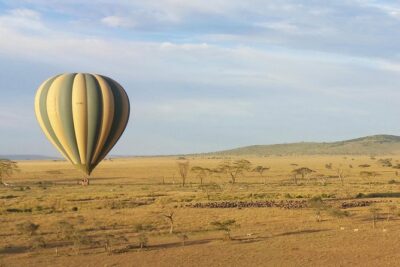
Balloon Safari & Bush Breakfast in Serengeti – Miracle Experience
Read our review →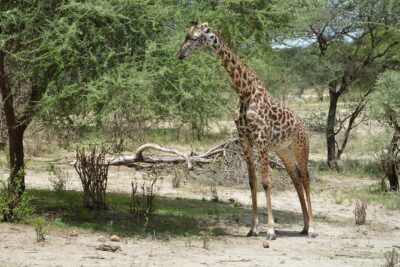
Private 6-Day Tarangire Manyara Crater and Serengeti with Mid-Range Lodges
Read our review →