
Reviewed · SERENGETI & NGORONGORO SAFARIS
1-Day Ngorongoro Crater Special Big 5- Joining Group Safari
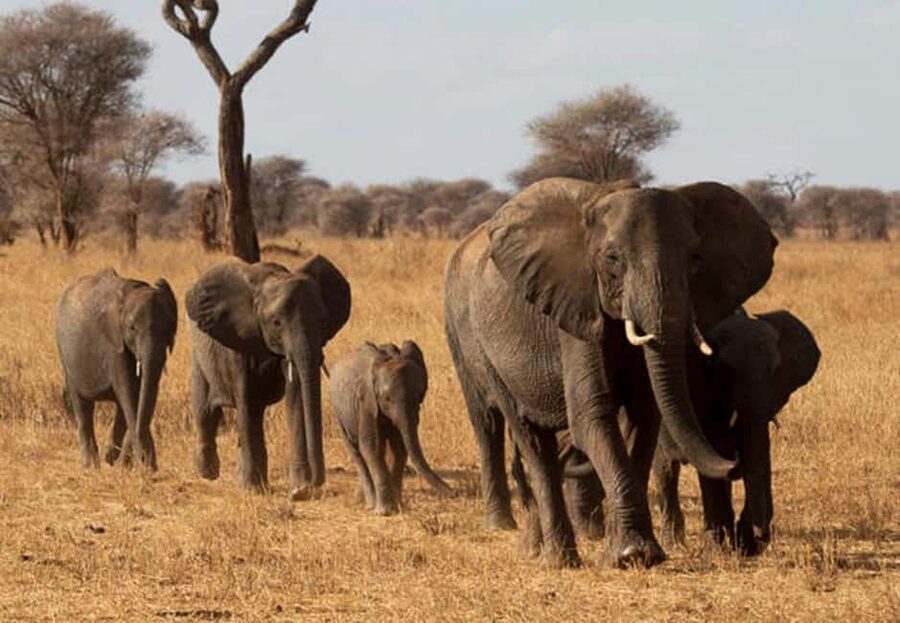
Ngorongoro Crater packs an extraordinary amount of wildlife into one enclosed volcanic basin. On this one-day Big Five safari, you can leave Arusha early, descend about 600 meters to the crater floor, and spend the main part of the day among lions, elephants, buffalo, zebras, wildebeests, hippos, and perhaps the rare black rhinoceros.
I like two things right away: the trip gives you a serious wildlife experience without requiring several nights in the bush, and lunch is served at a scenic crater picnic stop, often near a hippo pool or swamp. The $190 price also includes transport, a guide, food, and drinking water. The main caution is the schedule. This is a long day, and the national park fee is extra. Pickup from Moshi also costs more.
Key points before you book
- The crater floor is the main event: You spend the core of the day among several habitats, including open plains, Lerai Forest, a lake, and hippo pools.
- Big Five sightings are possible, not promised: Lions, elephants, buffalo, leopards, and black rhinoceros live in the area, but wildlife remains wild.
- Arusha pickup is included: Hotel pickup from Arusha is free, while Moshi pickup requires an added transfer charge.
- The price covers practical basics: Transport, an English-speaking guide, meals listed for the day, and drinking water are included.
- Early organization matters: A 5 a.m. pickup has caused confusion for some people when other pickups were scheduled later.
- Bring a camera and patience: The guide can help locate animals, but you should also speak up when you want a photo stop.
Why a one-day crater safari works
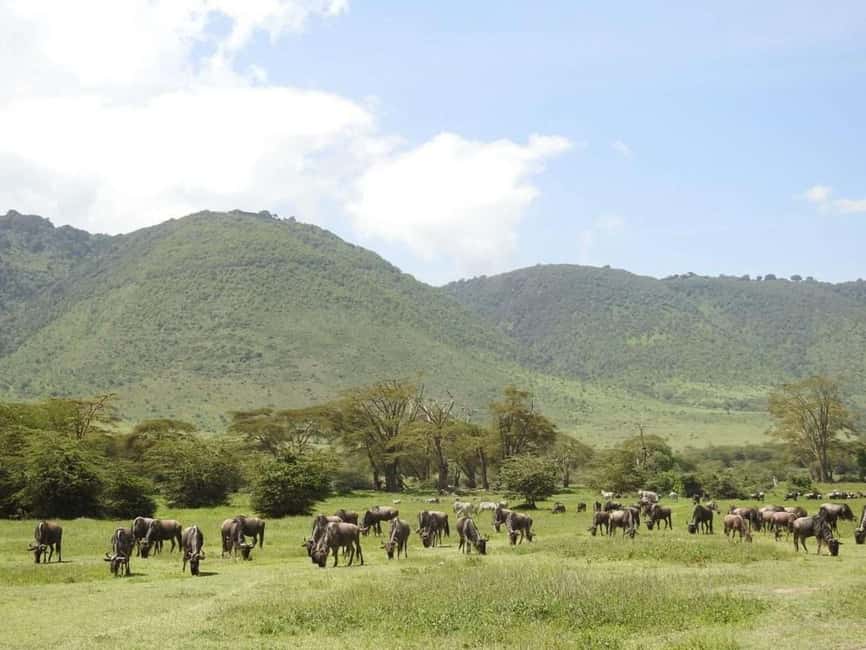
Ngorongoro is one of Tanzania’s most efficient safari destinations. The crater’s walls contain a large animal population within a relatively compact area, so you are not spending every hour driving between distant sightings. That makes a one-day visit practical if you are based in Arusha and have limited time.
The trade-off is the early start and the long return drive. You may spend several hours on the road, with the best part of the day concentrated between the crater descent and afternoon ascent. I would choose this trip for a first taste of northern Tanzania, especially if you cannot fit a longer safari into your plans.
It also suits people who want wildlife and scenery in equal measure. The crater rim gives you broad views before the descent, while the floor brings close visual variety: grassland, forest, water, and animal-filled open ground. You are not simply driving to one viewing point and going home.
More Serengeti and Ngorongoro itineraries:
- Serengeti Balloon Safari and authentic bush breakfast
★ 5.0 · 2,480 reviews - Balloon Safari & Bush Breakfast in Serengeti – Miracle Experience
★ 5.0 · 1,646 reviews - 3 Days Serengeti & Ngorongoro Group Camping Safari
★ 5.0 · 574 reviews
Leaving Arusha before sunrise
The day begins with pickup from your hotel in Arusha. The schedule is designed to reach Ngorongoro early, after a drive through the Great Rift Valley and the highlands of northern Tanzania.
That early departure is necessary for a full crater visit, but it is also the least polished part of the experience. One account describes a 5 a.m. pickup followed by a wait of about 45 minutes while another group was collected at a later time. If you are joining a shared vehicle, confirm the exact pickup time and ask how other pickups will affect it.
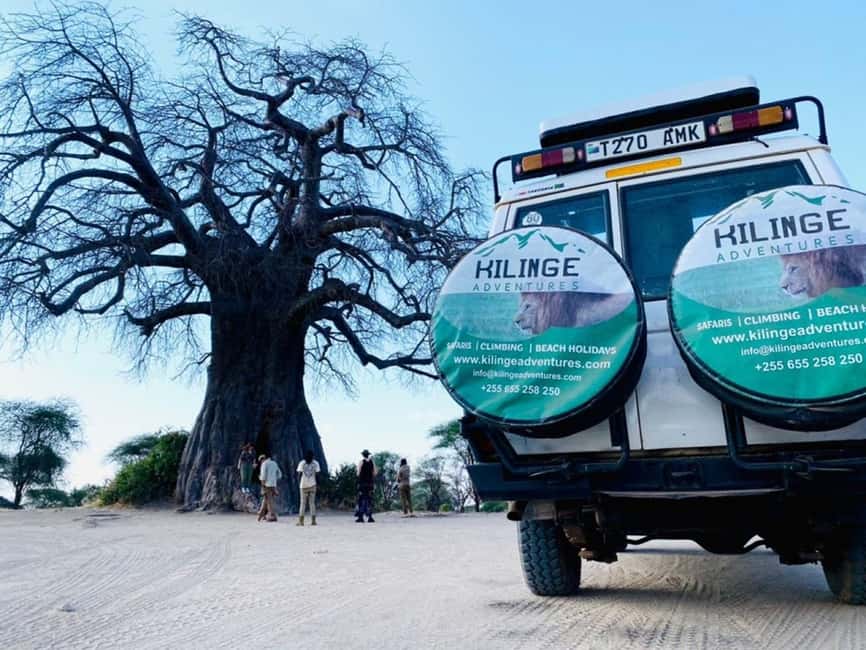
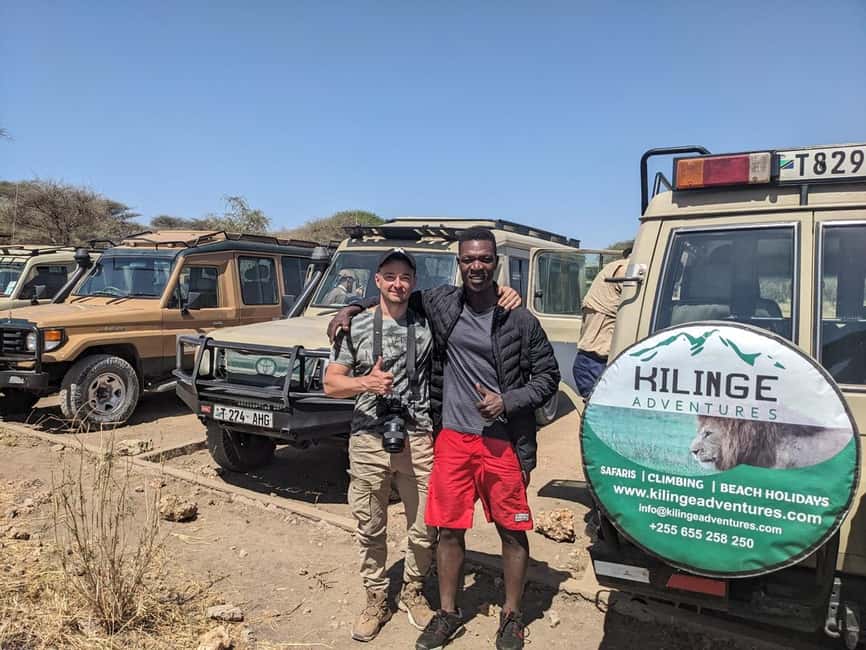
This is worth doing before the morning arrives. A small timing error feels much bigger when you are sitting in a vehicle before dawn, especially if you could have slept or eaten breakfast longer. Ask Kilinge Adventures to confirm your pickup point, pickup time, and whether the vehicle will collect other people first.
Breakfast is described as filling and energizing, but the supplied details do not specify where or when it is served. Ask in advance if breakfast matters to you, particularly if you need coffee or a special diet.
First views from the Ngorongoro rim
The first major stop is the crater rim. From here, you look down into the world’s largest unbroken caldera, a broad volcanic basin surrounded by steep walls.
This pause matters. The crater is not just a place where animals happen to gather. Its geology helps explain why wildlife is concentrated below, and the rim view gives you an immediate sense of the basin’s scale before the vehicle drops toward the floor.
Do not rush this moment. The later game drive is more active, but the rim is where you understand the shape of the place. It is also a good time to take your first photographs, since you can capture the full sweep of the caldera rather than only close animal portraits.
The listed experience promises some explanation of the crater’s geological past and Maasai communities in the conservation area. The quality of that interpretation depends greatly on your guide. One person found the guide did not explain how the crater formed or how many animals live there, so I would ask questions early. A simple question about the crater’s formation can reveal how much detail your guide plans to offer.
The 600-meter descent to the crater floor
After the rim stop, the vehicle descends roughly 600 meters to the crater floor. This is where the safari becomes a proper wildlife drive.
The enclosed setting gives you a good chance of seeing several species in a short period. The planned search includes the famous Big Five:
- Lions
- Elephants
- Cape buffalo
- Leopards
- Black rhinoceros
You may also see zebras, wildebeests, hyenas, hippos, gazelles, warthogs, jackals, and other animals. The crater has different habitats rather than one endless stretch of grass, so the scenery and animal mix can change during the day.
I would keep your expectations sensible about the Big Five. The experience is marketed around special Big Five viewing, and the crater is a strong place to look for them, but no responsible safari can guarantee every species. Leopards can be especially hard to find, and black rhinoceros are endangered. A day with lions, buffalo, hippos, zebras, and wildebeests can still be an excellent safari even if one famous animal stays out of sight.
The vehicle is likely to stop when there is something worth watching, but you should not sit silently if you spot movement first. One disappointing account describes having to ask repeatedly for stops after finding animals independently. Tell the guide clearly when you want a photograph or a closer look, while still following the guide’s safety instructions and park rules.
More Safaris in Tanzania:
- From Zanzibar: Mikumi Safari Day Trip with Flights and Meal
★ 4.7 · 1,470 reviews - 4 Days Group Camping Safari
★ 5.0 · 1,101 reviews - From Zanzibar: Day Selous Game Reserve Safari with Flights
★ 4.7 · 1,025 reviews - 5 Days Group Camping Safari
★ 5.0 · 730 reviews
Wildlife habitats across the crater floor
The route may pass through grassy plains, Lerai Forest, lake areas, and swampy ground near hippo pools. Each habitat changes what you should watch for.
On the open plains, look for grazing animals such as zebras and wildebeests, along with gazelles and warthogs. These open areas can also attract predators, including lions and cheetahs. The guide may point out hunting behavior, though sightings of a chase are never assured.
Lerai Forest offers a different setting from the wide grasslands. It is a useful reminder that Ngorongoro is not one uniform field. Elephants may be among the animals you hope to see, while the forest edge can offer shade and a change in viewing conditions.
Water and swamp areas bring hippos and often create good picnic scenery. Hippos spend much of their time in water, but you should follow the guide’s instructions closely at any stop near them. The experience includes a picnic at a designated area, not an open-air walk through the animals.
The guide’s role is important here. A good safari guide does more than point at a distant shape. You want help identifying species, understanding behavior, and knowing why animals are using one part of the crater instead of another. If the guide is quiet, ask direct questions about animal numbers, habitat, and the crater’s formation.
Picnic lunch beside the hippo pool
Around midday, the group stops for lunch at a designated picnic area, commonly near a hippo pool or lush swamp. This is one of the most appealing details of the day because it breaks up the driving without taking you away from the setting that brought you to Ngorongoro.
The food receives strong praise in the available feedback. Breakfast is described as filling, while lunch is described as fresh and nutritious. That matters on a long day, when a weak packed meal can make the afternoon feel harder than it needs to.
You should still treat the picnic stop as a wildlife area, not a relaxed restaurant terrace. Stay within the designated space and follow the guide’s instructions. Hippos may look slow and sleepy, but they are not animals to approach.
Lunch also gives you a chance to review your photographs, drink water, and decide what you most want to see during the afternoon drive. Bring your camera, but do not forget to put it down occasionally. The crater’s scale is easier to appreciate with your eyes than through a small screen.
Afternoon game drive and the return to the rim
After lunch, the vehicle continues across other parts of the crater floor. The afternoon segment may bring more chances to see lions, cheetahs, hyenas, jackals, gazelles, and warthogs, along with animals missed earlier.
This is also the time when the value of a flexible guide becomes clear. Wildlife does not follow a fixed route, and the best stop may be a quiet one where the guide has noticed something at a distance. At the same time, you should be comfortable requesting a stop if you see an animal or want time for photographs.
The guide is expected to provide cultural context about Maasai communities living in the conservation area. That can add meaning to what you are seeing, since Ngorongoro is not only a wildlife destination. Ask respectful questions about how people and conservation share the area, but keep in mind that the amount of detail will vary with the guide.
Later, the vehicle climbs back toward the crater rim. The ascent is a natural end to the safari, and the high viewpoint gives you one last look across the basin. After that, you begin the drive back to Arusha or Moshi, with hotel drop-off expected in the early evening.
This is a demanding schedule. If you want slow mornings, long meals, and plenty of time at one animal sighting, book a longer safari instead. If you want to see one of Tanzania’s most important wildlife areas in a single available day, the compressed format makes sense.
What the $190 price really covers
At $190 per person, the trip offers a useful bundle for a day in a major Tanzanian destination. Transportation, guided safari services, an English-speaking professional guide, meals listed for the day, and drinking water are included.
The headline price is not the final cost for everyone. The national park fee is excluded, so you need to add that before comparing this trip with other Ngorongoro options. Pickup from Arusha is free, but pickup from Moshi carries an extra transfer charge.
That makes the value strongest for someone already staying in Arusha. From there, you receive the main services you need for a full day without arranging a separate vehicle, guide, meal plan, and water supply. From Moshi, the added transfer cost may narrow the price advantage.
The shared format also matters. A joining safari can lower the per-person cost, but it may mean several hotel pickups and different preferences during the game drive. If you want complete control over departure time and photo stops, compare the cost of a private vehicle before booking.
Kilinge Adventures allows you to reserve and pay later, and cancellation is available up to 24 hours in advance for a full refund. Those terms make it easier to hold a place while your plans are still changing, but check the conditions at booking.
The guide can make or break the day
The strongest positive account praises the guide for answering questions and adding activities beyond the planned schedule. Joseph is the guide named in that feedback. Another account describes the organization, care, driver, and guide as satisfactory without adding specific detail.
There is also a clear warning: one person found the guide offered too little information, did not explain the crater or animals, and failed to stop promptly for sightings. That contrast tells you exactly what to manage. Before leaving the rim, ask your guide what you are likely to see, how the day is paced, and how to request a stop.
The listed language is English. If wildlife education is a priority, say so at the start. You can ask about the crater’s volcanic origin, the animals living below, Maasai communities, and the differences between the forest, plains, lake, and swamp habitats.
Who should book this Ngorongoro day trip?
I would recommend it to:
- First-time safari visitors based in Arusha
- People with only one free day for wildlife
- Anyone who wants a strong chance of seeing several major species
- Couples and small groups willing to share a vehicle
- Visitors who value included meals and transport
- Photographers who are comfortable asking for stops
I would be more cautious if you are staying in Moshi and the added transfer changes the total price. I would also think twice if you dislike pre-dawn pickups, long road days, or shared transport.
The experience is best for someone who wants a concentrated introduction to Ngorongoro, not a slow safari camp holiday. Its greatest strength is access to a remarkable wildlife setting in one day. Its weakest points are the tight schedule, possible pickup delays, and the uneven guide experience.
What to bring and what to confirm
Bring a camera and drinking water is provided. You should also confirm the exact pickup time, especially if you are joining from a hotel with other collections planned.
Before paying, ask these practical questions:
- Is breakfast included on your departure?
- What time will your hotel pickup take place?
- Will you share the vehicle with other groups?
- What is the current national park fee?
- What is the added cost from Moshi?
- How does the guide handle photo stops?
- Is Joseph your assigned guide, or will another guide lead the trip?
These questions do not change the crater itself, but they can change how relaxed and useful the day feels.
Should you book this Kilinge Adventures safari?
Book it if you are in Arusha, have one day, and want a cost-conscious way to reach Ngorongoro with transport, meals, water, and a guide arranged. The crater views, compact wildlife area, and possible Big Five sightings give the day real appeal, and the food receives especially warm praise.
Book with care if your priority is polished timing or detailed naturalist commentary. Confirm pickup arrangements and tell the guide that you want explanations as well as animal stops. If you need a guaranteed private schedule, a private safari may suit you better.
For the right person, this is a practical one-day introduction to Ngorongoro. Just budget for the park fee, allow for a very long day, and treat the Big Five promise as a strong possibility rather than a guarantee.
FAQ
Where does the safari start?
Free hotel pickup is available from Arusha. Pickup from Moshi is available for an extra transfer cost.
How much does the safari cost?
The listed price is $190 per person. The national park fee is not included, and Moshi pickup costs extra.
Is the national park fee included?
No. You must pay the national park fee separately.
What animals might I see?
The safari focuses on the Big Five: lions, elephants, buffalo, leopards, and black rhinoceros. You might also see zebras, wildebeests, hyenas, hippos, gazelles, warthogs, jackals, and cheetahs.
Is lunch included?
Yes. Meals indicated for the day are included, with a picnic lunch planned at a designated spot, often near a hippo pool or swamp.
Is drinking water provided?
Yes. Drinking water is included.
What language does the guide speak?
The guide service is provided in English.
What should I bring?
Bring a camera. The tour information specifically recommends one for the crater views and wildlife sightings.
Can I cancel the booking?
You can cancel up to 24 hours in advance for a full refund. The experience also allows you to reserve and pay later.
More day trips in Tanzania
- Materuni Waterfalls & Chemka Hotsprings Day Trip
★ 5.0 · 214 reviews - Zanzibar: Nungwi Turtle Aquarium Guided Half-Day Trip
★ 4.4 · 197 reviews - Materuni waterfalls coffee tour & Chemka hot springs Day trip
★ 5.0 · 131 reviews - Stone Town: Stone Town and Prison Island Private Day Trip
★ 4.5 · 104 reviews
Newly listed around Tanzania
- Prison Island, Sea Turtles, Rock Restaurant & Relax in Beach★ 4.6 · 3 reviews
- 5-Day Private Safari Tour in Tanzania’s Wildlife★ 5.0 · 3 reviews
- Zanzibar: Nungwi/Kendwa Beach Sunset Dhow Cruise with Fruits★ 3.4 · 3 reviews
- Climb Mount Kilimanjaro: 7 Days Machame Route★ 5.0 · 3 reviews
- Starfish Beach; The Rock; Kuza Cave; Paje Beach; Salaam Cave Tour★ 4.5 · 3 reviews
- 3 Days private safari Tarangire ,Ngorongroro crater &Manyara★ 5.0 · 3 reviews
- 3 Day Sharing Safari – Manyara, Ngorongoro Crater and Tarangire National Parks★ 5.0 · 3 reviews
- Mikumi Np Mid Range Tour 3 Days★ 5.0 · 3 reviews
Serengeti & Ngorongoro Safaris, compared.


Balloon Safari & Bush Breakfast in Serengeti – Miracle Experience
Read our review →




Private 6-Day Tarangire Manyara Crater and Serengeti with Mid-Range Lodges
Read our review →
5 Days Camping Tarangire, Serengeti & Ngorongoro crater & Visiting Maasai
Read our review →Browse the lists this tour appears in