
Reviewed · SPICE FARM TOURS
Spice Farm Tour -Half Day
Zanzibar’s spices make the island’s countryside come alive. On this half-day walk, you can smell fresh clove, snap cinnamon bark, taste tropical fruit, and see how crops grow in a working shamba, rather than meeting spices only as tidy jars in a shop. The visit to Kidichi Persian Baths, built in 1850 for Sultan Seyyid Said’s Persian wife, adds a strong historical note.
I like the mix of hands-on tasting and local history. I also like the practical hotel pickup, air-conditioned transport, and chance to buy spices while their uses are still fresh in your mind. The main drawback is that the tour is short, and the farm walk requires moderate fitness. Lunch, tea, and coffee are not included.
Key points at a glance
- Kidichi Persian Baths: See domed bathhouses and deep stone baths built for a Persian princess in 1850.
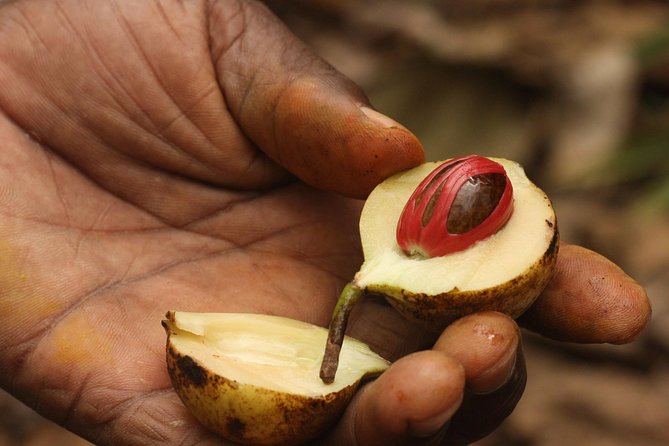
- Spices in their natural setting: Smell and taste clove, lemongrass, nutmeg, cinnamon, turmeric, vanilla, chili, black pepper, cardamom, and more.
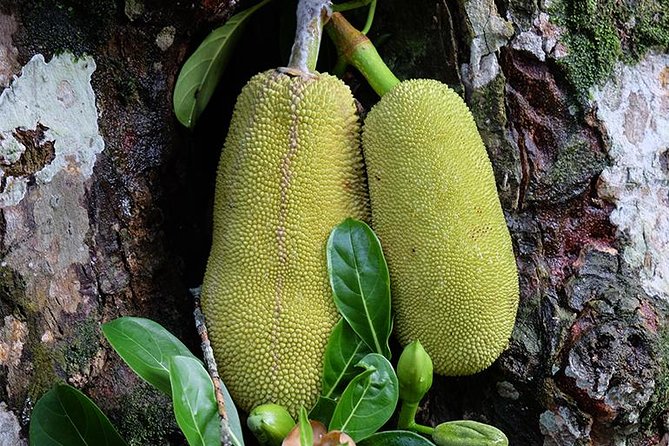
- Fruit tasting: Seasonal offerings may include jackfruit, pineapple, banana, coconut water, papaya, oranges, lychee, and sour fruit.
- Local countryside: The walking portion gives you a closer look at Zanzibar’s plantations and everyday rural life.
- Easy half-day planning: Hotel pickup and drop-off, private air-conditioned transport, a bottle of water, and mobile ticketing are included.
- Optional cooking class: You can request a cooking class at the farm if you want to turn the lesson into a meal.
Why Zanzibar’s spice farms are worth your morning
A spice farm tour works best when you want more than a list of famous sights. Zanzibar’s name is closely linked with cloves and other aromatic crops, but the real pleasure comes from seeing these plants before they are dried, ground, packaged, and sold.
You may know cinnamon as a powder or vanilla as a small bottle of extract. At the farm, your guide explains how the plants grow, how they are cultivated, and what they are used for. You smell leaves, bark, roots, pods, and fruit in the place where they belong.
That matters because spices can seem abstract in a kitchen. A short walk through the farm gives them shape. Turmeric is no longer just a yellow powder. Cardamom is not only a pod in a tea blend. Cloves, lemongrass, nutmeg, and black pepper become part of a living agricultural setting.
The experience also gives you a glimpse of rural Zanzibar. You are not simply driven to a display room and sent back to town. The central activity is on foot, with time to look closely and ask questions. If you enjoy food, gardens, and local culture, this is a useful way to spend three hours.
More spice farm mornings:
- Zanzibar: Stone Town, Spice Tour, Prison Island with Lunch
★ 4.4 · 1,219 reviews - Zanzibar: Prison Island, Stone Town, & Spice Farm Tour
★ 4.5 · 579 reviews - Zanzibar: Stone Town, Spice tour & Prison Island with Lunch
★ 4.6 · 453 reviews
Kidichi Persian Baths and the Sultan’s countryside
The first named stop is Kidichi Persian Baths, located on one of the highest points of Zanzibar Island. Sultan Seyyid Said built the baths in 1850 for his Persian wife, Princess Sheherezade, who was the granddaughter of Fatah Ali, the Shah of Persia.
The building is decorated with ornamental Persian stucco work. Inside, you can see a series of domed bathhouses, deep stone baths, and large stone seats. It is a compact historic stop, but it gives the farm visit a sense of place and connects the countryside to the sultanate that shaped Zanzibar’s past.
The baths are especially interesting because they contrast with the plainer baths at nearby Kizimbani. Those were built within the sultan’s clove and coconut plantation. The contrast helps you see that these were not just practical washing facilities. They also reflected status, family ties, and the setting in which the sultan’s plantation life took place.
Do not expect a large museum or a long guided history lecture. The information provided points to a brief visit before continuing through the countryside. If you are most interested in architecture, the Persian decorative details and domed rooms will be the main reason to pay attention.
Walking through cloves, cinnamon, and vanilla
After Kidichi, the tour continues by car through green countryside before the walking portion at a spice farm. The exact farm route can vary, but the focus is clear: you see, smell, taste, and learn about plants used in Zanzibar cooking and daily life.
The list of crops is unusually broad. You may encounter:
- Clove and lemongrass
- Nutmeg and cinnamon
- Turmeric and vanilla
- Chili and black pepper
- Cardamom and cassava
- Coconuts, papaya, and oranges
A good guide makes this part more than plant identification. You learn how each crop can be used, which gives the walk practical value. You can ask questions as you go, and the relaxed pace leaves room to focus on the scents and textures that are easy to miss from a distance.
Cinnamon is a good example of why this format works. The useful part is not simply hearing the word. It is seeing the plant material and connecting it with the familiar smell. Vanilla, turmeric, nutmeg, and cloves also make more sense when you meet them as farm products.
The walk does call for moderate physical fitness. You will be on your feet, and the main activity takes place outdoors on a farm. The supplied information does not promise a flat, paved route or a fully accessible setting, so you should ask before booking if walking conditions are important for you.
Tropical fruit is part of the lesson
Fruit tasting gives the tour a lighter, more enjoyable rhythm. Depending on the season, you may taste jackfruit, pineapple, banana, green coconut juice, durian, love apple, lychee, soursop, papaya, and oranges.
This seasonal element is worth keeping in mind. You are not being promised every fruit on the list at one time. What you taste depends on what is growing and ready during your visit.
Green coconut juice is one of the simple pleasures here. It also fits the practical nature of the tour, since a bottle of water is included but lunch is not. Fruit can add a welcome snack during the walk, but you should not treat the tasting as a full meal.
Durian and other strongly scented fruits can be divisive. That is part of the fun, but it also means the tasting may be more adventurous than a standard sightseeing stop. If you enjoy trying unfamiliar food, the fruit section adds a memorable sensory side to the farm visit.
More farm visits in Zanzibar:
- Full-Day Private Stone Town +Spice Farm and Prison Island Tour
★ 4.5 · 216 reviews - Zanzibar: Stone Town & Spice Farm Tour with Lunch
★ 4.5 · 97 reviews - Zanzibar:Stone Town & Spice Farm Private Tour Lunch Included
★ 4.2 · 94 reviews - Zanzibar full day Jozani forest + Spice farm and stone town
★ 4.7 · 90 reviews
A cooking class can change the pace
A cooking class is available on request at the spice farm. This is not automatically included in the stated price, so you should arrange it before the tour if cooking is a main reason for booking.
The class could make the spices easier to understand because you would move from smelling and tasting ingredients to seeing how they work in a dish. Still, the supplied details do not specify the menu, cooking time, or extra cost. Ask the provider for those points before you commit.
Without the class, the half-day tour remains focused on the farm walk, historic baths, tastings, and shopping. With it, the outing may become a more food-centered experience. Families and food lovers should consider requesting it, while anyone with a tight schedule may prefer the standard visit.
What the $50 price includes
At $50 per person, this is not the cheapest possible way to see plants in Zanzibar. The value comes from the combination of transport, a guide, history, tastings, and access to a working farm in one short outing.
Hotel pickup and drop-off remove the need to arrange a separate taxi. Private comfortable air-conditioned transport is included, which is useful in Zanzibar’s heat and makes the ride easier after walking outdoors. A bottle of water is also provided.
The tour can accept group discounts, so the price may work better for families or small groups than for a solo booking. The activity has a maximum of 20 people, though the transport is described as private. Ask how your particular booking will be arranged if group size or vehicle setup matters to you.
Lunch is not included. Coffee and tea are not included either. Plan to eat before or after the visit, especially if you are booking the optional cooking class only as an add-on and do not know how much food it will provide.
Spice shopping is another part of the value. You can buy products after learning what they are and how they are used. That is more useful than picking up a mystery packet at a market, though you should still compare prices and check what you are allowed to bring home.
Timing, transport, and the practical details
The experience lasts about three hours. The stated visit to Kidichi and the countryside portion is listed at roughly two hours, with the remaining time likely allowing for driving and transfers. Since pickup times and traffic can affect the day, avoid placing a tightly timed activity immediately afterward.
Hotel pickup and drop-off are included. You receive confirmation at booking, and a mobile ticket is available. The activity requires good weather, so poor conditions can lead to a different date or a full refund.
Free cancellation is available if you cancel at least 24 hours before the start time. Cancellations made less than 24 hours before the start time are not refunded, and changes inside that window are not accepted. The cut-off follows local time.
Wear practical clothes for walking outdoors. The tour information does not specify a dress code, but comfortable shoes and protection from the sun are sensible choices for a farm visit. Since the tour asks for moderate physical fitness, it is not the right pick if you need a fully seated outing.
Who will enjoy this half-day tour
I would choose this tour for someone who wants a cultural activity that is easy to fit around a Zanzibar City stay. It suits people interested in food, agriculture, gardens, local history, and everyday island life.
Families may like the tasting element, especially if children enjoy fruit and strong smells. The optional cooking class could make the day more engaging for older children, but the walking and outdoor conditions still matter.
It also suits first-time visitors who want an introduction to Zanzibar beyond Stone Town. The Persian Baths provide a historical link, while the farm offers a look at the countryside. You get several subjects in one outing without giving up an entire day.
Food-focused visitors will find the tour especially useful. Seeing clove, cinnamon, turmeric, vanilla, cardamom, and black pepper where they grow can change how you think about familiar dishes. The fresh fruit also adds something that a history-only tour cannot provide.
I would be more cautious if you dislike outdoor heat, strong aromas, uneven walking, or short visits with several different elements. This is a sampler, not a specialist agricultural course. The guide’s explanations are central to the experience, so if you want highly detailed botanical information, ask what level of detail to expect.
Should you book the Spice Farm Tour?
Book it if you want a relaxed, sensory half-day with hotel transport, a historic stop, tropical fruit, and plenty of spice-related learning. The strongest reasons are the chance to see ingredients in their natural setting and the easy combination of farm, food, and Zanzibar history.
At $50, the tour offers fair value for the transport and guide service, especially when group discounts apply. Just remember that lunch, tea, coffee, and the optional cooking class are outside the basic package.
My practical advice is to book the cooking class in advance if that is important to you, leave room in your schedule for transport, and plan a meal separately. If you can manage the walking and want to understand why Zanzibar is called the Spice Island, this is a sensible choice.
FAQ
How long does the Spice Farm Tour last?
The tour lasts approximately three hours. The listed visit and countryside portion takes about two hours, with the remaining time used for transport and the wider half-day schedule.
How much does the tour cost?
The listed price is $50 per person. Group discounts are available.
Is hotel pickup included?
Yes. Hotel pickup and drop-off are included in the tour.
Is transportation air-conditioned?
Yes. The tour provides private, comfortable transport with air conditioning.
What is included in the price?
An experienced professional tour guide, hotel pickup and drop-off, and a bottle of water are included.
Is lunch included?
No. Lunch is not included. Coffee and tea are also excluded.
Can I take a cooking class during the tour?
Yes. A cooking class at the spice farm is available on request. The supplied information does not state whether it costs extra or what menu it offers.
How many people can join the activity?
The activity has a maximum of 20 travelers.
Can I cancel for a full refund?
Yes, if you cancel at least 24 hours before the experience start time. Cancellations made less than 24 hours before the start time are not refunded. If poor weather causes the tour to be canceled, you will be offered another date or a full refund.
Newly listed around Zanzibar
- Stone town Private walking tour★ 5.0 · 3 reviews
- Stone Town City Tour★ 5.0 · 3 reviews
- Private Stone Town & Spice Tour★ 5.0 · 3 reviews
- Zanzibar: Maalum Cave Natural Swimming Pool Tour in Paje★ 4.4 · 3 reviews
- Salam cave turles swimming, paje beach , the Rock Restaurant★ 3.0 · 3 reviews
- Spice Farm Tour with Traditional Cooking Lesson★ 5.0 · 3 reviews
- Zanzibar: Tour to Prison Island and Nakupenda sandbank with lunch★ 4.3 · 3 reviews
- Zanzibar: Jozani Red Colobos Monkey & Salaam Turtle Santuary★ 4.6 · 3 reviews
Spice Farm Tours, compared.



Full-Day Private Stone Town +Spice Farm and Prison Island Tour
Read our review →
The Swahili Spice Experience – Spice Tour + Culinary Journey
Read our review →Browse the lists this tour appears in