

Reviewed · ARUSHA TOURS
2 Days Tanzania Safaris
Tarangire is the surprise here. Many people rush toward Ngorongoro and Serengeti, but this park offers strong wildlife viewing, excellent birding, and fewer crowds, especially from July through October. The next day, you trade open woodland for the great bowl of Ngorongoro Crater, one of Africa’s most remarkable wildlife settings.
I like two things right away: hotel pickup from Arusha keeps the start simple, and the overnight tented camp turns this into a proper safari rather than two long day trips. Meals are included, and the small-group format can make it easier to ask questions and get a better view at sightings.
The main drawback is the pace. You have only two days to cover two major parks, with a 10-hour first day and an eight-hour second day. The $600 price can be good value for transport, park visits, food, guiding, and lodging, but this is not a slow safari with much spare time.
Key points at a glance
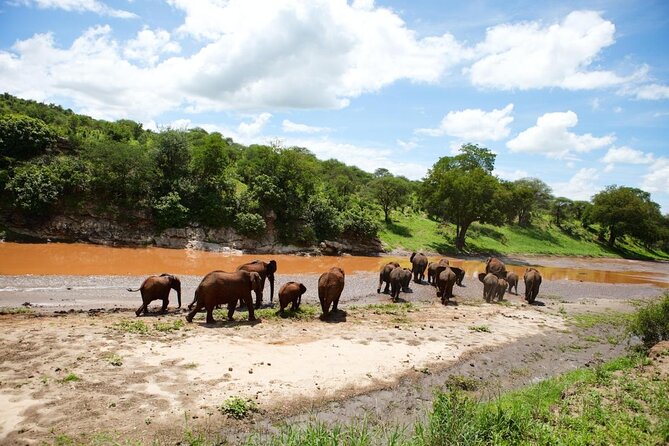
- Tarangire from July to October: This is the strongest season named for game viewing, with fewer visitors than Tanzania’s better-known parks.
- A tented camp overnight: You sleep in a tented camp after the first park day, with meals included on both days.
- Ngorongoro on day two: The crater packs a great deal of wildlife into a dramatic volcanic setting.
- Pickup at 8:30 a.m.: Round-trip transfers from an Arusha hotel are included.
- Small groups up to 15: The actual group may be smaller, with one reported departure carrying six people.
- Experienced animal spotting: Rupia Adventure’s guides are praised for finding hard-to-see animals, including a leopard on one private safari.
Why this two-day route works
This tour gives you two very different sides of northern Tanzania in a short span. Tarangire has a more open, spacious feel and is especially good for birds. Ngorongoro is compact by comparison, with wildlife concentrated inside the crater.
That contrast is the point. You are not seeing the same type of park twice. The first day brings a long game drive through Tarangire, then the second day takes you into a UNESCO-listed natural site known for its high concentration of animals.
I would choose this route if you have limited time in Arusha and want more than one park. It also suits you if you prefer a guided trip with the main arrangements handled for you. Pickup, meals, park admissions, accommodation, and transport are part of the package.
The tradeoff is that the schedule leaves little room for delays or personal detours. The first day takes about 10 hours, and the second about eight. You should expect full safari days rather than a relaxed country outing.
More two day trips in Arusha:
- 2 Days Tarangire and Ngorongoro Group Camping Safari
★ 5.0 · 146 reviews - 2 Days Group Joining Camping Safari Tarangire Park and Ngorongoro Crater
★ 4.5 · 28 reviews - 2 days Mid Range Safari in Ngorongoro and Tarangire Big 5 Parks
★ 5.0 · 27 reviews
Leaving Arusha at 8:30 a.m.
The stated start time is 8:30 a.m., with pickup from your Arusha hotel. A guide meets you, explains the plan, and gets the trip moving toward Tarangire National Park.
That pickup is useful if you are staying in Arusha and do not want to arrange a separate transfer to a meeting point. One account describes pickup from a more remote hotel, so the stated service appears to cover more than just central properties. Still, you should give the operator your exact hotel details when booking.
The drive and park day are bundled into one long outing. Since the first day is listed at roughly 10 hours, you should be ready for a full schedule. Wear practical clothes, carry water, and keep essentials close rather than buried in luggage.
The tour is mobile-ticketed, and confirmation is provided at booking. The maximum group size is 15, though one departure had six people and other arrangements were described as private. That range matters. A six-person vehicle can feel far more personal than a full group of 15, so ask about the expected group size if that affects your decision.
Tarangire: the rewarding first park
Tarangire is often treated as a second choice behind the Serengeti and Ngorongoro. I think that misses its appeal. The park is described as a surprise package because it can offer major concentrations of game during peak months while receiving a fraction of the visitors found in the other northern parks.
The best stated period for game viewing is July through October. That does not promise specific sightings, but it gives you a useful planning clue. If your safari falls in those months, Tarangire is a particularly strong reason to book this two-park route.
The habitat also differs from Ngorongoro. You get a change of scenery, a different sense of space, and a park that is especially well suited to birdwatching. If you care about birds as much as large mammals, Tarangire may be the most personally rewarding day of the trip.
The rare prizes listed here are dwarf mongoose, oryx, and gerenuk. Sightings are described as very uncommon, so do not treat them as expected highlights. They are better understood as possible bonuses for a sharp-eyed guide and a bit of luck.
That point is important for safari planning. A good guide can help locate animals, but no guide can guarantee a leopard, gerenuk, or any other wild creature. The value of this experience lies in the overall park visit, not in one promised animal.
Several accounts praise the guides for finding animals and for answering questions about the wildlife and surrounding area. One guide with 20 years of experience was singled out for strong animal spotting, and another private outing reportedly found a leopard. Those details suggest that guide quality is one of Rupia Adventure’s biggest assets.
What the long Tarangire day feels like
Expect Tarangire to take up most of day one. The park admission is included, and the guide handles the safari route and wildlife search while you focus on watching from the vehicle.
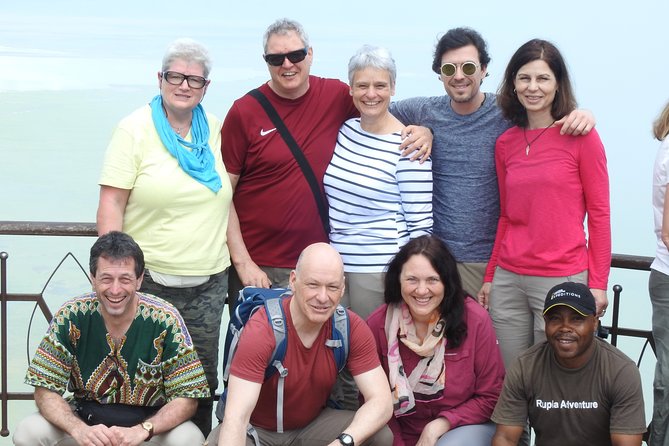
The small-group setup can help here. Fewer people usually means less competition for window space and an easier time asking the guide to explain what you are seeing. The benefit is strongest in a group of six or fewer, while a full 15-person departure may feel less intimate.
The long day can also be tiring. Safari roads and wildlife stops are not arranged around a quick city schedule. You should bring patience, since some stretches may be quiet and an animal sighting can change the pace without warning.
Tarangire rewards attention beyond the large animals. Its birdlife is a major feature, and the unusual species listed for the park make it worth scanning carefully rather than looking only for the biggest mammals. Ask your guide to point out birds and smaller animals, not just the headline sightings.
A few more Arusha days to compare
- Balloon Safari & Bush Breakfast in Serengeti – Miracle Experience
★ 5.0 · 1,646 reviews - Tanzania Classic – 7 Days
★ 5.0 · 1,151 reviews - 4 Days Group Camping Safari
★ 5.0 · 1,101 reviews - 5 Days Group Camping Safari
★ 5.0 · 730 reviews
Sleeping in a tented camp
After the Tarangire day, you spend the night in a tented camp. This is a practical middle ground between a basic day trip and a high-end lodge safari.
The information provided does not specify the camp’s name, room setup, bathroom style, or exact location, so you should not assume a particular level of comfort. What is clear is that the overnight stay is included, as are meals on both days.
The camp matters because it breaks up the route. Without an overnight stop, these two parks would make for an even harder schedule from Arusha. Instead, you finish the first park day near the next stage of the trip and begin day two after breakfast.
If comfort details matter to you, ask Rupia Adventure what kind of tented camp is being used for your departure. The supplied details support the presence of a tented camp, but not extras such as electricity, private bathrooms, hot water, or Wi-Fi.
Ngorongoro Crater on day two
After breakfast, you head to Ngorongoro Crater for the second full day. The visit lasts about eight hours and includes park admission.
Ngorongoro is a UNESCO World Heritage site and the largest intact volcanic caldera. Its appeal comes from the scale of the crater and the concentration of wildlife within it. Volcanic craters and fertile grazing areas form the setting, with the crater walls creating a dramatic natural frame.
For you, the practical advantage is the chance to see a lot in one concentrated area. The crater is known for a high density of wildlife, so it can be an efficient choice when your safari time is short. That efficiency does not make sightings certain, but it gives the second day a strong focus.
The crater is also connected with Maasai culture in the surrounding highlands. The tour description presents the area as a place where you may interact with Maasai people. Treat that as a cultural opportunity, not a guaranteed scheduled encounter, since no specific village visit or activity is listed.
The second day is still long. An eight-hour crater outing after a full Tarangire day may test your energy, especially if you are arriving from a busy travel schedule. On the other hand, this is exactly the sort of compact route that makes sense if you have only a short window in northern Tanzania.
Guides, vehicles, and group size
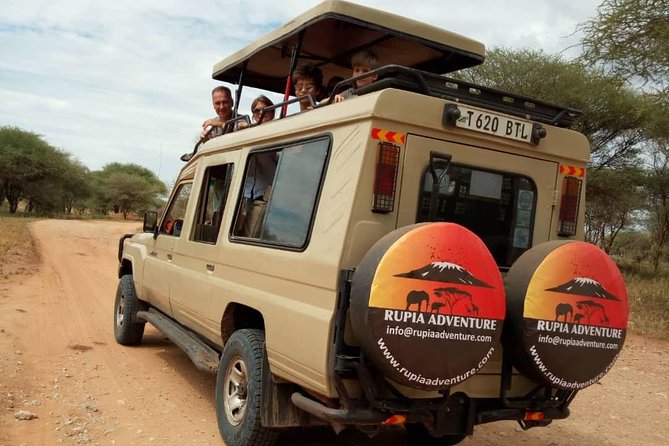
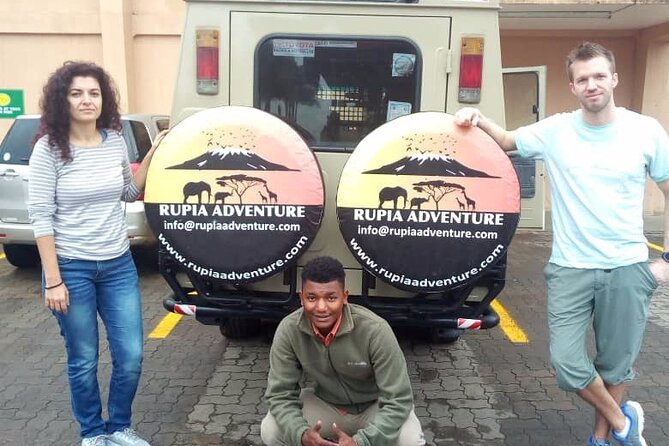
Rupia Adventure’s strongest reported feature is its guiding. Guides are described as professional, funny, well informed about animals and the surrounding area, and skilled at spotting wildlife. One guide was also praised for choosing less crowded routes when possible.
Those are useful qualities on safari. Animal spotting takes patience, and a guide who can explain what you are seeing adds much more value than a driver who simply follows the road. Route choices can also affect how peaceful a sighting feels.
No individual guide names are provided, so you cannot request a named guide based on this information. You can, however, ask Rupia Adventure about the guide assigned to your date and the expected group size.
The maximum is 15 people. That is still a manageable limit, but it is not the same as a private safari. The experience may be private or may include a small group, depending on the booking. Confirm this before paying if personal space and vehicle layout are high priorities.
Is $600 per person good value?
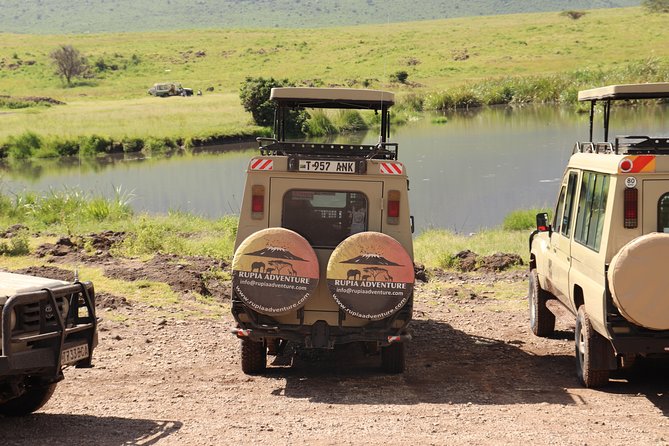
At $600 per person, the price is not a bargain-basement day trip, but it covers a lot for a two-day safari. You receive round-trip Arusha hotel transfers, park admission for both parks, meals on both days, a night in a tented camp, guiding, and transport between the stops.
The price looks strongest if you would otherwise have to arrange each piece separately. Park fees and long-distance safari transport can quickly add up, while the overnight camp saves you from booking a separate room and organizing a transfer.
Value depends on the final group arrangement. A small group or private departure makes the price easier to justify if you want more direct help from the guide and a less crowded vehicle. A full group of 15 may still be good value, but the personal feel will be different.
I would also compare what is included in the meal and camp arrangements before booking. The provided details confirm meals and a tented camp, but do not give menus, beverages, camp facilities, or room type.
Who should book this safari?
This tour suits you if you are based in Arusha, have only two days, and want to see both Tarangire and Ngorongoro without arranging the practical details yourself. It is also a good fit for first-time safari visitors who want a guide to handle park access, transport, and wildlife spotting.
Birdwatchers should pay close attention to Tarangire. The park is presented as one of Tanzania’s finest birding destinations, and its different habitat adds variety to the trip.
You may also like this route if you want a tented camp rather than a city hotel. The overnight stay gives the safari a more direct connection to the setting, although the exact camp standard should be confirmed.
I would hesitate if you dislike long days, need guaranteed private transport, or want detailed accommodation information before booking. I would also choose a longer safari if you want a slower pace or more time in each park.
The experience is rated 4.9 from eight published ratings, with repeated praise for organization, transport, accommodation, guide conduct, and animal spotting. That is a small sample, so I would treat it as encouraging rather than final proof, but the praise is consistent across the available comments.
Booking details and limits
Confirmation is provided when you book, and the activity uses a mobile ticket. Most people can participate, according to the supplied information, and the maximum group size is 15.
The experience is non-refundable and cannot be changed for any reason. If you cancel or request an amendment, the money paid is not returned.
The safari depends on suitable weather and a minimum number of people. If Rupia Adventure cancels for poor weather or because the minimum is not met, you are offered another date or experience, or a full refund.
Those rules make travel insurance worth considering, especially if your Tanzania schedule is tight. Since your own cancellation does not qualify for a refund, check your dates and hotel location carefully before booking.
FAQ
Where does the safari start?
The safari starts with pickup from your Arusha hotel. The stated start time is 8:30 a.m.
How long is the tour?
The experience lasts approximately two days. Day one is listed at about 10 hours, and day two at about eight hours.
Which parks are included?
The route includes Tarangire National Park on day one and Ngorongoro Crater on day two.
Is accommodation included?
Yes. You spend one night in a tented camp.
Are meals included?
Yes. Meals are included on both days, and breakfast is provided before the second day’s departure to Ngorongoro Crater.
Is transport included?
Yes. Round-trip transfers from your Arusha hotel are included, along with transport during the safari.
What is the maximum group size?
The maximum is 15 people. Some departures may be smaller, and one reported group had six people.
Is park admission included?
Yes. Admission tickets for Tarangire National Park and Ngorongoro Crater are included.
Can I cancel for a refund?
No. The experience is non-refundable and cannot be changed for any reason. If the operator cancels because of poor weather or an unmet minimum number of participants, you are offered a different date or experience, or a full refund.
Should you book it?
I would book this safari if you want a compact, well-organized introduction to northern Tanzania and value strong guiding over a leisurely schedule. Tarangire’s birds and seasonal game balance Ngorongoro’s dense wildlife and immense volcanic setting, while the tented camp makes the two-day plan practical.
Before paying, confirm the expected group size, the exact tented camp, and what facilities it offers. If those details work for you, $600 can be a fair price for two major parks, meals, transport, park access, and a guide in one short trip. If you want more time, more comfort, or a private vehicle guaranteed from the start, look for a longer or more tailored safari instead.
Newly listed around Arusha
- 5-Day Private Safari Tour in Tanzania’s Wildlife★ 5.0 · 3 reviews
- 3 Days private safari Tarangire ,Ngorongroro crater &Manyara★ 5.0 · 3 reviews
- 3 Day Sharing Safari – Manyara, Ngorongoro Crater and Tarangire National Parks★ 5.0 · 3 reviews
- Tarangire National Park Day Trip★ 5.0 · 3 reviews
- 6 -Day Tarangire, Manyara, Serengeti & Ngorongoro★ 5.0 · 3 reviews
- 2 Days Tarangire and Ngorongoro Crater Tour★ 5.0 · 3 reviews
- 5 Days Group Camping Safari★ 4.7 · 3 reviews
- 7-Day Mt. Kilimanjaro Hiking: Machame Route★ 5.0 · 3 reviews
Arusha Tours, compared.

Balloon Safari & Bush Breakfast in Serengeti – Miracle Experience
Read our review →






Browse the lists this tour appears in