
Reviewed · SERENGETI & NGORONGORO SAFARIS
Tarangire National Park Day Trip
Tarangire’s great draw is its large elephant herds, often numbering around 300 animals, set among baobab trees and open savannah. The park also offers lions, giraffes, buffaloes, wildebeests, zebras, and about 550 bird species. It is a strong choice when you want a full safari day without the heavier crowds found in Tanzania’s best-known parks.
I like the early 6:00 am start because it gives you a useful day in the park, and I like the small maximum of four people. The included lunchbox, bottled water, and vehicle fridge also make the long day easier. The main drawback is the 2 to 3-hour road trip each way, so you should be ready for a very full day with plenty of time in the vehicle.
Key points to know before booking
- Elephants are the main event: Tarangire has the highest elephant density in northern Tanzania, with herds that can reach about 300 animals.
- A small group keeps the safari personal: The vehicle is limited to four people, which means less crowding when viewing wildlife.
- The day begins early: Hotel pickup in Arusha is scheduled for 6:00 am, followed by a 2 to 3-hour drive to the park.
- Lunch and water are supplied: You receive a packed lunch and plenty of water, with a fridge in the back of the safari vehicle.
- Birdwatchers have plenty to watch: Tarangire is home to about 550 bird species, alongside its larger animals.
- The park works in every season: Tarangire has animal life throughout the year, helped by the Tarangire River and its seasonal marshes.
Why Tarangire works so well as a one-day safari
If you have only one day available from Arusha, Tarangire makes practical sense. You leave the city early, spend the main part of the day among wildlife, and return after roughly 12 hours. That is a long outing, but it gives you a real safari day rather than a short park visit squeezed between other plans.
The park is particularly appealing for elephant watching. Tarangire has the highest elephant density in northern Tanzania, and the herds can reach impressive numbers. You may see elephants moving across the savannah, gathered near water, or appearing beside the park’s distinctive baobab trees.
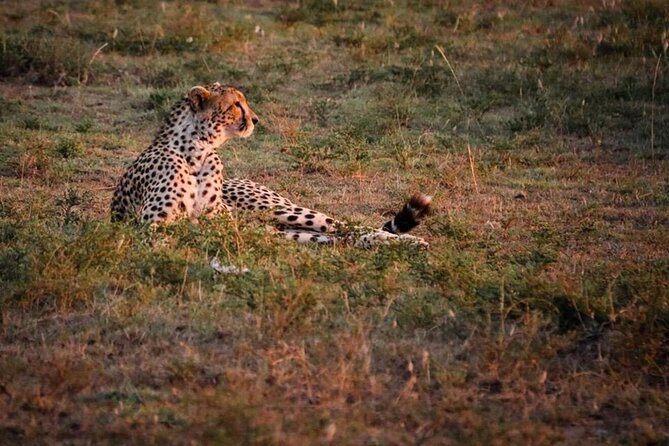
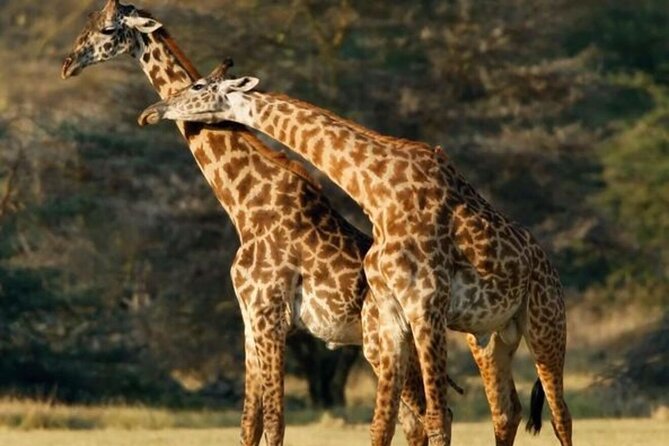
The variety is not limited to elephants. Lions, giraffes, buffaloes, wildebeests, and zebras are all part of the park’s wildlife mix. Sightings are never guaranteed, but the range of animals gives your guide plenty to look for during the game drive.
I also like that Tarangire offers a quieter alternative to Tanzania’s most famous safari areas. The appeal here is not just ticking animals off a list. You get open space, natural quiet, and a chance to watch how water, grassland, marshes, and wildlife fit together.
More National Parks in Arusha
- 7 Days Tanganyika Wilderness Safari
★ 5.0 · 159 reviews - 3 Day Serengeti National Park & Ngorongoro Crater Camping Safari
★ 5.0 · 142 reviews - Arusha National Park Private Safari
★ 5.0 · 59 reviews
The 6:00 am pickup from Arusha
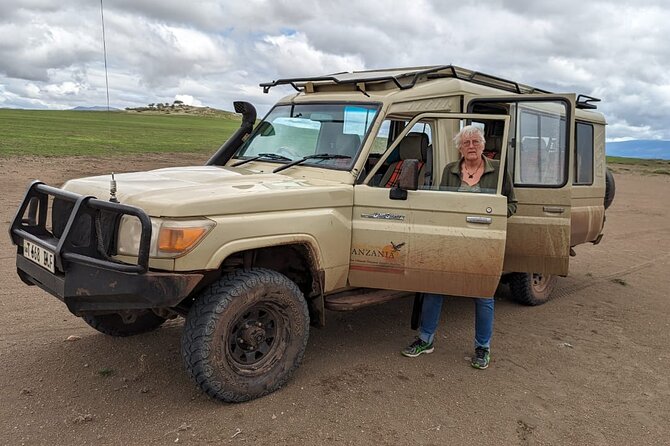
The day starts at 6:00 am with hotel pickup in Arusha. This early departure is important. The park is a few hours away, and the drive to the entrance takes about 2 to 3 hours. A later start would leave little time for wildlife viewing before the return journey.
You should have your breakfast before pickup or arrange it with your hotel if possible. The supplied lunchbox helps later in the day, but the information provided does not promise breakfast. Bring only what you need for a long outing, since the day includes a substantial amount of driving.
The trip is limited to a maximum of four people. That is a useful detail for anyone who dislikes crowded safari vehicles or wants a better chance to ask questions. A smaller group can also make it easier to adjust the pace when animals appear.
The drive from Arusha is not the main attraction, but it gives you a sense of the distance between town life and the park. You leave behind the city and spend the morning heading toward seasonal marshes, savannah, and the Tarangire River.
Reaching Tarangire and understanding its setting
Tarangire’s story includes a change from hunting to conservation. The area was once associated with big-game hunting safaris, including visits by Ernest Hemingway. After national parks were formed in 1970, the marshes and savannah became part of a protected setting where cameras replaced elephant guns.
That context matters because the park is not simply a scenic backdrop. Its wildlife depends on water and seasonal movement. The Tarangire River has water throughout the year, and the marshes help support animals when other sources become less reliable.
The park’s animal life is present throughout the year, which makes it useful for visitors who cannot plan around one narrow season. Conditions will still affect what you see, and wildlife sightings can never be promised, but Tarangire is not a place that shuts down outside a single peak period.
The dry season, including the months from July onward, is especially important to Tarangire’s wildlife pattern. The supplied information begins to describe animals gathering around the river during this period, but it does not give a complete seasonal calendar. You should treat this as a year-round park with changing conditions, not as a trip with guaranteed sightings on a fixed date.
The game drive: elephants, baobabs, and open savannah
Once inside the park, the main activity is a wildlife drive through Tarangire. Your guide will look for the animals that make the park famous, with elephants likely to be a central focus.
Baobab trees add much of the visual character. Their thick trunks and unusual shapes make the scenery memorable even when animals are not immediately nearby. The combination of baobabs, open savannah, and marshland gives Tarangire a different feel from a park defined only by grass and distant horizons.
You can expect to spend time watching animal behavior rather than simply passing through. Elephants may be feeding, walking in a line, or gathering in a large herd. Giraffes and zebras bring a different rhythm to the drive, while buffaloes and wildebeests add to the sense of a working ecosystem.
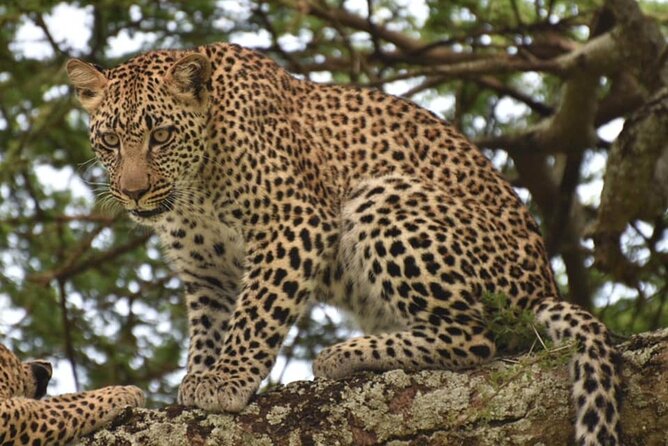
Lions are among the possible sightings, but it is important to keep expectations sensible. No safari operator can control where predators are or guarantee a particular animal. The strongest reason to choose this trip is the overall chance to see a broad mix of wildlife, with elephants and birdlife as the most reliable themes.
A python is also a possible sighting, though it would be a lucky find. That is one of the pleasures of a safari day: the smaller or less common animal can become the moment you remember best.
More Serengeti and Ngorongoro itineraries:
- Balloon Safari & Bush Breakfast in Serengeti – Miracle Experience
★ 5.0 · 1,646 reviews - 3 Days Serengeti & Ngorongoro Group Camping Safari
★ 5.0 · 574 reviews - 5-Day Highlights mid-Range Crater, Serengeti, Tarangire
★ 5.0 · 296 reviews - 3-Day Classic Serengeti Safari
★ 5.0 · 263 reviews
Birdwatching at Tarangire
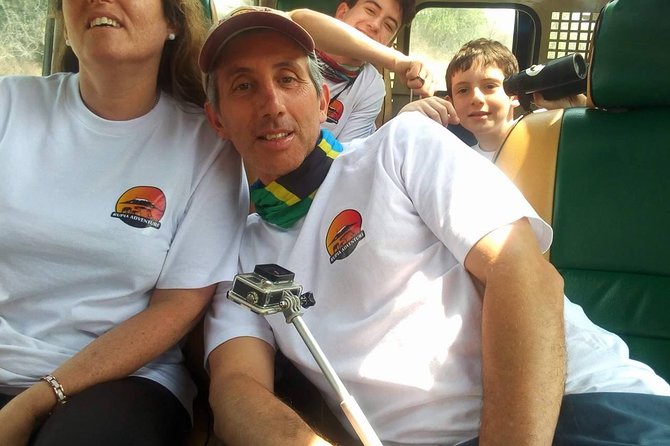
With about 550 bird species, Tarangire deserves more attention from birdwatchers than a quick list of large mammals might suggest. You will need to slow down and look beyond the obvious animals.
Birdwatching also gives the day more variety. When the vehicle is not tracking elephants or searching for lions, you can watch the trees, marshes, and open ground for movement. The park’s mix of water and dry country supports a wide range of bird habitats.
You do not need to be an expert to enjoy this part of the trip. Ask your guide to point out birds and explain how they fit into the local ecosystem. The experience description specifically emphasizes learning about the animals and the natural system around them, so this is a good opportunity to ask questions rather than treating the drive as a silent sightseeing loop.
If birds are a major reason for your visit, bring patience and pay attention to the guide’s explanations. The tour is not described as a specialist birding trip, so its strength is the mix of birdwatching and big-game viewing.
Guides Stanley, Fabiola, and the value of a small vehicle
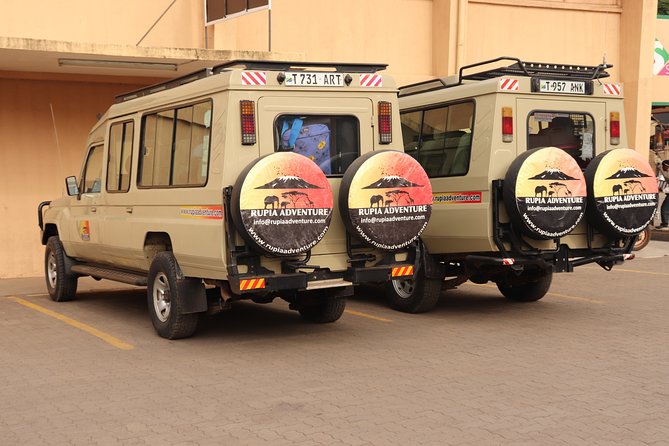
Guide quality matters on a safari because the guide shapes both what you notice and how you understand it. Guides named in connection with this operator include Stanley and Fabiola. Your assigned guide may differ, but you can expect the guide to explain the local ecosystem and the animals that live in it.
The small group size is a real advantage here. With no more than four people, you have a better setting for direct questions about animal behavior, the river, the marshes, or the park’s conservation history. You also avoid the cramped feeling that can come with a heavily loaded vehicle.
The available feedback points to strong organization and guides who explain what you are seeing. One practical example is especially useful: the guide was willing to stop at a cash machine during the drive when a passenger needed it. That does not mean every extra errand is part of the itinerary, but it suggests some flexibility when a simple problem comes up.
A safari guide cannot guarantee sightings, perfect weather, or a smooth road all day. What you can reasonably value is clear communication, attention to the group, and useful explanations. Those details make a long drive feel worthwhile.
Lunch, water, and the long return drive
A packed lunch is provided during the outing, along with plenty of water. The safari vehicle has a fridge at the back, which is a welcome practical touch during a long day in the heat.
The exact menu is not specified, so you should not book this expecting a particular meal. If you have dietary needs, confirm them before departure. The same applies to extra snacks, since the supplied information confirms lunch and water but does not list additional food.
The return to Arusha completes a day of about 12 hours. This is not a quick morning excursion. You will spend several hours on the road, plus the time required for wildlife viewing inside the park.
That schedule suits you if you want to fit Tarangire into an Arusha stay without adding overnight lodging. It may not suit you if you prefer slow travel, dislike long vehicle rides, or have only a limited amount of energy for a single outing. The value comes from getting a full national park experience in one day, not from a relaxed timetable.
Is $300 per person a fair price?
The price is $300 per person. That is a serious day-trip cost, but the figure needs to be viewed against what the day includes: hotel pickup in Arusha, transport to and from Tarangire, a safari vehicle, a guide, park access as part of the organized experience, lunch, and water.
The small maximum of four people improves the value. You are not paying for an intimate private vehicle for one person, but you are also not being placed in a large group. For a pair or small family, the arrangement can feel more personal and easier to manage.
The price is harder to justify if you mainly want a brief taste of wildlife or if the long road journey sounds tiring. A 2 to 3-hour drive each way takes up much of the day. You are paying for access to a major park and a full safari outing, not for many uninterrupted hours of animal viewing.
For someone with just one free day, the cost can make sense. You avoid arranging separate transport, meals, and park logistics, while gaining a guide and a limited-size group. If you have several days in Tanzania, compare this with longer safari plans before booking, since a single day gives you less time to adapt to changing wildlife conditions.
Who should book this Tarangire day trip?
I would point this experience toward you if elephants are high on your list. It is also a good fit if you are staying in Arusha, want a national park visit without an overnight stay, and prefer a small group.
Birdwatchers should consider it because of the park’s reported 550 species. You will get the most from the day if you are willing to watch carefully and ask the guide to explain the birds and habitats rather than focusing only on the largest animals.
This trip also suits first-time safari visitors who want the basic experience handled for them. Pickup, transport, a guide, lunch, and water are arranged, and confirmation is provided at booking.
I would pause before booking if you need a short or highly relaxed day. The 6:00 am start and long road journey are fixed parts of the experience. You should also keep your expectations realistic about lions, pythons, and any one particular animal. Tarangire offers strong wildlife potential, but nature sets the schedule.
Free cancellation is available up to 24 hours before the start time for a full refund. Within 24 hours, cancellations and changes are not accepted for a refund. The trip also depends on suitable weather and a minimum number of participants. If the operator cancels for either reason, you are offered another date or experience, or a full refund.
My advice on booking
Book this Tarangire trip if you want a practical, small-group safari from Arusha and your main targets are elephants, baobabs, and a broad mix of wildlife. The included lunch and water remove some of the usual fuss, while the four-person limit gives the day a more personal feel.
I would choose it with the understanding that the road time is substantial. The best value comes when you see the trip as a complete 12-hour national park outing, not as a short wildlife tour. If that trade-off works for you, Tarangire offers a strong one-day introduction to Tanzania’s wildlife and a quieter alternative to more crowded parks.
FAQ
Where does the Tarangire National Park day trip start?
The trip starts with pickup from your hotel in Arusha.
What time is hotel pickup?
The scheduled start time is 6:00 am.
How long is the trip?
The experience lasts approximately 12 hours.
How long is the drive from Arusha to Tarangire?
The drive to Tarangire National Park takes about 2 to 3 hours.
How many people can join the tour?
The tour has a maximum of four participants.
What animals might I see?
Possible wildlife includes elephants, lions, giraffes, buffaloes, wildebeests, zebras, and pythons.
Is Tarangire good for birdwatching?
Yes. The park is described as being home to about 550 bird species.
Is lunch included?
Yes. A packed lunchbox and water are provided.
Is water kept cold during the trip?
The safari vehicle has a fridge at the back, and water is provided for the journey.
Can I cancel for a full refund?
Yes, if you cancel at least 24 hours before the experience start time. Cancellations within 24 hours are not refundable.
More day trips in Arusha
- Materuni Waterfalls & Chemka Hotsprings Day Trip
★ 5.0 · 214 reviews - Materuni waterfalls coffee tour & Chemka hot springs Day trip
★ 5.0 · 131 reviews - Ngorongoro Crater Day Trip
★ 5.0 · 72 reviews - From Arusha/Moshi: Kilimanjaro Hike Marangu Route Day Trip
★ 4.5 · 54 reviews
Newly listed around Arusha
- 5-Day Private Safari Tour in Tanzania’s Wildlife★ 5.0 · 3 reviews
- 3 Day Sharing Safari – Manyara, Ngorongoro Crater and Tarangire National Parks★ 5.0 · 3 reviews
- 3 Days private safari Tarangire ,Ngorongroro crater &Manyara★ 5.0 · 3 reviews
- 6 -Day Tarangire, Manyara, Serengeti & Ngorongoro★ 5.0 · 3 reviews
- 2 Days Tarangire and Ngorongoro Crater Tour★ 5.0 · 3 reviews
- 5 Days Group Camping Safari★ 4.7 · 3 reviews
- 7-Day Mt. Kilimanjaro Hiking: Machame Route★ 5.0 · 3 reviews
- 4 Days Tanzania Safari★ 4.5 · 3 reviews
Serengeti & Ngorongoro Safaris, compared.


Balloon Safari & Bush Breakfast in Serengeti – Miracle Experience
Read our review →




Private 6-Day Tarangire Manyara Crater and Serengeti with Mid-Range Lodges
Read our review →
5 Days Camping Tarangire, Serengeti & Ngorongoro crater & Visiting Maasai
Read our review →Browse the lists this tour appears in