
Reviewed · SERENGETI & NGORONGORO SAFARIS
7-Days Private Midrange Safari; Serengeti & Ngorongoro Crater
The big draw here is variety. In seven days, you move from a ranger-led walk on the slopes of Mount Meru to bicycle trails near Lake Manyara, then on to the open plains of the Serengeti and the wildlife-packed Ngorongoro Crater. You get a real mix of Tanzania, not just long hours in a safari jeep.
I like that meals, park fees, transport, camping gear, and airport transfers are bundled into the price. I also like the small touches: a ranger-led walking safari, a Maasai village visit, binoculars for each client, and a 4×4 with a pop-up roof and charging ports. Chef Mike earns special credit for making excellent meals during the camping portion.
The main thing to clarify before paying is the tour format. It is described as a group camping trip, but the booking details also call it a private activity for your own party. The accommodation level may also vary, from tented camps to midrange lodges, so ask exactly where you will sleep each night.
Key points to know before booking
- Arusha National Park begins the trip with a walking safari, a fine change from sitting in a vehicle all week.
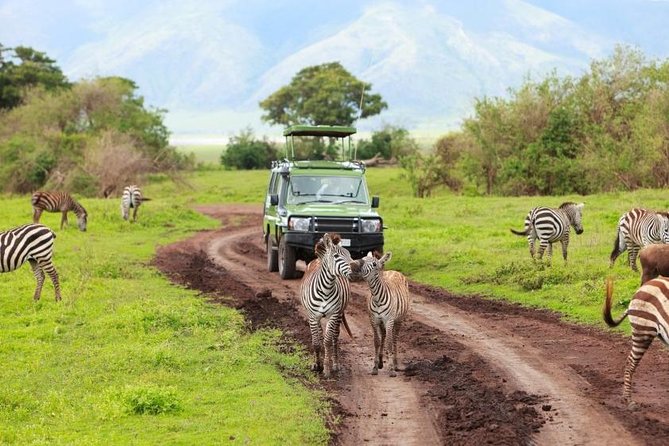
- The Serengeti gets two full game-drive days, including an early morning outing when predators are still active.
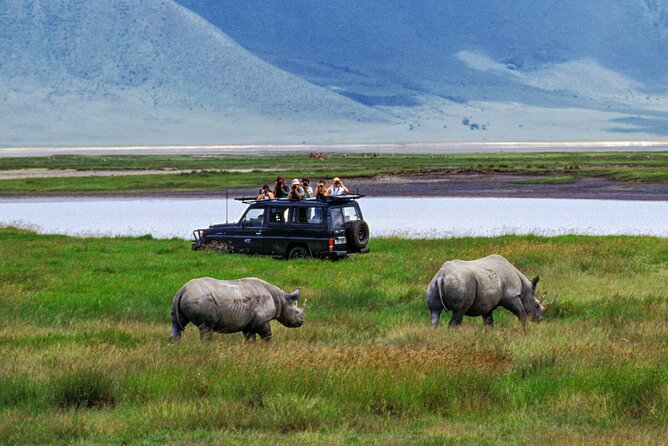
- Ngorongoro Crater is visited early, giving you a useful chance to look for black rhinos before the crater becomes busier.
- Lake Manyara is reached by bicycle from Mto wa Mbu, with a tuk-tuk available for anyone who cannot ride.
- Meals are cooked and served warm, rather than handed out as dry boxes, with chef Mike praised for his cooking.
- The $3,589.34 price covers most major safari costs, but visas, insurance, personal spending, and gratuities are extra.
What this seven-day safari is really offering
This is a northern Tanzania circuit with a lot packed into one week. You visit Arusha National Park, Lake Manyara National Park, the Serengeti National Park, the Ngorongoro Conservation Area, and Ngorongoro Crater.
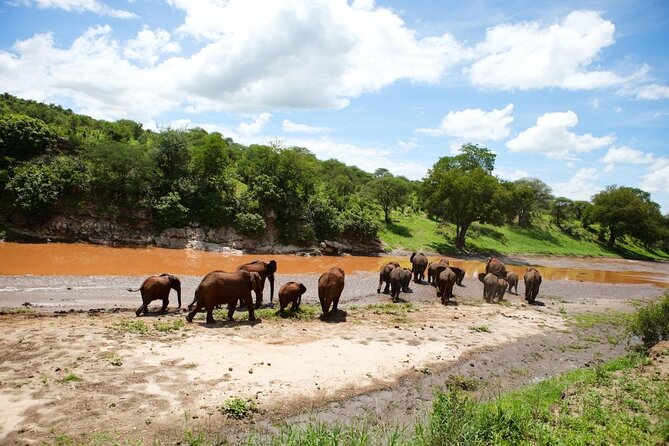
The route works because each place offers a different kind of experience. Arusha gives you walking and mountain views. Lake Manyara adds cycling and local culture. The Serengeti provides the classic open-country safari. Ngorongoro brings you into a contained wildlife area where many animals can be seen in a single day.
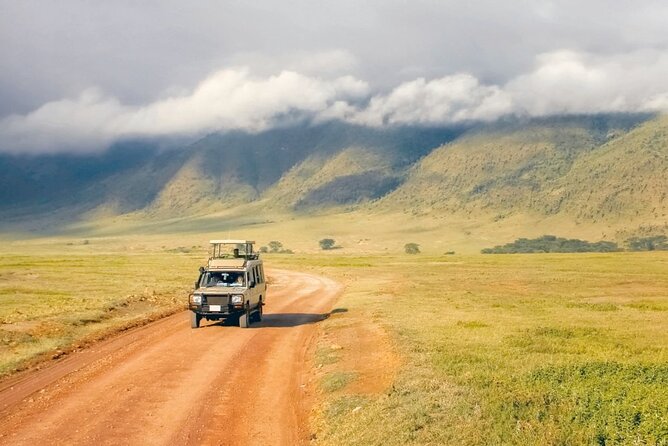
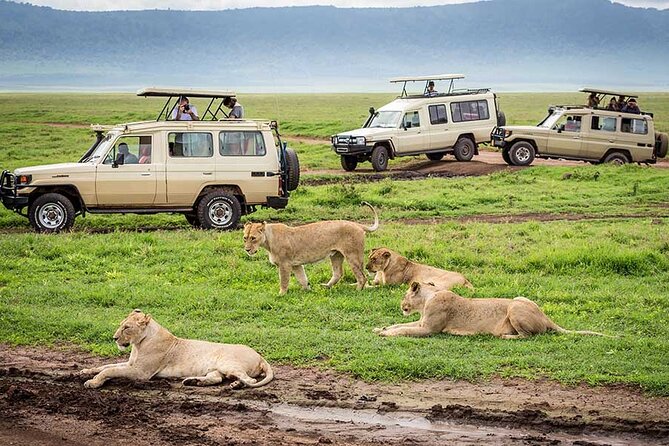
You are not organizing tent rental, park permits, meals, or transfers on the road. Your safari driver and guide handle the transport in an air-conditioned 4×4 Land Cruiser with a pop-up roof, cooler fridge, and charging ports. That matters in Tanzania, where distances are long and park logistics can take time.
The itinerary is active. Several days run for seven or eight hours, and the trip includes early starts, game drives, a walking safari, and a bicycle excursion. You should be comfortable with changing accommodation and spending much of the day outside.
More Safaris in Arusha
- Balloon Safari & Bush Breakfast in Serengeti – Miracle Experience
★ 5.0 · 1,646 reviews - 4 Days Group Camping Safari
★ 5.0 · 1,101 reviews - 5 Days Group Camping Safari
★ 5.0 · 730 reviews
Day 1: A walking safari beneath Mount Meru
After breakfast, the drive from Arusha to Arusha National Park takes about 45 minutes. That short transfer is a pleasant way to begin, since you reach the park without spending your first day on a long road journey.
Arusha National Park sits around Mount Meru, Tanzania’s second-highest mountain. The day begins on foot with an armed park ranger. This is one of the most useful parts of the schedule because a walking safari changes how you notice the bush. In a vehicle, you scan for large animals. On foot, you pay closer attention to tracks, sounds, plants, and distance.
Possible sightings include giraffes, warthogs, buffaloes, and zebras. Waterfalls and mountain views add scenery beyond the animals. You are not promised a Big Five checklist here, but that is not the point. Arusha National Park gives you a quieter introduction to Tanzania and lets you experience nature at ground level.
Later, the 4×4 visits the hippo pool and Lake Momella. The lake is known for its flamingos, and the route also includes a famous fig tree and a view toward Little Ngorongoro. The day lasts about eight hours, so it is a full opening day rather than a gentle half-day outing.
My practical advice is to treat this as a wildlife and scenery day, not a substitute for the Serengeti. The walking component is the special feature. Bring closed shoes, sun protection, and water, even though drinking water is included in the tour.
Day 2: Bicycles, Lake Manyara, and a Maasai village
Day two begins after breakfast with a short briefing before you ride from Mto wa Mbu toward Lake Manyara. The stated start time is about 8:45 a.m. This is a welcome change after the first day in a vehicle.
The bicycle route gives you a slower view of the area. Along the way, you may see zebras, wildebeest, antelopes, and gazelles, along with views toward Lake Manyara. The experience is not only about reaching the park. It is about moving through the surroundings under your own power.
You do not need to be a confident cyclist to consider this trip. A tuk-tuk is provided at no extra charge for older participants and anyone unable to ride. Still, ask how much of the route you are expected to cycle if you have mobility concerns, since the schedule is built around a bicycle excursion.
Lunch and a rest break are planned from noon until about 1:45 p.m. After that, you visit a Maasai village. The cultural stop focuses on daily life and traditional activities. This adds human context to a safari that could otherwise become a steady sequence of wildlife sightings and vehicle rides.
You then continue by safari vehicle to Jungle Pearl Resort for the night. The day lasts about eight hours, but it is less demanding than a full day of game drives. It also gives you a chance to meet local people in a setting connected to the region rather than only viewing Tanzania through a park gate.
Day 3: The road to the Serengeti
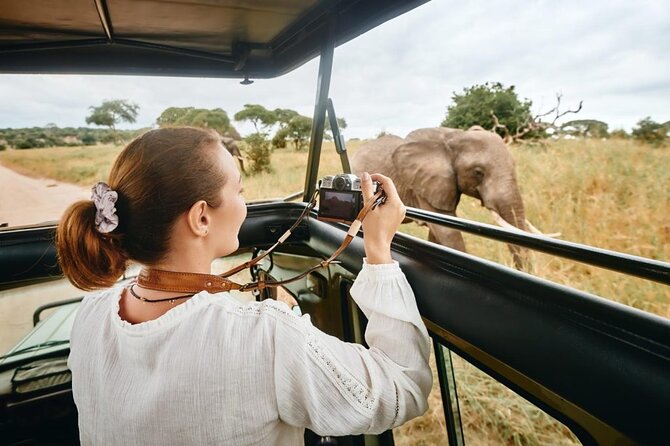
After breakfast, departure for the Serengeti is scheduled between 8:45 and 9:00 a.m. The transfer is long, but the route includes one of the trip’s best viewpoints: a 15 to 20 minute stop above Ngorongoro Crater.
The crater viewpoint is brief, so do not expect a full visit on this day. It is enough time to take in the scale of the volcanic bowl and prepare for the crater visit later in the trip. Have your camera ready before you arrive, since the stop is designed as a short pause rather than a long walk.
You continue toward Serengeti Nabi Gate and arrive in time for lunch. After a break to stretch your legs, the afternoon game drive begins. The schedule includes a sunset drive while you make your way toward your accommodation inside the Serengeti.
This is an important design choice. Instead of spending the entire day on a direct transfer and waiting for the next morning, you begin wildlife viewing as soon as you enter the park. The Serengeti covers about 1.5 million hectares, so the drive itself can reveal how quickly the scenery changes across the park.
A Maasai boma visit is listed as an optional activity. It is separate from the included Maasai village visit on day two, so ask your operator about the added cost and exact timing before choosing it. Optional activities can be worthwhile, but you do not want one to reduce your best game-drive hours.
More Serengeti and Ngorongoro itineraries:
- 3 Days Serengeti & Ngorongoro Group Camping Safari
★ 5.0 · 574 reviews - 5-Day Highlights mid-Range Crater, Serengeti, Tarangire
★ 5.0 · 296 reviews - 3-Day Classic Serengeti Safari
★ 5.0 · 263 reviews - Private 6-Day Tarangire Manyara Crater and Serengeti with Mid-Range Lodges
★ 5.0 · 238 reviews
Day 4: Two Serengeti game drives in one day
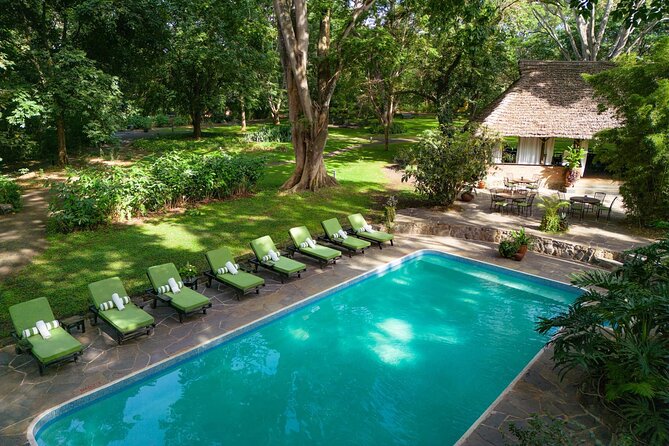
Day four is the classic safari day. You leave early for a morning game drive, when the park is quieter and nocturnal predators may still be finishing a hunt. Sunrise also brings softer light and cooler conditions.
The schedule specifically allows for the possibility of seeing lions during active hunting. No safari can guarantee a particular sighting, but an early departure gives you a better setting for predator activity than a late morning start.
After the morning drive, you return to the lodge or camp for breakfast. A second drive follows in the afternoon and continues until late afternoon, with the night at Moyo Tented Camp. The total activity time is listed at seven to eight hours.
I like this split because it gives you both a cool morning outing and a proper break. A full day in a safari vehicle can become tiring, especially on rough park roads. Returning for breakfast gives you a chance to eat, rest, charge a phone, and reset before the second drive.
Bathrooms are available at gates and picnic sites. That is a small detail, but it matters on long drives. You should still use facilities whenever you stop, since the distance between official sites can be substantial.
The accommodation wording deserves attention here. The trip is described as midrange, but the specific names include tented camps. Ask if your tent has a private bathroom and what level of furnishings to expect. The difference between a permanent tented camp and basic camping is significant, especially after an early start.
Day 5: Leaving the Serengeti for Ngorongoro
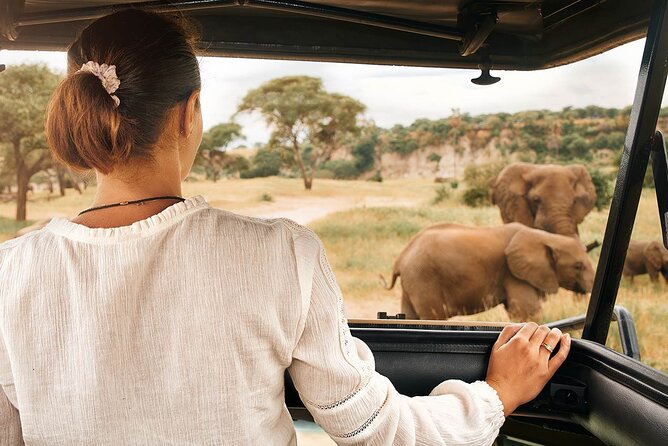
The fifth day begins with another early sunrise game drive. This gives you one more chance to see the Serengeti before the route turns toward Ngorongoro Conservation Area.
After the drive, you return for breakfast. Lunch is planned at Naabi Gate, followed by transit game viewing on the way to your overnight accommodation near Ngorongoro. You should reach the accommodation in the early evening, with time for dinner and sunset.
This day is partly about moving between regions, so it does not offer the same amount of dedicated wildlife time as day four. That is the trade-off for fitting both the Serengeti and Ngorongoro into one seven-day route.
An optional upgrade to Ngorongoro Serena Hotel is available for an extra charge. The reason to consider it is the view over the crater. If the sight of the crater from your accommodation matters to you, ask for the exact upgrade price and room arrangement. If you would rather keep costs down, the included accommodation may be the better value.
Day 6: Descending into Ngorongoro Crater
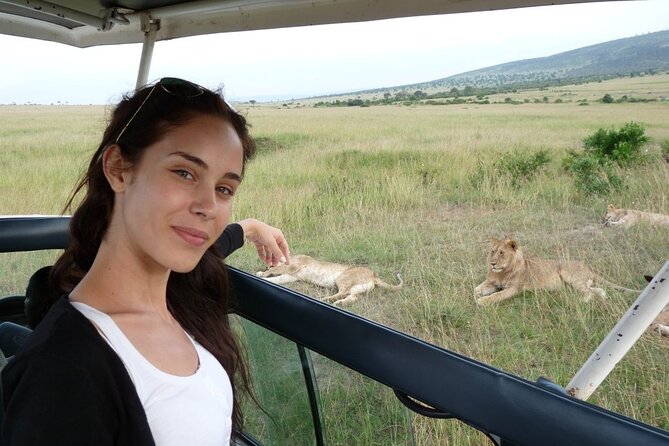
This is likely to be the most concentrated wildlife day of the trip. You leave between 6:30 and 7:00 a.m. and descend into Ngorongoro Crater in the open-roof 4×4.
The crater floor sits within a bowl roughly 600 to 650 meters high. Its contained setting can make it easier to see a range of animals in one outing, though sightings still depend on season, weather, and luck.
The early start has a clear purpose: it gives you a better chance of seeing black rhinos before the day becomes busier. The morning light is also attractive for photography, and the cooler air is more comfortable than midday heat.
Lunch is served as a picnic near the hippo pool. This is a memorable setting, but you should follow your guide’s instructions closely and keep a sensible distance from the water. Hippos look slow and calm, but they are powerful wild animals.
The afternoon continues with more game viewing before you leave the crater and return to your accommodation. Park gates and picnic sites provide bathroom stops. The day lasts about eight hours, so plan on a full outdoor day with limited time for anything else.
Day 7: Returning to Arusha and the airport
The last morning begins with breakfast in Arusha, followed by a transfer to either Arusha Airport or Kilimanjaro International Airport. The final transfer is listed at about six hours, which is a substantial amount of time and should be considered when arranging flights.
Airport transfers are included, as is free luggage storage. That is useful if you have a gap before a flight or plan to continue elsewhere in Tanzania.
Do not book a tight same-day international connection without confirming the pickup time and road conditions with African Polecat Safaris. The itinerary gives a broad duration rather than a fixed arrival time, and the drive to Kilimanjaro International Airport can be long.
What the $3,589.34 price covers
At $3,589.34 per person, this is not a budget safari. The value comes from how many major costs are included:
- National park entry fees and government taxes
- Six breakfasts, six lunches, and six dinners
- Midrange lodge or camp accommodation
- Warm meals, water, wine, and beer
- Air-conditioned 4×4 transport
- A professional safari driver and guide
- Binoculars for each client
- Airport transfers
- Luggage storage
- All listed activities unless marked optional
Park fees alone can make northern Tanzania expensive. Add several nights of accommodation, fuel for long drives, meals, staff, and a proper safari vehicle, and the package becomes easier to assess. For someone who wants one payment to cover the main logistics, the price can be reasonable.
It is less attractive if you already have accommodation or want a very basic camping trip. You are paying for convenience, a private or small-party arrangement, and a midrange standard rather than the lowest possible rate.
Gratuities, personal expenses, visas, and travel insurance are not included. Build those into your actual budget. Also confirm the drinks policy if wine and beer matter to you, since the package lists them as included but does not explain when or how they are served.
Food, camping, and comfort on the road
Warm meals are a real advantage. Safari days can be dusty and tiring, and sitting down to a cooked dinner feels much better than relying on packed food every night.
Chef Mike is specifically associated with excellent cooking during the camping portion. That detail matters because food quality can shape your whole impression of a long safari. Ask whether Mike will be with your group for all camping nights or only certain parts of the route.
The accommodation is called midrange, but the itinerary uses several terms: lodges, tented camps, and camping. Those can mean very different things. Ask these questions before departure:
- Which accommodation is planned for each night?
- Are bathrooms private or shared?
- Is bedding supplied?
- How many people share each tent or room?
- Does the group help with tents, or does the crew handle setup?
The tour states that the crew organizes camping equipment, food, and transport. That makes it easier than carrying your own camping kit, but it does not necessarily mean hotel-style comfort every night.
Private booking or group safari?
The tour highlights group travel as a way to keep costs down. At the same time, the additional details say this is a private activity and only your group will participate.
That difference matters. A private trip usually gives you more control over photo stops, pace, and daily rhythm. A group trip can reduce cost and make the long drives more social. Since both descriptions appear, get written confirmation of the arrangement before booking.
Ask how many people will share the vehicle, whether the quoted price changes with group size, and whether your party can request a private vehicle. These details affect comfort more than the number of parks on the schedule.
Who will enjoy this safari most?
I would point this trip toward someone who wants the major northern Tanzania sights in one organized package. It suits you if you want wildlife, some cultural contact, and a little physical activity without arranging each hotel, permit, meal, and transfer yourself.
It is also a good fit if you like variety. You will not spend every day in the same type of vehicle activity. The walking safari and bicycle outing break up the game drives, while the Maasai village visit adds a human element.
You may want another option if you dislike early mornings, rough roads, or changing accommodation. The schedule is busy, and the long transfers between parks leave limited free time.
It may also be a poor match if you want a luxury lodge safari. The midrange label and tented-camp names suggest practical comfort, not high-end rooms at every stop. The Ngorongoro Serena upgrade can improve one night, but it does not turn the whole trip into a luxury itinerary.
Booking advice and final decision
I would book this safari if you want a broad first look at northern Tanzania and value having the major costs handled in advance. The combination of Arusha walking, Lake Manyara cycling, Serengeti game drives, and a full Ngorongoro Crater day gives you more range than a simple point-to-point wildlife trip.
Before booking, confirm the private versus group format, the exact accommodation list, the camping setup, and the airport transfer timing. Those are not minor details. They determine how comfortable the trip feels and how easily it fits your flights.
The cancellation policy allows a full refund if you cancel at least 24 hours before the start time. Changes or cancellations inside that window are not refunded, so check your plans carefully.
Book it if you want an active, well-organized safari with warm meals and strong wildlife potential. Pass on it if you need guaranteed luxury, a slow pace, or complete clarity about room standards before you pay.
FAQ
Where does the safari start?
The stated meeting point is Arusha Center Inn on Pangani Street in Arusha. Pickup is offered, and the tour also includes roundtrip airport transfer.
Which national parks and areas are included?
The route includes Arusha National Park, Lake Manyara National Park, Serengeti National Park, the Ngorongoro Conservation Area, and Ngorongoro Crater.
Are park fees and meals included?
Yes. Park fees, government taxes, six breakfasts, six lunches, and six dinners are included. Warm meals, water, wine, and beer are also listed as included.
Is this a private tour or a group tour?
The experience is promoted as a group camping trip, while the additional details describe it as a private activity for only your group. Confirm the exact arrangement with African Polecat Safaris before booking.
Is the bicycle ride suitable for people who cannot cycle?
A tuk-tuk is available at no extra cost for people who are unable to use or ride a bicycle. Ask the operator about the exact cycling distance if you have mobility concerns.
What is not included in the price?
Gratuities, personal expenses, visa costs, and travel insurance are not included. The upgrade to Ngorongoro Serena Hotel and the Maasai boma visit are also optional and may cost extra.
Newly listed around Arusha
- 5-Day Private Safari Tour in Tanzania’s Wildlife★ 5.0 · 3 reviews
- 3 Days private safari Tarangire ,Ngorongroro crater &Manyara★ 5.0 · 3 reviews
- 3 Day Sharing Safari – Manyara, Ngorongoro Crater and Tarangire National Parks★ 5.0 · 3 reviews
- Tarangire National Park Day Trip★ 5.0 · 3 reviews
- 2 Days Tarangire and Ngorongoro Crater Tour★ 5.0 · 3 reviews
- 6 -Day Tarangire, Manyara, Serengeti & Ngorongoro★ 5.0 · 3 reviews
- 5 Days Group Camping Safari★ 4.7 · 3 reviews
- Private 4×4 Vitara Safari in Arusha National Park★ 5.0 · 3 reviews
Serengeti & Ngorongoro Safaris, compared.


Balloon Safari & Bush Breakfast in Serengeti – Miracle Experience
Read our review →




Private 6-Day Tarangire Manyara Crater and Serengeti with Mid-Range Lodges
Read our review →