
Reviewed · ARUSHA TOURS
9 Days Safari To See Great Migration Crossing
The great drama here is the chance to follow wildebeest and zebra migration routes across Serengeti country, where lions, cheetahs, hyenas, and crocodiles wait for an opening. The route also gives you a broad taste of northern Tanzania, from Arusha’s forest and lakes to Tarangire’s elephant country and the wildlife-packed Ngorongoro Crater.
I like the private format, which lets your group shape the pace with the guide, and I like the range of habitats packed into nine days. David is noted for quick communication and custom planning, while guides named Ziggy and Tom received particular praise for guiding, navigation, service, and vehicle care. The main drawback is the driving: this is an active safari with long road sections, early starts, and no guarantee that a river crossing will happen during your dates.
Key points to know before booking
- Migration focus: Days in Serengeti are planned around the current location of the herds, not a fixed route.
- Five major wildlife areas: Arusha National Park, Tarangire, Lake Manyara, Serengeti, and Ngorongoro are included.
- Private vehicle and group: Only your party takes part, giving you more control over stops and game-drive timing.
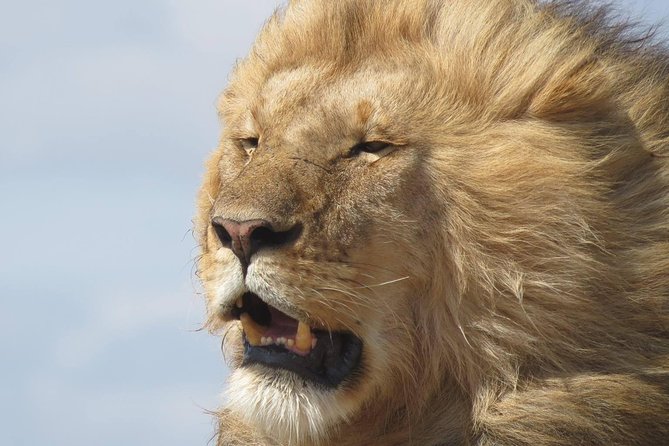
- Big Five potential: The itinerary specifically targets lion, leopard, elephant, buffalo, and rhinoceros.
- Flexible accommodation: Lodge, luxury tented-camp, and budget camping options are available.
- Most meals included: Breakfast, lunch, dinner, snacks, drinks, wine, soft drinks, taxes, fees, and private transport are included. Tips are extra.
What the nine-day route is really designed to do
At $4,846.16 per person, this is a major purchase. The value depends less on one spectacular sight and more on how much ground and variety the package covers. You are not spending nine days in a single park. You move through five distinct areas, with three nights planned in the Serengeti region and time at both the beginning and end for smaller parks and Ngorongoro.
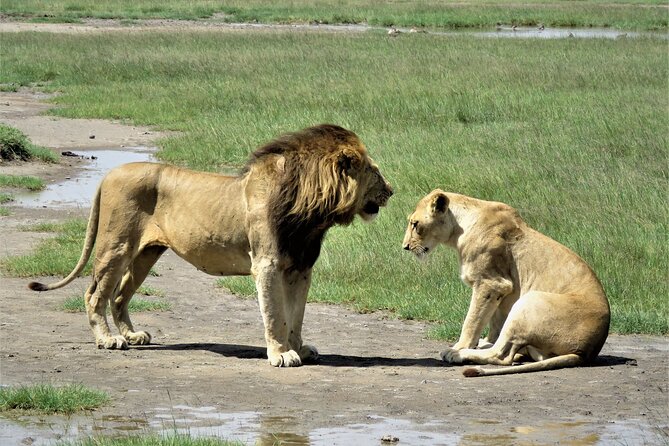
That variety matters. Tarangire can offer strong wildlife viewing in the dry season, Lake Manyara adds forest, waterbirds, and a compact game-drive setting, while Serengeti gives you the wide plains and predator action associated with the migration. Ngorongoro then provides a concentrated final wildlife day inside a volcanic caldera.
The private setup is another important part of the price. You are not sharing the vehicle with strangers, and the guide can respond to your group’s interests. If one person wants birds and another wants big cats, that flexibility is useful. It also makes the long driving days easier to manage as a small party.
The package offers different accommodation levels, so ask for the exact names and locations before paying. The quoted cost can feel very different depending on whether you choose lodges, luxury tented camps, or budget camping. Some bookings described a mid-range style, while another used Nimali Camp in Tarangire and Serengeti. Confirm your own accommodation plan in writing.
More Safaris in Arusha
- Balloon Safari & Bush Breakfast in Serengeti – Miracle Experience
★ 5.0 · 1,646 reviews - 4 Days Group Camping Safari
★ 5.0 · 1,101 reviews - 5 Days Group Camping Safari
★ 5.0 · 730 reviews
Day 1: Arusha National Park gives you a gentle start
The safari begins with pickup in Arusha and a short drive of about 38 kilometers on a paved road to Arusha National Park. The day combines a game drive area with forest, Momella Lakes, and Ngurdoto Crater, making it a useful first introduction rather than a simple transfer day.
The four-hour walking safari with an armed ranger is the unusual feature. You leave the vehicle for a closer look at the smaller details of the park, including birds and signs of wildlife. It is a different kind of safari from sitting in a vehicle all day, and it gives the first day a more active feel.
Momella Lakes are especially good for birdwatching. Flamingos, pelicans, little grebes, herons, ducks, and waders may be seen around the water, while turacos, eagles, Hartlaub’s turacos, and other species add interest in the forest and open areas. More than 400 bird species are recorded in the park.
One practical point needs clearing up before departure. The itinerary gives a 7:30 a.m. hotel pickup, while the general meeting information gives an 8:30 a.m. start. Ask the operator for the final pickup time. You will also want to know if lunch is packed and how the walking portion fits into the day.
Day 2: Tarangire brings elephants, birds, and a seasonal river
After breakfast, you drive from Arusha to Tarangire National Park. Tarangire is known for strong wildlife viewing during the dry period from June through September, when animals gather near the Tarangire River.
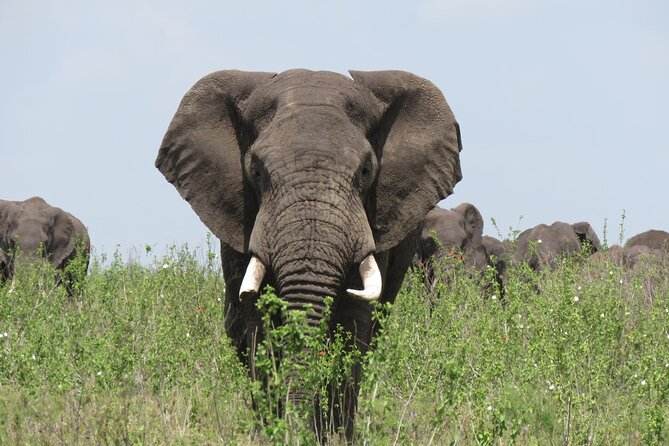
The park can be particularly rewarding for large herds. Wildebeest, buffalo, and oryx move toward water, and predators such as lions and leopards follow. The itinerary also points to more than 500 bird varieties, so this is not just a big-mammal stop.
You have lunch, then a late-afternoon game drive before going to your overnight accommodation. That timing is useful because the cooler part of the day often gives you better conditions for sitting quietly in the vehicle. It also means the first full park day is not rushed from dawn to dusk.
Tarangire’s dry-season strength is also a planning issue. If your trip falls outside June to September, the park may still be worthwhile, but the particular concentration around the river should not be treated as guaranteed. Ask how the route will be adjusted for your travel dates.
Day 3: Lake Manyara mixes forest, hot springs, and waterbirds
The drive to Lake Manyara National Park covers about 40 kilometers on a paved road before the afternoon game drive. The route through the park moves from underground water forest to acacia woodland and open savanna, then on toward the lake and a hot-water spring.
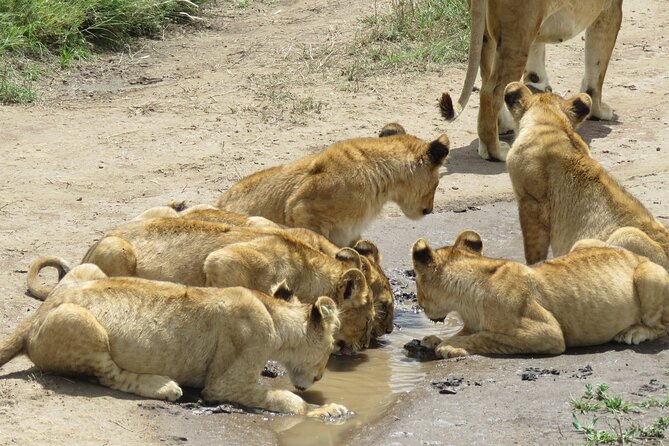
That change in scenery makes Lake Manyara a good contrast to Tarangire. You may see elephants, zebra, buffalo, giraffe, hippo, baboon, blue and vervet monkeys, warthog, and other animals. The park is also associated with tree-climbing lions, though no wildlife sighting can be promised.
Lake Manyara is a strong stop for birds. Flamingos and other waterbirds gather near the lake, and about 350 bird species have been recorded here. A picnic lunch is included, followed by dinner and an overnight stay.
The limitation is time. This is listed as an afternoon game-drive day, so you will not have the same long viewing window as on the full Serengeti days. I would treat Manyara as a compact sampler of forest, lake, and savanna, not as the main event of the trip.
A change of scene while you are in Arusha:
- Tanzania Classic – 7 Days
★ 5.0 · 1,151 reviews - Materuni Waterfalls, coffee tour & Kikuletwa Hot Springs
★ 5.0 · 643 reviews - 3 Days Serengeti & Ngorongoro Group Camping Safari
★ 5.0 · 574 reviews - 7-Day Premium Luxury Tanzania Safari All-Inclusive
★ 5.0 · 426 reviews
Day 4: The road to Serengeti passes through human history
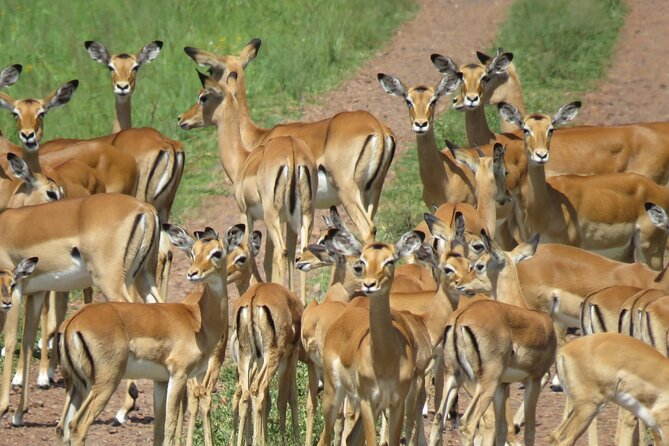
After an early breakfast, you head toward Serengeti National Park through the Ngorongoro Conservation Area. There is an option to visit Olduvai Gorge, a site linked with hominid remains dating back about two million years and often called the cradle of humankind.
Olduvai adds a cultural and scientific layer to a wildlife trip. It also takes time, so ask whether the visit is included in your final plan and how it affects the drive and game viewing. The day is already a substantial transfer into Serengeti.
Once you reach the park, the focus shifts to the plains, predators, big game, migration routes, and Nile crocodiles. The plan calls for an evening arrival at camp or lodge around sunset, followed by dinner. This is one of the days when comfort and patience matter. A long ride is part of reaching the central story of the safari.
Days 5 and 6: Two full Serengeti days improve your odds
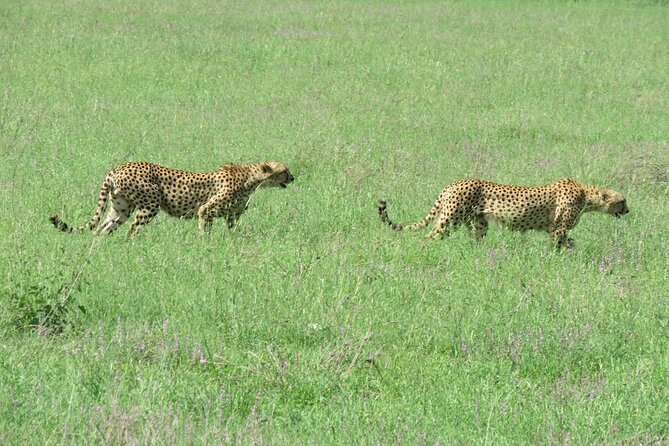
Day 5 is built around morning and afternoon game drives. The guide explains the scenery, changing light, and wildlife as you travel, with either a picnic or hot lunch option listed for midday. The afternoon drive continues until sunset before you return for dinner and overnight accommodation.
This full-day pattern is one of the strongest parts of the trip. You have time to stop when something interesting appears instead of treating every sighting as a quick photograph. You can also experience the Serengeti at different times of day, when animal behavior and light change.
Day 6 adds another morning and afternoon drive, then moves toward the northeastern Lobo area. Lobo is described as part of the main path used by the Serengeti wildebeest migration. This is valuable because migration viewing depends on location, and the operator can move you toward the area where the herds are expected to be.
Still, you should read the phrase follow the migration paths carefully. The herds do not follow a timetable made for visitors. Rain, grazing, and river conditions influence their movement. The itinerary can put you in migration country, but a mass crossing is a possibility, not a scheduled performance.
Day 7: The crossing day comes with a clear warning
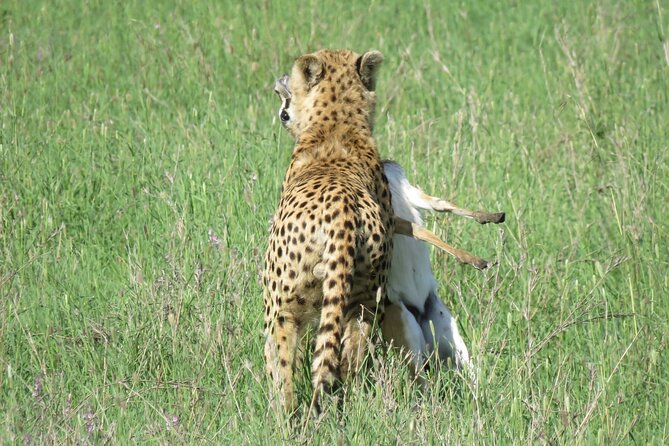
The seventh day follows the migration routes, with a packed lunch and a full day in the Serengeti ecosystem. The scale described is enormous: about 1.5 million wildebeest and 500,000 zebras moving through the wider region.
This is the day aimed most directly at the great migration experience. You may find herds on the move, predators nearby, and crocodiles in the rivers. The natural drama comes from the risks faced by the animals, not from a staged event. Some crossings can be chaotic and sudden, while others may not occur near your vehicle at all.
That uncertainty is important. If your only goal is to watch a famous river crossing, you should not book this as a guarantee. If you want several Serengeti days that give you a reasonable chance to encounter migration activity along with regular game viewing, the structure makes more sense.
The day ends with an early-evening drive to dinner and overnight accommodation. Carrying a packed lunch is practical, since waiting and repositioning can take up much of the day.
Day 8: Return toward Ngorongoro with one last Serengeti look
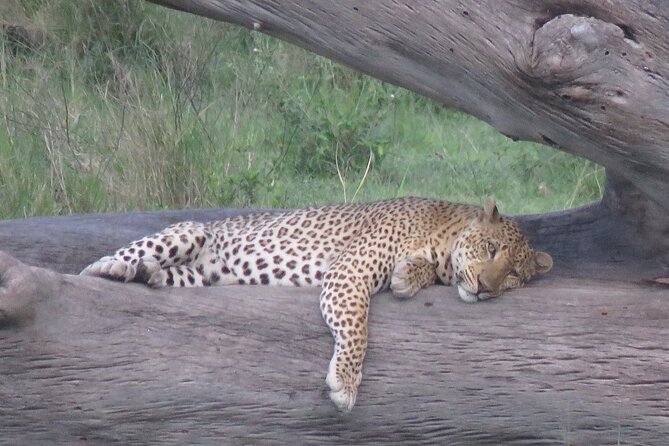
Day 8 starts with an early-morning game drive in Serengeti. You then return to camp for breakfast, check out, and drive toward the Ngorongoro Crater rim with lunch and game viewing along the way.
This is another long day, but the route does not simply abandon Serengeti after the main migration focus. The morning drive gives you one more chance to see wildlife before the road climbs toward the crater rim.
Overnighting at the rim sets up the final day well. You do not need to make the full approach from Arusha before descending into the crater, so the schedule gives you a better chance of getting down early. Confirm the exact accommodation, since rim locations can affect the morning departure time and road distance.
Day 9: Ngorongoro Crater packs a lot into one final drive
The last morning begins with breakfast and a descent into Ngorongoro Crater for game viewing. The caldera is presented as a place where the Big Five may be found: rhinoceros, lion, buffalo, elephant, and leopard.
The crater floor also supports zebra, hippo, wildebeest, hyena, and many other animals. Birdlife includes flamingos on the soda lake, geese, storks, and vultures. Lunch is served at the picnic site near Ngoitoktok Swamp, a hippo pool, before you drive back to Arusha.
This is a fitting final day because the crater offers a concentrated wildlife setting after the broad distances of Serengeti. The tradeoff is that it can feel busy and tightly scheduled compared with the open-ended hours of a private Serengeti drive. You have a lot to see, but less freedom to wander far from the planned route.
Guides, vehicles, and the private format
The company is Kili Slope Tours and Safaris Ltd. David is the main contact described in the supplied information, and the planning process can include changing accommodations and arranging airport transfers. If your guide is Ziggy, you can expect a strong focus on navigation and game drives based on the details provided. Tom is also specifically praised for service, vehicle quality, and keeping cold drinks available.
Because guide assignments can change, ask who will lead your departure. The private format means only your group participates, not a mixed vehicle. That is useful for families, honeymooners, and groups with different interests, though it can cost more per person than a shared safari.
Private does not mean short driving days. The route covers a large part of northern Tanzania, and several days combine game viewing with major road transfers. Bring patience for the vehicle time and use the flexibility to tell the guide what matters most to you.
What the price includes, and what to confirm
The listed price is $4,846.16 per person. Included items are private transportation, all fees and taxes, breakfast for nine days, lunch for nine days, seven dinners, snacks, wine, soft drinks, and other food and drinks as described.
Tips are not included. Set aside money for them, but ask the operator for current guidance rather than guessing.
The accommodation choice is the biggest factor to clarify. Lodge stays, luxury tented camps, and budget camping are all offered, yet the price and comfort level will depend on which version you select. Ask for:
- The exact accommodation for every night
- Whether the quoted price is based on a lodge, tented camp, or camping
- The number of nights in Serengeti
- The guide’s name
- The final pickup time, since 7:30 and 8:30 a.m. both appear in the details
- How the Olduvai Gorge option affects the schedule
Free cancellation is available if you cancel at least 24 hours before the local start time. Cancellations within 24 hours are not refunded, and last-minute changes are not accepted.
Who should book this safari?
I would recommend it to someone who wants a broad northern Tanzania itinerary in one private trip. It suits you if the Big Five, migration country, birdlife, several national parks, and Ngorongoro all matter more than spending every day in one place.
It also suits families and couples who value a private vehicle and direct planning help. The supplied experiences include honeymoon arrangements, airport transfers, accommodation support, and quick communication from David.
I would hesitate if you want a slow holiday with little time in the car. I would also hesitate if you need a guaranteed wildebeest crossing on a particular date. The itinerary follows migration areas, but nature decides where the herds gather.
FAQ
How long is the safari?
The safari lasts approximately nine days.
Where does the safari begin?
Pickup is offered from your hotel in Arusha. The general start time is listed as 8:30 a.m., while Day 1 gives a 7:30 a.m. pickup, so confirm the final time with the operator.
Is this a private tour?
Yes. Only your group participates in the activity.
Which parks and reserves are included?
The route includes Arusha National Park, Tarangire National Park, Lake Manyara National Park, Serengeti National Park, and the Ngorongoro Crater within the Ngorongoro Conservation Area.
Can I see the Big Five?
The itinerary is designed to look for the Big Five: rhinoceros, lion, buffalo, elephant, and leopard. Sightings are not guaranteed.
Does the safari guarantee a great migration river crossing?
No. The schedule follows migration paths and includes time in Serengeti, but the location and timing of a river crossing depend on the animals and conditions.
Is Olduvai Gorge included?
A visit to Olduvai Gorge is listed as an option on Day 4. Confirm whether it is part of your final booking.
What meals are included?
Breakfast and lunch are included for all nine days. Seven dinners are included, along with snacks, wine, soft drinks, and other food and drinks described in the package.
Are tips included?
No. Tips are not included in the price.
Can I cancel for a full refund?
Yes, if you cancel at least 24 hours before the experience start time. Cancellations made within 24 hours are not refunded.
Should you book it?
Book this safari if you want one private itinerary that links Tarangire, Lake Manyara, Serengeti, and Ngorongoro, with several days aimed at migration viewing. The strong points are the route’s variety, private transport, flexible accommodation choices, and the planning support associated with David, Ziggy, and Tom.
Before committing $4,846.16 per person, get the accommodation list, guide assignment, start time, and migration plan in writing. If you accept long drives and understand that a river crossing cannot be promised, this is a well-rounded way to see northern Tanzania in nine days.
Newly listed around Arusha
- 5-Day Private Safari Tour in Tanzania’s Wildlife★ 5.0 · 3 reviews
- 3 Days private safari Tarangire ,Ngorongroro crater &Manyara★ 5.0 · 3 reviews
- 3 Day Sharing Safari – Manyara, Ngorongoro Crater and Tarangire National Parks★ 5.0 · 3 reviews
- Tarangire National Park Day Trip★ 5.0 · 3 reviews
- 2 Days Tarangire and Ngorongoro Crater Tour★ 5.0 · 3 reviews
- 6 -Day Tarangire, Manyara, Serengeti & Ngorongoro★ 5.0 · 3 reviews
- 5 Days Group Camping Safari★ 4.7 · 3 reviews
- 7-Day Mt. Kilimanjaro Hiking: Machame Route★ 5.0 · 3 reviews
Arusha Tours, compared.

Balloon Safari & Bush Breakfast in Serengeti – Miracle Experience
Read our review →





