
Reviewed · SERENGETI & NGORONGORO SAFARIS
8 Days Private Safari in Serengeti Tour
The great draw here is the sheer variety packed into eight safari days: baobab country in Tarangire, endless Serengeti plains, the Mara River, Ngorongoro Crater, Lake Manyara, and a guided walk in Arusha National Park. You are not simply ticking off one park. You are moving through several very different parts of northern Tanzania.
I like the private vehicle and flexible guide service, since your group can set the pace and ask for more time when a lion, elephant, or bird catches your eye. I also like the personal touches described by past customers, including guides Evans and Richard and smooth communication with Cornelius and Monica. The main drawback is the amount of road time, especially between Tarangire, Serengeti, and the northern Serengeti.
Key points to know before booking
- Private Toyota Land Cruiser: Your group has its own four-wheel-drive safari vehicle and guide rather than sharing daily drives with strangers.
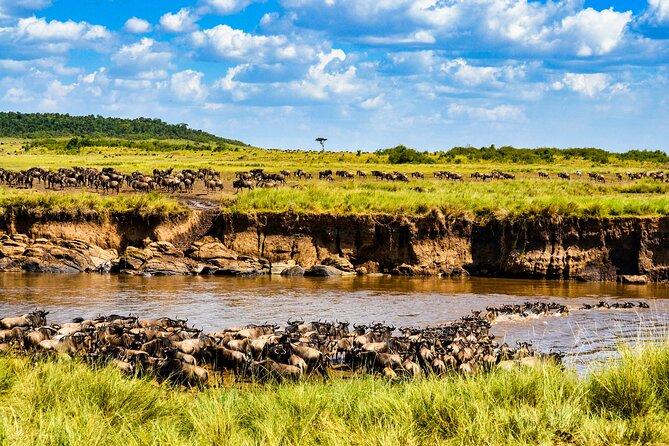
- Northern Serengeti focus: Days four and five are aimed at the Mara River and the great wildebeest migration, especially from July through October.
- Six major wildlife areas: The route includes Tarangire, Serengeti, Ngorongoro, Lake Manyara, and Arusha National Parks, plus the Ngorongoro Conservation Area.
- Strong guide element: English- or Spanish-speaking guiding is offered, with Evans and Richard named among the team connected with past departures.
- Full-board safari plan: Seven lunches, eight breakfasts, six dinners, accommodation, park fees, airport transfers, and transport are included.
- A long, active schedule: Most listed stops allow about five hours, but drives between parks and early starts make this a busy trip.
What this eight-day safari is really like
This is a private northern Tanzania circuit built around wildlife, not a slow luxury retreat. You start near Kilimanjaro, reach Tarangire on the second day, then spend several days moving through the Serengeti and Ngorongoro area before finishing near Arusha.
Your guide handles the airport pickup, park transfers, game drives, and final drop-off. The service also promises help until the end of the trip, with pickup and departure arrangements adapted to your plans. That is useful if you are combining the safari with another Tanzanian destination, although internal flights are not included.
The price is listed at $4,928.58 per person. That is a serious outlay, but it covers a private 4×4, guide, accommodation, park fees, three meals on most safari days, and airport transfers. For a private eight-day trip across several of Tanzania’s best-known parks, the value depends heavily on the quality of the guide and the standard of the camps. Ask for the exact accommodation list before paying, since only Pamoja Serengeti Luxury Camp is named in the supplied details.
The private format matters most during wildlife sightings. You can ask to stay longer at a good sighting or shift the day’s focus toward birds, predators, elephants, or scenery. You also avoid the compromise of a large group, though you should still expect early mornings, bumpy roads, and long drives.
More Safaris in Moshi
- Safari Serengeti And Ngorongoro
★ 5.0 · 288 reviews - Big Five Safari In Tanzania
★ 5.0 · 99 reviews - Unforgettable Tanzania Safari And Zanzibar Beach
★ 5.0 · 97 reviews
Day 1: A soft landing in Arusha
Your guide meets you at Kilimanjaro International Airport and drives you to your Arusha hotel. The first day is deliberately light, which is welcome after a long international flight.
The listed transfer time is about five hours, though that appears to describe the day’s activity rather than a normal airport-to-hotel drive. Confirm the exact pickup time, drive length, and hotel address before arrival. The meeting information lists Kilimanjaro Airport and a start time of 12:00 am, so this is worth clarifying directly with the operator.
There is no park visit on day one. That is not a weakness. A proper rest night gives you a better chance of enjoying the early start in Tarangire instead of trying to force a game drive into the arrival day.
Day 2: Tarangire and its elephant country
You leave Arusha early and drive about two hours to Tarangire National Park. The park covers roughly 2,600 square kilometers and is best known for large elephant groups and giant baobab trees.
Tarangire has a seasonal rhythm. During the dry season, animals gather around dependable water sources, and the park can hold a very high concentration of mammals. The supplied route description refers to a smaller wildlife movement of about 250,000 animals entering the park during that period.
You might see buffalo, lions, leopards, giraffes, zebras, and elephants. The promise of more than 300 elephants in a single group should be treated as a possibility, not a guarantee, since wildlife sightings depend on season, weather, and animal movement.
I particularly like Tarangire as an opening park because it gives you a quick introduction to both large mammals and Tanzania’s distinctive trees. The drawback is that this is another long day in a vehicle, and the listed five-hour stop does not include every hour spent on the road.
Day 3: Crossing the Ngorongoro highlands into the Serengeti
After breakfast, you leave around 8:00 am and drive toward Serengeti National Park through the Ngorongoro Conservation Area. The road passes near the crater, then continues toward the plains, with Maasai villages along the way.
The route is scenic but rough. The description’s reference to an African massage is a fair warning about the bumps. You should pack water, keep essentials within reach, and expect the journey to be part of the safari rather than a quick transfer.
At Naabi Hill gate, you can walk to a viewpoint over the Serengeti plains. This is one of the trip’s useful pauses, since it lets you stretch your legs and take in the scale of the park before continuing toward the central area.
Lunch may be served at the gate or set up in the bush by your guide. That detail gives the day a pleasant picnic quality, but the main point is practical: you are covering a large distance, so this is not a full day of close wildlife watching. The reward comes as you reach the Serengeti, where the open plains begin to replace the more enclosed woodland of Tarangire.
More Serengeti and Ngorongoro itineraries:
- Serengeti, Ngorongoro and Tarangire 4 Days Safari
★ 5.0 · 59 reviews - 5 Days Camping Tarangire, Serengeti & Ngorongoro crater & Visiting Maasai
★ 5.0 · 58 reviews - 4 Days Group Joining Camping Safari to Tarangire Serengeti Ngorongoro Crater
★ 5.0 · 50 reviews - 3-Day Ngorongoro Crater Manyara and Tarangire Safari from Arusha
★ 5.0 · 49 reviews
Day 4: Central Serengeti predators, then north toward migration country
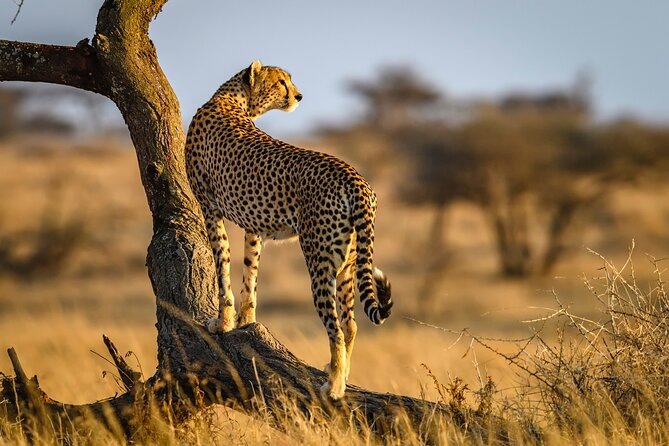
The fourth day starts with a morning game drive in central Serengeti. This area is presented as a good place to look for large predators and animals that do not follow the migration, including members of the Big Five: lion, elephant, buffalo, rhino, and leopard.
After lunch, you drive north toward the far northern Serengeti. This is the trip’s most ambitious transfer day. You are trying to combine central predator territory with the northern migration zone in one day, so expect plenty of time on rough roads.
From July through October, wildebeest are often in northern Serengeti, and there may be opportunities to see river crossings at the Mara River. A crossing can be dramatic, but it is never something a responsible operator can promise. Animal movement is unpredictable, and the timing may not match your visit.
This is also where the private setup earns its keep. A guide who knows the country and listens to your priorities can help balance the desire to chase migration scenes with the need to enjoy the animals already around you. Past descriptions place special emphasis on strong explanations of wildlife, nature, and local customs, so ask your guide questions rather than treating the vehicle as a moving viewing platform.
Day 5: The Mara River and the return south
You continue exploring the northern Serengeti around the Mara River after breakfast, then begin the return toward central Serengeti for an evening game drive.
The river is the headline attraction, particularly during migration season. Even without a crossing, the northern area gives you a chance to see the plains and wildlife associated with this part of the park. The day also includes a hot lunch in the park, soft drinks, and unlimited drinking water according to the supplied plan.
Accommodation is listed as Pamoja Serengeti Luxury Camp, with breakfast, lunch, and dinner included. Because this is a long day, a comfortable camp matters. Confirm whether this is the exact camp for your dates and ask about the other lodgings used on the route.
The return south makes day five another demanding road day. You gain geographic variety, but you lose the slower pace that comes from staying in one area for several nights. If you prefer fewer transfers, ask if the northern Serengeti portion can be adjusted.
Day 6: Ngorongoro Crater, a compact wildlife world
You leave early for the Ngorongoro Conservation Area, with game viewing on the way. At the crater rim, the caldera opens below you, then you descend by a rough track for a game drive.
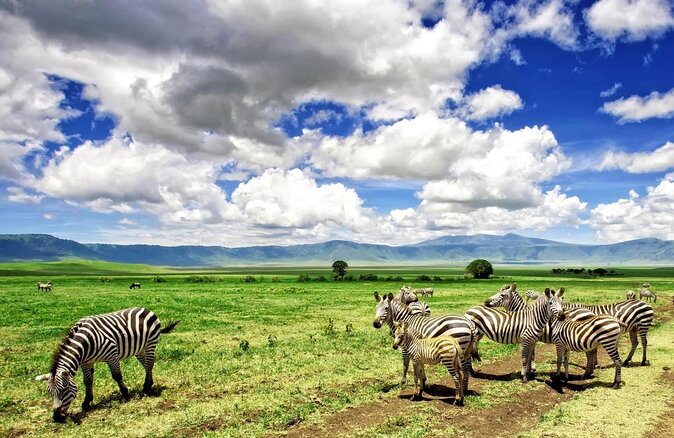
Ngorongoro Crater is one of Tanzania’s strongest places for concentrated wildlife viewing. The route describes a crater about 20 kilometers across and a seasonal population of more than 25,000 animals. You may look for lions, elephants, buffalo, hyenas, birds, and the endangered black rhino.
The crater is special because the animals are gathered within a contained natural setting. That can make sightings feel more reliable than in huge open parks, though the concentration also means a busier viewing environment at popular sightings.
The day includes a chance to encounter Maasai culture in the wider conservation area. Keep in mind that cultural interaction should be respectful and arranged through proper local channels. The supplied information does not specify a particular village visit or cultural activity, so confirm exactly what is included if that matters to you.
Day 7: Lake Manyara and Mto wa Mbu
After breakfast, you drive to Lake Manyara National Park. The park is known for birds, with more than 500 species recorded, as well as the possibility of seeing lions in trees.
You might also see elephants, giraffes, zebras, buffalo, hippos, hyenas, and wildebeest. The park’s habitats change over a short distance, from floodplain areas to woodland, which makes it a useful contrast to the open Serengeti.
Tree-climbing lions are the unusual prize here, but sightings are not guaranteed. The birdlife may be the day’s real highlight, especially if your guide takes time to identify species instead of rushing from one large mammal sighting to the next.
After the game drive, the route continues to Mto wa Mbu village for a village visit. The supplied schedule does not give the exact activity or length of the visit, so ask whether it is a walking tour, market visit, meal, or cultural meeting. This is one of the places where the trip can move beyond wildlife, but the details need to be clear before booking.
Day 8: Walking with a ranger in Arusha National Park
The final day takes you from your Arusha accommodation to Arusha National Park, about a 45-minute drive away. You begin with a two-hour walking tour accompanied by an armed ranger, then eat a packed lunch before an afternoon game drive.
This is a welcome change from sitting in the Land Cruiser. Walking lets you pay attention to tracks, plants, smaller animals, and sounds in a way that a vehicle cannot. The ranger is essential, since this is a wildlife area and the activity is conducted under official protection.
Arusha National Park is described as one of the smaller parks on the circuit, but it includes elephants, zebras, giraffes, buffalo, baboons, antelopes, and black-and-white colobus monkeys. Mount Meru is also part of the park setting.
After the afternoon drive, you return to your hotel in Arusha for dinner and an overnight stay. The overall description says the guide can take you to the airport or another location on the last day, but this itinerary specifically ends back at an Arusha hotel. If you fly out that evening, confirm the transfer plan and allow enough time.
Guides, vehicles, meals, and comfort
The trip uses a private Toyota Land Cruiser 4×4. That is the right type of vehicle for long park roads and rough connections between the parks. Since this is a private trip, only your group participates, and you can discuss your interests directly with the guide.
English or Spanish guiding is offered. Past trip details name Evans and Richard as guides and mention communication with Cornelius and Monica during planning. The most repeated positive theme is the care taken by the team and the clear explanations of animals, nature, local life, and history. Ask who your guide will be and which language will be used before departure.
Included meals are eight breakfasts, seven lunches, and six dinners. Drinks are not included, although the day five plan specifies soft drinks and unlimited drinking water. Confirm the full drink policy, especially for the other days.
Accommodation is included, but only Pamoja Serengeti Luxury Camp is identified by name. The word luxury can mean different things in safari country, so request the complete lodging list, room type, and meal arrangements.
What the $4,928.58 price covers
The fee includes all fees and taxes, accommodation, transport, arrival and departure transfers, the private vehicle, a private guide, and the stated meals. That makes it easier to compare with a cheaper-looking safari that adds park fees, transfers, or meals later.
You still need to budget for drinks, tips, visa costs, medical insurance, travel insurance, and any internal or local flights. Those exclusions can affect the final price, especially if your wider Tanzania plans include Zanzibar or a remote camp.
The strongest value comes from the private format and the number of parks. You are not paying for one short park visit. You are paying for a full northern circuit with a guide, vehicle, lodging, and several days in the Serengeti.
The main value question is pace. If you want to see as many major areas as possible, this route gives you plenty. If you want long, quiet stays in one camp, the repeated transfers may feel tiring for the money.
Who should book this safari
I would point this trip toward first-time safari visitors who want a broad northern Tanzania experience in one booking. It also suits families or small groups who want their own vehicle and people who care about having an English- or Spanish-speaking guide.
It is a good match for anyone interested in both famous animals and different habitats. Tarangire brings elephants and baobabs, Serengeti brings predator country and possible migration scenes, Ngorongoro brings concentrated wildlife, Lake Manyara adds birds and tree-climbing lion possibilities, and Arusha adds a walking day.
You should think twice if you dislike rough roads, early starts, or long driving days. The route is ambitious, and the northern Serengeti section is especially demanding. I would also ask for a day-by-day driving estimate and the full accommodation list before making a final decision.
Cancellation is free if you cancel at least 24 hours before the local start time. Changes or cancellations made later are not accepted for a refund.
Should you book the 8 Days Private Safari in Serengeti Tour?
Book it if your priority is a wide sample of Tanzania’s northern parks, private guiding, and the chance to follow the migration route in season. The combination of a private Land Cruiser, experienced local team, included park costs, and a ranger-led walk gives the trip real substance.
Before paying, confirm three things: your exact guide, every hotel or camp, and the transfer plan for the final day. If those details suit you and you accept the long road sections, this is a strong choice for a first full safari. If you want a slower trip with fewer moves, look for a shorter park list and more nights in one location.
FAQ
Where does the safari start?
Pickup is offered from Kilimanjaro International Airport or another indicated location. The meeting information lists Kilimanjaro Airport in Tanzania.
Where does the safari finish?
The general service description says you can be dropped at the airport or another location based on your plans. The listed day eight itinerary returns you to a hotel in Arusha, so confirm your exact final transfer.
Is this a private safari?
Yes. Only your group participates in the private tour or activity.
What vehicle is used?
Transport is provided in a private Toyota Land Cruiser 4×4.
Is a guide included?
Yes. A private safari guide is included. Guiding is offered in English or Spanish.
Are meals included?
Yes. The package includes eight breakfasts, seven lunches, and six dinners. Drinks are not generally included.
Is the Ngorongoro Crater included?
Yes. Day six includes the Ngorongoro Conservation Area and a crater descent with game viewing.
Can I see the wildebeest migration?
The route reaches northern Serengeti and the Mara River. From July through October, wildebeest are often in the northern plains, but exact sightings and river crossings cannot be guaranteed.
What is not included in the price?
Drinks, tipping, internal and local flights, visa costs, medical insurance, and travel insurance are not included.
More Safaris in Moshi & Kilimanjaro
- 8-Day Essence of Tanzania Safari – Luxury
★ 5.0 · 72 reviews - Great Migration Safari In Tanzania
★ 5.0 · 71 reviews - 6 Days 5 Night Safari
★ 5.0 · 57 reviews - 4-day Tanzania Safari
★ 5.0 · 53 reviews
Newly listed around Moshi & Kilimanjaro
- Climb Mount Kilimanjaro: 7 Days Machame Route★ 5.0 · 3 reviews
- 6 Days Mount Kilimanjaro Climbing via Rongai Route★ 5.0 · 3 reviews
- Explore 1 day Ngorongoro Crater Budget Group Safari from Arusha★ 5.0 · 3 reviews
- Mt. Kilimanjaro Day Hiking★ 5.0 · 3 reviews
- Chemka (Kikuletwa) Hot Springs, Tanzania★ 5.0 · 3 reviews
- Guided City tour of Moshi★ 4.3 · 3 reviews
- 8 Day Tanzania Family Safari★ 5.0 · 3 reviews
- Serengeti Safari with Sirikwa Travel★ 5.0 · 3 reviews
Serengeti & Ngorongoro Safaris, compared.


Balloon Safari & Bush Breakfast in Serengeti – Miracle Experience
Read our review →




Private 6-Day Tarangire Manyara Crater and Serengeti with Mid-Range Lodges
Read our review →
5 Days Camping Tarangire, Serengeti & Ngorongoro crater & Visiting Maasai
Read our review →Browse the lists this tour appears in