Reviewed · ARUSHA TOURS
8 Days Great Wildebeest Calving Migration Safari from Arusha
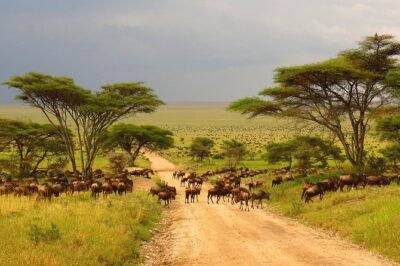
The main event here is the wildebeest calving season, when the southern Serengeti and Ndutu plains can fill with newborn calves, zebras, and predators. I like the route because it combines famous parks with very different habitats, and I like that airport transfers, lodging, meals, park fees, bottled water, and a private vehicle are included.
The trade-off is distance. You cover a lot of ground in eight days, and some days involve long drives on rough roads. The calving spectacle is seasonal and not guaranteed on every date, so confirm your travel window and ask where the camp will be placed.
Key points to know before booking
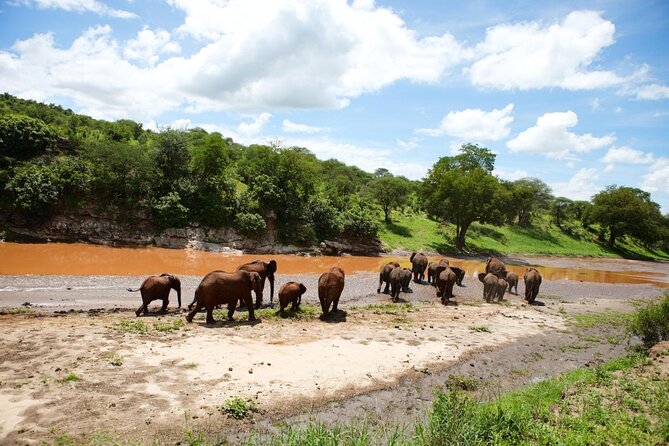
- Calving season is the focus: December through April offers the possibility of seeing newborn wildebeest and the predators drawn to the herds.
- The route covers five major safari areas: Tarangire, Lake Manyara, Ndutu, central Serengeti, and Ngorongoro Crater.
- Private transport keeps the trip flexible: The package includes a private safari vehicle and driver-guide, with a maximum of seven people.
- Accommodation is comfortable but still part of the bush experience: Expect luxury tented camps on several nights and lodges at Mount Meru, Lake Manyara, and Ngorongoro.
- Guiding is a major strength: Guides including William David, Albert, Emanuel, George Mathias, Calvin Kileo, Ombeni, and Michael Sangiwa are praised for animal spotting, patience, and clear explanations.
- The price covers the expensive basics: At $2,999.62 per person, included park entrance fees, meals, transport, and seven nights of lodging make the cost easier to judge.
Why the Ndutu calving season matters
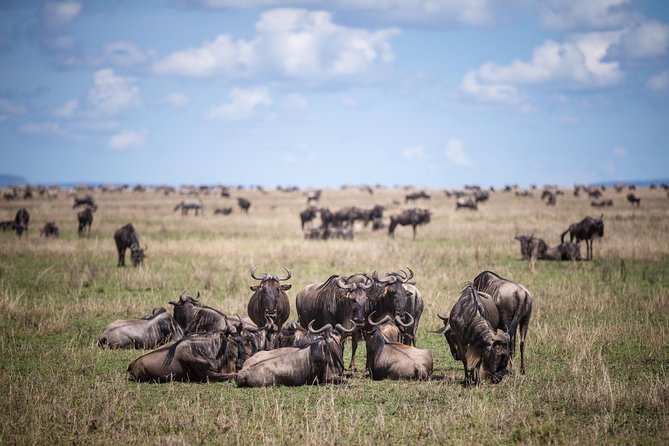
The southern Serengeti and Ndutu region are the reason to choose this safari over a general Tanzania circuit. From roughly February, for about three weeks, many wildebeest give birth across the short-grass plains. The timing can shift, so December to April is a useful window, not a promise of a specific birthing day.
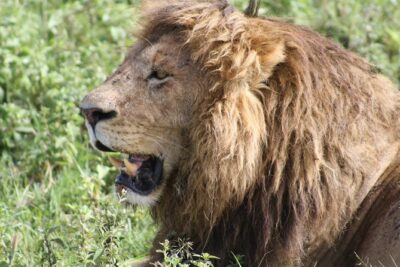
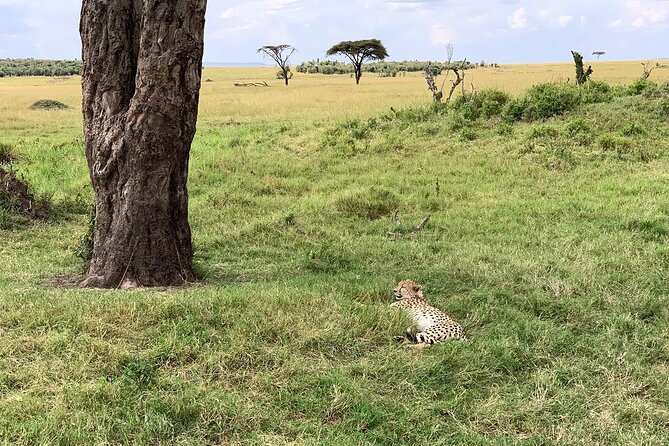
Newborn animals bring action. Wildebeest calves are vulnerable, and their presence attracts lions, cheetahs, hyenas, and other predators. You may also see large zebra herds sharing the grazing areas. The appeal is not just ticking off species. You are watching a moving cycle of birth, pursuit, and survival.
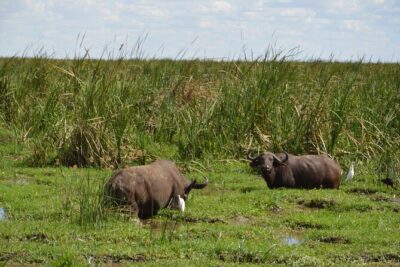
Ndutu is especially interesting because it is not one simple type of park. The area includes swamps, woodland, soda lakes, and open grassland. That variety gives your guide more places to search and gives you a better sense of how animals use different habitats.
I would choose this trip for the seasonal event, not for a guarantee of constant predator sightings. Nature sets the schedule. Good guiding helps, but no safari operator can control where the herds are on a particular morning.
More Safaris in Arusha
- Balloon Safari & Bush Breakfast in Serengeti – Miracle Experience
★ 5.0 · 1,646 reviews - 4 Days Group Camping Safari
★ 5.0 · 1,101 reviews - 5 Days Group Camping Safari
★ 5.0 · 730 reviews
Day 1: A gentle arrival at Mount Meru Hotel
Your first day is designed to get you settled. Pickup is provided from Kilimanjaro Airport, followed by transport to Mount Meru Hotel in Arusha. This is useful after an international flight, since you do not need to arrange your own first transfer.
The listed meeting point is in Arusha, with an 8:30 am start time. The schedule also describes airport pickup on arrival, so confirm the exact arrangement if your flight lands on Day 1 rather than before the tour begins. That small check can prevent confusion at the start of a long trip.
There is no game drive on this day. That is a good thing. You can rest, organize your luggage, and prepare for early starts instead of racing straight into the parks.
Day 2: Tarangire and its giant baobabs
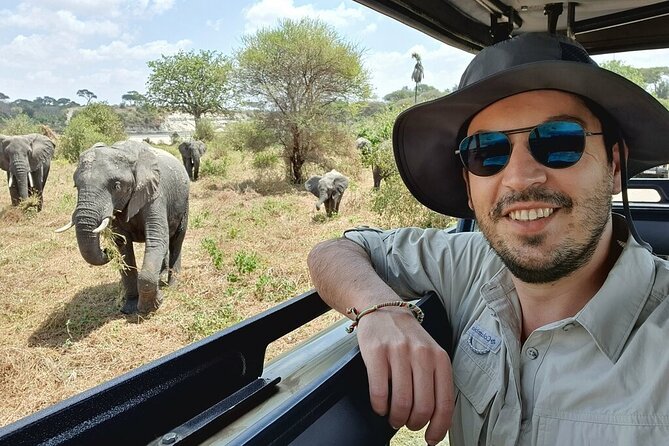
The first full safari day takes you to Tarangire National Park. The park is known for large elephant herds, baobab trees, tree-climbing lions, and the Tarangire River, which flows throughout the year.
Tarangire gives you a strong opening because the scenery has its own character. The baobabs are broad, old-looking trees that make a memorable frame for photographs, while elephants are often the headline animal. The river helps explain why wildlife gathers here, especially when other water sources are less reliable.
The mention of tree-climbing lions is worth noting, but treat it as a possibility rather than a scheduled sighting. You could see lions resting in trees, or you could spend the drive following elephants, birds, and other animals instead.
You spend the night in a luxury tented camp. This type of accommodation usually aims to provide comfort without removing you from the safari setting. The itinerary does not name the camp, so ask for the confirmed property and its exact location before departure.
Day 3: Lake Manyara’s compact wildlife circuit
Lake Manyara National Park is a change of pace from Tarangire. It is described as one of Tanzania’s most varied reserves, with a scenic lake and a compact game-viewing circuit. That compact size matters. You can spend less time simply crossing the park and more time looking for animals and enjoying the setting.
The park is also linked with Ernest Hemingway’s admiration for its beauty. You do not need to know the literary reference to appreciate the day. The lake, woodland, and wildlife create a different visual experience from the open plains farther west.
Lake Manyara works well in this itinerary because it breaks up the long journey toward Ndutu. Still, it is another transfer day, and the overall program remains active. You will want comfortable clothing, water, and a camera that is easy to reach inside the vehicle.
The overnight stay is at a luxury lodge. Meals are included, with breakfast, lunch, and dinner listed for this day.
A change of scene while you are in Arusha:
- Tanzania Classic – 7 Days
★ 5.0 · 1,151 reviews - Materuni Waterfalls, coffee tour & Kikuletwa Hot Springs
★ 5.0 · 643 reviews - 3 Days Serengeti & Ngorongoro Group Camping Safari
★ 5.0 · 574 reviews - 7-Day Premium Luxury Tanzania Safari All-Inclusive
★ 5.0 · 426 reviews
Day 4: Entering the Ndutu area
After breakfast, you head toward Ndutu in the Ngorongoro Conservation Area. Ndutu forms part of the southern Serengeti ecosystem, so this is where the trip begins to focus fully on the migration.
Lake Ndutu is alkaline, like many Rift Valley lakes, yet its water is used by local wildlife. The lake and nearby habitats provide more than a scenic stop. They help support animals moving through the region and create different viewing conditions from the open grasslands.
This day combines travel with anticipation. You may spend a good part of it reaching the southern Serengeti region, but the reward is being in the right general zone for the calving season. The overnight stay is in a luxury tented camp.
Ask how the camp location changes during the season. Mobile camps can be useful for following the animals, but the exact position matters when you care about drive times and access to the calving areas.
Day 5: A full Ndutu game drive
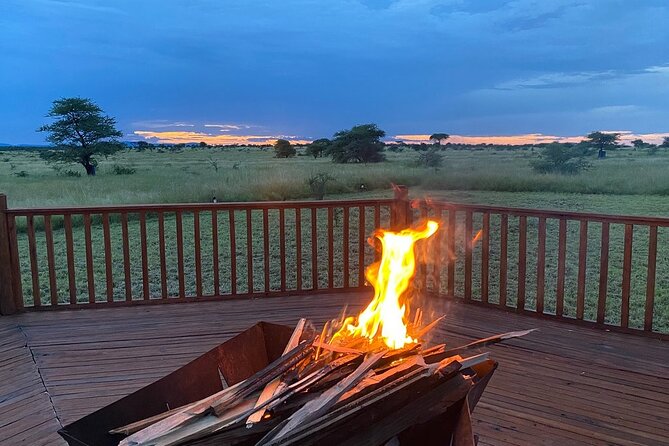
Day 5 is the heart of the trip. You spend the day exploring Ndutu’s swamps, woodland, soda lakes, and short-grass plains. This is the best opportunity in the schedule to look for wildebeest herds and young calves.
A full-day drive gives your guide time to read the conditions. You might spend part of the day near a water area, then move toward open plains where zebra and wildebeest gather. The route can change according to animal movement, recent sightings, and road conditions.
This is where an alert driver-guide makes a real difference. Several guides connected with this operator, including William David, Albert, George Mathias, and Ombeni, are praised for spotting animals quickly and explaining wildlife, plants, and the environment. A guide who can identify a distant shape before you do is useful, but patience matters just as much.
The schedule again lists a luxury tented camp. Since full-day drives can be tiring, ask how lunch is handled and how much time you will spend in the vehicle. Meals are included, but the exact dining setup is not specified.
Day 6: Tracking the migration in central Serengeti
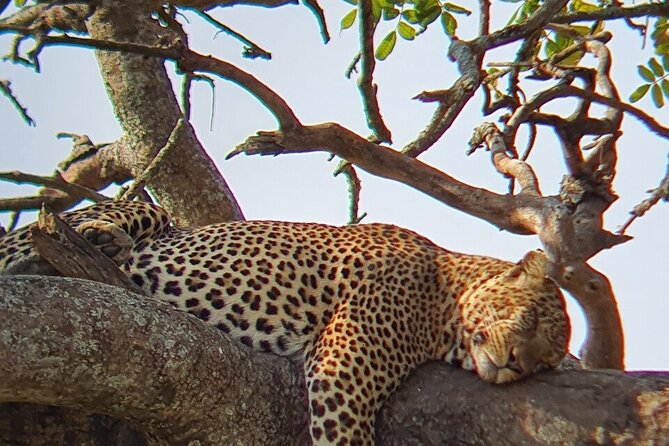
The sixth day shifts north toward central Serengeti. You continue with a full day of game drives and follow the migration trails across a larger safari area.
Central Serengeti is valuable because it adds another setting to the calving-focused southern section. The migration is always moving, and a route that includes both Ndutu and central Serengeti gives you more than one area in which to search for wildlife.
The cost is more time on the road. This is not a short, relaxed resort itinerary. You are spending several days in a safari vehicle, often over rough roads, and the schedule includes multiple park transfers. A moderate level of physical fitness is advised, though the main challenge is likely sitting for long periods rather than walking.
You stay in another luxury tented camp. The private vehicle is a practical advantage here. With no larger group schedule controlling every stop, you can discuss pace and animal sightings with your driver-guide.
Day 7: Ngorongoro Crater from the rim to the floor
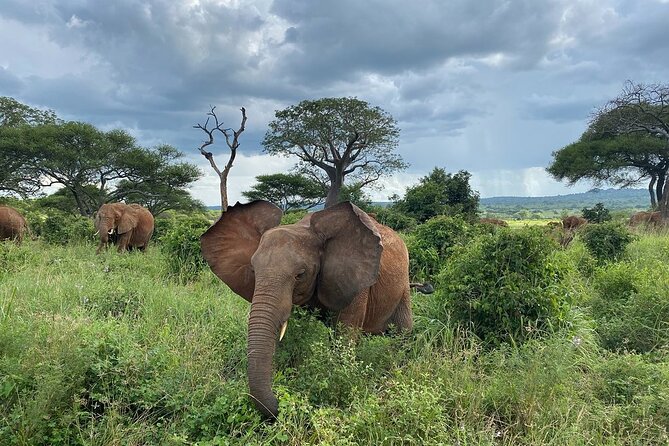
The route then turns toward the Ngorongoro Conservation Area. The main activity is a descent of about 600 meters into Ngorongoro Crater for a game drive.
The crater offers a concentrated wildlife experience. Its enclosed setting can make animal viewing feel very different from tracking herds across wide plains. You will look for a range of species in a dramatic natural bowl, with the crater walls shaping the view in every direction.
The day is likely to be one of the most visually striking, but it is also another transfer and game-drive day. Keep your expectations sensible. The crater is not a substitute for the migration, and the migration is not a substitute for the crater. They are different experiences, which is exactly why this itinerary includes both.
The overnight stay is at a luxury lodge. That lodge night can be welcome after several nights in tents and long drives.
Day 8: Mto wa Mbu culture before departure
The final day begins with a drive to Mto wa Mbu for a morning cultural tour and walking safari. You then have a local lunch before returning to Arusha or going to the airport for your flight home.
This ending adds a human and local element after several days centered on wildlife. It also gives you a chance to walk rather than spend the entire final day in the vehicle. The description promises a local meal and views, but it does not give a detailed list of activities, so ask the operator what the cultural tour includes if that part is especially important to you.
The airport timing needs care. Because the program includes a morning tour and lunch before an afternoon return, do not book a tight onward flight without checking the planned arrival time. The package does include airport drop-off, but your flight time is your responsibility.
What the $2,999.62 price really covers
At $2,999.62 per person, this is not a budget safari. It is also not a bare-bones price. Seven nights of accommodation, meals, park entrance fees, bottled water, airport pickup and drop-off, and a private vehicle with driver-guide are included.
Those inclusions matter in Tanzania. Park fees and long-distance transport can add up quickly when arranged separately. Lodging across several parks also removes much of the planning work, while the private vehicle gives you a more personal setup than a large coach tour.
The maximum group size is seven people. That is small enough to keep the vehicle from feeling crowded, though the wording does not guarantee that every booking will have fewer than seven. Confirm whether your reservation is fully private and whether the vehicle is reserved only for your party.
Alcoholic drinks are not included, but they can be purchased. Specific camp brands, room arrangements, Wi-Fi, laundry, and charging facilities are not provided in the details, so ask before paying if those comforts matter to you.
The guide can shape the whole safari
A safari vehicle is only as good as the person reading the road and the animals. The strongest pattern in the guide feedback is repeated praise for clear explanations, sharp eyes, safe driving, patience, and a friendly manner.
William David is praised for helping identify the Big Five several times and for explaining wildlife carefully. Albert is noted for spotting animals early and for strong zoology and botany knowledge, while Emanuel is praised for considerate service and good driving.
George Mathias is described as professional, energetic, and eager to find animals. Ombeni is praised for finding wildlife on difficult roads and keeping the mood light. Calvin Kileo receives particular approval for patience, empathy, dedication, and clear knowledge. Michael Sangiwa is noted for warmth with children, which may matter to families.
Guide assignments can change, so treat these names as examples of the company’s guide team rather than a promise that you will receive one specific person. You can request a preferred guide, but confirm whether that request is guaranteed.
Who should book this safari
I would recommend it to you if the calving season is your main reason for visiting Tanzania and you want a broad first safari without arranging each park yourself. It suits couples, families with children accompanied by adults, and small groups who value a private vehicle and included meals.
It is also a good fit if you want both famous wildlife areas and variety: elephants and baobabs in Tarangire, lake country in Manyara, calving herds in Ndutu, central Serengeti drives, and a crater descent.
I would hesitate if you dislike long road journeys, want a slow schedule, or need fixed hotel names before booking. The route is ambitious for eight days, and the most exciting sightings depend on nature and timing.
The tour requires moderate physical fitness, and children must be accompanied by an adult. Dietary needs should be given when you book.
Booking flexibility and weather notes
Free cancellation is available up to 24 hours before the experience begins, based on local time. Changes or cancellations inside that 24-hour window are not accepted for a refund.
The trip requires suitable weather and a minimum number of participants. If poor weather or an insufficient number of bookings causes cancellation, you are offered another date or experience, or a full refund.
Confirmation is sent within 48 hours of booking, subject to availability. Since this safari runs through several regions and uses tented camps, I would wait for confirmation before locking in nonrefundable flights or extra hotel nights.
Should you book the eight-day calving safari?
Book it if you want Tanzania’s major northern safari sights in one organized trip, with the best chance of seeing the wildebeest calving season as the central theme. The combination of Ndutu, central Serengeti, Ngorongoro, Tarangire, and Lake Manyara gives you a lot of variety for eight days.
Before you commit, confirm the exact camp names, the planned location in Ndutu, your airport transfer timing, and whether the vehicle is private to your party. If you accept long drives and nature’s unpredictability, the included services and strong guide team make the $2,999.62 cost reasonable for a high-comfort safari.
FAQ
How long is the safari?
The experience lasts approximately eight days and includes seven nights of accommodation.
Where does the safari start?
The listed start point is Arusha in the Arusha Region, with an 8:30 am start time. Airport pickup from Kilimanjaro Airport is also included for arrival.
Which parks and wildlife areas are included?
The itinerary includes Tarangire National Park, Lake Manyara National Park, the Ndutu area, central Serengeti National Park, the Ngorongoro Conservation Area, and Ngorongoro Crater.
When is the wildebeest calving season?
The safari operates during the calving season from December through April. Most wildebeest calving is described as taking place around February for about three weeks.
Are meals and accommodation included?
Yes. Accommodation, breakfast, lunch, and dinner are included on the days marked in the itinerary. Alcoholic drinks are excluded but available to purchase.
How many people can join the tour?
The maximum group size is seven people. Transport is provided by private vehicle with a driver-guide.
What happens if the tour is canceled because of weather or too few participants?
You are offered a different date or experience, or a full refund. Free cancellation by you is available up to 24 hours before the start time.
Newly listed around Arusha
- 5-Day Private Safari Tour in Tanzania’s Wildlife★ 5.0 · 3 reviews
- 3 Days private safari Tarangire ,Ngorongroro crater &Manyara★ 5.0 · 3 reviews
- 3 Day Sharing Safari – Manyara, Ngorongoro Crater and Tarangire National Parks★ 5.0 · 3 reviews
- Tarangire National Park Day Trip★ 5.0 · 3 reviews
- 6 -Day Tarangire, Manyara, Serengeti & Ngorongoro★ 5.0 · 3 reviews
- 2 Days Tarangire and Ngorongoro Crater Tour★ 5.0 · 3 reviews
- 5 Days Group Camping Safari★ 4.7 · 3 reviews
- 7-Day Mt. Kilimanjaro Hiking: Machame Route★ 5.0 · 3 reviews
Arusha Tours, compared.
Balloon Safari & Bush Breakfast in Serengeti – Miracle Experience
Read our review →