
Reviewed · ARUSHA TOURS
5 Days Tanzania Private Safari Tour
The appeal of this safari is the range packed into five days: Lake Manyara’s elephants and tree-climbing lions, the wide Serengeti plains, and a game drive inside the Ngorongoro Crater. You move from one famous wildlife area to the next without joining a large group.
I like the private format, which gives your own group the vehicle and guide, and I like that meals, drinks, park fees, and Arusha pickup are built into the price. The main consideration is the pace. Long drives connect the parks, and the Serengeti to Ngorongoro day includes Olduvai Gorge and a crater safari before the final transfer to Arusha.
Key points to know before booking
- Three major wildlife areas in five days: Lake Manyara, Serengeti National Park, and the Ngorongoro Conservation Area all feature in one compact route.
- Private travel for your group: You do not share the activity with other groups, which is useful for families and for setting your own rhythm at wildlife sightings.
- Seronera is the Serengeti base: The central park area offers access to the Seronera River, Sogore River Circuit, and several classic safari species.
- Olduvai Gorge adds human history: The route includes the site linked to discoveries by Louis and Mary Leakey.
- Meals and drinks are included: Five breakfasts, five lunches, five dinners, drinking water, and soft drinks are covered.
- Budget for guide tips: The suggested gratuity is about $20 per day for the guide, and tips for the driver-guide and safari cook are not included.
A compact route through northern Tanzania
This tour begins and ends in Arusha, with pickup at 7:00 a.m. The route heads west toward Lake Manyara, then continues to the Serengeti through the Karatu highlands and Ngorongoro Conservation Area. After time in the Serengeti, you visit Olduvai Gorge and Ngorongoro Crater before returning to Arusha.
That route works well if you have only five days and want the classic northern Tanzania circuit. You get a taste of several different habitats instead of spending the full trip in one park.
The trade-off is time on the road. This is not a slow safari based in one lodge with short daily drives. You will cover substantial ground between parks, so the tour suits you best if variety matters more than a leisurely schedule.
The $2,000 per-person price includes a private trip, a professional guide, meals, drinks, taxes, and park-related fees. Since accommodation categories are not specified, I would ask for the exact lodge and camp names before paying. That detail can make a large difference when comparing safari prices.
More Safaris in Arusha
- Balloon Safari & Bush Breakfast in Serengeti – Miracle Experience
★ 5.0 · 1,646 reviews - 4 Days Group Camping Safari
★ 5.0 · 1,101 reviews - 5 Days Group Camping Safari
★ 5.0 · 730 reviews
Day 1: Lake Manyara and the Rift Valley escarpment
Your first day starts with pickup in Arusha and a transfer to Lake Manyara National Park. The schedule aims to get you to your lodge for lunch, followed by an afternoon game drive.
Lake Manyara is a good opening park because it packs several habitats into a relatively small area. The soda lake covers about two-thirds of the park, while the Great Rift Valley escarpment rises nearby. That sharp change in terrain helps explain why the park can support such varied wildlife.
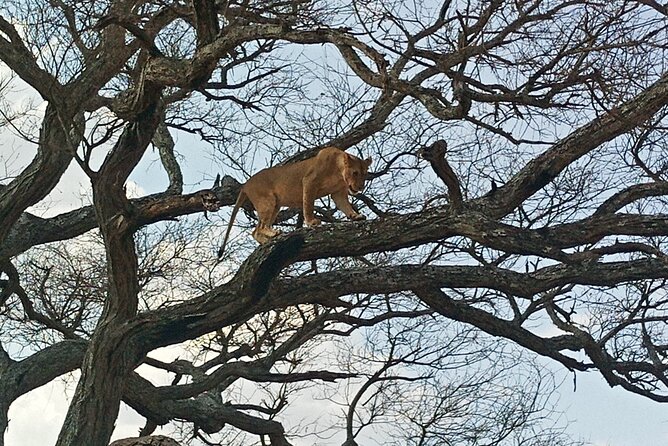
The park is known for large elephant groups and its unusual tree-climbing lions. You may also see broad flocks of flamingos near the lake, where algae provides food. The flamingos are not guaranteed, since wildlife and water conditions change, but the lake gives the afternoon drive a distinctive setting.
I like the way this first stop eases you into safari country. You are not expected to spend the first day racing across the entire northern circuit. After lunch, you have a focused afternoon in a park known for elephants, birds, and striking views toward the escarpment.
The listed stop lasts about six hours, though the actual day includes the transfer from Arusha and time at the lodge. Ask how much of that period is expected to be driving and how much will be inside the park. That is a sensible question for families, especially those traveling with younger children.
Day 2: Leaving the highlands for the Serengeti
After breakfast, you travel through the farmland around Karatu and across the Ngorongoro Conservation Area before descending toward the Serengeti. The change is dramatic. Cultivated highland areas give way to open grassland stretching far into the distance.
The destination is the Seronera area in central Serengeti. This is a practical base because the Seronera River supplies water and draws a broad mix of animals. You arrive in time for lunch, then head out for an afternoon game drive.
That timing is useful. You do not lose the entire day to transport. The afternoon drive gives you a first look at the central Serengeti, with the chance of seeing many of the park’s well-known species. The exact animals you find will depend on the season, water, and the guide’s decisions that day.
This is also the day when the private format can matter most. A private vehicle lets your group pause for a sighting, take a break, or continue searching without negotiating with strangers. The schedule is still set by the route, but the day should feel more personal than a shared safari.
Expect another roughly six-hour activity period, with road time included in the wider day. The Serengeti is enormous, so a single afternoon cannot cover much of it. This itinerary sensibly concentrates on Seronera rather than pretending you can see the whole park.
Day 3: Sogore River, big cats, and a useful visitor center
Day three gives you a fuller Serengeti experience. After breakfast, the plan calls for a morning drive along the Sogore River Circuit, south of the Seronera River.
This route is associated with possible sightings of lions, Thomson gazelles, topi, ostriches, and cheetahs. None should be treated as a promise, but the mix shows why the area is popular. Open plains make it easier to scan for grazing animals, while river corridors can attract predators and prey.
A picnic lunch makes the day less formal and keeps you in the park rather than returning to the lodge for every meal. A field lunch also leaves more room for a full morning and afternoon rhythm, depending on how the day is managed.
The Seronera Visitor Centre is another worthwhile pause. It has wildlife displays, maps, information leaflets, cold drinks, snacks, a picnic area, and a short information trail around a nearby kopje. I like this addition because it gives you context beyond the vehicle. It is a useful stop if you want to understand the park’s animals and layout instead of simply collecting photographs.
The wording of the schedule is cut off near the end, so confirm the exact afternoon plan. It clearly includes morning wildlife viewing and a picnic lunch, but the amount of additional game-drive time is not fully spelled out. That is one of the few details I would clarify before booking.
A change of scene while you are in Arusha:
- Tanzania Classic – 7 Days
★ 5.0 · 1,151 reviews - Materuni Waterfalls, coffee tour & Kikuletwa Hot Springs
★ 5.0 · 643 reviews - 3 Days Serengeti & Ngorongoro Group Camping Safari
★ 5.0 · 574 reviews - 7-Day Premium Luxury Tanzania Safari All-Inclusive
★ 5.0 · 426 reviews
Day 4: Olduvai Gorge and the Ngorongoro Crater
After breakfast, you leave the Serengeti for the Ngorongoro Conservation Area. The route includes a stop at Olduvai Gorge, one of the most important archaeological sites connected with early human evolution.
Louis and Mary Leakey made major discoveries here, including remains associated with Nutcracker Man and Handy Man. The stop gives the safari a valuable human-history dimension. You are not only looking for animals; you are also passing through a place central to the study of our distant past.
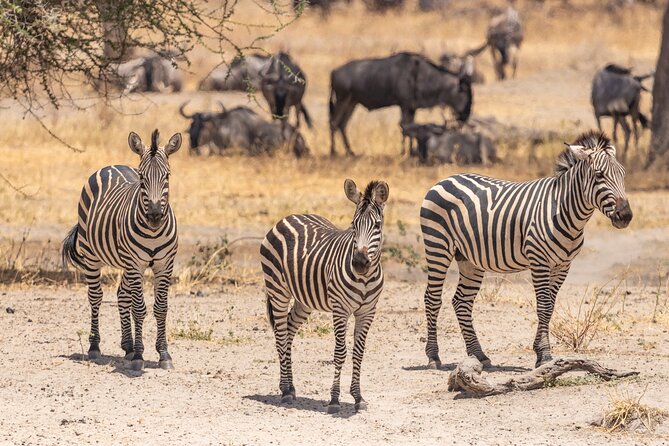
After lunch at the lodge, the route descends more than 600 meters into Ngorongoro Crater for a half-day game drive. The crater’s enclosed setting, permanent water, and available grazing support a high concentration of wildlife. You might see wildebeest, zebra, buffalo, and other species during the drive.
This is the most ambitious day of the tour. It combines a major transfer, Olduvai Gorge, lunch, and a crater safari. That makes it efficient, but also potentially tiring. If you prefer long, unhurried wildlife sessions, you may find the day full. If you want to see as much as possible in five days, the packed schedule is part of the value.
The crater stop is a strong reason to choose this route. It offers a different experience from the open Serengeti plains. The crater walls and enclosed floor create a distinct sense of place, and the permanent water supply helps explain why animals can be found there throughout the year.
Day 5: Returning to Arusha
The final morning begins with breakfast, followed by the transfer back to Arusha. Lunch is planned in Arusha, and the tour ends at the original meeting point or your Arusha hotel.
The return day is mainly logistical rather than a final park visit. That matters when planning flights. The supplied details do not give an arrival time in Arusha, so do not book a tight same-day international connection without confirming the expected schedule with Moraka Africa Safaris.
Pickup and return in Arusha make this simple if you are staying in town before or after the safari. The activity starts at 7:00 a.m., so arrange your first-night accommodation and morning pickup details in advance.
What the $2,000 price covers
At $2,000 per person, this is not a bare-bones park transfer. The price includes:
- All fees and taxes
- A professional driver-guide
- English, Spanish, and French language support
- Five breakfasts
- Five lunches
- Five dinners
- Drinking water and soft drinks
- Pickup and return in Arusha
- A private trip for your group
The meal package is useful because safari days can make independent dining difficult. Water and soft drinks also remove a small but constant expense during long drives.
The private arrangement is the biggest value question. If you are traveling as a family or small group, you are paying for control as well as transport. You can discuss stops, meal needs, and the pace of wildlife viewing with your guide rather than adapting to a busload of people.
Still, ask what type of vehicle and accommodation are included. The available details do not specify the lodge standard, camp style, vehicle features, or number of people in your private group. Those points are essential when comparing this trip with other five-day safaris.
Special dietary needs can be requested. International flights, travel insurance, visas, and tips are extra. The suggested guide tip is about $20 per day, and gratuities for the driver-guide and safari cook are not included.
Guide service and family comfort
The company supplies a professional guide who can speak English, Spanish, or French. That language choice is helpful for families or groups who prefer to discuss wildlife and logistics in a language other than English.
The published experience is designed as a private activity, so only your group participates. That is especially useful on a family safari. Children and older relatives may need more breaks, and a private vehicle gives you a better chance to adjust the rhythm.
The strongest service details are practical: meals are provided, drinks are available, and the trip returns to your Arusha hotel. The company has also been praised for clean, well-run accommodation and attentive care, including a memorable wilderness breakfast. Since lodging details are not listed, treat those points as encouraging signs but confirm the property names and meal setup yourself.
A tip of about $20 per day is suggested for the guide. You may also need to plan separate gratuities for the safari cook if one is assigned to your group.
The main strengths and limitations
I see three clear strengths here. First, the route covers Tanzania’s most famous northern parks in only five days. Second, the private format gives your group more control than a shared departure. Third, the tour adds Olduvai Gorge and the Seronera Visitor Centre, so the experience is not limited to wildlife photographs.
The limitation is the compressed schedule. Lake Manyara gets an afternoon, the Serengeti receives an afternoon followed by a fuller day, and Ngorongoro is combined with the transfer from Serengeti. You will see a lot, but you will not have extended time in every area.
The route also depends heavily on road transfers. That is normal for a northern Tanzania safari, but it is worth considering if you dislike long drives. The tour’s six-hour stop descriptions do not fully explain total door-to-door travel time, so ask for a daily driving outline.
The cancellation terms are clear: you can receive a full refund if you cancel at least 24 hours before the start time. Cancellations or changes within 24 hours are not accepted for a refund.
Who should book this safari?
I would recommend this trip if you want a private family safari with a classic route and a fixed five-day window. It suits you if Lake Manyara, central Serengeti, Olduvai Gorge, and Ngorongoro Crater all matter more than spending several nights in one park.
It is also a sensible choice if you want meals and drinks handled in advance. The English, Spanish, and French guide options add flexibility, and Arusha pickup keeps the start and finish straightforward.
I would hesitate if you want a slow, specialist safari focused on one region, or if you need precise accommodation details before committing. In that case, ask Moraka Africa Safaris for the lodge names, vehicle details, daily driving times, and the exact plan for day three.
Should you book the Moraka Africa Safaris tour?
Book it if you value variety, privacy, and a well-known northern Tanzania route more than a relaxed pace. The combination of Lake Manyara, Seronera, Olduvai Gorge, and Ngorongoro Crater gives you an unusually broad introduction to the region in five days.
Before booking, confirm the accommodation level and transport schedule. If those match your expectations, the included meals, drinks, guide, fees, and private arrangement make the $2,000 price worth serious consideration.
FAQ
Where does the safari start and finish?
The safari starts in Arusha, Tanzania, with pickup at 7:00 a.m. It ends back at the meeting point, with a return drive to your Arusha hotel.
Which parks and protected areas are included?
The route includes Lake Manyara National Park, Serengeti National Park, and the Ngorongoro Conservation Area. It also includes a stop at Olduvai Gorge.
Is this a private tour?
Yes. Only your group participates in the activity.
Which meals and drinks are included?
The price includes five breakfasts, five lunches, five dinners, drinking water, and soft drinks. Other dietary requirements can be requested.
Which languages can the guide speak?
The professional driver-guide can speak English, Spanish, and French.
What is not included in the price?
International flights, travel insurance, visas, and tips are not included. The suggested tip for the guide is about $20 per day, and tips for the driver-guide and safari cook are extra.
More five day trips in Arusha
- 5-Day Highlights mid-Range Crater, Serengeti, Tarangire
★ 5.0 · 296 reviews - 5 Days Camping Tarangire, Serengeti & Ngorongoro crater & Visiting Maasai
★ 5.0 · 229 reviews - Tanzania Simba Safari – 5 Days
★ 5.0 · 217 reviews - 5 Days Budget Private Safari, Tanzania
★ 5.0 · 191 reviews
Newly listed around Arusha
- 5-Day Private Safari Tour in Tanzania’s Wildlife★ 5.0 · 3 reviews
- 3 Days private safari Tarangire ,Ngorongroro crater &Manyara★ 5.0 · 3 reviews
- 3 Day Sharing Safari – Manyara, Ngorongoro Crater and Tarangire National Parks★ 5.0 · 3 reviews
- Tarangire National Park Day Trip★ 5.0 · 3 reviews
- 2 Days Tarangire and Ngorongoro Crater Tour★ 5.0 · 3 reviews
- 6 -Day Tarangire, Manyara, Serengeti & Ngorongoro★ 5.0 · 3 reviews
- 5 Days Group Camping Safari★ 4.7 · 3 reviews
- Private 4×4 Vitara Safari in Arusha National Park★ 5.0 · 3 reviews
Arusha Tours, compared.

Balloon Safari & Bush Breakfast in Serengeti – Miracle Experience
Read our review →






Browse the lists this tour appears in