
Reviewed · SERENGETI & NGORONGORO SAFARIS
5 days Serengeti safari|Experience the great wildebeest migration
The Great Wildebeest Migration is the main event here: more than 1.5 million wildebeest, along with zebra and gazelle, move through the Serengeti ecosystem in search of fresh grass. This five-day route pairs migration viewing with the Ngorongoro Crater, giving you two very different wildlife settings in one compact trip.
I like the small group limit of seven, the open-roof 4×4, and the practical support of an English-speaking guide and safari chef. I also like that the plan includes both morning and afternoon drives, rather than treating the Serengeti as a quick stop.
The main caution is the pace. Day one takes you from Arusha toward the Serengeti, and day four shifts you toward Ngorongoro, so you will spend time on the road. Also, confirm exactly what accommodation is provided, since the package lists tents and sleeping equipment but separately excludes accommodation in some parts of the trip.
Key points to know before booking
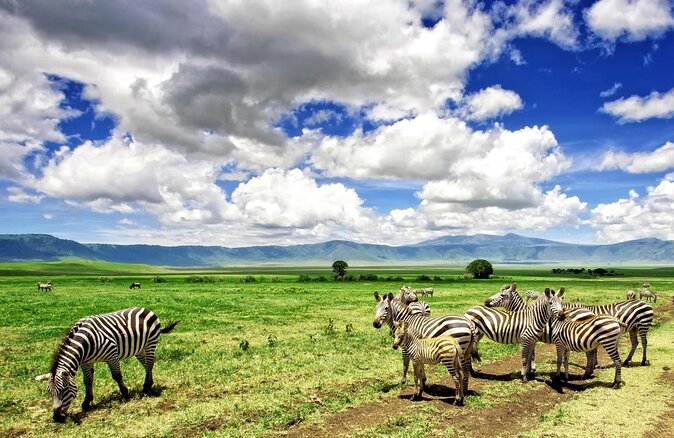
- The migration is seasonal: Wildebeest begin in the southern Serengeti around December, move north, and reach the Mara River area around May.
- You get two safari areas: The Serengeti is the main focus, while Ngorongoro Crater adds a concentrated wildlife setting on the final full day.
- The vehicle matters: An open-roof 4×4 Land Cruiser gives you a better upward view for animals and birds than a standard closed vehicle.
- The group stays small: A maximum of seven people should make vehicle time and wildlife viewing more comfortable.
- The food arrangement needs checking: Tea, coffee, a chef, and selected meals are included, but the stated meal count does not cover every meal across five days.
- The price reflects a private-style safari: At $3,000 per person, you are paying for park access, transport, staff, equipment, and a focused itinerary, but you should confirm the lodging level before committing.
Following the wildebeest through the Serengeti
The appeal of this safari is simple: you are not visiting the Serengeti only to tick off a few big animals. You are entering one of nature’s largest seasonal movements.
The route follows more than 1.5 million wildebeest, about 250,000 zebra, and roughly 400,000 gazelle as they move clockwise through the wider Serengeti ecosystem. Rainfall drives the movement, so the animals are always responding to grass and water rather than following a fixed tourist schedule.
That matters when you book. The itinerary describes the migration as easiest to see when animals are concentrated in the northern Serengeti and Masai Mara area. It also places the main movement toward the Mara River around May, with the herds beginning their journey south again around November.
You should not treat those months as a guarantee of a river crossing. The exact position of the herds depends on rain, grazing, and timing. A safari can still be excellent without a dramatic crossing, since the Serengeti offers wildlife beyond the migration itself, but you should tell the operator your preferred dates and ask where the vehicle is likely to search.
The open-roof Land Cruiser is a strong choice for this kind of trip. It lets you look out across the grassland and upward toward birds or animals on higher ground. The supplied information does not specify individual vehicle features beyond the open roof, so ask about seating and luggage space if those points matter to you.
More Safaris in Arusha
- Balloon Safari & Bush Breakfast in Serengeti – Miracle Experience
★ 5.0 · 1,646 reviews - 4 Days Group Camping Safari
★ 5.0 · 1,101 reviews - 5 Days Group Camping Safari
★ 5.0 · 730 reviews
Day one: Arusha to the Serengeti
The stated meeting time is 8:00 a.m. in Arusha, with pickup offered. From there, the plan takes you toward your Serengeti lodge or camp.
This is a useful start if you want to reach the main park quickly, but it is also the day to prepare for a long transfer. The itinerary does not give a driving time, so you should ask for an approximate schedule before booking. The distance and road conditions can make the first day feel more like a transfer day than a game-viewing day.
That is not necessarily a flaw. Moving directly toward the Serengeti can save you from spending a night in an extra town and may give you more time in the park later. Still, you should not expect a full day of wildlife viewing on arrival unless the operator confirms it.
The package includes a professional English-speaking safari guide and chef. One useful point from the company’s customer service is the name Thomas, who has helped with detailed questions before arrival and with pickup arrangements. You may not receive Thomas as your guide, but his involvement suggests that you can ask questions before the trip rather than trying to sort out every detail at the meeting point.
Accommodation needs particular attention here. The itinerary refers to a lodge, while the inclusions mention a tent, mattress, and sleeping bag. Accommodation and meals in Moshi are excluded, but the wording does not clearly identify the lodging standard for every Serengeti night. Ask these questions in writing:
- Are you staying in a permanent camp, a lodge, or a basic tented camp?
- Is the tent already set up?
- Is the chef preparing all meals, or only the meals listed?
- Are park-area accommodation fees included in the $3,000 price?
Those answers will help you judge the real value.
Days two and three: the strongest Serengeti time
Day two gives you both a morning and an afternoon game drive. This split works well because you get two chances to search for animals and migration activity without spending every hour in the vehicle.
Morning drives bring an early start, but they also give you a better chance to see the park before the heat of the day. Afternoon drives provide another viewing period after a break. The exact timing is not supplied, so your guide will set the schedule around park rules, road conditions, and the location of the animals.
Day three is a full-day drive focused on following the migration. This is likely to be the highlight of the itinerary, though it also requires patience. The herds can cover large distances, and finding them may involve long stretches of open country rather than constant animal sightings.
That is part of the value of having a dedicated guide. A good guide does more than point out animals. The guide decides where to search, tracks the movement of the herds, and adjusts the day when conditions change. The company describes its safari guide as English-speaking, and customer feedback praises the drivers for finding animals and positioning the vehicle for good views.
One driver named Deo received particular praise for helping with animal sightings. Again, assignments can change, so treat that as a useful name to request rather than a promise that Deo will lead your safari.
The Serengeti also gives you a chance to see wildlife beyond wildebeest. The supplied trip details refer to searching for other animals in the park, but they do not promise specific sightings. That is the right way to view any safari. You may see a broad range of wildlife, but no ethical operator can guarantee a particular animal on a particular drive.
The small group cap is important during these two days. Seven people is still a proper group, not a private vehicle for two, but it is more manageable than a large coach-style safari. You should have a better chance of hearing the guide, sharing viewing space, and avoiding too much crowding inside the vehicle.
How the camping and meal setup affects comfort
This is not presented as a luxury safari. The package includes a tent, mattress, and sleeping bag, along with 1.5 bottles of water per day and tea or coffee with meals. Transport is by open-roof 4×4, and a safari chef is listed among the staff.
Those details point to a practical, outdoor trip. I like that the sleeping equipment and chef are included, since carrying camping gear and planning every meal would add work. Clean and tasty food was also specifically praised, as was the driver’s attention to comfort.
But the meal information deserves a careful check. The package lists one breakfast, two lunches, and one dinner. That does not clearly cover all five days, especially when the itinerary includes several transfer and game-drive periods. Ask for a complete meal plan before you pay.
The daily water allowance is also modest. You receive 1.5 bottles per day, with tea and coffee at meals. You may want to confirm the bottle size and ask if extra drinking water can be purchased or added. Staying hydrated is especially important during long drives and warm game-viewing periods.
Alcoholic drinks are not included. Extra activities are also excluded, so ask for the current price of anything outside the listed game drives and transfers. The tour’s stated $3,000 price should be judged against the exact accommodation and meal package, not just the headline safari duration.
More Serengeti and Ngorongoro itineraries:
- 3 Days Serengeti & Ngorongoro Group Camping Safari
★ 5.0 · 574 reviews - 5-Day Highlights mid-Range Crater, Serengeti, Tarangire
★ 5.0 · 296 reviews - 3-Day Classic Serengeti Safari
★ 5.0 · 263 reviews - Private 6-Day Tarangire Manyara Crater and Serengeti with Mid-Range Lodges
★ 5.0 · 238 reviews
Day four: leaving the Serengeti for Ngorongoro
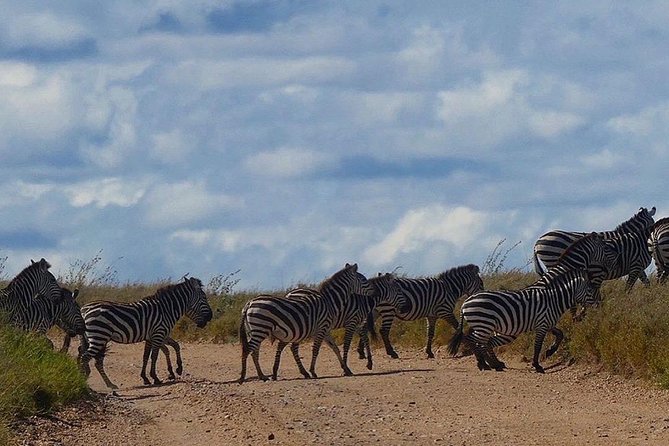
Day four begins with a morning Serengeti game drive, followed by a transfer to the Ngorongoro Crater.
This is a smart pairing. You get one final chance to search the Serengeti before moving to a very different wildlife area. The crater is not simply another grassland drive. It is a compact natural setting where animals are often easier to look for because the viewing area is more contained.
The tradeoff is time. A morning drive followed by a transfer means you will not have a full second day in the Serengeti. If the migration is your only goal, you may prefer a longer Serengeti itinerary. If you want a broader northern Tanzania trip, the Ngorongoro addition gives the five days more range.
Ask your guide how the day will be timed. The supplied itinerary does not state the transfer length or your arrival time at the crater area. Knowing that schedule will help you decide how much wildlife viewing to expect on day four.
Day five: a final crater game drive and return to Arusha
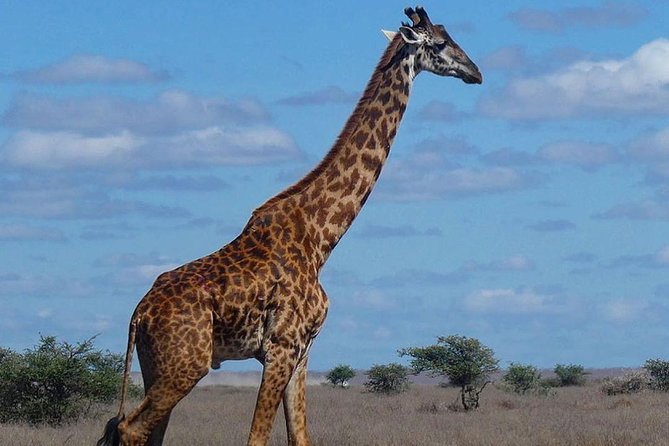
The final day brings a morning game drive in Ngorongoro Crater, followed by the transfer back to Arusha.
This is a useful ending because you are not simply driving back after the Serengeti. You receive one more dedicated wildlife period before the return journey. The crater may also suit you if you prefer a more concentrated search after the wide-open scale of the Serengeti.
The return to Arusha can still make day five feel long. No arrival time is supplied, so avoid scheduling a flight or tight onward connection without confirming the expected return time. Flights are not included, and the operator does not state that airport transfers are part of this package.
The tour offers pickup, and prior customer service included timely collection, even in one case involving a late bus arrival. That is encouraging for coordination, but you should still send your exact pickup location and arrival details in advance.
Is $3,000 per person fair value?
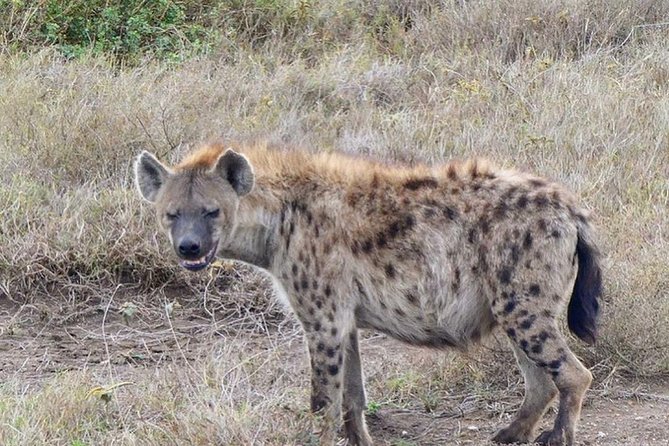
At $3,000 per person, this is a serious investment. The price includes fees and taxes, a 4×4 Land Cruiser with an open roof, an English-speaking guide, a chef, camping equipment, a sleeping bag, some meals, tea and coffee, and daily water.
The maximum of seven people also helps explain the price. You are not paying only for a seat in a large vehicle. You are paying for access to a small safari setup, park travel, staff, and five days focused on the Serengeti and Ngorongoro.
Still, the value depends heavily on accommodation. If the price includes comfortable permanent camping or lodge stays, it may be reasonable for a migration-focused safari with a small group. If you are expected to pay extra for several nights of lodging, the total cost will be higher than the headline figure suggests.
The missing meal details create the same issue. One breakfast, two lunches, and one dinner are listed, while the itinerary covers five days. Clarify the complete package before deciding.
The price does not include flights, travel insurance, visa and passport costs, personal items, tips for the guide and chef, alcoholic drinks, extra activities, or increases in park fees where applicable. These extras can add up, so build them into your budget.
Who will get the most from this safari?
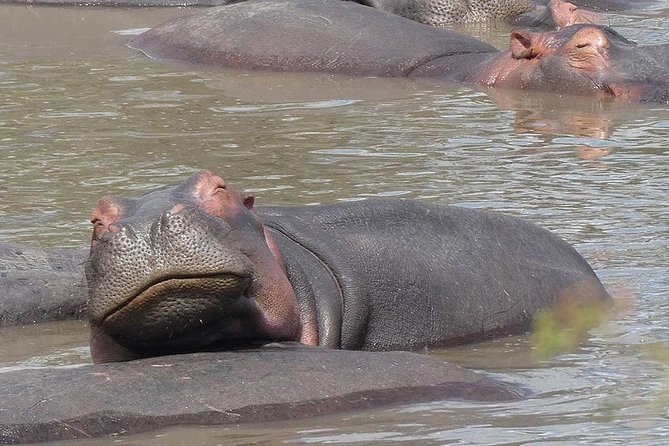
I would look closely at this trip if your first priority is the Serengeti migration and you want to add Ngorongoro without arranging several separate bookings. The route gives you two full Serengeti days plus additional game drives around the transfers.
It should suit you if you are comfortable with early starts, long vehicle transfers, and a practical camping setup. The open-roof vehicle and small group are useful for people who care more about time in the park than high-end accommodation.
It may be less suitable if you want a slow itinerary with several nights in one lodge. The plan changes areas on day four and returns to Arusha on day five, so the schedule has a clear moving-on rhythm.
Families and older visitors should ask about the transfer length, sleeping arrangements, and vehicle comfort before booking. The activity says most people can participate, but it does not provide a detailed accessibility assessment.
The English-speaking guide is helpful if you want explanations throughout the drives. The chef is another plus if you prefer not to handle camp meals yourself. Tips for both guide and chef are not included, so plan for them separately.
Practical booking advice before you pay
Use the free cancellation window to confirm the details that affect value. You can cancel at least 24 hours before the start time for a full refund. Changes made within 24 hours are not accepted, and cancellations inside that period are not refunded.
The experience depends on good weather. If poor weather causes cancellation, you are offered another date or a full refund. Since migration viewing also depends on rainfall and animal movement, ask the operator what area they expect to target during your dates.
I would send the operator a short list of questions:
- Which nights are lodge nights and which are tent nights?
- Are tents already set up?
- What meals are included on each day?
- What is the expected pickup and return schedule?
- Is airport transfer included?
- Which guide and driver are assigned?
- Are park fee increases already covered?
- What luggage size works best in the vehicle?
Those answers can change the value of the trip more than a small price difference.
Should you book this Serengeti safari?
Book it if you want a compact, migration-centered safari with a small group, an open-roof vehicle, and Ngorongoro added at the end. The strongest parts are the two dedicated Serengeti days, the full-day migration search, and the practical support of a guide, chef, camping gear, and pickup.
Pause before paying if you need fixed hotel standards, a complete meal package, or a relaxed schedule. Confirm the accommodation and every included meal first. If those details match your expectations, the itinerary offers a focused way to experience Tanzania’s best-known wildlife areas without building the trip yourself.
FAQ
Where does the safari start?
The safari starts in Arusha, Tanzania. Pickup is offered, and the stated start time is 8:00 a.m.
How long is the experience?
The safari lasts approximately five days.
What is the maximum group size?
The tour accepts a maximum of seven travelers.
Is transport included?
Yes. Transport is provided in a 4×4 Land Cruiser with an open roof.
Is a safari guide included?
Yes. A professional English-speaking safari guide is included. A chef is also listed among the included staff.
What meals and drinks are included?
The package lists one breakfast, two lunches, and one dinner. Tea and coffee are included with meals, along with 1.5 bottles of water per day.
What costs are not included?
Flights, travel insurance, visa and passport fees, possible increases in park fees, personal items, tips, alcoholic drinks, extra activities, and accommodation and meals in Moshi are not included.
What is the cancellation policy?
You can cancel at least 24 hours before the start time for a full refund. Cancellations or changes made within 24 hours are not accepted for a refund. If poor weather cancels the experience, you are offered another date or a full refund.
More five day trips in Arusha
- 5 Days Camping Tarangire, Serengeti & Ngorongoro crater & Visiting Maasai
★ 5.0 · 229 reviews - Tanzania Simba Safari – 5 Days
★ 5.0 · 217 reviews - 5 Days Budget Private Safari, Tanzania
★ 5.0 · 191 reviews - 5-Day Private Northern Tanzania Safari from Arusha
★ 5.0 · 182 reviews
Newly listed around Arusha
- 5-Day Private Safari Tour in Tanzania’s Wildlife★ 5.0 · 3 reviews
- 3 Days private safari Tarangire ,Ngorongroro crater &Manyara★ 5.0 · 3 reviews
- 3 Day Sharing Safari – Manyara, Ngorongoro Crater and Tarangire National Parks★ 5.0 · 3 reviews
- Tarangire National Park Day Trip★ 5.0 · 3 reviews
- 2 Days Tarangire and Ngorongoro Crater Tour★ 5.0 · 3 reviews
- 6 -Day Tarangire, Manyara, Serengeti & Ngorongoro★ 5.0 · 3 reviews
- 5 Days Group Camping Safari★ 4.7 · 3 reviews
- 4 Days Tanzania Safari★ 4.5 · 3 reviews
Serengeti & Ngorongoro Safaris, compared.


Balloon Safari & Bush Breakfast in Serengeti – Miracle Experience
Read our review →




Private 6-Day Tarangire Manyara Crater and Serengeti with Mid-Range Lodges
Read our review →
5 Days Camping Tarangire, Serengeti & Ngorongoro crater & Visiting Maasai
Read our review →Browse the lists this tour appears in