
Reviewed · SERENGETI & NGORONGORO SAFARIS
5-Day Ngorongoro Crater and Lake Manyara Safari from Arusha
Ngorongoro Crater is the headline act, but this five-day safari gives you much more: elephant country in Tarangire, wide-open Serengeti plains, and Lake Manyara’s underground-water forest. You also get long game drives, picnic lunches, and a chance to see flamingoes when conditions are right.
I like that the price includes park fees, transport, camping gear, meals, water, and accommodation, so the main costs are clear from the start. I also like the practical support around the safari. Airport transfers and extra hotel nights at the beginning or end can be arranged, and organizers such as Humphrey are noted for quick replies.
The main consideration is pace. Several days run for 10 to 12 hours, with long drives between parks. Accommodation may be at campsites rather than a lodge, and the itinerary contains some confusing day labels, so confirm the exact route and sleeping arrangements before paying.
Key points to know before booking
- Four major safari areas in five days: The route includes Tarangire, Serengeti, Ngorongoro Crater, and Lake Manyara.
- The Crater gets a full game-drive day: Expect about six hours inside Ngorongoro Crater, with a picnic lunch.
- Camping keeps the price down: Campsite nights are included, with some departures using a mix of camping and lodges.
- Guides make a big difference: Guides named in the supplied information include Eli, Lewis, Amani, and Freddy.
- Meals are part of the package: Breakfast, lunch, and dinner are included, with cooks such as Ben praised for fresh daily meals.
- Plan around an early start: Pickup is listed for 6:00 a.m. at Arusha Airport, and the final return to Arusha is expected around 5:00 to 6:00 p.m.
Four parks packed into five days
This is not a slow safari built around one park. It is a budget-minded circuit designed to show you several of northern Tanzania’s best-known wildlife areas in one trip.
You begin in Tarangire, continue through the Ngorongoro Conservation Area to Serengeti, return toward Ngorongoro for the crater visit, then finish at Lake Manyara before reaching Arusha. That route gives you variety, but it also means plenty of time in the safari vehicle.
The listed price is $1,150 per person. For that amount, you receive park and activity fees, all transportation, accommodation, camping equipment, a professional driver-guide, mineral water, game drives, five breakfasts, five lunches, and five dinners. Round-trip airport transfer is also included.
That is a strong package for anyone comparing budget safaris. A safari price can look low until park fees, meals, transfers, and tents are added separately. Here, those costs are bundled together. Personal items, tips, and international flights are not included.
The group limit is listed as 50 people. That is a large possible maximum, although the actual vehicle arrangement is not specified. Ask how many people will share your vehicle, since a smaller group usually gives you more room and makes it easier to position yourself for views.
More Safaris in Arusha
- Balloon Safari & Bush Breakfast in Serengeti – Miracle Experience
★ 5.0 · 1,646 reviews - 4 Days Group Camping Safari
★ 5.0 · 1,101 reviews - 5 Days Group Camping Safari
★ 5.0 · 730 reviews
Day one: Tarangire’s elephants and baobabs
After breakfast, you drive to Tarangire National Park for a game drive. The day is scheduled for about 10 hours, including a picnic lunch, followed by a drive to a campsite outside the park.
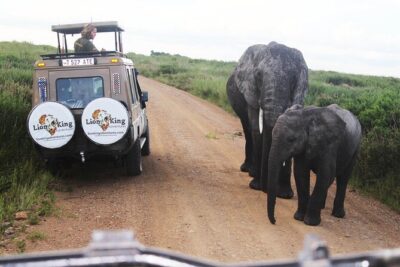
Tarangire is a good first stop because it gives you an immediate introduction to northern Tanzania’s wildlife. The park is known for large elephant groups, and its big old baobabs create a memorable setting for a first game drive. The supplied description does not promise a particular animal sighting, so keep your expectations sensible. Wildlife is never a fixed menu.
The timing matters. You will likely spend much of the day moving between Arusha, the park, picnic areas, and the campsite. That is rewarding if you want a full first day, but tiring if you have just arrived in Tanzania.
The overnight location is listed as Jambo Campsite or Fanaka Campsite, both described as more than 30 minutes outside Tarangire. This is a useful cost-saving choice, but it means you do not sleep inside the park. Ask which campsite is planned for your departure and what kind of tent setup is provided.
Day two: crossing into the Serengeti
Day two is the longest travel-and-wildlife day. After breakfast, you pass through the Ngorongoro Conservation Area on the way to Serengeti National Park.
The route takes you to Naabi Hill Gate, where lunch is planned. Afterward, you begin a game drive toward Serengeti, continuing until sunset before heading to Seronera Campsite for dinner and the night.
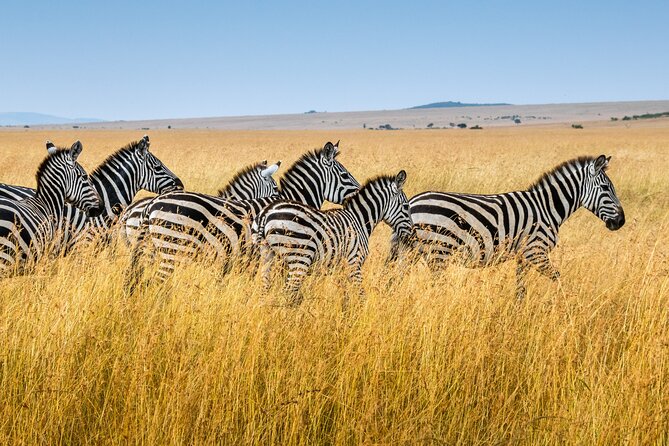
This is where the safari begins to feel big. Serengeti is famous for its open plains and large animal movements, but the journey itself is part of the experience. You will watch the surroundings change as you move away from the crater highlands and toward the central Serengeti area.
The tradeoff is simple: you get access to one of Africa’s most famous parks, but you give up much of the day to driving. Pack water, sun protection, and something warm for early and late hours. Mineral water is included, but personal snacks and items are not listed, so ask what you should bring.
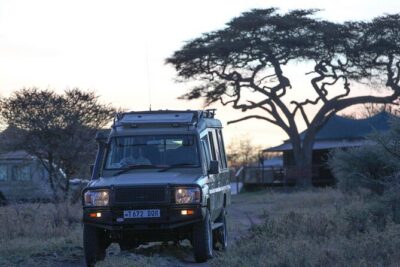
Seronera is an important central base, and sleeping at a campsite here puts you close to the next morning’s game drive. Camping also brings you closer to the sounds of the bush. That can be thrilling, but it is less private and less polished than a lodge.
Day three: sunrise predators and the return route
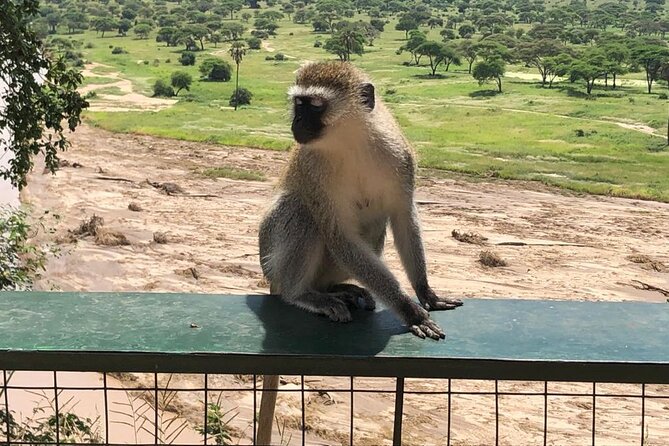
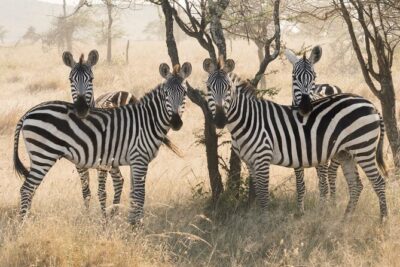
The third day starts early, with a sunrise game drive in Serengeti. This is one of the strongest parts of the schedule. Early hours are a sensible time to search for predators, and the plan specifically focuses on finding them.
After the morning drive, you return for lunch, then continue game viewing while working back toward Simba Campsite near Ngorongoro. The day is listed at about 12 hours, so expect a demanding schedule.
I like the use of the morning here. A safari that only drives in the middle of the day can miss the cooler, more active hours. You should still understand that sightings are never guaranteed. A good guide can help you read animal behavior and communicate with other vehicles, but no itinerary can promise lions, leopards, cheetahs, or the Big Five.
Several guides are named in the supplied material. Eli is described as friendly with very good English. Lewis is praised for answering questions about animals, while Amani is described as warm and attentive. Freddy is also singled out for working hard to find wildlife. Your guide may be one of these people or someone else, so confirm the assignment before departure if that matters to you.
More Serengeti and Ngorongoro itineraries:
- 3 Days Serengeti & Ngorongoro Group Camping Safari
★ 5.0 · 574 reviews - 5-Day Highlights mid-Range Crater, Serengeti, Tarangire
★ 5.0 · 296 reviews - 3-Day Classic Serengeti Safari
★ 5.0 · 263 reviews - Private 6-Day Tarangire Manyara Crater and Serengeti with Mid-Range Lodges
★ 5.0 · 238 reviews
Day four: six hours inside Ngorongoro Crater
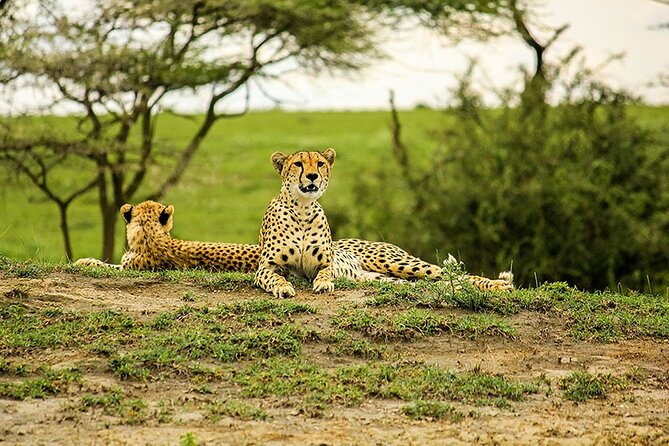
The fourth morning is the centerpiece: you descend into Ngorongoro Crater for about six hours of game viewing and a picnic lunch.
The crater is a collapsed volcanic caldera with a remarkable concentration of wildlife in a relatively contained area. That makes it one of the best places on this route for a focused game drive. You may see grazing animals, birds, and predators in the same broad area, though exact sightings depend on the season and the day.
The descent and ascent add drama, but the crater floor can become busy with safari vehicles. The experience is still special, yet you should not expect solitude. If you want photographs without people and vehicles in every frame, patience and a flexible guide matter.
After the crater visit, you drive to a campsite outside the park, more than 30 minutes away, for dinner and the night. This keeps the accommodation affordable, but it adds another road transfer after a full day. The itinerary headings are not perfectly consistent, so ask specifically if this is the night at Simba Campsite or another property.
Day five: Lake Manyara’s forest and flamingoes
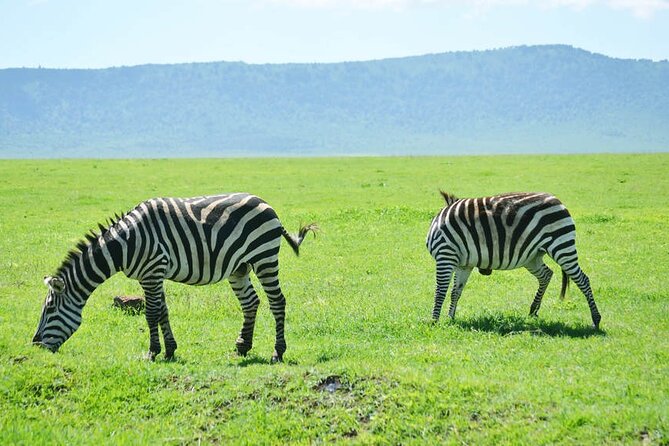
The final safari day takes you to Lake Manyara National Park after breakfast. You spend about half a day on game drives before a picnic lunch and the return to Arusha.
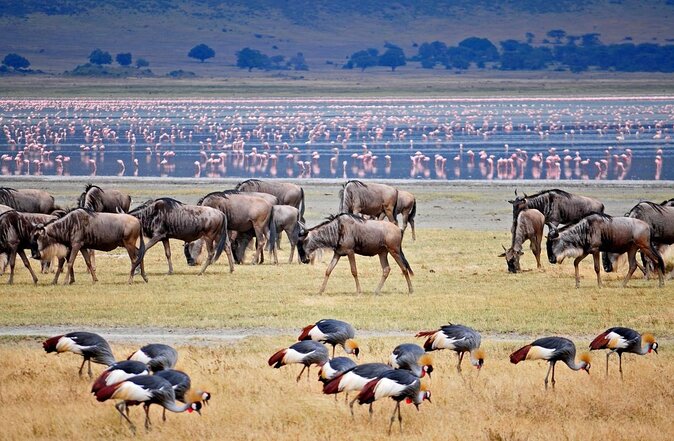
Lake Manyara has a different feel from Tarangire and Serengeti. The park is noted here for its underground-water forest, where water rises through springs and supports dense woodland. The alkaline lake adds another habitat and can attract thousands of flamingoes at certain times of year.
That seasonal wording matters. Flamingoes are possible, not guaranteed. Lake levels, food supply, weather, and the time of year all affect where birds gather. You should visit for the combination of forest, lake, birds, and wildlife rather than treating flamingoes as a promise.
The return drive to Arusha is expected around 5:00 to 6:00 p.m. That makes the final day useful for an evening departure or an overnight in town, but do not book a tight onward flight without confirming the road schedule. Traffic, park delays, and wildlife sightings can all shift the arrival time.
Camping, lodges, and the daily rhythm
Accommodation is supplied at campsites and lodges, but the exact mix is not fixed in the information provided. Some departures use camping throughout, while others combine tents and lodges.
The camping equipment is included. That removes one major practical burden, and the food arrangement is a real part of the value. Breakfast, lunch, and dinner are provided every day. Cooks are part of the safari team, and Ben is specifically praised for preparing good meals throughout the trip.
Still, budget camping requires the right attitude. You should expect basic facilities rather than hotel service. Nights can be tiring after long drives, and you may prefer a lodge if sleep and comfort are your top priorities. Ask these questions before booking:
- Which nights are camping and which are in lodges?
- Are the campsites inside or outside each park?
- What type of tents and sleeping equipment are supplied?
- Is a cook traveling with the group?
- How many people share the vehicle?
The safari’s strongest practical feature is that meals and equipment are already covered. Its weakest point is the lack of firm accommodation detail in the published plan.
Guides, cooks, and organization
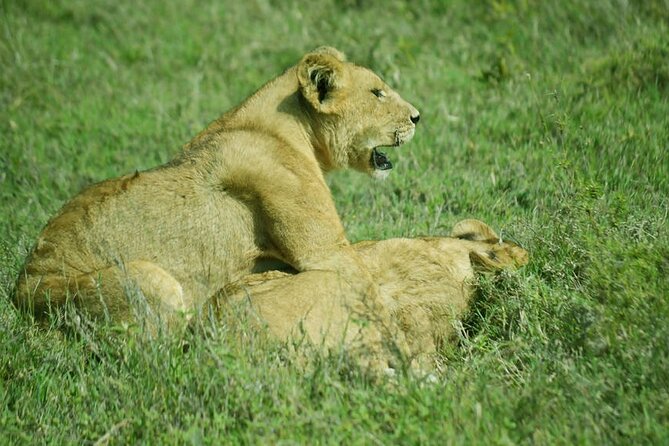
The driver-guide is central to the quality of any safari. You are not simply being driven between gates. The guide chooses routes, watches animal behavior, explains what you are seeing, and helps turn a long road day into something worthwhile.
Names associated with this experience include Humphrey, Eli, Lewis, Amani, Freddy, and Ben. Humphrey is described as quick to answer questions and helpful with airport transfers, hotel stays, SIM cards, onward transport, and other arrangements. That kind of support is useful if you are traveling alone or building a larger Tanzania trip around the safari.
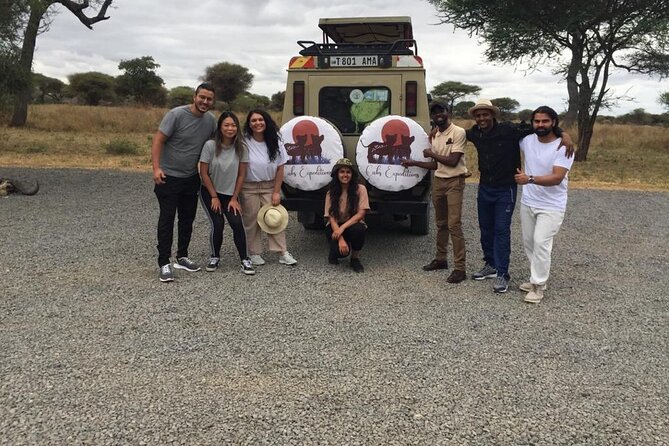
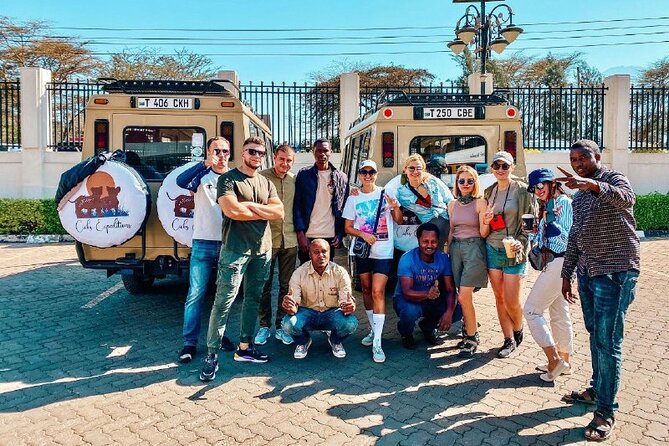
Solo travelers can join a group, and one account describes the group arrangement working well. Couples, families, and friends are also a natural fit. The possible maximum of 50 people means you should not assume a small private departure. Clarify the vehicle size and whether the booking is private or shared.
The food receives unusually strong praise in the supplied material. That matters more than it may sound. After a 10-hour game-drive day, a hot, dependable dinner is not a minor perk.
Is $1,150 good value?
At $1,150, this tour sits in the budget-to-midrange part of the safari market, based on what is included. You receive access to four major safari areas, five days of transport, park fees, accommodation, camping equipment, three meals a day, water, a professional guide, and airport transfers.
The value is especially good if you want variety. You are not paying separately for Tarangire, Serengeti, Ngorongoro, and Lake Manyara, and you do not have to arrange a separate transfer back to Arusha.
The price is less compelling if you want a slow, private, lodge-based trip. Four parks in five days creates a lot of driving, and campsite accommodation is part of the budget formula. A private safari with more nights in lodges would likely cost more, but it could offer more comfort and control.
Group discounts are offered, though no discount amount is given. Ask for the final price in writing, including any requested hotel nights before or after the safari. Some arrangements include accommodation at the start and end, but you should not assume that every booking has the same setup.
What to pack and how to prepare
The tour starts at 6:00 a.m. at Arusha Airport. Confirm the pickup point carefully if you are staying elsewhere in Arusha, since the listed meeting point is the airport.
Bring clothing that works for cool early mornings, hot midday drives, and dusty roads. A light jacket, sun protection, closed shoes, personal toiletries, and a small day bag will be useful. Mineral water is supplied, but personal items are not.
Keep your camera or phone ready during transfers. Wildlife viewing starts on the road, and the scenery changes quickly between the parks. A flexible mindset helps too. You may spend a long stretch looking for one animal and then see several species in a short burst.
Free cancellation is available if you cancel at least 24 hours before the start time. Changes or cancellations inside that window are not accepted for a refund. The policy uses local Tanzanian time.
Who should book this safari?
I would choose this trip if you want to see several famous northern Tanzania parks without building the route yourself. It suits first-time safari visitors, couples, families comfortable with camping, solo participants open to a group, and anyone who values included meals and transfers.
I would hesitate if you need luxury accommodation, short driving days, a guaranteed small group, or a tightly fixed hotel plan. The itinerary also needs clarification because the day headings and park descriptions do not always match perfectly.
Before booking, ask for a final day-by-day schedule, the exact accommodation names, the group and vehicle size, and the name of your guide. If those answers suit you, $1,150 offers a practical way to combine Tarangire, Serengeti, Ngorongoro Crater, and Lake Manyara in one concentrated safari.
FAQ
Where does the safari start?
The listed meeting point is Arusha Airport in Arusha, Tanzania.
What time does pickup begin?
The stated start time is 6:00 a.m.
How long is the tour?
The safari lasts approximately five days.
Which parks are included?
The route includes Tarangire National Park, Serengeti National Park, Ngorongoro Conservation Area and Crater, and Lake Manyara National Park.
Is the Ngorongoro Crater game drive included?
Yes. Day four includes about six hours of game driving inside the crater, with a picnic lunch.
Are park fees included?
Yes. Park fees and all listed activities are included in the price.
Are meals included?
Yes. The package includes five breakfasts, five lunches, and five dinners.
Is accommodation included?
Yes. Accommodation is included, with campsites and lodges used depending on the arrangement.
Is airport transport included?
Yes. Round-trip airport transfer is included.
Can I cancel for a full refund?
Yes, if you cancel at least 24 hours before the experience start time. Cancellations made less than 24 hours before the start are not refunded.
More five day trips in Arusha
- 5 Days Camping Tarangire, Serengeti & Ngorongoro crater & Visiting Maasai
★ 5.0 · 229 reviews - Tanzania Simba Safari – 5 Days
★ 5.0 · 217 reviews - 5 Days Budget Private Safari, Tanzania
★ 5.0 · 191 reviews - 5-Day Private Northern Tanzania Safari from Arusha
★ 5.0 · 182 reviews
Newly listed around Arusha
- 5-Day Private Safari Tour in Tanzania’s Wildlife★ 5.0 · 3 reviews
- 3 Days private safari Tarangire ,Ngorongroro crater &Manyara★ 5.0 · 3 reviews
- 3 Day Sharing Safari – Manyara, Ngorongoro Crater and Tarangire National Parks★ 5.0 · 3 reviews
- Tarangire National Park Day Trip★ 5.0 · 3 reviews
- 2 Days Tarangire and Ngorongoro Crater Tour★ 5.0 · 3 reviews
- 6 -Day Tarangire, Manyara, Serengeti & Ngorongoro★ 5.0 · 3 reviews
- 5 Days Group Camping Safari★ 4.7 · 3 reviews
- Private 4×4 Vitara Safari in Arusha National Park★ 5.0 · 3 reviews
Serengeti & Ngorongoro Safaris, compared.
Balloon Safari & Bush Breakfast in Serengeti – Miracle Experience
Read our review →

Private 6-Day Tarangire Manyara Crater and Serengeti with Mid-Range Lodges
Read our review →
5 Days Camping Tarangire, Serengeti & Ngorongoro crater & Visiting Maasai
Read our review →Browse the lists this tour appears in