
Reviewed · SERENGETI & NGORONGORO SAFARIS
4 Days /3 nights Tarangire, Serengeti and Ngorongoro crater
Tarangire’s giant baobabs and large elephant herds make a strong opening act, then the trip moves into the open plains of the Serengeti before reaching the wildlife-packed floor of Ngorongoro Crater. It is a lot of Tanzania in four days, with game drives each day and three nights at campsites.
I like the small group limit of six, which gives you a better chance of seeing clearly and asking your guide questions without competing with a busload of people. I also like the practical meal plan: breakfast, dinner, and lunch are included, with picnic lunches keeping the game drives moving.
The main drawback is the pace. Long road sections connect three major areas, and the campsite setup may feel basic if you want lodge comfort. You should also confirm the exact lodging, park fees, and the day-by-day timing before paying, since the published schedule gives only broad campsite details.
Key points to know before booking
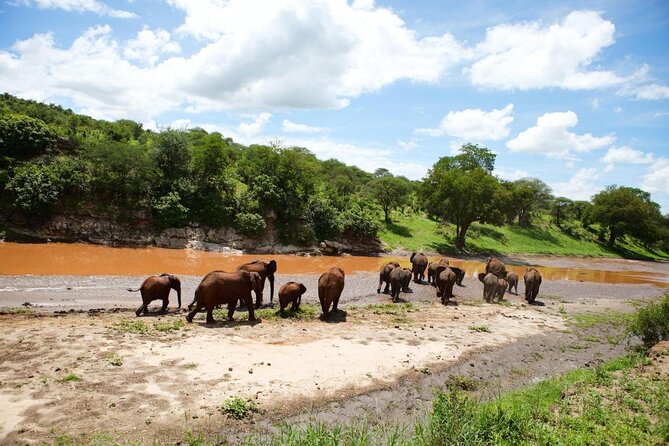
- Tarangire opens with elephants and baobabs: The park is known for an elephant population that can reach thousands during its annual cycle.
- Serengeti time includes the Seronera area: This central zone has a dependable water source and attracts a broad mix of wildlife.
- Ngorongoro provides a concentrated final game drive: The crater floor supports about 30,000 animals, including some of Tanzania’s remaining black rhinos.
- The group is limited to six people: That is a useful size for viewing animals and keeping the vehicle experience more personal.
- All four lunches are included: You will usually eat on the move or at picnic stops rather than return to a lodge at midday.
- The price is $980 per person: That offers good value if the stated meals, transport, guiding, accommodation, and park access are all covered, but confirm exactly what is included.
Why this four-day route works
This safari follows a sensible north Tanzania circuit from Arusha. Tarangire gives you a first taste of the bush without requiring the longest drive on the opening day. Serengeti then supplies the wide-open setting people picture when they think of a Tanzanian safari. Ngorongoro finishes with a dense concentration of animals in a dramatic volcanic setting.
You get three different types of safari scenery in a short period. Tarangire is marked by baobabs and elephants. Serengeti feels spacious and expansive. Ngorongoro offers a compact wildlife area where several species can be found during one crater-floor drive.
That variety is the strongest reason to consider this trip. You are not spending four days in one park hoping conditions work in your favor. At the same time, changing areas takes time. The roads between parks are part of the experience, but they are not game drives, so you should be ready for early starts and long stretches in the vehicle.
The maximum group size of six matters here. Safari vehicles can feel crowded when every person is trying to photograph the same lion or elephant. A smaller party should make it easier to see out of the vehicle, hear explanations, and agree on how long to stay at a sighting.
Adam is specifically identified as the person who explains the trip and handles planning questions. That kind of contact is useful before departure, especially if you have particular interests or need help fitting the safari into a wider Tanzania visit. The strongest service praise focuses on clear communication, careful planning, and attentive support before and during the trip.
More Serengeti and Ngorongoro itineraries:
- Balloon Safari & Bush Breakfast in Serengeti – Miracle Experience
★ 5.0 · 1,646 reviews - 3 Days Serengeti & Ngorongoro Group Camping Safari
★ 5.0 · 574 reviews - 5-Day Highlights mid-Range Crater, Serengeti, Tarangire
★ 5.0 · 296 reviews
Day 1: Tarangire’s baobabs and elephant country
After breakfast, you head from Arusha toward Tarangire National Park. The listed schedule allows about seven hours for the day, including the drive, game viewing, and a picnic lunch.
Tarangire is a good first park because its identity is clear. The enormous baobab trees are not just scenic decoration. Their presence helps explain why the park is such a strong setting for elephant viewing, and the trees give the area a look that differs from the Serengeti’s open grasslands.
The park forms part of an annual movement that can include up to 3,000 elephants, 25,000 wildebeest, and 30,000 zebras. That does not mean you will see every one of those animals on a single day, but it tells you why Tarangire has such a strong reputation for large herds.
Your main activity is a full-day game drive, with lunch taken as a picnic inside the park. I like this arrangement because it gives you more time in the viewing area. You do not have to break off for a long return to a hotel at midday.
The tradeoff is comfort. A picnic lunch and a full day in the vehicle demand stamina, especially if you are not used to rough roads or warm conditions. The published plan says you return to a campsite in the late afternoon for dinner and the first overnight stay.
The exact campsite name and room setup are not provided. Ask if you will sleep in a tent, a fixed camp structure, or another type of accommodation, and ask what facilities are available. The safari price can be good value even with simple lodging, but your expectations should match the accommodation style.
Day 2: The long road to Serengeti and Seronera
Day two begins after breakfast with a drive toward Serengeti National Park. The route passes through the high farmland around Karatu and the Ngorongoro Conservation Area before leaving the uplands behind.
The schedule again allows roughly seven hours. That includes the road journey and an afternoon game drive, so you should not picture a full day of animal watching in the Serengeti. You reach the park in time for lunch, then continue into the central Seronera area.
Seronera is important because the Seronera River supplies water and draws animals to the surrounding area. This makes central Serengeti a useful place to see a broad range of species rather than a single specialty.
The change in scenery is part of the reward. Tarangire’s baobabs give way to plains that stretch toward the horizon. The sense of distance is one of the Serengeti’s great pleasures, particularly when the light changes around sunrise or sunset.
You should also understand the limits of a short visit. The Serengeti is huge, and one afternoon around Seronera cannot cover it all. Your guide must make choices based on time, animal reports, road conditions, and where you want to focus. If you hope to follow the wildebeest migration, ask how the dates of your trip match seasonal movement. The provided plan describes the parks and animals, but it does not promise a specific migration sighting.
Dinner and the second campsite night follow the afternoon drive. As on the first night, accommodation details are not stated. If you prefer a lodge, a private tent, or a certain level of bathroom comfort, settle that point before booking.
Day 3: Leaving Serengeti for the Ngorongoro highlands
The third day begins with breakfast and a morning game drive. You travel with lunch boxes, then head toward Ngorongoro with animal viewing along the route.
This is a useful transition because the road is not treated as dead time. You may have chances to watch wildlife as you leave the Serengeti, though the precise sightings cannot be guaranteed. The schedule allows about six hours, so this day is shorter on paper than the first two, but it still combines driving, viewing, and a change of base.
The movement toward Ngorongoro brings a different sense of place. You leave the broad Serengeti plains and approach the crater area, where the next day’s game drive will take place below the rim.
Dinner and the third campsite night are included. The published plan does not name this campsite or explain whether it is inside or outside the conservation area. That point matters because the location can affect the next morning’s start and the amount of driving you do before reaching the crater floor.
I would ask three simple questions before departure: Where exactly is the third night? What kind of sleeping arrangement is provided? What time does the crater drive begin? These are not minor details on a four-day safari. They shape how much energy you have for the final wildlife day.
More four day trips in Arusha:
- 4 Days Group Camping Safari
★ 5.0 · 1,101 reviews - 4 Days Join Group tour Tarangire Serengeti and Ngorongoro crater
★ 5.0 · 219 reviews - 4-Day Safari from Arusha: Tarangire, Serengeti and Ngorongoro
★ 5.0 · 173 reviews - 4 Days safari Tour Tanzania
★ 5.0 · 159 reviews
Day 4: Ngorongoro Crater and the drive back to Arusha
After breakfast, you descend into Ngorongoro Crater with a packed lunch. The plan allows about six hours for the crater visit and the return drive to Arusha, with arrival expected around 5 p.m.
Ngorongoro is a powerful final stop because animals are concentrated on the crater floor. The area supports an estimated 30,000 animals, helped by year-round water and available food. You may find wildebeest, zebra, buffalo, eland, warthog, hippo, and large African elephants in the same broad area.
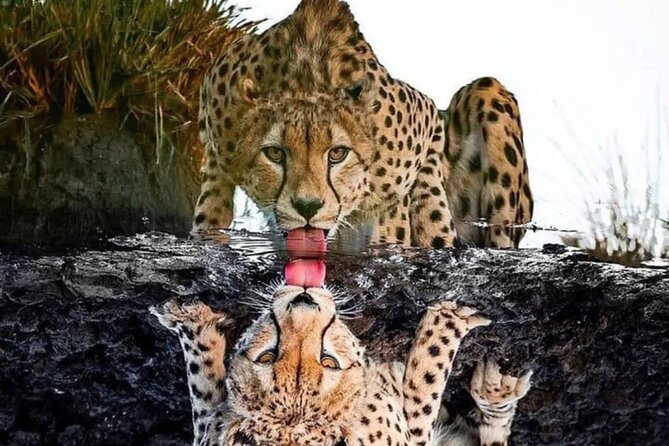
The crater is also known for predators. Lions, hyenas, jackals, cheetahs, and leopards are listed among the species found there. Black rhino is another major draw, though seeing one is never something a responsible safari should promise.
Lake Magadi adds another point of interest, with possible views of flamingos. You may also find gazelles and zebra around the lake area. The picnic lunch on the crater floor keeps the day moving, but remember that this is still a busy schedule. You are fitting a major game drive and a long road back to Arusha into one day.
The return arrival is planned for late afternoon, around 5 p.m. That timing is helpful if you have an evening hotel booking in Arusha, but I would avoid scheduling a flight the same night. The tour information does not provide a firm arrival guarantee, and road conditions, wildlife stops, and park formalities can all affect timing.
What the $980 price means
At $980 per person, this is not a budget day trip. It is a four-day safari across three of northern Tanzania’s best-known wildlife areas, with three breakfasts, three dinners, and four lunches included.
The value is strongest if the price also covers the practical essentials you need on the ground: pickup, safari transport, guiding, campsite accommodation, and the relevant park or conservation charges. Pickup is offered, and the group is capped at six. Airfare and travel insurance are not included.
The admission information is not completely clear. Tarangire and Serengeti show no separate admission ticket charge in the schedule, while Ngorongoro is marked as having admission included. That does not tell you enough to know whether all park fees are covered in the $980. Ask for a written breakdown before booking.
Food coverage is easy to understand. You receive three breakfasts, three dinners, and four lunches. The lunches are described as picnic meals or lunch boxes, so this is not a restaurant-based tour. That is normal for a safari and gives you more time near the animals, but it is worth knowing if you need special meals.
The price looks attractive for a small-group safari if the accommodation and park charges are included. It is less attractive if you later need to add major fees or pay extra for the stated campsite nights. A clear pre-trip cost sheet will help you compare it fairly with lodge-based options.
The guide and service experience
The human side of a safari can make or break the trip. You spend many hours in the vehicle, often on rough roads, so communication and driving skill matter as much as the park selection.
The service record gives special weight to clear communication from the start. Adam is described as answering questions, explaining the trip, and making an effort to plan around personal interests. That is useful when you are trying to understand a busy route before arriving in Tanzania.
The driver-guide role is also important. Strong feedback focuses on safe driving, animal knowledge, and thoughtful service throughout the trip. Since no guide is named in the supplied details beyond Adam, ask who will lead your vehicle and whether Adam is your guide or your booking contact.
The group limit of six supports a more comfortable experience, but you should still ask whether the vehicle is shared with other people. The maximum is stated clearly, yet the information does not explain the seating arrangement or whether private departures are available.
What to confirm before you pay
A few practical questions will protect the value of your booking:
- Ask for the names and locations of all three campsites.
- Confirm whether park, conservation, and crater fees are included.
- Ask what type of vehicle is used and whether the group will share it.
- Confirm the pickup point in Arusha and the expected first-day departure time.
- Ask how dietary needs are handled, since all lunches are picnic meals or lunch boxes.
- Check the exact return plan if you have a flight or fixed appointment after the safari.
Confirmation is provided at booking. The activity operates daily during the stated booking period, and most people can participate. It is near public transportation, though the key point is still arranging the correct pickup in Arusha.
Free cancellation is available when you cancel at least 24 hours before the start time. Cancellations or changes inside that window are not accepted for a refund.
Who should book this safari
I would choose this trip if you have four days, want the classic northern Tanzania route, and prefer a small group to a private luxury vehicle. It suits you especially well if elephants, wide Serengeti views, and a concentrated crater game drive all matter more than long stays at one park.
It also works for people who value support during planning. Adam’s role in answering questions and shaping the days around interests is a useful advantage, particularly for first-time safari visitors.
I would be more cautious if you dislike basic campsites, long drives, or tightly packed schedules. You may prefer a longer itinerary that gives you extra Serengeti nights and more time to recover between drives. You should also look elsewhere if you need guaranteed luxury accommodation, since the lodging details here are limited.
Final verdict: a strong route with a few questions to settle
This four-day safari gives you a lot: Tarangire’s elephants and baobabs, an afternoon and morning in the Serengeti, and a final game drive among the wildlife of Ngorongoro Crater. The small group, included meals, pickup option, and attentive planning support make the $980 price worth serious consideration.
My advice is to book if the operator confirms that the key park fees, transport, and campsite accommodation are covered. Ask for the exact sleeping arrangements and daily departure times first. If those details match your comfort level, this is a compact and well-chosen introduction to Tanzania’s most celebrated safari areas.
FAQ
How long is the safari?
The safari lasts four days and three nights, with departure from Arusha and a planned return to Arusha around 5 p.m. on the final day.
Which national parks and areas are included?
The route includes Tarangire National Park, Serengeti National Park, and Ngorongoro Crater.
What meals are included?
Three breakfasts, three dinners, and four lunches are included. Lunches are described as picnic lunches or lunch boxes during the game drives.
Is pickup available?
Yes, pickup is offered. The provided information does not specify the exact pickup location, so confirm that detail when booking.
How many people can join the tour?
The activity has a maximum of six travelers.
Are flights included?
No. Airfare tickets are not included in the price.
Is travel insurance included?
No. Travel insurance is not included.
Can I cancel for a full refund?
Yes, if you cancel at least 24 hours before the experience start time. Cancellations or changes made less than 24 hours before the start time are not accepted for a refund.
Newly listed around Arusha
- 5-Day Private Safari Tour in Tanzania’s Wildlife★ 5.0 · 3 reviews
- 3 Days private safari Tarangire ,Ngorongroro crater &Manyara★ 5.0 · 3 reviews
- 3 Day Sharing Safari – Manyara, Ngorongoro Crater and Tarangire National Parks★ 5.0 · 3 reviews
- Tarangire National Park Day Trip★ 5.0 · 3 reviews
- 2 Days Tarangire and Ngorongoro Crater Tour★ 5.0 · 3 reviews
- 6 -Day Tarangire, Manyara, Serengeti & Ngorongoro★ 5.0 · 3 reviews
- 5 Days Group Camping Safari★ 4.7 · 3 reviews
- 4 Days Tanzania Safari★ 4.5 · 3 reviews
Serengeti & Ngorongoro Safaris, compared.


Balloon Safari & Bush Breakfast in Serengeti – Miracle Experience
Read our review →




Private 6-Day Tarangire Manyara Crater and Serengeti with Mid-Range Lodges
Read our review →
5 Days Camping Tarangire, Serengeti & Ngorongoro crater & Visiting Maasai
Read our review →Browse the lists this tour appears in