
Reviewed · ARUSHA TOURS
4-Day Tanzania Private Luxury Drive In-Drive Out Safari 2025-2026
The great draw here is the chance to spend two full days in Serengeti National Park, followed by a long game drive inside the Ngorongoro Crater. That gives you a fair shot at lions, leopards, elephants, buffalo, cheetahs, hyenas, and perhaps the rare black rhino, all without changing vehicles or sharing the safari with strangers.
I like the private format, since your group can focus on its own pace and wildlife interests. I also like the all-in price: four nights of meals, transport, park fees, and lodging are bundled together, which makes planning simple. The catch is important: this is a fast four-day route, Tarangire is listed among the highlights but does not appear in the day-by-day plan, and a Mara River crossing is never guaranteed.
Key points to know before booking
- Two full Serengeti days: Central Serengeti receives the most attention, with sunrise viewing, the Sogore River Circuit, visitor centre, and Kopjes Circuit.
- Ngorongoro’s crater floor: A seven-hour-plus game drive offers concentrated wildlife viewing in a naturally enclosed area.
- Private vehicle and guide: Only your own group participates, with a guide such as Joseph associated with the operator’s safari work, subject to assignment.
- Luxury is not fully defined: Lodges or camps are included, but their names and exact standards are not provided before booking.
- Long driving days: The first and final days involve substantial road time between Arusha, Serengeti, Ngorongoro, and back to Arusha.
- Migration timing matters: The route may offer migration viewing, but the Mara River crossing depends on season, herd location, weather, and luck.
What this four-day safari really offers
This is a compact Northern Tanzania safari built around two headline areas: Serengeti and Ngorongoro. You begin and end in Arusha, the usual base for northern safari routes, with a private vehicle and driver-guide handling the road, park entries, meals, and accommodation.
The plan is designed for convenience. You meet at Shoppers Supermarket in Arusha at 8:00 am, make a possible stop for last-minute personal shopping, then head west through the Maasai Steppe and toward the Great Rift Valley. You do not need to arrange separate transfers between parks or find restaurants along the way.
That simplicity has real value. Safari planning can involve park fees, meal arrangements, lodge bookings, vehicle hire, and borderless questions about where to sleep each night. Here, those main pieces are bundled into one price of $1,483 per person.
Still, do not read private luxury as a guarantee of a specific five-star lodge. The accommodation is described only as a camp or lodge. Ask for the property names, room type, and location before paying. A well-placed lodge can save driving time and improve early game drives, while a more distant property can make an already long day feel longer.
More Safaris in Arusha
- Balloon Safari & Bush Breakfast in Serengeti – Miracle Experience
★ 5.0 · 1,646 reviews - 4 Days Group Camping Safari
★ 5.0 · 1,101 reviews - 5 Days Group Camping Safari
★ 5.0 · 730 reviews
Day 1: Arusha to Serengeti through the Rift Valley
The first morning begins at Shoppers Supermarket in Arusha. The planned departure is 8:00 am, with a chance to buy personal items before leaving town. That small stop is useful, since remote park areas are not the place to discover you forgot a snack, medication, or other basic need.
The road then carries you through the Maasai Steppe and across the floor of the Great Rift Valley. You will also pass through the Ngorongoro Conservation Area before reaching Serengeti. This is not simply dead time in a vehicle. The changing scenery gives you a sense of how quickly northern Tanzania shifts from town life to open country.
The drawback is the distance. The day combines a long transfer with an afternoon game drive, so you may arrive tired. The schedule says you reach Serengeti in the afternoon, continue wildlife viewing until evening, then check into camp or lodge for dinner and sleep.
That first drive is valuable because it places you inside Serengeti without using a separate internal flight. It is also the least relaxed day of the trip. If you prefer slow mornings and short transfers, this route may feel demanding.
Day 2: Central Serengeti from sunrise to the Kopjes
Day two is the strongest wildlife day on paper. After breakfast, you spend about eight hours on a full-day drive through central Serengeti, an area associated with lions, leopards, elephants, and many other species.
The early start matters. Sunrise is a good time to look for predator activity, including lions or cheetahs on the move. Wildlife is unpredictable, so no guide can promise a hunt, but beginning early gives you more hours in the park and better access to the cooler part of the day.
The Sogore River Circuit is included as a focus area. It can offer sightings of lions, gazelles, and cheetahs. Later, you visit the visitor centre near Seronera Lodge, where wildlife displays add some background to what you are seeing outside.
Lunch is a picnic, followed by more game viewing. The afternoon includes the Kopjes Circuit, where large rocky outcrops can provide useful places to scan for lions and other animals. These stops give the day some structure rather than leaving you to drive randomly from one sighting to the next.
The tradeoff is that a full day in a safari vehicle can be tiring. You should expect road bumps, long periods of waiting, and plenty of time spent looking across open grassland. The reward is time. You are not limited to a short morning drive before moving to another park.
Day 3: More Serengeti, then the Ngorongoro rim
The third day begins with more Serengeti game viewing, followed by another afternoon drive. You have lunch and a midafternoon break at the lodge, which is welcome after two demanding days of early starts and vehicle time.
Serengeti means endless plains in Maasai, and the name fits the broad setting described here. The park is home to major carnivores such as lion, leopard, hyena, and cheetah. Birdlife is also a major part of the experience, with eagles, vultures, herons, and more than 500 other bird species recorded in the park.
The annual wildebeest and zebra migration is another major reason people choose this route. The herds move between the Serengeti and Kenya’s Maasai Mara, with predators following behind. The most useful practical point is that the migration is seasonal and constantly moving. The plan highlights a Mara River crossing, but the crossing cannot be treated as a scheduled event.
The timing given for the northward movement is May or early June, while the Mara River crossing is usually linked to a different period of the migration cycle. Because the supplied details do not provide a travel date, you should ask the operator exactly what wildlife movement the 2025 or 2026 departure is designed to target.
After more game viewing, you leave Serengeti through the Ngorongoro gate and continue toward the crater rim. The route includes an en route game drive, then dinner and overnight accommodation near the rim.
Sleeping near Ngorongoro is a smart part of the plan. It positions you for an early descent into the crater the next morning, rather than requiring a long approach from Arusha. Again, confirm the accommodation’s exact name and distance from the crater gate.
A change of scene while you are in Arusha:
- Tanzania Classic – 7 Days
★ 5.0 · 1,151 reviews - Materuni Waterfalls, coffee tour & Kikuletwa Hot Springs
★ 5.0 · 643 reviews - 3 Days Serengeti & Ngorongoro Group Camping Safari
★ 5.0 · 574 reviews - 7-Day Premium Luxury Tanzania Safari All-Inclusive
★ 5.0 · 426 reviews
Day 4: Seven hours inside Ngorongoro Crater
The final day is centered on Ngorongoro Crater, a vast caldera formed when an ancient volcano collapsed. Its high walls and year-round water supply support a dense concentration of wildlife.
After breakfast, you descend with a lunch box for a game drive lasting more than seven hours. That is a long visit, but Ngorongoro rewards patience. The crater floor can offer sightings of wildebeest, zebra, buffalo, lions, hyenas, leopards, elephants, and possibly black rhino.
The crater is often a good place to look for several major species in one day because animals are concentrated within a contained area. The plan also identifies it as home to about 30,000 animals, including the critically endangered black rhino. A sighting is never assured, and the crater is not a zoo, but the setting gives you a strong chance to see a wide range of wildlife.
You stop for a picnic lunch, then continue the drive before returning to Arusha. The final day is both rewarding and tough. Seven hours on the crater floor, followed by the road back to town, makes for a full schedule. If you have a flight that evening, leave a generous buffer or arrange a later departure. The published details do not state an exact arrival time in Arusha.
The Tarangire problem deserves attention
Tarangire National Park is named in the highlights, but the four-day schedule does not include it. The route describes Arusha to Serengeti on day one, Serengeti on days two and three, and Ngorongoro on day four.
That matters because Tarangire is not a minor side stop. Adding it would change the route and likely reduce time in Serengeti or Ngorongoro. Before booking, ask for written confirmation of the parks included in your specific departure.
If Tarangire is essential to your plans, this may not be the right version of the trip unless the operator issues a revised schedule. If Serengeti and Ngorongoro are your priorities, the route as written has a clear focus and gives Serengeti the most time.
Is the $1,483 price good value?
At $1,483 per person, the package includes a driver-guide, hotel or lodge accommodation during the safari, park fees and taxes, three breakfasts, four lunches, and three dinners. Transport is also part of the arrangement, and the tour is private rather than a shared departure.
That is a useful bundle for someone who wants one booking to cover the major expenses. The private vehicle is especially valuable for couples, families, or a small group that wants control over stops and wildlife interests. Group discounts may also improve the per-person cost for larger private parties.
The price needs careful comparison, though. It does not include flights, visas, tips, personal expenses, medical insurance, travel insurance, or accommodation before and after the safari. You should also confirm whether the stated price includes the exact luxury lodge category you expect.
Meals are covered, which keeps daily spending down. Four lunches are included because the route uses packed or picnic lunches on driving days. You will still want a budget for drinks, personal purchases, tips, and any overnight stay in Arusha before or after the safari.
Private touring and guide expectations
This is a private activity, so only your group participates. That is a major advantage on a safari. You are not automatically tied to another group’s preferred departure time, diet, patience, or interest in birds and smaller animals.
A professional guide can make a large difference. Joseph is a guide name associated with the operator’s safari work, and he has been praised for professionalism, safety, wildlife spotting, and helping groups see difficult animals such as leopard. You should confirm the assigned guide before departure, since the published information does not promise that Joseph will lead this particular trip.
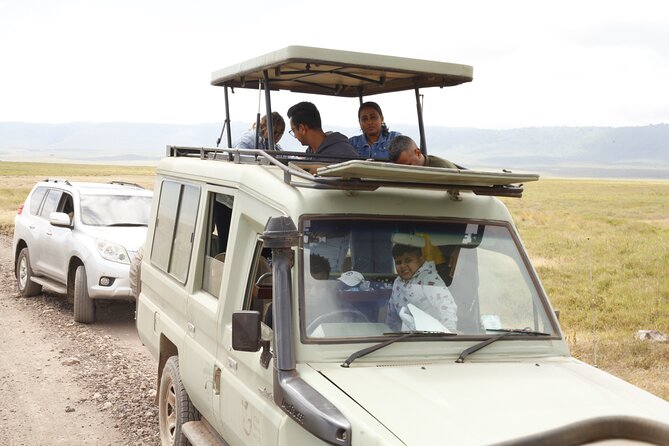
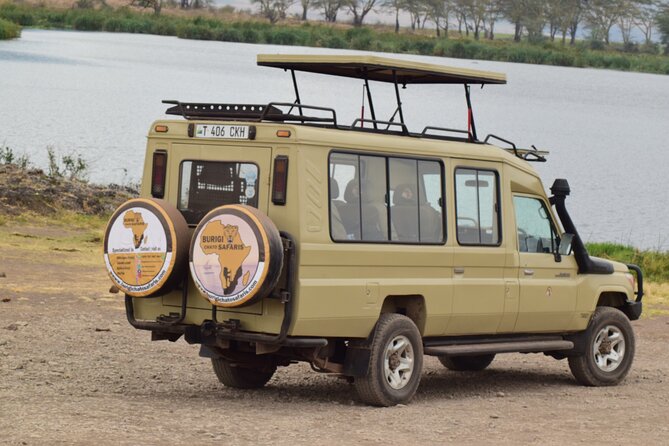
The vehicle is described in customer feedback connected with the operator as a top-class safari vehicle. Even so, ask what vehicle model and seating setup will be used. The package description does not specify vehicle capacity, window arrangements, charging points, or roof design.
What the experience does well
The strongest parts of this safari are clear:
- You get two substantial days in Serengeti rather than rushing through it in a single afternoon.
- The route includes sunrise and afternoon wildlife viewing, giving you different times of day in the park.
- Ngorongoro receives a long crater-floor visit rather than a brief photo stop.
- The private setup gives your own group more flexibility.
- Meals, park fees, transport, and safari accommodation are included.
- The route offers scenery beyond the animals, including the Maasai Steppe, Rift Valley, Ngorongoro highlands, and Serengeti plains.
The operator’s safari work also has a strong record of praise for guide professionalism, vehicle quality, organization, and migration viewing. Those are the practical details that can turn a difficult long-distance safari into a manageable one.
The limits you should plan around
The biggest issue is the title’s strong emphasis on the Mara River migration. A river crossing depends on herd location, rainfall, timing, and animal behavior. You can plan for the right season, but you cannot schedule the crossing like a museum visit.
The second concern is the word luxury. No lodge names, room descriptions, or accommodation grades are supplied. Ask for those details before booking, along with whether the camp is permanent or mobile, how far it is from each park entrance, and whether rooms have private bathrooms.
The third issue is speed. Four days gives you a good introduction to Serengeti and Ngorongoro, but it leaves little room for delays, poor weather, or a change in wildlife focus. The long first and final days reduce time for rest.
The cancellation terms are strict. The experience is non-refundable and cannot be changed after booking. If poor weather forces cancellation, you are offered another date or a full refund. That makes travel insurance especially important, since personal cancellations and other uncovered costs are not refunded under the stated policy.
Who should book this safari?
I would recommend it to you if you want a private, all-inclusive safari with Serengeti and Ngorongoro as the main targets. It also suits first-time safari visitors who prefer to have transport, meals, park fees, and accommodation arranged together.
Families may appreciate the private format, especially if younger children need breaks or specific meal arrangements. Couples and small groups can also benefit from dividing the cost of a private vehicle.
I would be more cautious if your main goal is a guaranteed Mara River crossing, a slow-paced luxury holiday, or a specific Tarangire visit. For those priorities, ask for a customized route with more nights and firm accommodation details.
Should you book it?
Book this safari if you value two full Serengeti days, a long Ngorongoro Crater visit, and private transport at a bundled price. The wildlife potential is excellent, and the route covers two of northern Tanzania’s biggest attractions.
Before paying, get three points in writing: the exact lodge and camp names, whether Tarangire is included, and the seasonal plan for migration viewing. If those answers match your expectations, this is a practical short safari with strong wildlife coverage. If the Mara River crossing is your one must-see event, add more time and treat the crossing as a possibility, not a promise.
FAQ
Where does the safari start?
It starts at Shoppers Supermarket in Arusha, Tanzania.
What time does the safari start?
The scheduled start time is 8:00 am.
Where does the safari end?
The activity ends back at the starting meeting point in Arusha.
Is this a private safari?
Yes. Only your group participates in the activity.
Which parks are included in the day-by-day route?
The detailed route includes Serengeti National Park and the Ngorongoro Conservation Area. Tarangire is mentioned in the highlights but is not included in the daily schedule provided.
How long is the safari?
The safari lasts approximately four days.
How many meals are included?
The package includes three breakfasts, four lunches, and three dinners.
Is accommodation included?
Yes. Hotel, camp, or lodge accommodation during the safari is included. Exact property names are not provided.
Are park fees and taxes included?
Yes. All fees and taxes are included in the package.
What is not included?
Flights, crew tips, visas, personal needs, medical insurance, travel insurance, and accommodation before or after the safari are not included.
Can the safari be canceled for a refund?
The experience is non-refundable and cannot be changed for personal reasons. If poor weather causes the operator to cancel it, you will be offered another date or a full refund.
More four day trips in Arusha
- 4 Days Join Group tour Tarangire Serengeti and Ngorongoro crater
★ 5.0 · 219 reviews - 4-Day Safari from Arusha: Tarangire, Serengeti and Ngorongoro
★ 5.0 · 173 reviews - 4 Days safari Tour Tanzania
★ 5.0 · 159 reviews - 4 Days Tarangire Serengeti Ngorongoro Crater
★ 5.0 · 117 reviews
Newly listed around Arusha
- 5-Day Private Safari Tour in Tanzania’s Wildlife★ 5.0 · 3 reviews
- 3 Days private safari Tarangire ,Ngorongroro crater &Manyara★ 5.0 · 3 reviews
- 3 Day Sharing Safari – Manyara, Ngorongoro Crater and Tarangire National Parks★ 5.0 · 3 reviews
- Tarangire National Park Day Trip★ 5.0 · 3 reviews
- 2 Days Tarangire and Ngorongoro Crater Tour★ 5.0 · 3 reviews
- 6 -Day Tarangire, Manyara, Serengeti & Ngorongoro★ 5.0 · 3 reviews
- 5 Days Group Camping Safari★ 4.7 · 3 reviews
- 4 Days Tanzania Safari★ 4.5 · 3 reviews
Arusha Tours, compared.

Balloon Safari & Bush Breakfast in Serengeti – Miracle Experience
Read our review →






Browse the lists this tour appears in