
Reviewed · SERENGETI & NGORONGORO SAFARIS
3Days luxury safari to Tarangire Ngorongoro crater and Manyara
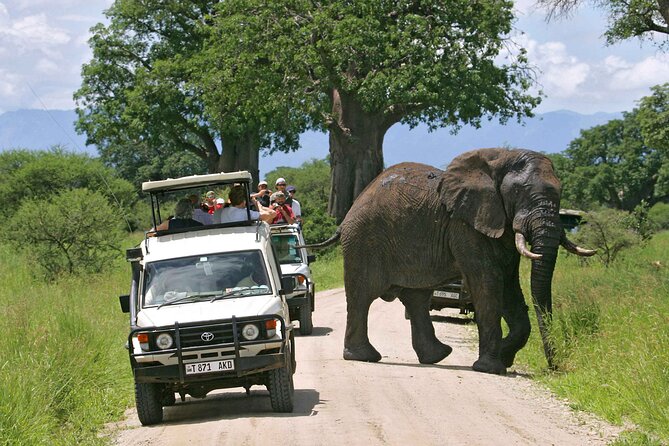
Tarangire’s great appeal is its sense of space. Elephants gather in large herds, baobabs and tree savanna stretch across the view, and the park feels less enclosed than a small reserve. This three-day route then adds Ngorongoro Crater, where wildlife is concentrated inside an ancient volcanic bowl, and Lake Manyara, known for birds and tree-climbing lions.
I like two things right away: the private format, which means only your own group rides together, and the open-roof 4WD Land Cruiser, built for wildlife viewing and photographs. Guides including Ombeni, Lucas, and Lunje have been praised for animal knowledge, patience at sightings, and choosing useful camera angles. The main consideration is the pace. Three parks in three days gives you variety, but not much spare time if roads or wildlife sightings slow the schedule.
Key points at a glance
- Large Tarangire elephant herds: The park is famous for some of northern Tanzania’s biggest elephant gatherings, with more than 4,000 noted in the supplied tour information.
- Ngorongoro’s black rhino possibility: The crater gives you one of the better chances on this route to look for this rare animal, along with lions, buffaloes, gazelles, and hippos.
- A private safari vehicle: Your group travels alone in a 4WD Land Cruiser with a photographic roof hatch.
- Three very different settings: Tarangire offers tree savanna and seasonal marshes, Ngorongoro brings a compact crater floor, and Manyara combines forest, savanna, and alkaline lake.
- Lodge accommodation is advertised: The description promises lodge stays, while camping equipment is also listed as included, so confirm the exact overnight arrangements before paying.
- A strong guide-led experience: Names praised in the supplied feedback include Ombeni, Lucas, Lunje, Proches, and Jackson, though your assigned guide may be different.
Why this three-day route works
Northern Tanzania has several famous parks close enough to combine, but each gives you a different kind of safari. Tarangire is about elephant country and broad views. Ngorongoro is about density: animals are easier to find because the crater walls hold them in a smaller area. Manyara changes the mood again, with water, forest, and a large bird population.
That variety is the best reason to choose this itinerary. You are not spending three days looking at the same type of grassland. You get large mammals, predators, birds, forests, and one of Africa’s most striking natural settings.
The route is also designed for people who want a short safari from Arusha. It includes pickup, park fees, transport, breakfast, lunch, and dinner, which removes several common planning chores. At $1,500 per person, it is not a budget outing, but the price can make sense if the private vehicle, guide service, meals, accommodation, and conservation fees are all included as described.
Still, you should read the word luxury with some care. The vehicle and private arrangement may feel comfortable, but the published details also mention camping equipment, and the accommodation information is not fully precise. Ask for the names and locations of the lodges, whether the stay is in a permanent tent or a room, and what dinner service includes.
More Safaris in Arusha
- Balloon Safari & Bush Breakfast in Serengeti – Miracle Experience
★ 5.0 · 1,646 reviews - 4 Days Group Camping Safari
★ 5.0 · 1,101 reviews - 5 Days Group Camping Safari
★ 5.0 · 730 reviews
Day 1: Tarangire and the elephant herds
Pickup is scheduled in the morning from your hotel in Arusha. From there, you travel toward Tarangire National Park, the first major wildlife area on the route.
Tarangire is especially appealing in its tree savanna. The park is known for seasonal marshes, scattered baobabs, and large numbers of elephants. You may also see giraffes, buffaloes, lions, zebras, wildebeest, antelopes, and gazelles. Warthogs and other familiar safari animals are also possible.
The open roof of the Land Cruiser matters here. You can stand or sit beneath the photographic hatch, giving you a higher viewpoint than a normal car window and a clearer way to frame animals. A good guide will help you get into position without rushing every sighting. One of the most useful details from the feedback is that guides have allowed time when animals appeared instead of treating each stop as a quick checklist.
Lunch is taken at a picnic site during the park visit. After lunch, the game drive continues into the afternoon before you head to the accommodation. The plan says you sleep inside the park or close to it, which is valuable because you do not need to race back to Arusha at the end of the day.
My practical advice: Keep your first day flexible. Tarangire is not only about finding a lion. Elephants often provide the most memorable encounters, especially when a herd moves across the open ground or gathers near water. Watch the smaller scenes too, such as giraffes feeding among trees or antelopes moving through the grass.
The drawback is the amount of driving involved in reaching the park and continuing through it. You will spend much of the day in the vehicle, and the rougher park roads can be tiring. The payoff is that Tarangire feels spacious and varied, rather than like a quick stop on the way to somewhere else.
Day 2: Ngorongoro Crater from the rim to the floor
After breakfast, you travel to the Ngorongoro Conservation Area. At the entrance gate, your guide provides an explanation, followed by a photo stop. The route then continues to a viewpoint above the crater before the vehicle descends to the floor.
That descent is one of the great visual moments of the safari. From above, the crater appears as a broad enclosed world framed by volcanic walls. Once below, the scale changes. The floor brings grassland, woodland on the slopes, water, and concentrated animal life into one long game drive.
The wildlife list is strong. You might see black rhino, Grant’s and Thomson’s gazelles, lions, leopards, elephants, mountain reedbucks, buffaloes, and spotted hyenas. Hippos are also possible, and the area supports more than 500 bird species. Rare wild dogs are mentioned as a possibility, but you should treat them as a lucky sighting rather than an expectation.
The crater is the best part of this itinerary for anyone hoping to see several major species in a compact setting. The chance of seeing a black rhino is a major draw, though no guide can promise one. You may also find that the crater feels busier than Tarangire because its scenery and animal density attract many safari vehicles.
A picnic lunch is planned inside the crater, followed by more wildlife viewing. In the afternoon, you leave the caldera and return to the accommodation.
This is a demanding day. There is the drive to the conservation area, the descent, an intensive game drive, lunch, and the climb out. You will want water, sun protection, and a camera battery that can last. The itinerary does not give exact departure times, so ask your operator how early breakfast and the crater entry are planned. Earlier movement can matter on a full day with a fixed crater schedule.
The surrounding conservation area also adds cultural meaning to the route. The Maasai live in this wider region, and the supplied feedback refers to Maasai culture as part of the experience. Do not expect a full cultural visit unless one is separately arranged, but the area is more than a wildlife park. People, livestock, conservation, and tourism share the same region.
Day 3: Lake Manyara’s forest, birds, and lake edge
The final day takes you to Lake Manyara National Park. The supplied schedule says you depart from Arusha after breakfast, but the preceding day ends at accommodation after Ngorongoro. That wording is unclear, so confirm the actual morning pickup point. In practice, the important question is whether you are staying near the crater or returning to Arusha before visiting Manyara.
Manyara has a different character from the first two parks. The western Rift Valley escarpment forms a dramatic boundary, while shallow alkaline Lake Manyara spreads across the eastern side of the park. The lake expands and contracts with the seasons, and during the rains it can attract thousands of flamingos.
Birdlife is one of the park’s main reasons to visit. You may also see tree-climbing lions, giraffes, elephants, buffaloes, hippos, and antelopes. The habitat changes from savanna to evergreen forest, so the drive can feel more enclosed and leafy than Tarangire or the open crater floor.
The name Manyara comes from the Maasai word emanyara, a plant used to build a protective enclosure around a family homestead. That small detail gives the park a human connection without turning the visit into a staged cultural performance.
Manyara is the most season-sensitive stop on this route. Flamingo numbers depend on water conditions, and wildlife visibility in forested areas can be less open than on the crater floor. If your main goal is big cats, Tarangire and Ngorongoro may feel more rewarding. If you like birds, changing habitats, and a quieter shift in scenery, Manyara earns its place.
The activity ends back at the meeting point in Arusha. Because the third day combines a park visit with the return journey, ask how much time is reserved for game viewing. A rushed final day would be the biggest weakness in an otherwise well-shaped itinerary.
More Serengeti and Ngorongoro itineraries:
- 3 Days Serengeti & Ngorongoro Group Camping Safari
★ 5.0 · 574 reviews - 5-Day Highlights mid-Range Crater, Serengeti, Tarangire
★ 5.0 · 296 reviews - 3-Day Classic Serengeti Safari
★ 5.0 · 263 reviews - Private 6-Day Tarangire Manyara Crater and Serengeti with Mid-Range Lodges
★ 5.0 · 238 reviews
The guide can make or break the safari
A safari vehicle is only part of the experience. Your guide decides how well you understand animal behavior, how long you stay at a sighting, and how safely the vehicle is positioned.
The strongest names associated with this operation are Ombeni, Lucas, Lunje, Proches, and Jackson. Ombeni is described as engaging and well informed at Ngorongoro and Tarangire. Lucas is praised for dedicated service across a longer trip, while Lunje is described as funny and strong on animal information. Proches and cook Dennis received special praise from a family group that needed attention to food allergies.
Those names do not guarantee who will be assigned to you. Use them as evidence of the kind of service you should request, not as a promise. Before departure, ask who your guide will be, whether the guide also handles driving, and how dietary needs should be communicated.
The useful standard is simple: your guide should explain what you are seeing, give you time for photographs, and answer questions without turning the day into a lecture. Several positive accounts also point to helpful communication from David, who appears to handle arrangements for Dancing Simba Safaris.
Meals, accommodation, and what luxury means here
Breakfast, lunch, and dinner are included in the package details, along with transport, park fees, and camping equipment. The main description promises lodge accommodation, and several accounts describe cozy accommodation and friendly staff, including a mention of Fig Tree.
There is a mismatch worth clearing up. Lodge accommodation and camping equipment suggest two different styles of overnight stay. You should ask for a day-by-day accommodation plan before booking. Confirm the property names, room type, bathroom arrangement, meal setup, and whether any camping night is permanent tented accommodation or standard camping.
Food can be especially important on a packed safari. One family specifically needed allergy-conscious meals and credited the guide and cook for handling those needs. If you have allergies or dietary restrictions, send them in writing before the trip and repeat them to the guide on pickup.
The included meals add real value at $1,500 per person because park days leave little time to arrange food independently. Personal purchases, laundry, tips, travel insurance, and visa fees are not included. Budget separately for those items, especially a tip for a guide who provides strong service.
Is $1,500 per person good value?
The price is easiest to judge by what is included. You receive a private safari, a 4WD Land Cruiser with a photographic roof hatch, wildlife reserve fees, meals, accommodation, and pickup from Arusha. For a short private safari covering three major destinations, that is a substantial package.
The value is strongest for a small group that wants its own vehicle. You are not sharing the schedule with strangers, and the guide can respond to your interests. Photographers may appreciate being able to wait at an animal sighting rather than follow a fixed group timetable.
The price is less easy to judge if the accommodation is basic or if the final day is rushed. Ask for the accommodation details and exact route before comparing this safari with other options. A lower price may omit park fees, meals, or private transport, while a higher price may include better rooms and a more relaxed schedule.
I would also confirm whether the listed three breakfasts, three lunches, and dinner refer to one dinner or dinners across the trip. The wording is not perfectly clear. Good communication before payment is part of getting good value.
Who should book this safari?
I would recommend it to you if you have only three days, want the major northern Tanzania highlights, and prefer a private vehicle. It suits first-time safari visitors who want a broad introduction rather than a single-park trip.
It is also a good fit for families and friends. A private group can set a more comfortable rhythm, and the food arrangements can be discussed around allergies or other needs. Photographers should ask for plenty of time at sightings and confirm that the roof hatch is available throughout the safari.
You may want a longer trip if you dislike early starts, long drives, or changing accommodation. Three parks in three days is efficient, but it is not leisurely. You also should not book it solely because it promises the Big Five. Lions, buffaloes, elephants, and rhinos are possible, but wildlife is wild, and leopard sightings remain uncertain.
Booking details worth checking first
Pickup and drop-off are in Arusha, and the activity is private, with only your group participating. Confirmation is provided at booking, and the activity is described as suitable for most people.
The cancellation rule is straightforward: cancel at least 24 hours before the local start time for a full refund. Cancellations or changes inside that window are not accepted for a refund.
Before you pay, ask these practical questions:
- Which lodge or camp is used on each night?
- Is camping equipment relevant to your booking?
- Who is the assigned guide?
- How is the Day 3 route arranged after Ngorongoro?
- How many hours are planned at Lake Manyara?
- Are special meals included if you report allergies in advance?
Should you book Dancing Simba Safaris?
Book this tour if you want a compact, private introduction to northern Tanzania and care most about variety, a capable guide, and the chance to see elephants, big cats, buffaloes, birds, and possibly black rhino. The strongest points are the private Land Cruiser, the well-chosen park combination, and the repeated emphasis on friendly, helpful guiding.
I would not book without clarifying the lodge and camping details, or the exact plan for the third morning. If those points are settled and you are comfortable with a full three-day schedule, the tour offers a practical way to see three major areas from Arusha without organizing every park fee, meal, and transfer yourself.
FAQ
Where does the safari start and end?
The safari starts in Arusha, Tanzania, with pickup offered from your hotel. It ends back at the meeting point in Arusha.
Is this a private tour?
Yes. Only your own group participates in the activity.
What vehicle is used?
Transport is provided in a 4WD Land Cruiser with a photographic roof hatch.
Which national parks and areas are visited?
The route includes Tarangire National Park, the Ngorongoro Conservation Area and Crater, and Lake Manyara National Park.
Are meals included?
Breakfast and lunch are listed as included for three days, and dinner is also listed among the inclusions. Confirm the exact dinner schedule with Dancing Simba Safaris before departure.
What happens if I cancel?
You can receive a full refund if you cancel at least 24 hours before the experience start time. Cancellations or changes made less than 24 hours before the start are not accepted for a refund.
More three day trips in Arusha
- 3 Day Serengeti National Park & Ngorongoro Crater Camping Safari
★ 5.0 · 142 reviews - 3 Days Tarangire, Ngorongoro & Lake Manyara Group Camping Safari
★ 5.0 · 102 reviews - 3 Days Private Safari – manyara, Ngorongoro & Tarangire
★ 5.0 · 94 reviews - 3 Days Small Group Safari to Serengeti NP and Ngorongoro Crater Tour in Tanzania
★ 5.0 · 77 reviews
Newly listed around Arusha
- 5-Day Private Safari Tour in Tanzania’s Wildlife★ 5.0 · 3 reviews
- 3 Days private safari Tarangire ,Ngorongroro crater &Manyara★ 5.0 · 3 reviews
- 3 Day Sharing Safari – Manyara, Ngorongoro Crater and Tarangire National Parks★ 5.0 · 3 reviews
- Tarangire National Park Day Trip★ 5.0 · 3 reviews
- 2 Days Tarangire and Ngorongoro Crater Tour★ 5.0 · 3 reviews
- 6 -Day Tarangire, Manyara, Serengeti & Ngorongoro★ 5.0 · 3 reviews
- 5 Days Group Camping Safari★ 4.7 · 3 reviews
- 4 Days Tanzania Safari★ 4.5 · 3 reviews
Serengeti & Ngorongoro Safaris, compared.


Balloon Safari & Bush Breakfast in Serengeti – Miracle Experience
Read our review →




Private 6-Day Tarangire Manyara Crater and Serengeti with Mid-Range Lodges
Read our review →
5 Days Camping Tarangire, Serengeti & Ngorongoro crater & Visiting Maasai
Read our review →Browse the lists this tour appears in