
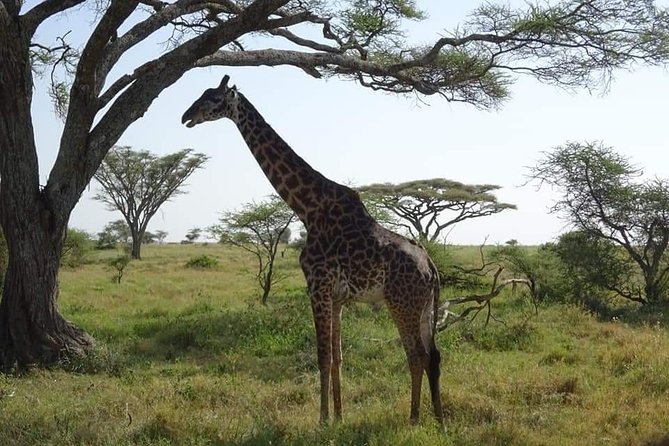
Reviewed · SERENGETI & NGORONGORO SAFARIS
3 days Tarangire, Lake Manyara and Ngorongoro
Tarangire’s elephants, Ngorongoro’s crater floor, and Lake Manyara’s wildlife give you three very different safari settings in only three days. This is a compact route, but it packs in long game-viewing days, picnic lunches, and plenty of time on Tanzania’s northern circuit.
I like the small maximum group of six, which makes it easier to see out of the vehicle and ask questions. I also like the personal organization credited to Humphrey, plus the chance to have a guide such as George, who has been praised for finding animals and explaining what you are seeing.
The main tradeoff is the budget camping. Campsites keep the price down, but this is not a lodge-based safari, and three full days of driving and wildlife viewing can feel tiring. Also, confirm your pickup time before departure because the published start time of 12:30 am does not match the stated 8:30 am departure from Arusha on Day 1.
Key points to know before booking
- Three major safari areas in three days: Tarangire, Ngorongoro Crater, and Lake Manyara each offer a different setting and style of game viewing.
- Budget camping keeps the price practical: Accommodation is at campsites, with most sites inside national parks except those used for Lake Manyara and Tarangire.
- A maximum of six people: The small group size matters on game drives, especially when everyone wants a window view or a chance to stop for photographs.
- Meals are built into the plan: Picnic lunches are served during park days, with dinner and breakfast at the campsite.
- Humphrey handles the arrangements: George is one guide name associated with the safari, while a cook prepares meals during the trip.
- The current price is $750 per person: That is strong value if you want three parks and camping, but less so if you expect private rooms or a relaxed schedule.
Why this three-park route works
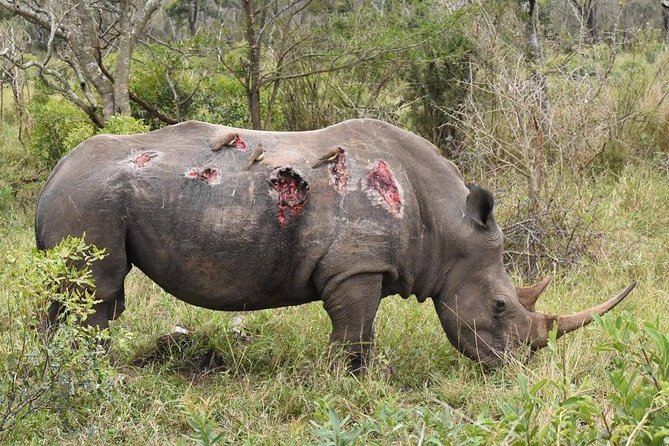
I like this route because it gives you contrast rather than repeating the same kind of game drive. Tarangire is the opening stop, Ngorongoro brings the dramatic crater setting and dense wildlife viewing, and Lake Manyara finishes the trip with another compact park before the return to Arusha.
You are not spending a full week on safari, so this plan suits you if your Tanzania visit also includes other stops. It is especially useful for a short trip from Arusha, where you can reach several major wildlife areas without arranging separate transfers.
The pace is brisk. Each day is described as roughly six hours, although the actual day includes driving, park formalities, meals, and game viewing. You should think of this as an active safari, not a slow holiday with long afternoons at camp.
The group limit of six is one of the strongest practical features. A smaller vehicle load usually gives you more room than a large coach-style group, and it makes communication with your guide easier. You can ask about animal behavior, request a closer look when appropriate, and avoid feeling lost in a crowd.
More Serengeti and Ngorongoro itineraries:
- Balloon Safari & Bush Breakfast in Serengeti – Miracle Experience
★ 5.0 · 1,646 reviews - 3 Days Serengeti & Ngorongoro Group Camping Safari
★ 5.0 · 574 reviews - 5-Day Highlights mid-Range Crater, Serengeti, Tarangire
★ 5.0 · 296 reviews
Day 1: Tarangire and the elephant country
The stated plan has you leave Arusha at 8:30 am after breakfast, carrying picnic lunches for a full day in Tarangire National Park. The route then continues to the campsite in the late afternoon for dinner and an overnight stay.
Tarangire gives the first day a strong start because it is a proper full-day wildlife outing rather than a short afternoon stop. You have time to search for animals, pause for photographs, and get used to the rhythm of safari travel.
The park is particularly associated with elephants in the supplied trip material, and past guests on this route also saw giraffes, buffaloes, lions, cheetahs, leopards, and other animals across the three-day journey. No safari can promise a particular sighting, but Tarangire offers an excellent first chance to begin looking.
Your picnic lunch is practical. Instead of returning to a lodge, you remain out in the park and use the daylight for viewing. That saves time, though you should expect a simple meal rather than a restaurant lunch.
The late transfer to camp is another point to weigh. After a full day in the vehicle, you will arrive ready for dinner. The camping setup keeps costs under control, but it also means less privacy and fewer comforts than a lodge.
The accommodation description says most campsites are inside national parks except the sites used for Tarangire and Lake Manyara. That distinction matters because the exact camping setting can affect how close you are to the next day’s route. Confirm the planned campsite locations and what equipment is supplied before paying if those details matter to you.
Day 2: The Ngorongoro Crater morning
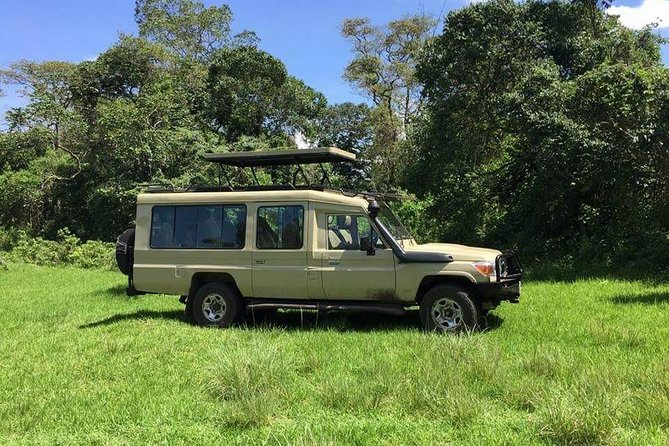
Day 2 begins with an early breakfast, followed by the drive to Ngorongoro Conservation Area. The main event is the descent to the crater floor for game viewing, with a picnic lunch served during the outing before you return to the campsite for dinner and another night.
Ngorongoro is the visual centerpiece of this short safari. From the rim, the crater creates a powerful sense of scale, then the road takes you down into a contained wildlife area where game viewing can feel concentrated. You get scenery and animals in the same morning, which is one reason this stop earns its place in a three-day plan.
An early start is useful here because the day is built around a long outing and a descent into the crater. You should be ready before breakfast rather than treating the morning casually. The schedule is efficient, but it leaves little room for a late departure.
The picnic lunch again lets you stay with the action. That is good for maximizing park time, though it means your meals are tied to the safari schedule. Bring patience for a long day in the vehicle and keep your camera ready, since the best sightings cannot be timed.
The return to camp comes in the afternoon, followed by dinner and overnight accommodation. Compared with a lodge itinerary, this arrangement is more basic. Compared with a much more expensive private safari, it gives you access to one of Tanzania’s great wildlife settings without paying for high-end rooms.
Day 3: Lake Manyara before the return to Arusha
After breakfast, you collect picnic lunches from the cook and drive to Lake Manyara National Park. The plan calls for a full day of game viewing, then a return drive to Arusha, where arrival is expected around 5 pm to 6 pm.
This final day makes sense geographically and practically. You finish with another park instead of spending the whole day on an empty transfer, then return to Arusha in time for an evening arrival. That makes the tour useful if you have a further overnight plan in town.
Lake Manyara gives the trip a different feel from Tarangire and Ngorongoro. You are visiting a park centered around a lake environment, with its own mix of open areas and vegetation. The supplied information does not promise a particular animal or special viewing feature here, so you should treat it as a chance to add another habitat rather than a guaranteed finale.
The drive back to Arusha is the part most likely to test your energy. You will already have completed two demanding safari days, then spend much of Day 3 in the park and on the road. If you need to catch a flight that evening, allow a generous buffer. The stated arrival window is 5 pm to 6 pm, and road or park delays can affect that timing.
More three day trips in Arusha:
- 3-Day Classic Serengeti Safari
★ 5.0 · 263 reviews - 3 Day Serengeti National Park & Ngorongoro Crater Camping Safari
★ 5.0 · 142 reviews - 3 Days Tarangire, Ngorongoro & Lake Manyara Group Camping Safari
★ 5.0 · 102 reviews - 3 Days Private Safari – manyara, Ngorongoro & Tarangire
★ 5.0 · 94 reviews
Camping, meals, and the real comfort level
This is a budget camping safari, not a tented-lodge holiday. Campsite accommodation is used during the safari, with most campsites inside the national parks except those used for Tarangire and Lake Manyara.
That setup is valuable if your priority is seeing wildlife rather than sleeping in a polished room. You pay for the parks, vehicle time, guiding, food, and logistics instead of paying mainly for accommodation. The current price is $750 per person, which puts the trip in a practical middle ground for a three-day camping safari.
Meals include lunch, dinner, and breakfast. Lunch is a picnic on each park day, and dinner is served at camp. A cook is part of the operating team, and one past account specifically praised the food. Still, you should ask what dietary requests can be handled before departure if you have restrictions, since the provided details do not spell that out.
The reviews also refer to a good, reliable safari vehicle and the option to rent binoculars. Those are useful details. Binoculars can help when wildlife is far off, and a dependable vehicle matters when the itinerary includes several long drives.
Do not book this expecting a soft bed, private bathroom, or quiet downtime. None of those comforts are promised. Book it because you want a lower-cost route through three important parks and are willing to accept simple nights between long days outside.
What the guide and small group add
Humphrey is the main contact associated with organizing the trip. He is described as staying in touch through major travel disruption and helping with questions and arrangements. That sort of communication matters when a safari involves park permits, campsites, meals, transport, and changing pickup details.
George is one of the guides named in the trip feedback. His strengths were animal spotting, route choices, and clear explanations. The exact guide is not guaranteed, so you should ask who will lead your departure, but it is encouraging that the operator has a named guiding team rather than an entirely anonymous setup.
The maximum of six people is a real advantage. You are less likely to spend the day behind a wall of heads, and the guide can keep the group together without managing a busload. The tradeoff is that a small-group safari is not necessarily private. Other people may still share the vehicle unless you arrange otherwise.
A safari guide cannot control wildlife. Good guiding improves your chances and helps you understand what you see, but it cannot promise leopards, cheetahs, lions, or any other animal. The strongest accounts from this trip include all of those sightings, along with elephants, giraffes, and buffaloes, but you should judge the safari by the full setting and experience, not by a checklist.
Price, timing, and who gets the best value
At $750 per person, the price covers a lot in a short period: pickup, transport, park visits, three days of game viewing, camping, breakfasts, lunches, dinners, and a small group capped at six. The value is strongest if you want to see several parks and do not need lodge accommodation.
Older booking information connected with this experience cites a lower figure of $550 per person. Since the supplied current price is $750, use $750 as your planning figure and confirm the final amount before booking. Prices can change, and inclusions should be clear in writing.
The pickup information needs attention. Kilimanjaro International Airport is given as the start point, while the itinerary says you leave Arusha at 8:30 am. The listed start time is 12:30 am, which conflicts with both. Ask the operator to confirm the exact pickup location and time, especially if you are arriving at the airport rather than staying in Arusha.
Pickup is offered, and the activity ends back at the meeting point. Most people can participate, and the route is near public transport, though the safari itself is arranged around a vehicle and park schedule.
Free cancellation is available if you cancel at least 24 hours before the start time. Changes or cancellations inside that window are not accepted for a refund. Keep the local cutoff time in mind.
Who should book this safari
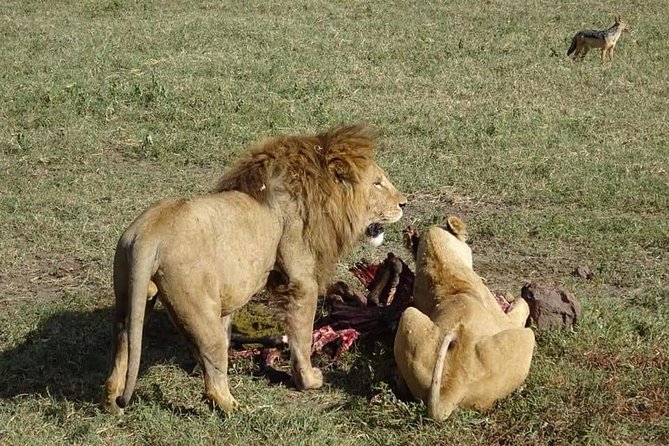
I would point this trip toward you if you have only three days, want Tanzania’s northern parks, and care more about wildlife access than hotel comfort. It also suits budget-minded couples, friends, and solo visitors who like the idea of joining a small group.
It may not suit you if you dislike early starts, long drives, basic camping, or fixed meal times. Families and older visitors should consider their comfort with three active days, since the schedule does not leave much free time.
You should also compare the price against longer safari packages. Three parks in three days is efficient, but a longer tour may give you more rest and more time in each area. This option is best when your schedule is tight and you want a focused introduction to the region.
Should you book the three-day route?
I would book it if you want a short, wildlife-heavy safari with camping and a group no larger than six. Tarangire, Ngorongoro, and Lake Manyara give you variety, while the cook, picnic lunches, and simple camps keep the plan grounded and affordable.
I would hesitate only if you expect lodge comfort or a leisurely pace. Before paying, confirm the $750 price, exact pickup time, campsite details, vehicle arrangements, and assigned guide. If those points are clear, this is a sensible way to see three famous northern Tanzania parks without committing to a longer and more expensive safari.
FAQ
Where does the safari start?
The stated meeting point is Kilimanjaro International Airport on Kilimanjaro Airport Road, Tanzania. Pickup is offered.
Where does the safari end?
The activity ends back at the meeting point. The Day 3 plan says you return to Arusha around 5 pm to 6 pm.
How long is the safari?
The experience lasts approximately three days. Each listed park day is described as about six hours.
Which parks are included?
The route includes Tarangire National Park, Ngorongoro Conservation Area and Crater, and Lake Manyara National Park.
What type of accommodation is provided?
Accommodation is at budget campsites during the safari. Most campsites are inside the national parks, except those used for Lake Manyara and Tarangire.
Are meals included?
Yes. The plan includes breakfast, lunch, and dinner. Lunch is provided as a picnic during the park days.
How many people can join the tour?
The maximum group size is six people.
What is the listed price?
The listed price is $750 per person. Confirm the current price and inclusions before booking.
What is the cancellation policy?
You can cancel for a full refund up to 24 hours before the experience start time. Cancellations or changes made less than 24 hours before the start are not accepted for a refund.
Newly listed around Arusha
- 5-Day Private Safari Tour in Tanzania’s Wildlife★ 5.0 · 3 reviews
- 3 Days private safari Tarangire ,Ngorongroro crater &Manyara★ 5.0 · 3 reviews
- 3 Day Sharing Safari – Manyara, Ngorongoro Crater and Tarangire National Parks★ 5.0 · 3 reviews
- Tarangire National Park Day Trip★ 5.0 · 3 reviews
- 2 Days Tarangire and Ngorongoro Crater Tour★ 5.0 · 3 reviews
- 6 -Day Tarangire, Manyara, Serengeti & Ngorongoro★ 5.0 · 3 reviews
- 5 Days Group Camping Safari★ 4.7 · 3 reviews
- 7-Day Mt. Kilimanjaro Hiking: Machame Route★ 5.0 · 3 reviews
Serengeti & Ngorongoro Safaris, compared.


Balloon Safari & Bush Breakfast in Serengeti – Miracle Experience
Read our review →




Private 6-Day Tarangire Manyara Crater and Serengeti with Mid-Range Lodges
Read our review →
5 Days Camping Tarangire, Serengeti & Ngorongoro crater & Visiting Maasai
Read our review →Browse the lists this tour appears in