
Reviewed · SERENGETI & NGORONGORO SAFARIS
3 Days Safari Ngorongoro Crater and Serengeti National Park
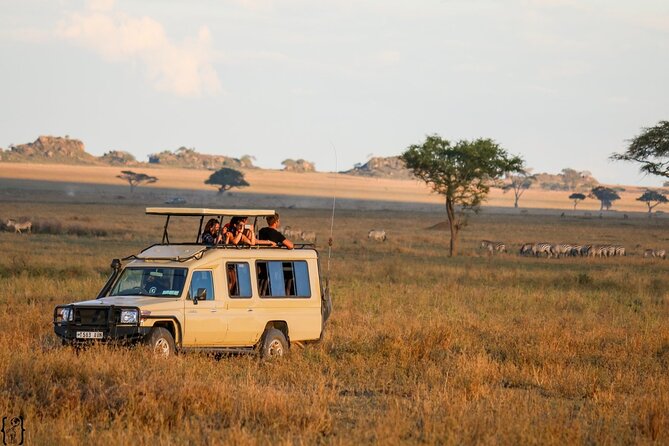
The main draw here is the chance to see two of Tanzania’s great wildlife areas in just three days. You travel from Arusha to the open plains of Serengeti, then down into Ngorongoro Crater, with camping and meals included along the way.
I like the small maximum of six people, which gives you a better chance of seeing out both sides of the vehicle. I also like the strong support before departure. Heavenlight and Felix have handled trip questions for past bookings, while guides such as Simon, Christian, and Bulldozer have been praised for their wildlife knowledge and friendly service.
The trade-off is time. Day one includes roughly six hours on the road before the game drive, and the final day combines crater viewing with the return to Arusha. You get a fine snapshot of northern Tanzania, but not a slow safari.
Key points at a glance
- Two famous parks in one short trip: Visit Serengeti National Park and Ngorongoro Conservation Area without arranging separate transport.
- A maximum of six people: The small group can make wildlife viewing and communication with your guide easier.
- Camping keeps the price down: At $810 per person, the package includes two breakfasts, three lunches, and two dinners.
- Serengeti includes several wildlife zones: The route covers the southern plains, central Serengeti, and Seronera Valley.
- Ngorongoro is the wildlife highlight for many: The crater offers a compact setting where you may see several major species in one day.
- The schedule is physically demanding: Long drives and early starts matter as much as the animal sightings.
Why this three-day route works
This safari is designed for someone who wants the classic northern Tanzania experience but has limited time. From Arusha, you head toward Serengeti through the Ngorongoro gate, spend time among the plains, then return through the Ngorongoro Conservation Area.
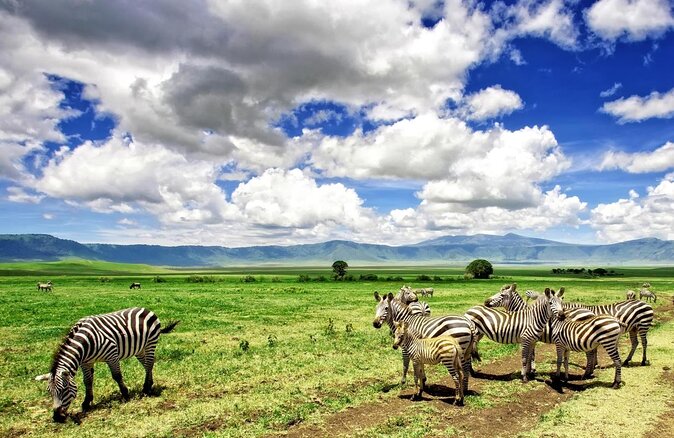
That route gives you two very different settings. Serengeti feels wide and open, with animals spread across huge stretches of grassland. Ngorongoro feels enclosed and concentrated, with the crater walls creating a natural bowl full of wildlife.
I see the trip as an introduction rather than a full safari. You can see a surprising number of animals in three days, including the Big Five if conditions and luck cooperate. But the long road sections mean you should not expect hours of game viewing every day.
The price is $810 per person, which includes meals and the camping format. That is meaningful value if you want transport, park access arrangements, a guide, a cook, and a set route handled for you. It is less attractive if you prefer private vehicles, high-end lodges, or a relaxed pace.
The group limit of six helps. A crowded vehicle can turn a wildlife sighting into a contest for window space. With fewer people, you have a better chance to ask questions, shift seats, and watch animals without feeling packed in.
More National Parks in Arusha
- 7 Days Tanganyika Wilderness Safari
★ 5.0 · 159 reviews - 3 Day Serengeti National Park & Ngorongoro Crater Camping Safari
★ 5.0 · 142 reviews - Arusha National Park Private Safari
★ 5.0 · 59 reviews
Day one: the long road to southern Serengeti
Breakfast is listed for 7 a.m., followed by pickup at about 8 a.m. from your accommodation. The drive to southern Serengeti is around 335 kilometres and takes about six hours, using the Ngorongoro gate.
That is a serious road day, so set your expectations early. The safari begins with travel, not an immediate morning game drive. You should be ready for a full day that may run for roughly seven hours once the Serengeti portion is counted.
The reward is entry into the southern, central, and Seronera Valley areas. The name Serengeti comes from the Maasai word Serengit, referring to endless plains. That description is not marketing fluff. The scale is one of the first things you notice, and it helps explain why wildlife sightings can feel scattered in one area and suddenly crowded in another.
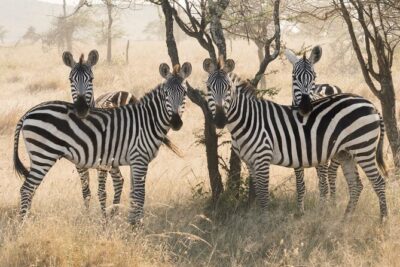
The southern zone has broad savannah grassland that supports grazing animals through much of the year. You might see wildebeest, zebra, Coke’s hartebeest, waterbuck, Grant’s gazelle, Thomson’s gazelle, and impala.
These animals matter because they attract predators. A guide who knows where herds gather can help you understand not only what you are looking at, but why that particular place matters. The guide names connected with similar departures include Felix, Simon, Christian, and Bulldozer. Your assigned guide is not specified, so confirm this before booking if a particular person is important to you.
The itinerary also includes a visit to a hippo habitat. Hippos are often more impressive than photographs suggest. You may see only the eyes and ears above the water, then hear the grunts and splashes that reveal how many animals are close by.
A point worth clarifying is the timing. The supplied details list a pickup around 8 a.m., while the meeting information gives a 3 p.m. start time. Ask the operator to confirm the exact pickup time, location, and first-night plan before you pay or arrive.
Day two: kopjes, elephants, and the central plains
The second day continues in Serengeti for about six hours. The focus shifts toward areas including Moru Kopjes and the central Serengeti.
Kopjes are rocky outcrops rising from the grasslands. Moru Kopjes can look like dark islands in a golden-green sea, and they give predators a useful high point from which to watch grazing animals. They also create shade and shelter, so they are interesting for both geology and wildlife.
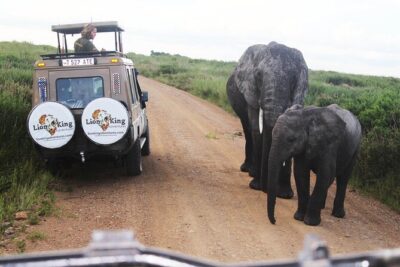
Elephants are common across parts of the plains, with matriarchal herds growing in some areas. Watching an elephant family move together offers a different kind of safari moment from spotting a solitary lion. The pace is slower, and the social behavior is easier to appreciate.
The central region is broad enough that you can cover a great deal of ground without seeing the same type of scenery twice. The details supplied for this section include Gong Rock and Maasai cave paintings depicting elephants, shields, and abstract patterns. Ask your guide how these cultural and natural features fit into the day, since the exact stops may depend on park conditions and timing.
The vegetation can also change in small but striking ways. Candelabra trees and short-lived flowers add detail to a place that can otherwise seem dominated by grass and sky.
This is where the trip’s small group can be useful. You may want to stop for a closer look at tracks, plants, or a distant herd. In a six-person vehicle, those pauses are usually easier to manage than in a large coach.
The route can also offer rare sightings of black rhinos. Treat this as a possibility, not a promise. Wildlife is wild, and no responsible safari operator can guarantee a particular species. The same applies to the Big Five. Several bookings connected with this operator have resulted in sightings of all five, but your experience will depend on season, animal movements, weather, and the skill of your guide.
Day three: entering Ngorongoro Crater
The final day takes you into the Ngorongoro Conservation Area for about six hours before the return toward Arusha. The crater is the most compact part of this safari, and many people find it easier to see a range of wildlife here than across the enormous Serengeti plains.
Ngorongoro is known for year-round chances of seeing the Big Five. You might encounter wildebeest, gazelle, golden jackals, bat-eared foxes, hippos, buffalo, eland, leopards, and other hoofed animals.
The crater’s enclosed setting helps. Animals are easier to locate when much of the action is concentrated within a broad natural basin. That does not mean every game drive produces every species, but it does give you a strong chance of varied sightings during a single day.
Some animals are rarely seen in the crater, including giraffes, oribi, topi, spotted hyenas, cheetahs, and impalas. This is useful to know before you arrive. If cheetahs or giraffes are high on your list, Serengeti may be the better place to hope for them.
You may also see Maasai homesteads, known as bomas, in the wider conservation area. The Maasai continue to live in the region, so the area is not simply a wildlife display. It is a working cultural setting as well as a protected natural area.
Ngorongoro also connects to early human evolution research associated with Mary and Louis Leakey. The details provided do not promise a separate archaeological visit, so do not assume that this is a full history tour. Still, the conservation area gives your safari a wider context beyond animal spotting.
The drawback is the return drive. After a crater game drive, you still need to travel back toward Arusha. That makes day three efficient, but tiring. If you have an evening flight, confirm the expected arrival time with the operator before booking.
More Safaris in Arusha
- Balloon Safari & Bush Breakfast in Serengeti – Miracle Experience
★ 5.0 · 1,646 reviews - 4 Days Group Camping Safari
★ 5.0 · 1,101 reviews - 5 Days Group Camping Safari
★ 5.0 · 730 reviews - 3 Days Serengeti & Ngorongoro Group Camping Safari
★ 5.0 · 574 reviews
Camping and meals: what the $810 covers
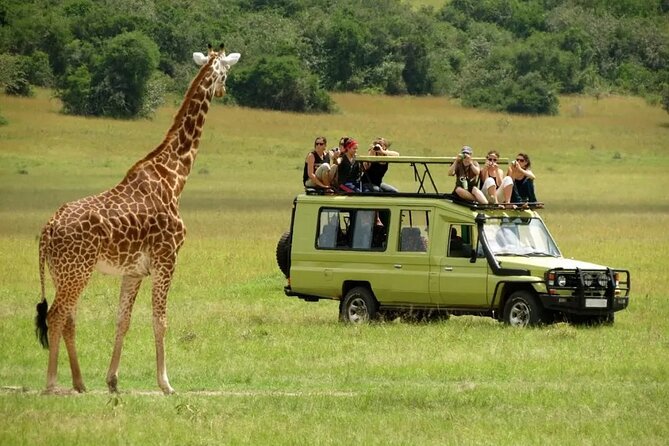
Camping is the budget-minded choice here. The package includes two breakfasts, three lunches, and two dinners, and past bookings describe the food as a strong part of the experience. A safari cook prepares the meals, with picnic lunches used during game-drive days.
That arrangement keeps you close to the parks and avoids paying lodge prices. It also means you should think carefully about comfort. The information supplied does not specify tent size, bedding, showers, toilets, or whether the camps are permanent or basic. Ask these questions directly if camping comfort matters to you.
The meal coverage is clear, but tips are not included. You should plan separate gratitude for the driver-guide and safari cook. Visas are also excluded.
The value becomes stronger if you are happy with simple camping and want the essentials bundled together. You are paying for access to major parks, vehicle transport, guiding, food, and a short camping program rather than polished accommodation.
The guide can make or break a short safari
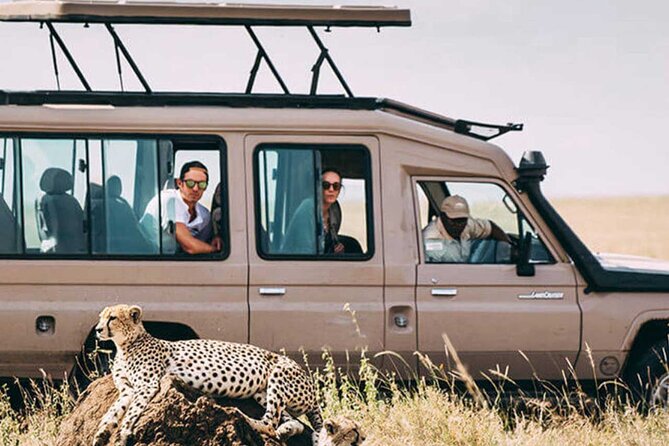
On a three-day safari, your guide has very little time to waste. The best guide will manage the long drives, explain animal behavior, notice tracks and birds, and adjust the day when wildlife activity changes.
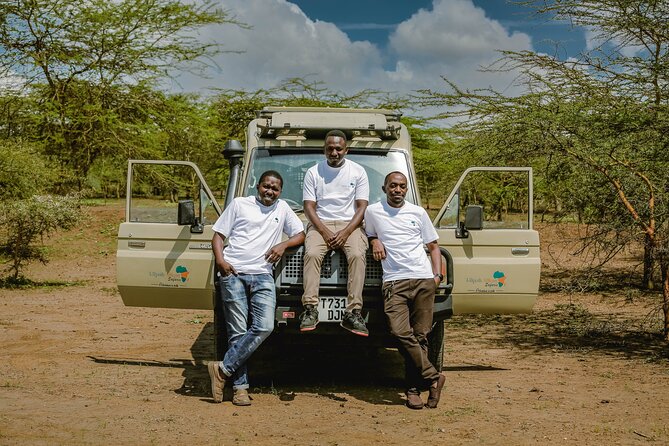
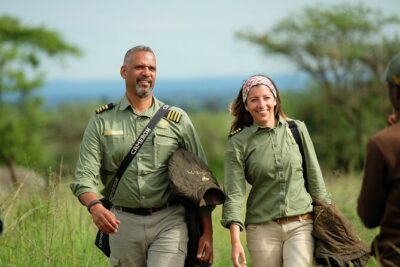
Past bookings have been connected with several named team members. Felix has handled advance questions and airport pickup on some trips. Heavenlight has been praised for quick communication through WhatsApp and for checking that arrangements were working. Simon, Christian, and Bulldozer have also guided departures, with particular praise for their friendly approach and ability to explain animals and scenery.
That does not mean you can request one of them and receive a guarantee. Ask who will guide your departure, whether the vehicle is shared, and how many people are booked. The operator limits the activity to six people, but the exact number in your vehicle may be smaller.
Communication is one of the practical strengths here. WhatsApp support can help with questions about pickup, accommodation, and bookings. Still, keep written confirmation of the departure time and meeting place because the supplied details contain a timing mismatch.
Who should book this safari
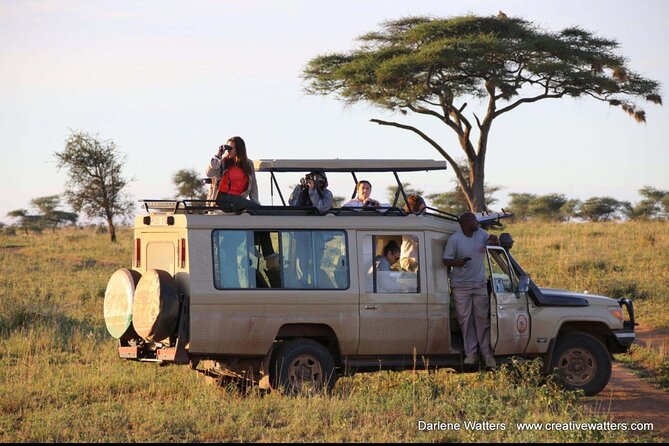
I would recommend this trip to you if you:
- Have only three days for a northern Tanzania safari
- Want to combine Serengeti and Ngorongoro
- Prefer a small group to a large coach
- Are comfortable with camping and long drives
- Want meals included rather than arranging food yourself
- Care more about wildlife access than lodge comfort
- Are visiting Tanzania for the first time and want a broad introduction
I would look for a longer safari if you want slow mornings, several days in Serengeti, or a better chance to follow seasonal animal movements. A three-day route gives you highlights, but it cannot cover the full park at an easy pace.
I would also think twice if you dislike rough travel days. The first day involves a long transfer before game viewing, and the last day combines crater time with the trip back to Arusha. This is a practical safari, not a restful break.
Booking details worth checking first
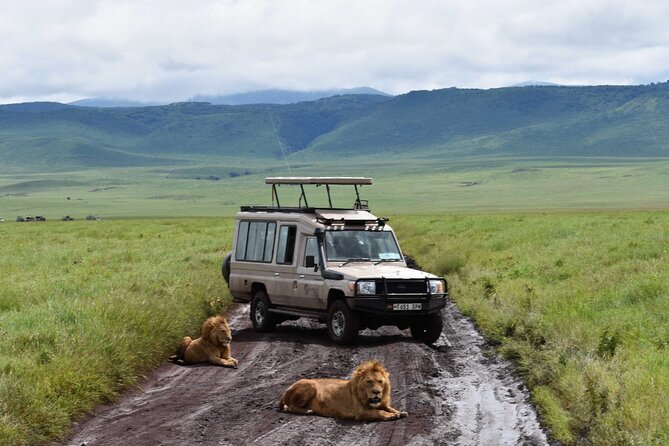
Pickup is offered, and the ticket is mobile. Confirmation is received at booking, and most people can participate according to the supplied information.
The stated meeting time is 3 p.m., but the day-one schedule says pickup at 8 a.m. Treat that as something to resolve before departure. Ask for the exact pickup time, accommodation details, campsite facilities, and final route.
The cancellation rule is useful: cancel at least 24 hours before the local start time for a full refund. Cancellation within 24 hours, or late changes, are not refunded.
FAQ
How long is the safari?
The experience lasts approximately three days.
Where does the safari start?
The tour is based in Arusha, Tanzania, and pickup is offered from your accommodation.
Which parks and protected areas are included?
The route includes Serengeti National Park and the Ngorongoro Conservation Area.
How many people can join the tour?
The maximum group size is six people.
Are meals included?
Yes. The package includes three lunches, two breakfasts, and two dinners.
Are tips and visas included?
No. Tips for the driver-guide and safari cook, along with visas, are not included.
What is the cancellation policy?
You can receive a full refund if you cancel at least 24 hours before the experience start time. Cancellations or changes made within 24 hours are not accepted for a refund.
Should you book the three-day Serengeti and Ngorongoro safari?
Book it if you want a compact first safari with the two headline destinations, included meals, and a small group capped at six. The mix of open Serengeti plains, rocky kopjes, hippo viewing, and Ngorongoro’s concentrated wildlife makes good use of limited time.
Before booking, confirm the start time, camping conditions, assigned guide, and expected return to Arusha. If those details suit you, $810 can be a sensible price for a guided camping safari with transport and meals included.
If you want comfort, extra time, or a better chance to follow wildlife across different Serengeti regions, choose a longer trip. For a short, action-filled introduction to northern Tanzania, this route is a solid choice.
More three day trips in Arusha
- 3 Days Tarangire, Ngorongoro & Lake Manyara Group Camping Safari
★ 5.0 · 102 reviews - 3 Days Private Safari – manyara, Ngorongoro & Tarangire
★ 5.0 · 94 reviews - 3 Days Small Group Safari to Serengeti NP and Ngorongoro Crater Tour in Tanzania
★ 5.0 · 77 reviews - 3 Days Safari to Tarangire, Ngorongoro & Lake Manyara parks
★ 5.0 · 70 reviews
More Serengeti and Ngorongoro itineraries
- 5-Day Highlights mid-Range Crater, Serengeti, Tarangire
★ 5.0 · 296 reviews - 3-Day Classic Serengeti Safari
★ 5.0 · 263 reviews - Private 6-Day Tarangire Manyara Crater and Serengeti with Mid-Range Lodges
★ 5.0 · 238 reviews - 5 Days Camping Tarangire, Serengeti & Ngorongoro crater & Visiting Maasai
★ 5.0 · 229 reviews
Newly listed around Arusha
- 5-Day Private Safari Tour in Tanzania’s Wildlife★ 5.0 · 3 reviews
- 3 Days private safari Tarangire ,Ngorongroro crater &Manyara★ 5.0 · 3 reviews
- 3 Day Sharing Safari – Manyara, Ngorongoro Crater and Tarangire National Parks★ 5.0 · 3 reviews
- Tarangire National Park Day Trip★ 5.0 · 3 reviews
- 2 Days Tarangire and Ngorongoro Crater Tour★ 5.0 · 3 reviews
- 6 -Day Tarangire, Manyara, Serengeti & Ngorongoro★ 5.0 · 3 reviews
- 5 Days Group Camping Safari★ 4.7 · 3 reviews
- 4 Days Tanzania Safari★ 4.5 · 3 reviews
Serengeti & Ngorongoro Safaris, compared.
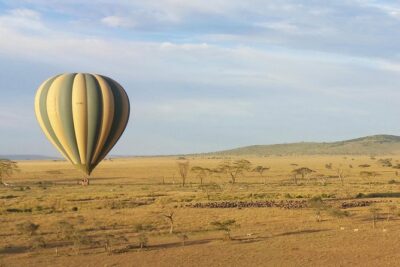
Balloon Safari & Bush Breakfast in Serengeti – Miracle Experience
Read our review →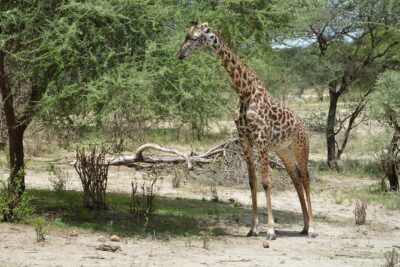
Private 6-Day Tarangire Manyara Crater and Serengeti with Mid-Range Lodges
Read our review →
5 Days Camping Tarangire, Serengeti & Ngorongoro crater & Visiting Maasai
Read our review →Browse the lists this tour appears in