
Reviewed · SERENGETI & NGORONGORO SAFARIS
3-Day Tarangire, Ngorongoro Crater, Manyara Park
The big draw here is variety packed into three days. You move from Tarangire’s baobab-lined river to the enclosed wildlife world of Ngorongoro Crater, then finish with Lake Manyara’s famous tree-climbing lions and birdlife. It is a fast, rewarding taste of Tanzania’s Northern Circuit.
I like the private vehicle, since your group can focus on its own pace and questions. I also like the warm airport welcome and quick communication associated with Francisco and Lappet Faced Safaris. The main catch is time: three parks in three days means long drives and no room for a slow, flexible safari.
Key points to know
- Tarangire’s year-round river draws elephants, zebras, antelopes, and other animals, especially during the dry season.
- Ngorongoro Crater offers one of the strongest chances on this route to see a wide range of mammals, including the Big Five.
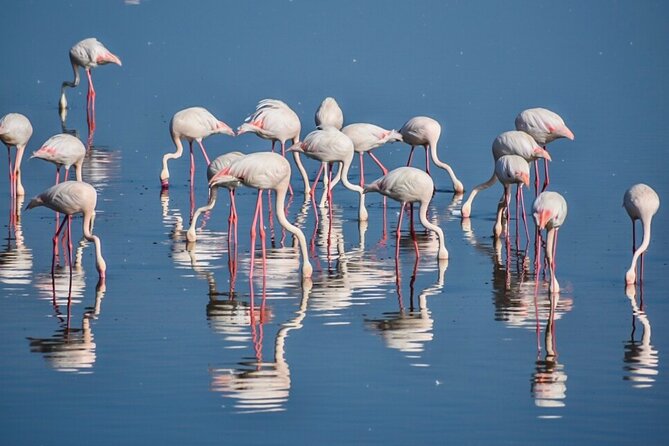
- Lake Manyara adds tree-climbing lions, flamingos, birds of prey, and colorful lilac-breasted rollers.
- Private transport means only your group joins the safari, rather than a large shared party.
- Meals are included, with breakfast, lunch, and dinner listed for the three-day trip.
- The $1,640 price may be good value for a private safari, but confirm exactly which overnight accommodations are included before paying.
Three Northern Circuit parks in three demanding days
I see this safari as a compact introduction to northern Tanzania. You get three very different settings, each with its own reason to be there, rather than spending all three days in one park.
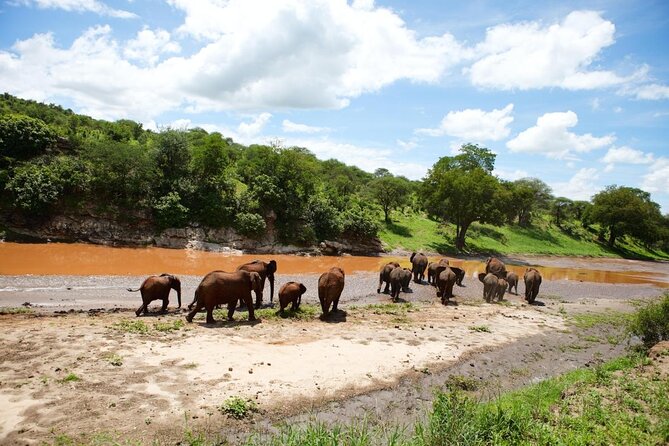
The order also gives the trip a strong rhythm. Tarangire begins with open golden plains and huge elephants. Ngorongoro follows with its dramatic crater setting and concentrated animal life. Lake Manyara closes the trip with forest, lake views, and excellent bird watching before you return to Arusha.
That variety is the main value. You are not simply checking off three names. You are seeing how wildlife changes with water, woodland, grassland, and elevation.
The pace is brisk, though. Each park is scheduled for roughly six hours, and the drives between them take time. You should expect full days, early starts after breakfast, and a fair amount of time in the vehicle. If you want long photography stops or relaxed time at camp, a longer itinerary will suit you better.
More Serengeti and Ngorongoro itineraries:
- Balloon Safari & Bush Breakfast in Serengeti – Miracle Experience
★ 5.0 · 1,646 reviews - 3 Days Serengeti & Ngorongoro Group Camping Safari
★ 5.0 · 574 reviews - 5-Day Highlights mid-Range Crater, Serengeti, Tarangire
★ 5.0 · 296 reviews
Leaving Arusha for Tarangire National Park
The safari starts in Arusha at 8:00 a.m. after breakfast. The drive to Tarangire takes about two hours, passing Masai villages and broad open plains along the way.
That road journey is part of the setting. You begin to see daily life outside the parks, not just animals behind a gate. The changing views help you understand that this is a working region as well as a famous safari zone.
Tarangire centers on its river, which runs throughout the year. In the dry season, that dependable water source becomes especially important. Animals gather around it, giving your guide a useful place to begin looking for wildlife.
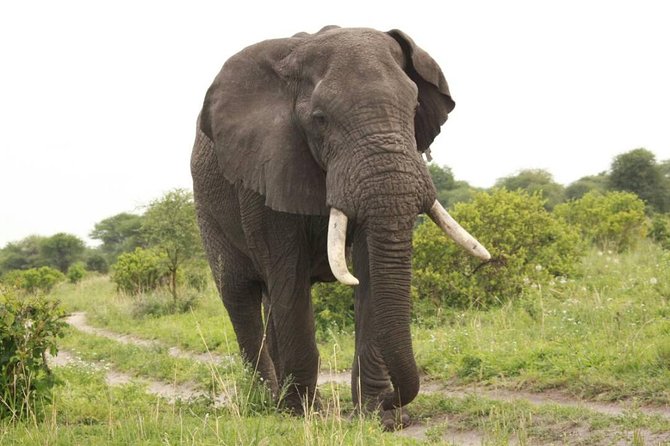
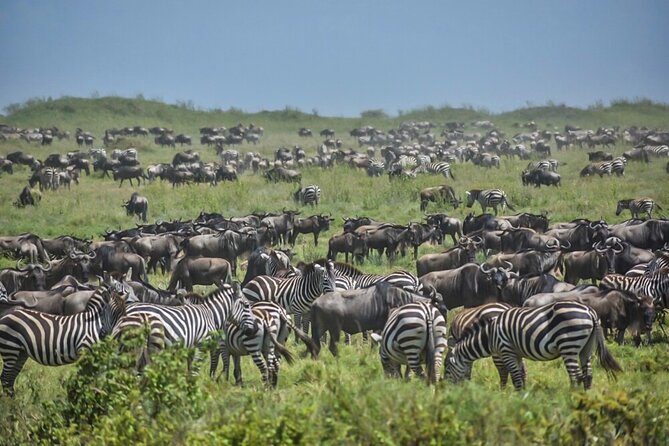
Elephants are the headline sight here. The park is known for a large elephant population, and the river is lined with acacia and baobab trees. Zebras and antelopes also visit the water, so the first game drive can offer both large animals and broad herds of grazing wildlife.
I like Tarangire because it feels less one-note than a simple grassland park. The tall baobabs give your photographs a clear sense of place, while the river creates a natural focus for animal watching. You can spend part of the drive scanning the plains and part watching movement near the water.
A picnic lunch is included during the day. That keeps you inside the park instead of sending you out for a restaurant meal, though it also means you should be ready for a practical outdoor lunch rather than a long sit-down break.
The provided schedule gives Tarangire about six hours. That is enough time for a useful game drive, but not enough to explore every corner. Your guide’s judgment matters here, especially when deciding how much time to spend near the river and when to move on.
Why Tarangire earns its first-day place
Tarangire is a strong opening park because it provides immediate visual drama. A baobab beside a dusty road, an elephant near the river, or a line of zebras crossing the grass can make the first day feel properly African without requiring a long wait for the scenery to develop.
It is also a good place to think about the role of water. During the dry season, wildlife patterns become easier to understand because animals are drawn toward reliable sources. That does not guarantee a specific sighting, but it gives the day a clear ecological story.
Do not judge the safari only by a checklist. You may not see every famous animal in every park. Tarangire’s value also comes from its trees, open plains, river views, and the chance to watch animal behavior rather than simply collect photographs.
The Ngorongoro Crater wildlife day
After breakfast on day two, you head to the Ngorongoro Conservation Area. The crater is often called the eighth wonder of the world, and the setting alone explains why it is one of Tanzania’s best-known safari stops.
From an open-top vehicle, you look across a broad natural basin with animals living below the crater walls. This enclosed setting can make wildlife viewing feel concentrated, although sightings are never guaranteed and conditions can change.
The area is home to more than 120 mammal species, including the Big Five. The rare black rhinoceros is one of the most important possible sightings. You might see one feeding alone on the grass plains, a quiet scene that carries more weight than a quick roadside encounter.
Hippopotamuses are another possibility, particularly around the cool water. Predators are also present, including lions and other carnivores. The appeal of the crater is the mix: large herbivores, predators, water-loving animals, and an extraordinary setting all within the same day.
I would give this day your full attention. The crater is the emotional center of the route, and the six-hour schedule gives you a solid amount of time for wildlife watching. It is still a single day, so you should not expect to see every section of the conservation area.
The open-top vehicle is useful for photographs and for seeing above the sides of the vehicle. It also leaves you more exposed to weather and sun than a closed vehicle. Bring practical protection and stay attentive to your guide’s instructions.
Ngorongoro is the stop most likely to satisfy someone whose main goal is the Big Five. Still, no responsible safari can promise a complete set of sightings. The right expectation is a strong opportunity in a remarkable setting, not a guarantee.
More three day trips in Arusha:
- 3-Day Classic Serengeti Safari
★ 5.0 · 263 reviews - 3 Day Serengeti National Park & Ngorongoro Crater Camping Safari
★ 5.0 · 142 reviews - 3 Days Tarangire, Ngorongoro & Lake Manyara Group Camping Safari
★ 5.0 · 102 reviews - 3 Days Private Safari – manyara, Ngorongoro & Tarangire
★ 5.0 · 94 reviews
Lake Manyara and the search for tree-climbing lions
Day three takes you from your hotel to Lake Manyara National Park. After the crater’s enclosed grasslands, Manyara changes the mood with lake country, acacia trees, and a strong focus on birds.
The park’s best-known surprise is its tree-climbing lions. These lions may lounge in acacia branches, offering a memorable photograph if you find them. The wording matters: they are a particular attraction, not a promised sighting. Wildlife chooses the schedule, not the brochure.
Manyara is also an excellent final stop because it gives birdlife more space than the Big Five focus of the crater. Large flamingo flocks, circling birds of prey, and brightly colored lilac-breasted rollers are among the sights you may encounter.
You do not need to be an expert birder to enjoy this part of the trip. Flamingos create movement and color at a distance, while birds of prey add drama overhead. The lilac-breasted roller is especially appealing to photographers because of its strong colors.
The park is described as a photographer’s playground, but you should keep your camera ready for more than lions. The best image of the day might be a bird in flight, a flock over the water, or an animal framed by an acacia tree.
The safari returns to Arusha in the afternoon. That makes the trip useful for people with limited time, but it also means day three combines a full park visit with the return journey. If you have an international flight that evening, do not assume the timing will work without checking carefully.
What the private format changes
This is a private activity, so only your group participates. That is a meaningful advantage in a three-day safari. You do not have to coordinate every stop with strangers, and you can ask your guide to explain animal behavior, landscapes, or local life as you go.
Private does not mean unlimited flexibility. The parks, roads, driving times, and daily schedule still set boundaries. But a private vehicle should make the experience more personal than a large shared departure.
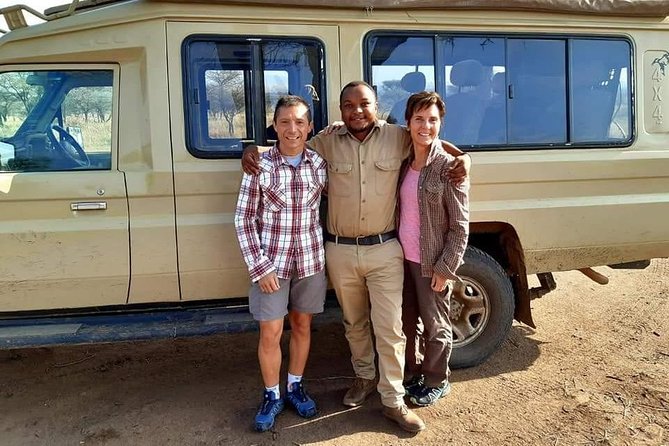
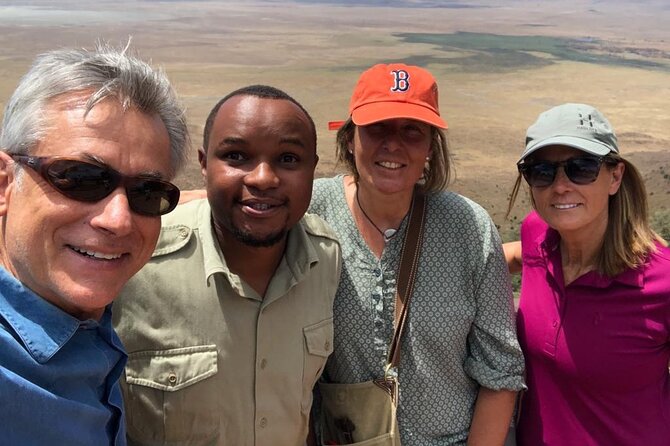
Communication is another practical strength. Francisco is associated with the operator, and the company’s correspondence is described as fast and uncomplicated. Airport pickup has also been arranged for some visitors, with a warm welcome on arrival.
The information confirms pickup is offered, but you should clarify the exact pickup location and timing when booking. The stated meeting point is in Arusha, and the activity ends back there.
Meals, accommodation, and the real price
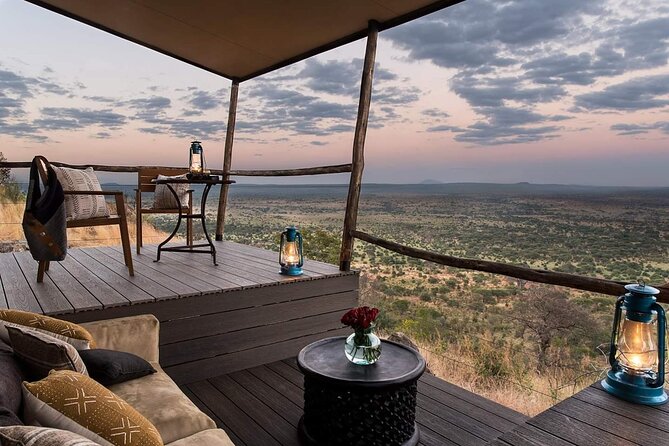
The listed price is $1,640 per person. For a private three-day safari covering three major destinations, with transport, park admission, and meals included, that may represent fair value, especially if you are splitting the vehicle cost within a small group.
The important detail is what is not clearly explained. Breakfast, lunch, and dinner are listed, but the accommodation arrangements are not described in detail. Accommodation before and after the safari is specifically excluded. Before you commit, ask which two nights during the safari are covered, what standard of lodging is supplied, and whether any accommodation charges are separate.
Private transportation is included, as are admission tickets for the scheduled park visits. International and domestic flights are not included. Visa costs and tips are also outside the price.
The phrase non-alcohol is listed among the inclusions. Read that as a restriction or provision detail that needs clarification, not as a reason to expect drinks at every meal. Ask what beverages are covered if that matters to your budget.
Tips are not included. You should plan for them separately, particularly if your driver-guide provides strong service. A good guide can shape the whole safari by finding wildlife, explaining what you see, and managing the day’s pace.
Who will enjoy this safari most
I would recommend this trip to a first-time safari visitor with only three days available in northern Tanzania. It gives you a clear sample of three major parks and includes the region’s most recognizable wildlife themes.
It also suits a couple, family, or group of friends who value privacy. Children can participate, but they must be accompanied by an adult. Most people can take part, and the operator states that the activity is near public transportation.
You should think twice if you dislike long drives, want late mornings, or prefer to stay several nights in one place. The schedule is efficient rather than leisurely.
Photographers will find plenty to work with, from Tarangire’s baobabs and elephants to Ngorongoro’s open views and Manyara’s birds. Bird watchers may want to give Manyara extra weight when deciding if this route is right for them.
The safari also works well for people who want a first look at Tanzania before adding another destination. It does not include flights, Zanzibar arrangements, or extra days in the parks, so those pieces need to be planned separately.
Booking details worth checking before you pay
Confirmation is received at booking. Pickup is offered, and the stated start time is 8:00 a.m. from Arusha.
Ask for the exact accommodation plan, daily driving estimates, and the type of vehicle before departure. The supplied details confirm private transport and an open-top vehicle for crater viewing, but they do not spell out every vehicle feature for the entire route.
It is also wise to confirm the final return time to Arusha. Lake Manyara is scheduled for day three, followed by an afternoon return, but road conditions and wildlife stops can affect timing.
The cancellation terms are strict close to departure. Cancel at least six full days before the start for a full refund. Cancellation two to six full days before departure receives a 50 percent refund, while cancellation within two days is nonrefundable. Changes inside those same windows are not accepted.
The operator has received five written ratings at the time of the supplied information, with an overall rating of 5. The strongest praise centers on airport pickup, personal care, safety, clear communication, and guides who stay committed to making the safari enjoyable. Francisco and the driver-guide team are the names to keep in mind when you ask who will handle your trip.
Should you book the Tarangire, Ngorongoro, and Manyara safari?
Book it if you want a private, tightly planned introduction to Tanzania and you care most about seeing several famous environments in a short period. Tarangire gives you elephants and baobabs, Ngorongoro offers a serious Big Five opportunity, and Manyara adds tree-climbing lions and birds.
Before booking, confirm the overnight lodging, drinks, vehicle details, and return timing. At $1,640 per person, the package can be worthwhile, but its value depends heavily on what accommodation is included.
If you have more than three days, I would extend the safari rather than squeeze in additional parks. If three days is all you have, this route makes a strong case for itself, provided you are comfortable with long, active days and a schedule that leaves little spare time.
FAQ
Where does the safari start and end?
The safari starts in Arusha, Tanzania, at 8:00 a.m. It ends back at the meeting point in Arusha after the Lake Manyara visit on day three.
Which national parks and conservation areas are included?
The route includes Tarangire National Park, the Ngorongoro Conservation Area and Ngorongoro Crater, and Lake Manyara National Park.
Is transportation private?
Yes. Private transportation is included, and only your group participates in the activity.
Are meals included?
Yes. Breakfast, lunch, and dinner are listed as included for the three-day safari.
Are flights and visas included in the price?
No. International flights, domestic flights, and visa costs are not included. Tips are also excluded.
What is the cancellation policy?
You receive a full refund if you cancel at least six full days before the start time. Cancellation two to six full days beforehand receives a 50 percent refund. Cancellation less than two full days before departure is nonrefundable.
Newly listed around Arusha
- 5-Day Private Safari Tour in Tanzania’s Wildlife★ 5.0 · 3 reviews
- 3 Days private safari Tarangire ,Ngorongroro crater &Manyara★ 5.0 · 3 reviews
- 3 Day Sharing Safari – Manyara, Ngorongoro Crater and Tarangire National Parks★ 5.0 · 3 reviews
- Tarangire National Park Day Trip★ 5.0 · 3 reviews
- 6 -Day Tarangire, Manyara, Serengeti & Ngorongoro★ 5.0 · 3 reviews
- 2 Days Tarangire and Ngorongoro Crater Tour★ 5.0 · 3 reviews
- 5 Days Group Camping Safari★ 4.7 · 3 reviews
- 7-Day Mt. Kilimanjaro Hiking: Machame Route★ 5.0 · 3 reviews
Serengeti & Ngorongoro Safaris, compared.


Balloon Safari & Bush Breakfast in Serengeti – Miracle Experience
Read our review →




Private 6-Day Tarangire Manyara Crater and Serengeti with Mid-Range Lodges
Read our review →
5 Days Camping Tarangire, Serengeti & Ngorongoro crater & Visiting Maasai
Read our review →Browse the lists this tour appears in