
Reviewed · SPICE FARM TOURS
Zanzibar Spice Tour
Zanzibar’s spice farms turn a short outing into a lesson for your nose, hands, and appetite. You can smell cloves, crush cinnamon, taste tropical fruit, and see plants that serve both the kitchen and the medicine cabinet. The tour also explains how spices reached Zanzibar from other lands, including those brought by the sultans of Oman across the Indian Ocean.
I like the private format, since your group can enjoy a more personal pace and ask questions without keeping up with a large crowd. I also like the practical touches: hotel pickup and drop-off, bottled water, entrance fees, taxes, and transport waiting time are all covered in the price.
The main consideration is time. Three hours gives you a useful introduction, but not a full farm visit with room for every plant and every question. The experience also depends on good weather, so keep your schedule flexible if the forecast looks poor.
Key points to know before booking

- Cloves, vanilla, and nutmeg take center stage: You will see and smell some of Zanzibar’s best-known spices, along with many less familiar herbs.
- The tour is private: Only your group takes part, which allows a more personal exchange with the guide.
- It covers food and folk medicine: You will learn how plants are used in cooking, remedies, and everyday life.
- Hotel transport is included: Pickup and drop-off, fuel surcharges, waiting time, water, taxes, and entrance fees are covered.
- Guides add a human touch: Mody is described as attentive and flexible, while Barak has led an engaging spice visit.
- Plan ahead: The experience is booked about 27 days in advance on average, so last-minute availability may be limited.
Why a Zanzibar spice farm deserves three hours
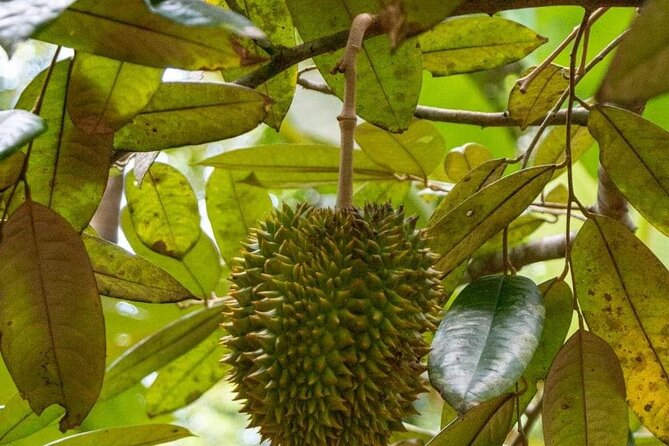
Zanzibar is often called the Spice Island, and this visit gives that nickname a physical meaning. Instead of seeing spices only as jars in a market, you encounter the plants themselves and connect the finished product with its source.
That matters most with spices you already know. Cinnamon is familiar as a powder or stick, yet the living plant gives you a better sense of where it begins. Vanilla, cloves, nutmeg, cardamom, curry, pepper, ginger, tamarind, and menthol take on a different character when you smell or handle them at the farm.
I like this sort of outing because it asks you to pay attention in a simple way. You are not rushing from one monument to the next. You are smelling leaves, tasting fruit, and listening for the difference between a culinary plant and one used for another purpose.
The setting is a local farm in or around Zanzibar City. The information provided does not name a particular farm, so you should think of this as a guided farm visit rather than a formal botanical garden with a fixed public display. That can be a plus if you prefer a direct, local experience, though the exact plants and order of the visit may vary.
More spice farm mornings:
- Zanzibar: Stone Town, Spice Tour, Prison Island with Lunch
★ 4.4 · 1,219 reviews - Zanzibar: Prison Island, Stone Town, & Spice Farm Tour
★ 4.5 · 579 reviews - Zanzibar: Stone Town, Spice tour & Prison Island with Lunch
★ 4.6 · 453 reviews
From Omani trade routes to the plants in front of you
The guide explains that some of Zanzibar’s spices came from other lands. The sultans of Oman brought plants and spices across the Indian Ocean, helping shape the crops for which Zanzibar is now known.
This is a useful bit of context because the tour is not only about agriculture. It also shows how food, trade, migration, and power affected the island. You do not need a long lecture to understand the point. Seeing the plants while hearing where they came from gives the story a clear, tangible shape.
Cloves are especially important to the island’s identity, and they are likely to receive attention alongside cinnamon, vanilla, and nutmeg. You may also encounter cardamom, curry, pepper, tamarind, ginger, menthol, and other herbs.
The value here is in the range. If you already cook with one or two of these spices, you can connect them to familiar dishes. If you are new to them, the farm gives you a useful first look without requiring specialist knowledge.
Smelling and tasting the main spice plants
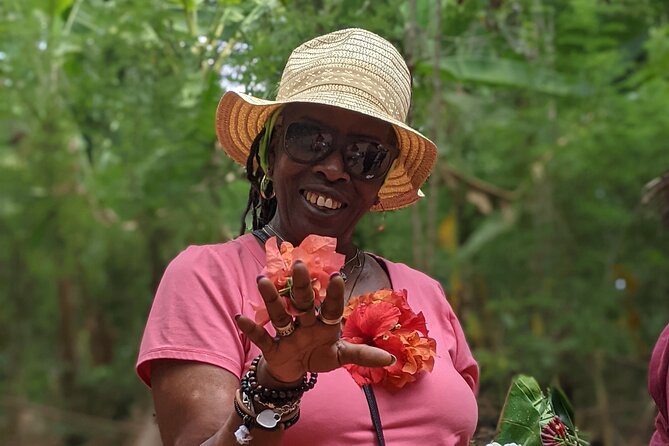
The heart of the outing is sensory. You should expect to smell plants, taste selected spices or fruit, and learn how each one is used. One person described buying chicken masala and black pepper after the visit, with plans to use them in chicken pilau. That points to one practical benefit: the tour can send you home with ideas, not just photographs.
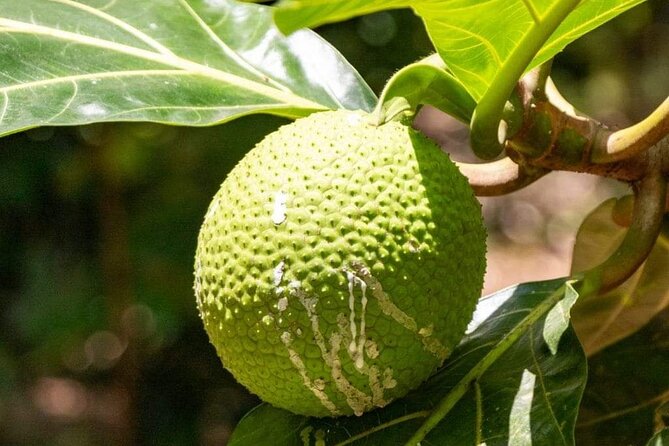
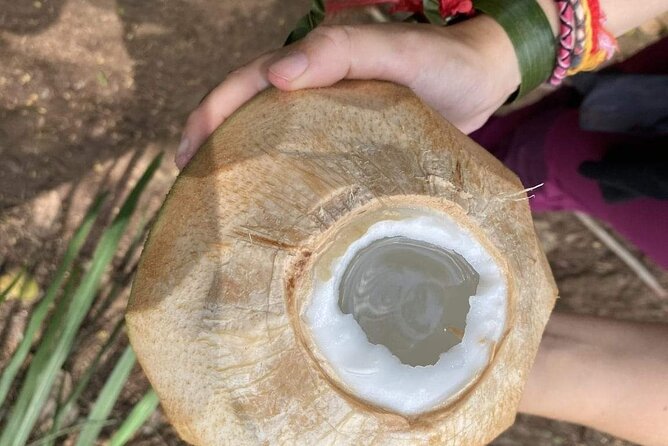
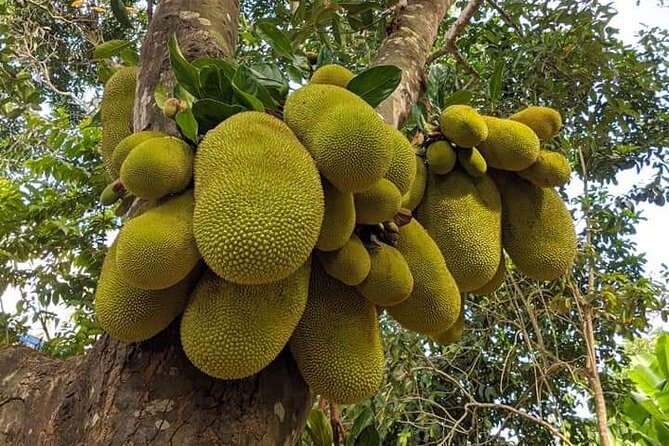
The tasting element is also a good reason to avoid treating this as a purely visual stop. Tropical fruit adds a sweet contrast to the sharper scents of pepper, ginger, and cloves. The exact fruit selection is not specified, so you might find different options depending on what is available at the farm.
I would pay close attention to the guide’s explanations of preparation and use. A spice can appear in food, medicine, or both, and the same plant may have more than one role. The guide describes what different plants are used for rather than simply naming them, which makes the visit easier to remember.
Do not expect every plant to be presented like a museum exhibit. This is a working farm experience, and the pleasure comes from seeing living plants and handling natural ingredients. If you want a polished culinary class, this is not that. If you want a friendly introduction to Zanzibar’s crops, the format fits well.
The medicine garden adds another layer
One of the more unusual parts of the visit is the attention given to medicinal plants. The guide explains that not everything you see is meant for food.
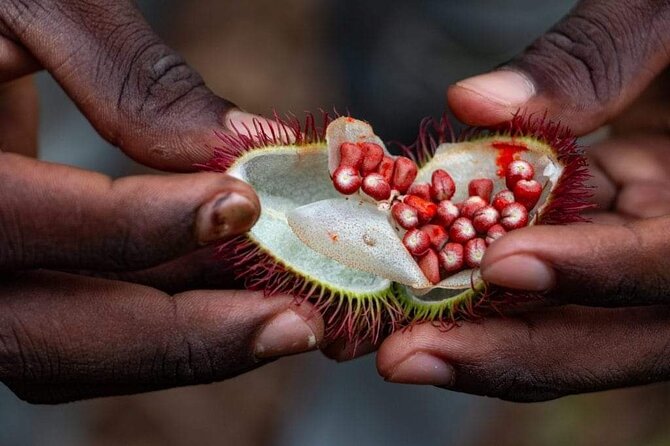
The neem tree is described as a traditional remedy for malaria and indigestion. Another example is the iodine tree, whose deep red sap has traditionally been used to help fight infection and treat wounds. These details show how plants can be part of daily care as well as cooking.
I would treat this information as cultural and traditional knowledge, not as medical advice. The tour includes no medical insurance, and you should not replace professional treatment with anything you hear at the farm. Still, this part of the visit helps you understand how plant knowledge has been passed down and used.
For many people, the medicinal side will be the most memorable part. It gives the tour a wider purpose and helps explain why a farm can matter beyond its crops. You see how a plant may be valued for scent, flavor, practical use, or all three.
A few more Zanzibar days to compare
- From Zanzibar: Mikumi Safari Day Trip with Flights and Meal
★ 4.7 · 1,470 reviews - Zanzibar: Quad Bike Adventure departing from Kendwa or Nungwi
★ 4.9 · 1,233 reviews - From Kendwa: Mnemba Boat Trip and Dolphin Snorkel Adventure
★ 4.8 · 1,043 reviews - From Zanzibar: Day Selous Game Reserve Safari with Flights
★ 4.7 · 1,025 reviews
A private guide changes the pace
This is a private activity, so only your group participates. That is a real advantage for couples, families, or friends who want to ask questions and move at a comfortable speed.
A private tour does not automatically mean a better tour, of course. Its value depends on the guide. Here, the experience is linked with Mody Zanzibar Tours & Safaris, and Mody is described as friendly, reliable, and willing to adapt other outings to a group’s needs. Barak is also named as a guide who made a spice visit fun and engaging.
You should confirm your pickup details and any special interests before the day. If you cook, tell the guide that you want more detail about culinary uses. If you care most about medicinal plants, ask for extra explanation in that area. A private format gives you a better chance to shape the conversation.
The personal service also appears to extend beyond the farm. Mody has been in touch before arrival, met a group at the ferry terminal, and helped arrange other Zanzibar activities. That does not change the farm visit itself, but it may appeal to you if you want one local operator for several outings.
What the three-hour itinerary feels like
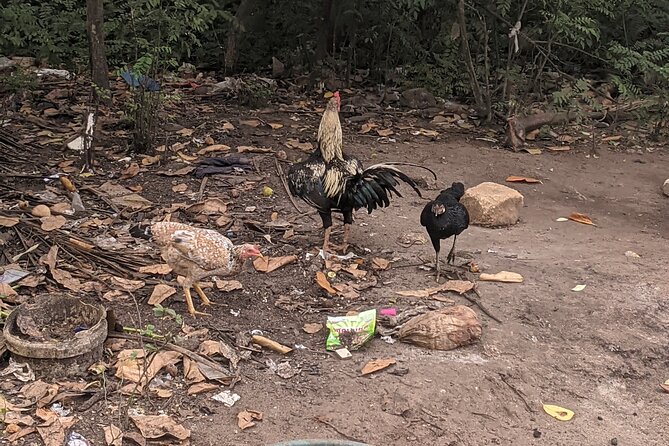
The listed stop is Zanzibar City, with the main activity taking place at a spice farm. The total duration is about three hours, which usually works well as a morning or afternoon plan.
Your outing includes hotel pickup, transport to the farm, the guided walk, tastings, and the return trip. Since transport waiting time is included, your group is not expected to rush through the visit simply because the vehicle is on a strict meter.
At the farm, the guide introduces tropical fruits, spices, herbs, and less common plants from different types of vegetation. The order is not specified, so you should allow the guide to lead you from one plant to the next rather than expecting a fixed list of stops.
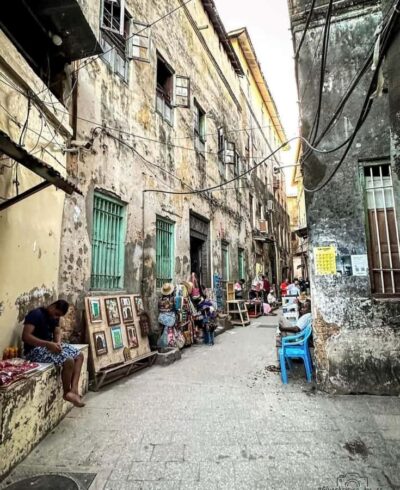
The best part of the timing is its balance. Three hours is long enough to learn several names and uses, yet short enough to fit beside a Stone Town visit or another half-day plan. A previous itinerary combined a spice farm and Stone Town, while other outings with the same operator included Prison Island, a sandbank, and snorkeling.
If you are planning several activities, do not pack the day too tightly. A spice visit is more enjoyable when you have time to smell, taste, and ask questions. The tour is short, but it is not a reason to treat it like a quick photo stop.
What the price of $76.93 per person covers
At $76.93 per person, the tour costs more than a simple self-guided walk through a market. The comparison is not quite fair, since this price includes a private guide, hotel pickup and drop-off, transport waiting time, bottled water, entrance fees, taxes, fuel surcharges, and service fees.
That bundled price makes the value easier to judge. You are paying for local interpretation and transport as well as access to the farm. If you are staying outside central Zanzibar City or do not want to arrange a taxi, the included pickup can remove a practical worry.
The price will make the most sense for a small group that values privacy. A solo visitor may find the per-person cost harder to justify, although the private format can still be useful if personal attention matters to you. Couples and families may get more from the flexible guide time.
Personal expenses are not included. Medical insurance, flights, visas, airport taxes, and personal purchases remain your responsibility. If you want to take home chicken masala, black pepper, or other products, budget separately for those items.
Small touches that make the visit memorable
The farm visit is not limited to naming spices. The guide may turn plant material into simple handmade items. One morning included grass bags and hats made for the group, adding a playful, hands-on element to the outing.
That sort of detail matters because it gives you something to do, not just something to watch. It also makes the visit work well for families and for anyone who likes a bit of local craft alongside the food and plant information.
The experience has also been described as relaxing. That seems fitting for a three-hour farm outing, especially if you have already spent time in the streets of Stone Town or on the coast. The pace offers a change from sightseeing that depends on buildings, boats, or beaches.
Still, keep expectations realistic. The supplied details do not promise a cooking lesson, a full meal, or a large market stop. Food and spice tasting are part of the experience, but this should not be booked as a Zanzibar cuisine class.
Who will enjoy this spice tour most
I would recommend this outing to you if you want an easy introduction to Zanzibar’s agricultural traditions and prefer a guide to explain what you are seeing. It suits first-time visitors who want context without committing to a full-day tour.
It is also a good match for families. Children can smell leaves, taste fruit, and see where everyday ingredients begin. The handmade grass hats and bags may add extra fun, though the tour’s suitability can still depend on each child’s interests and the group’s comfort with a farm walk.
Food lovers will get the most from the tasting and culinary details. You may leave with ideas for pilau, chicken dishes, or spice blends. You should also enjoy it if you like practical cultural information rather than a long historical lecture.
This may not be the best choice if you have only a very short stop in Zanzibar and your main goal is Stone Town architecture. It may also disappoint you if you expect an extensive plantation tour, a cooking class, or a large selection of confirmed fruit and spice products.
The tour is described as suitable for most people, but no detailed accessibility information is provided. If you have mobility needs, ask the operator about the farm paths and walking conditions before booking.
Booking, weather, and timing advice
The experience is commonly booked about 27 days in advance. That does not guarantee that every date sells out, but it is a sensible sign to reserve ahead, especially if you have a fixed hotel stay or want a particular pickup time.
You receive confirmation at the time of booking. Pickup and drop-off from your hotel are included, so provide clear accommodation details and keep your phone available for any timing updates.
Good weather is required. If poor weather causes cancellation, you can choose another date or receive a full refund. You can also cancel for a full refund if you do so at least 24 hours before the start time. Cancellations or changes made within 24 hours are not accepted for a refund, and the cut-off follows local Zanzibar time.
I would place this tour on a morning when you can stay unhurried. You will have more room for the farm visit, questions, and any later plans in Zanzibar City.
Should you book the Zanzibar Spice Tour?
Book it if you want a private, three-hour introduction to Zanzibar’s spice culture with transport and major costs handled in advance. The strongest reasons are the personal guide, the chance to smell and taste living ingredients, and the added focus on traditional plant medicine.
At $76.93 per person, it is most appealing when you value convenience and a private setting. I would choose it for a couple, family, or small group that wants a relaxed outing between beach time and Stone Town sightseeing.
Skip it if your main goal is a formal cooking lesson or a long plantation visit. For everyone else, this is a useful and pleasantly hands-on way to understand why Zanzibar earned its Spice Island name.
FAQ
Where does the Zanzibar Spice Tour take place?
The tour is based in Zanzibar City, Tanzania, and includes a visit to a local spice farm.
How long does the tour last?
The guided experience lasts approximately three hours.
Is this a private tour?
Yes. Only your group participates in this private activity.
Is hotel pickup included?
Yes. Pickup and drop-off from your hotel are included.
What is included in the price?
The price includes a professional tour guide, hotel transport, bottled water, entrance fees, taxes, fuel surcharges, service fees, and transport waiting time.
Which spices and plants can I expect to see?
The tour may include cloves, cinnamon, nutmeg, vanilla, cardamom, curry, pepper, tamarind, ginger, menthol, tropical fruits, herbs, and other plants.
Does the guide explain medicinal uses?
Yes. The guide explains that some plants are used for medicine as well as food, including traditional uses associated with neem leaves and iodine tree sap.
What happens if bad weather cancels the tour?
You will be offered a different date or a full refund if the experience is canceled because of poor weather.
Can I cancel for a full refund?
Yes. You must cancel at least 24 hours before the experience start time for a full refund. Changes or cancellations made less than 24 hours before the start time are not accepted for a refund.
Newly listed around Zanzibar
- Zanzibar: Nungwi/Kendwa Beach Sunset Dhow Cruise with Fruits★ 3.4 · 3 reviews
- Prison Island, Sea Turtles, Rock Restaurant & Relax in Beach★ 4.6 · 3 reviews
- Starfish Beach; The Rock; Kuza Cave; Paje Beach; Salaam Cave Tour★ 4.5 · 3 reviews
- Zanzibar: Half-Day Spice Farm Tour,the flavours of Zanzibar★ 4.7 · 3 reviews
- Joazani forest & Spice farm with lunch★ 5.0 · 3 reviews
- Nakupenda Island Snorkeling Sea trip & Lunch W/Transfer -Zanzibar★ 4.0 · 3 reviews
- Mnemba Island Snorkeling and Dolphin tour★ 5.0 · 3 reviews
- Zanzibar:Jozani forest, Spice farm with Swahili Cuisine clas★ 4.2 · 3 reviews
Spice Farm Tours, compared.



Full-Day Private Stone Town +Spice Farm and Prison Island Tour
Read our review →
The Swahili Spice Experience – Spice Tour + Culinary Journey
Read our review →Browse the lists this tour appears in