Reviewed · ZANZIBAR TOURS
Zanzibar Spice Adventure by Imani Zuberi
Zanzibar’s spices are not just market souvenirs. On this private outing, you get close to the plants themselves, learn how they shaped the island’s trade, and taste what grows around you. The visit to the School of Agriculture also includes local spice products, a coconut climber, fresh young coconut, seasonal fruit, bottled water, and a Swahili meal.
I like two things here. First, the tour connects plants to everyday use by explaining their medicinal value, not just their names. Second, Imani Zuberi handles a private group, so the pace can fit your needs better than a large coach outing. The main consideration is timing: the tour is advertised at two to four hours, but the stated stop itself lasts about two hours, so ask how much time your pickup and meal plan will require.
Key points to know before booking
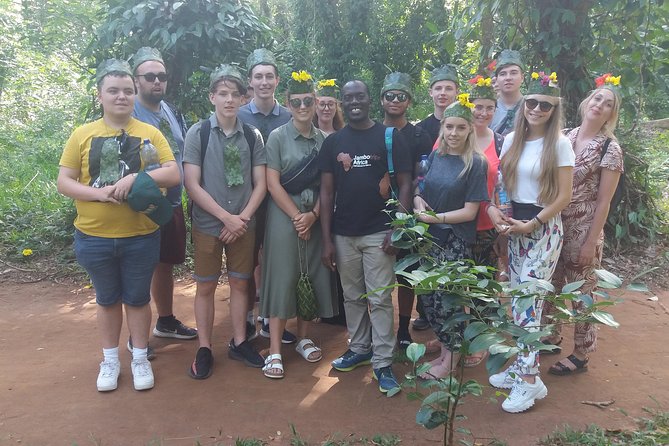
- A hands-on spice visit: Learn about spice plants through tasting and close observation at the School of Agriculture.
- More than a plant walk: The experience covers Zanzibar’s spice trade, medicinal uses, and products made by the local community.
- A coconut-climbing demonstration: Watch a climber reach the tree and enjoy a fresh young coconut afterward.
- Swahili food is included: Lunch, seasonal fruit, and 1.5 liters of bottled water are part of the price.
- A private outing with Imani Zuberi: Only your group participates, with pickup offered and a mobile ticket for easy access.
- Flexible timing: Plan on roughly two to four hours, depending on the exact arrangements for your visit.
Why Zanzibar’s spice story matters
Spices are one of the clearest ways to understand Zanzibar. They are tied to trade, farming, cooking, medicine, and the island’s contact with the wider world. A visit that explains those links gives you more than a quick stop at a farm with plants arranged for photographs.
At the School of Agriculture, you can expect the focus to be practical. You learn the history of the spice trade, identify different plants, taste them, and hear how they have been used for health. That combination matters because many spice tours rely on a list of names. Here, the point is to connect what you see with how people use it.
The tasting element should be especially useful if you do not know Zanzibar’s spices by sight. You are not simply told what a plant is. You get a chance to experience its scent or flavor and place it in the setting where it grows.
The information about medicinal use also adds a local point of view. It does not turn the tour into medical advice, and you should not treat every traditional use as a substitute for professional care. Still, it helps explain why certain plants have been valued for generations.
A few more Zanzibar days to compare
- From Zanzibar: Mikumi Safari Day Trip with Flights and Meal
★ 4.7 · 1,470 reviews - Zanzibar: Quad Bike Adventure departing from Kendwa or Nungwi
★ 4.9 · 1,233 reviews - Zanzibar: Stone Town, Spice Tour, Prison Island with Lunch
★ 4.4 · 1,219 reviews
Inside the two-hour School of Agriculture visit
The main stop is listed at about two hours, with admission included. That is a sensible length for a focused visit. It gives you enough time for explanation, tasting, and lunch without turning the outing into an all-day commitment.
You will learn about the spice trade first or as part of the visit, then look at spice plants and hear about their uses. The exact order may depend on the guide and the day, but the activities fit together well. Trade explains the larger story, the plants make it visible, and the tasting makes it memorable.
A private format can help here. If you want to ask why a particular plant is used in cooking, or how a traditional remedy is prepared, you do not have to wait for a large group to move along. Imani’s role is not just to point out plants. He is expected to explain the subject and adjust the experience to your needs.
That flexibility is useful for families, couples, and small groups with different interests. One person may care about food, another about farming, and another about traditional medicine. A private guide can give each topic a fair hearing.
The tradeoff is that the experience may feel less polished than a tightly scripted commercial attraction. The supplied details do not promise a fixed sequence, set departure time, or a specific farm setting beyond the School of Agriculture. If you need a highly structured tour, confirm the plan before you go.
Meeting the coconut climber
The coconut-climbing demonstration gives the visit a welcome change of pace. You watch a climber go up a coconut tree, then enjoy a fresh young coconut. This is a small detail, but it turns the stop into a working agricultural experience rather than a lesson delivered only from the ground.
Fresh coconut is also a good example of why food helps bring the setting to life. You see where it comes from, watch it being collected, and taste it soon afterward. That direct connection is more useful than simply buying a packaged drink.
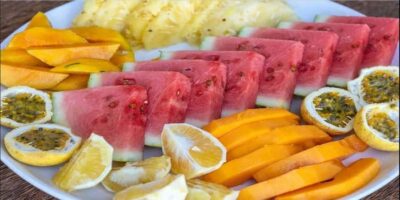
The experience includes 1.5 liters of bottled water, which is practical in Zanzibar’s warm conditions. Seasonal fruit is included as well. The fruit selection is not specified, so you should expect it to depend on what is available at the time.
Beer and soda are not included. That is easy to plan for, especially if you want a soft drink with lunch. The tour does include water, fruit, coconut, and a meal, so the basic food and drink needs are covered without making the package needlessly complicated.
Swahili lunch and the value of local food
Lunch is listed as Swahili cuisine. This is one of the strongest parts of the package because food gives you a better sense of place than a standard international meal would.
The details do not name the dishes, so do not book this expecting a specific menu. Instead, think of it as a chance to eat local cooking as part of the visit. Seasonal fruit and bottled water are included, while beer and soda cost extra if you want them.
The $71.80 price per person should be judged against the full package, not just the two-hour plant visit. You are paying for a private activity, a guide, admission, lunch, water, fruit, the coconut demonstration, and pickup availability. For a small group that values a personal guide and an outing arranged around its needs, that can be fair value.
For a solo visitor, the same price may feel less attractive because private tours do not spread the guide cost across a large group. For two or more people, the value improves, especially if you want a quieter experience and do not want to organize transport and lunch separately.
The key question is what sort of day you want. If you want the lowest possible price for a quick look at spices, a larger shared visit might cost less. If you want direct access to Imani and only your own group on the tour, this package offers something different.
A change of scene while you are in Zanzibar:
- From Kendwa: Mnemba Boat Trip and Dolphin Snorkel Adventure
★ 4.8 · 1,043 reviews - From Zanzibar: Day Selous Game Reserve Safari with Flights
★ 4.7 · 1,025 reviews - Zanzibar: Prison Island and Nakupenda Boat Trip with Lunch
★ 4.1 · 882 reviews - Skydive Zanzibar | Tandem Skydive
★ 5.0 · 877 reviews
What Imani Zuberi adds to the experience
Imani Zuberi is the named guide and provider. The available feedback describes him as careful about safety, willing to go the extra distance, and good at keeping the mood light. It also describes him as a gentleman with a good sense of humor.
Those details matter on a private tour. A guide who can answer questions and keep the group comfortable can make a short outing feel far more personal. They are also useful if you are combining this activity with other Zanzibar plans.
Imani has also led outings connected with Stone Town and volunteer groups. That does not mean Stone Town is included in this spice experience. It does suggest that he has worked with different types of groups, including school groups and volunteers, and that his approach may suit people who want more context than a basic walk-through.
One account from a school group describes feeling safe during a 12-day Zanzibar visit that included several activities. That is not a guarantee about every future booking, but it is a helpful sign for parents, teachers, and organized groups considering a private guide.
The strongest praise is consistent: personal care, good humor, safety, and attention to the group’s needs. Those qualities are hard to measure before booking, but they are exactly what can make a private tour worth more than a cheaper shared option.
Timing, pickup, and the private format
The overall duration is given as approximately two to four hours. The main School of Agriculture stop is listed at two hours, so the extra time may relate to pickup, transfers, or the way your visit is arranged. Since the exact pickup area and schedule are not provided, confirm those details before paying.
Pickup is offered, but the information does not specify every hotel, town, or meeting point served. If you are staying outside the main tourist areas, ask whether pickup is available at your accommodation and how it affects the start time.
Only your group participates. That is a major advantage if you dislike waiting for strangers, want to ask many questions, or are traveling with children or classmates. It also lets you set a more comfortable pace within the time available.
The private format does not mean every part can change at the last moment. The tour requires good weather, and changes made less than 24 hours before the start are not accepted. If poor weather forces cancellation, you can receive a different date or a full refund.
Most people can participate, according to the supplied practical information. No special accessibility details are provided, so anyone with mobility, medical, or dietary concerns should ask before booking. The tour includes food, but the menu and accommodation of dietary needs are not specified.
Who will enjoy this Zanzibar spice tour?
I would point this outing toward people who want a short cultural activity with food included. It suits first-time visitors who want an introduction to Zanzibar’s spices without giving up an entire day.
Families may like the mix of tasting, fruit, coconut, and a live demonstration. The private setting can also make it easier to keep children engaged and ask the guide to explain things in simple terms.
It is a good match for couples and small private groups who care about local food and traditional plant use. It also has clear value for school or volunteer groups, since Imani has experience working with those kinds of visitors.
You may want to choose another option if you are looking for a full plantation visit, a detailed cooking class, or a tour with a guaranteed menu. Those features are not promised here. The focus is the School of Agriculture, spice education, coconut climbing, and Swahili lunch.
Booking advice and cancellation terms
Confirmation is sent at the time of booking, and a mobile ticket is offered. That makes the practical side simple, particularly if you are already moving between activities in Zanzibar.
Free cancellation applies if you cancel at least 24 hours before the local start time. A cancellation inside that 24-hour window is not refunded, and changes during that period are not accepted.
Weather is the main exception. If poor conditions cancel the activity, you are offered another date or a full refund. Zanzibar weather can affect outdoor plans, so keep some flexibility in your schedule rather than placing this tour on your final day.
Should you book Zanzibar Spice Adventure?
Book it if you want a private, food-focused introduction to Zanzibar’s spice culture and value a guide who can explain medicinal uses, answer questions, and adjust the pace. The package is strongest for couples, families, school groups, and small parties who will appreciate the private format.
At $71.80 per person, the cost is reasonable when you use the included lunch, water, fruit, admission, pickup option, and personal guide. It is less compelling if you only want a quick plant walk or are traveling alone on a strict budget.
Before booking, confirm your pickup point, the exact schedule, and any dietary needs. If those details suit you, this is a compact way to connect Zanzibar’s trade story with plants, food, and everyday life.
FAQ
How much does Zanzibar Spice Adventure cost?
The price is $71.80 per person.
How long does the experience last?
The full experience is approximately two to four hours. The School of Agriculture visit is listed as lasting two hours.
Is pickup available?
Yes. Pickup is offered, but the available information does not specify every pickup location, so confirm whether your accommodation is covered.
Is lunch included?
Yes. Swahili cuisine lunch, seasonal fruit, and 1.5 liters of bottled water are included.
Are beer and soda included?
No. Beer and soda are not included in the price.
Is this a private tour?
Yes. Only your group participates in the activity.
What happens if the weather is poor?
If poor weather causes cancellation, you are offered a different date or a full refund. You can also cancel for a full refund if you do so at least 24 hours before the experience start time.
Newly listed around Zanzibar
- Zanzibar: Nungwi/Kendwa Beach Sunset Dhow Cruise with Fruits★ 3.4 · 3 reviews
- Prison Island, Sea Turtles, Rock Restaurant & Relax in Beach★ 4.6 · 3 reviews
- Starfish Beach; The Rock; Kuza Cave; Paje Beach; Salaam Cave Tour★ 4.5 · 3 reviews
- Zanzibar: Half-Day Spice Farm Tour,the flavours of Zanzibar★ 4.7 · 3 reviews
- Joazani forest & Spice farm with lunch★ 5.0 · 3 reviews
- Nakupenda Island Snorkeling Sea trip & Lunch W/Transfer -Zanzibar★ 4.0 · 3 reviews
- Mnemba Island Snorkeling and Dolphin tour★ 5.0 · 3 reviews
- Zanzibar:Jozani forest, Spice farm with Swahili Cuisine clas★ 4.2 · 3 reviews
Zanzibar Tours, compared.