
Reviewed · SPICE FARM TOURS
Spice Tour In Zanzibar
Zanzibar’s famous spice trade makes the most sense when you see the plants up close. On this private half-day outing, you walk beneath a leafy canopy, rub leaves between your fingers, smell cinnamon bark, and learn how cloves, vanilla, cardamom, and black pepper grow. The tour also reaches well beyond spices, with coffee, cocoa, cassava, cocoyam, and tropical fruit in the mix.
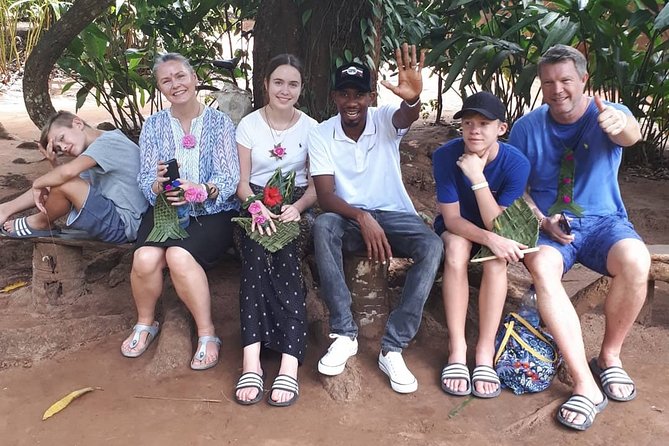
I like the hotel pickup in an air-conditioned vehicle, since Zanzibar’s heat can make a rural outing tiring before it begins. I also like the personal pace: guides such as Mohamed have explained plant uses, made time for photographs, and added fresh coconut, fruit, plant bracelets, and leafy crowns to the visit. The main caution is reliability. One booking was reportedly cancelled on the day without an explanation, so confirm your pickup before setting out.
Key points at a glance
- Cloves, vanilla, and cardamom grow within touching distance: This is a hands-on plant walk, not just a drive past farmland.
- The tour reaches beyond spices: You may see coffee, cocoa, turmeric, ylang-ylang, cassava, cocoyam, and the lipstick tree.
- Fresh fruit is part of the experience: Seasonal treats can include jackfruit, pineapple, banana, green coconut, rambutan, soursop, and starfruit.
- A private group changes the pace: You can ask questions, stop for photographs, and focus more on plants, food, or local uses.
- The listed price is $70 per person: That includes the vehicle and parking, but not airport or departure tax.
- Allow roughly two to three hours: The walk itself is listed at about 30 minutes, while the full outing includes the drive and countryside visit.
Why a Zanzibar spice tour is worth your time
A spice tour gives you a useful way to understand Zanzibar beyond its beaches and historic Stone Town streets. Many spices arrive in shops as dry powders or small jars. Here, you see the living plant and begin to understand how much work sits behind a familiar kitchen smell.
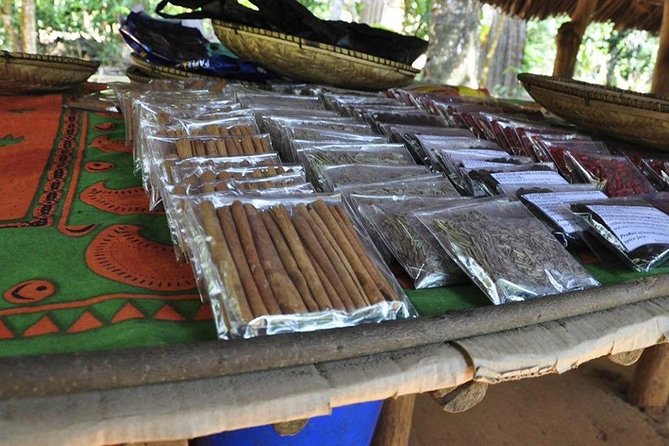
Cloves are especially important to Zanzibar’s identity. On the walk, you may see the trees where the flower buds are picked before opening and dried. Cinnamon offers another good lesson because the useful spice comes from bark, not a seed or fruit. Cardamom, black pepper, nutmeg, turmeric, and vanilla each look different in the field, which makes the visit feel more like a plant lesson than a shopping stop.
I appreciate the fact that the tour does not treat the word spice too narrowly. The same walk can introduce you to the iodine plant, henna bush, ylang-ylang, lipstick tree, cocoa, cassava, dasheen cocoyam, and coffee. Some of these plants connect to cooking, some to cosmetics or medicine, and some to everyday food production.
The experience is best for you if you enjoy learning through your senses. You will smell leaves, touch bark, look closely at fruit, and taste seasonal produce. If you want a formal agricultural lecture or a long historical tour, this may feel light. Its strength is the direct, easygoing contact with plants.
More spice farm mornings:
- Zanzibar: Stone Town, Spice Tour, Prison Island with Lunch
★ 4.4 · 1,219 reviews - Zanzibar: Prison Island, Stone Town, & Spice Farm Tour
★ 4.5 · 579 reviews - Zanzibar: Stone Town, Spice tour & Prison Island with Lunch
★ 4.6 · 453 reviews
Leaving the hotel for Zanzibar’s green countryside
Pickup is offered from your hotel, and the outing uses an air-conditioned vehicle. That matters in Zanzibar, where a short drive in the heat can leave you less ready for a walk. Parking fees are included, which removes one small practical nuisance.
The drive takes you away from the built-up coast and into the countryside, where the surroundings become greener and quieter. The tour description places the walk at the Zanzibar Spices and Heritage Centre, though the exact farm or path can vary with the operating arrangements. I would confirm the pickup time and meeting details with Suncoast Zanzibar Tours before the day of the tour.
The private format is useful here. You are not tied to the interests or energy level of a large group. You can ask the guide to slow down for photographs, spend more time on medicinal plants, or move along if the heat is building. The tour is advertised for most participants, but the information provided does not give a detailed accessibility assessment for paths, surfaces, or mobility equipment.
The total duration is about two to three hours. That makes it easy to fit around another Zanzibar activity, though you should allow enough room for the drive, the walk, questions, fruit tasting, and any shopping. The listed 30-minute admission period appears to describe the main visit, not necessarily the entire hotel-to-hotel outing.
Walking through cloves, cinnamon, and vanilla
The central part of the outing is a guided walk through different spice plantations. You are not simply shown a row of jars. You see where the plants grow and hear how local people use them.
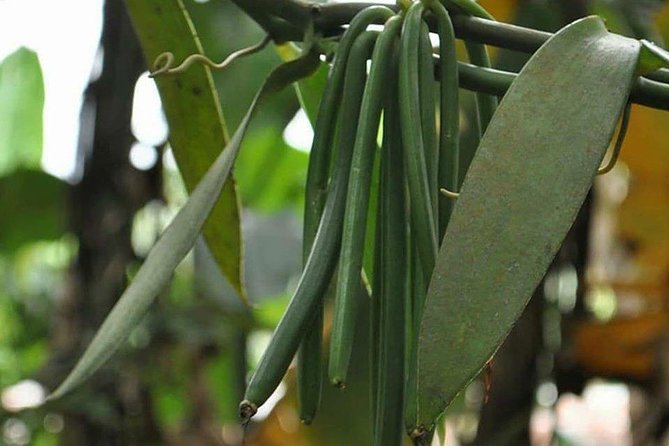
Cloves, cardamom, cinnamon, black pepper, turmeric, vanilla, and nutmeg are among the main examples. Each plant gives the guide a different story to tell. Black pepper grows as a climbing plant, while turmeric comes from an underground part of the plant. Vanilla is an especially useful plant to see in person because its familiar flavor comes from a long, carefully handled pod rather than a ready-made liquid.
The value of the guide is important. A good explanation turns a pleasant stroll into something you remember. Mohamed is specifically mentioned as a guide who explained herbs and their uses in medicine. Other guides have been described as punctual, friendly, and willing to answer questions. You should still ask about any health claims rather than treating a traditional use as medical advice.
The walk also allows time for photographs and video. That sounds minor, but it makes a difference when a plant is small or partly hidden among other growth. A quick group tour can rush you past the details. A private outing gives you a better chance to stop and look.
Expect heat, uneven ground, and plenty of greenery. Comfortable walking shoes, water, sun protection, and lightweight clothing are sensible choices. The supplied details do not promise a shaded rest area or a particular level of trail preparation, so do not approach this as a paved botanical garden visit.
More than spices: coffee, cocoa, henna, and useful plants
The wider plant collection is one of the best reasons to choose this outing. The tour includes plants that connect to food, fragrance, dye, farming, and local customs.
You may see coffee and cocoa plants, which are easy to recognize in finished products but less familiar in their growing form. Ylang-ylang adds a strong fragrance to the walk. The henna bush connects to body decoration and traditional use, while the lipstick tree offers a glimpse of a natural source of red coloring.
Cassava and dasheen cocoyam bring the tour back to staple foods. These plants matter because they show that Zanzibar’s countryside is not simply a place where export spices grow. It is also a working food-growing area. That broader view makes the experience more useful than a narrow list of exotic aromas.
The tour description also mentions the iodine plant. Since the supplied information does not explain how it is identified or used, ask your guide to point it out and describe it clearly. This is a good example of why direct questions improve the outing. The plants can be interesting, but their names and uses are easy to forget if you only hear them once.
A few more Zanzibar days to compare
- From Zanzibar: Mikumi Safari Day Trip with Flights and Meal
★ 4.7 · 1,470 reviews - Zanzibar: Quad Bike Adventure departing from Kendwa or Nungwi
★ 4.9 · 1,233 reviews - From Kendwa: Mnemba Boat Trip and Dolphin Snorkel Adventure
★ 4.8 · 1,043 reviews - From Zanzibar: Day Selous Game Reserve Safari with Flights
★ 4.7 · 1,025 reviews
Fruit tasting under the canopy
The tropical fruit portion adds a welcome change after the plant walk. Depending on what is in season, you might encounter jackfruit, pineapple, banana, green coconut known locally as madafu, durian, love apple, rambutan, soursop, and starfruit.
Some of these fruits are familiar, while others are not. A green coconut offers a cool drink rather than the hard brown shell you may know from shops. Rambutan has a hairy red skin and sweet flesh. Soursop is soft and fragrant, and starfruit has its familiar ridged shape. Jackfruit can be large and sticky, with a strong presence of its own.
Fresh coconut and an assortment of fruit have been offered during past outings. Plant-made crowns and bracelets have also been part of the welcome, giving the experience a playful local touch. I would treat these extras as pleasant additions rather than guaranteed inclusions, since the exact fruit and presentation can change with the season.
Fruit availability is one place where the private format helps. You can ask what you are tasting and how it is normally eaten. If you have allergies or dietary concerns, tell the company before booking and ask what tasting will involve. The supplied information does not specify an allergy policy.
A private tour with room for questions
This is a private activity, so only your group participates. That is the clearest difference between this outing and a basic shared transfer to a farm. You can shape the conversation around what interests you.
If you cook, ask to spend more time on cinnamon, vanilla, cloves, pepper, and turmeric. If you are interested in traditional plant use, ask for examples involving henna, ylang-ylang, or medicinal herbs. If you are traveling with children, the fruit and hands-on smells may hold their attention better than a long historical explanation.
The tour is also suited to couples. One booking described a honeymoon stay arranged through Suncoast, though that accommodation is not part of this spice tour. The private setting can feel more relaxed for a couple than being folded into a large group.
The quality depends heavily on the individual guide. Mohamed received a particularly strong mention for his explanations, while other guides have been praised for punctuality, friendliness, and making time for questions and photos. That is encouraging, but it also means you should see the guide as a central part of the experience, not a minor detail.
Is $70 per person good value?
At $70 per person, the tour is not the cheapest way to see rural Zanzibar. Its value comes from the bundle: hotel pickup, an air-conditioned vehicle, parking, a private guide, the farm walk, plant explanations, and possible fruit tasting.
For a solo visitor, $70 may feel high for a two to three-hour outing. For a couple or small group that values privacy, the cost buys flexibility and avoids coordinating transport separately. It also saves you from arranging a taxi, negotiating a rural destination, and finding a guide once you arrive.
The price does not include airport or departure tax. That exclusion is not usually relevant to the spice walk itself, but it is worth remembering if you are comparing the total cost of several Zanzibar activities. The supplied details also do not say that lunch, bottled water, or souvenir spices are included.
Spice purchases may be offered at the end or during the visit. One past experience included a chance to buy spices. I would compare prices and buy only what you genuinely want. The walk should be worthwhile even if you leave without a bag of cinnamon or vanilla.
The reliability question and how to protect your day
The biggest concern is not the plants. It is the possibility of a last-minute change. One booking was cancelled around lunchtime on the day of an afternoon tour without an explanation. That is a serious problem if you have planned other transport or activities around the visit.
The stated cancellation policy allows a full refund if you cancel at least 24 hours before the start time. Changes or cancellations inside that 24-hour window are not accepted for a refund, and the cut-off uses Zanzibar local time. Those terms protect the operator more than they protect a traveler from an operator cancellation, so confirm the arrangements directly.
I would send a short message before the tour day asking for the pickup time, vehicle details, and confirmation that the tour is running. Keep your phone available on the morning of the outing. If your schedule is tight, avoid placing this tour immediately before an airport transfer or another prepaid activity.
That caution should not erase the tour’s good qualities. Most of the supplied experiences describe timely pickup, friendly guides, useful explanations, and a pleasant walk. It simply means you should leave a little space in your Zanzibar plans.
Who should book this Zanzibar spice tour?
I would recommend it to you if you want a short countryside outing, enjoy food and plants, or prefer a private guide to a fixed group schedule. It works well for couples, families, first-time visitors, and anyone staying in Zanzibar who wants a break from the coast.
It is also a good choice if you learn best by seeing and smelling things. The difference between a cinnamon tree, a vanilla plant, a pepper vine, and a turmeric plant is far easier to remember after you have stood beside each one.
I would think twice if you dislike walking on natural ground, have limited tolerance for heat, or want a long, formal account of Zanzibar’s spice trade. The main walk is brief, and the tour’s emphasis is on plants, food, and conversation rather than a detailed academic presentation.
Should you book it?
Book this tour if the idea of smelling fresh spices, tasting tropical fruit, and asking a private guide about local plants appeals to you. The air-conditioned pickup, flexible pace, and wide range of plants make the $70 price reasonable for a small group that values convenience.
I would book with one condition: confirm the outing directly before the day arrives. If Suncoast Zanzibar Tours confirms your pickup, this is a pleasant, practical way to see a greener side of the island. If your schedule cannot absorb a same-day cancellation, choose a provider with firmer operating confirmation or keep a backup plan.
FAQ
Where does the spice tour take place?
The tour takes you from your Zanzibar hotel into the countryside and includes a visit to the Zanzibar Spices and Heritage Centre.
How long does the experience last?
The full experience lasts approximately two to three hours. The main plantation visit is listed as about 30 minutes.
Is hotel pickup included?
Yes. Hotel pickup is offered, and transportation is provided in an air-conditioned vehicle.
Is this a private tour?
Yes. Only your group participates in the activity.
Which spices can I see?
The plantation walk can include cloves, cardamom, cinnamon, black pepper, turmeric, vanilla, and nutmeg.
Which other plants and fruits may be included?
Other plants may include coffee, cocoa, cassava, dasheen cocoyam, henna, ylang-ylang, the lipstick tree, and the iodine plant. Seasonal fruit may include pineapple, banana, jackfruit, green coconut, durian, rambutan, soursop, love apple, and starfruit.
What is the cancellation policy?
You can cancel for a full refund if you do so at least 24 hours before the experience start time. Cancellations or changes made less than 24 hours before the start time are not accepted for a refund.
Newly listed around Zanzibar
- Zanzibar: Nungwi/Kendwa Beach Sunset Dhow Cruise with Fruits★ 3.4 · 3 reviews
- Prison Island, Sea Turtles, Rock Restaurant & Relax in Beach★ 4.6 · 3 reviews
- Starfish Beach; The Rock; Kuza Cave; Paje Beach; Salaam Cave Tour★ 4.5 · 3 reviews
- Joazani forest & Spice farm with lunch★ 5.0 · 3 reviews
- Zanzibar: Half-Day Spice Farm Tour,the flavours of Zanzibar★ 4.7 · 3 reviews
- Nakupenda Island Snorkeling Sea trip & Lunch W/Transfer -Zanzibar★ 4.0 · 3 reviews
- Mnemba Island Snorkeling and Dolphin tour★ 5.0 · 3 reviews
- Zanzibar:Jozani forest, Spice farm with Swahili Cuisine clas★ 4.2 · 3 reviews
Spice Farm Tours, compared.



Full-Day Private Stone Town +Spice Farm and Prison Island Tour
Read our review →
The Swahili Spice Experience – Spice Tour + Culinary Journey
Read our review →Browse the lists this tour appears in