
Reviewed · JOZANI FOREST TOURS
Spice Tour and Jozani Forest
Zanzibar’s spice farms and red colobus monkeys make a fine pairing: one stop engages your senses, the other puts you on a forest trail where you may see an animal found nowhere else. The farm visit shows how cloves, cinnamon, vanilla, turmeric, and tropical fruit grow, while Jozani adds wildlife and mangrove forest.
I like the hands-on farm walk, where you can touch, smell, and taste the crops instead of simply hearing a list of names. I also like the careful guiding reported on this tour, with Hussein praised for his plant and local explanations and Morshed noted as a kind driver.
The main consideration is that the day’s exact route needs checking before you book. The core experience covers the spice farm and Jozani Forest, but the published outline also mentions Prison Island and a Stone Town city tour, while lunch is described in one place as part of the day and excluded in another.
Key points to know before booking
- Red colobus monkeys are the star of Jozani: This rare Zanzibar species cannot be seen anywhere else.
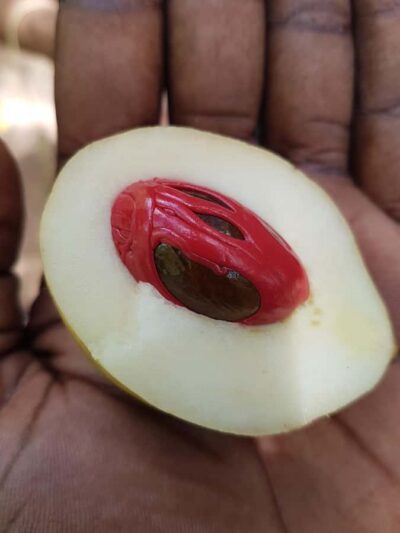
- The spice farm is hands-on: You smell, touch, and taste crops including cloves, lemongrass, nutmeg, cinnamon, vanilla, turmeric, and black pepper.
- Jozani is 38 kilometers southeast of Stone Town: Hotel transfers are included, which makes the forest easier to reach.
- The mangrove walk adds a second habitat: You do not spend the whole forest visit looking for monkeys.
- Early morning offers the best wildlife chance: Jozani is open from 7:30 a.m. to 5 p.m.
- Budget separately for lunch: A Swahili meal is described at the farm, but lunch is listed as not included in the $100 price.
Why Zanzibar’s spice country belongs on your itinerary
Zanzibar earned its nickname, the Spice Island, for good reason. Cloves, nutmeg, cinnamon, and other crops shaped the island’s trade, and the farms still give you a clear look at how these plants grow.
The story reaches back to Portuguese traders in the 16th century, who introduced spices and herbs from South America and India. That background adds meaning to what you see in the soil. Cinnamon is not just a powder in a kitchen jar, and vanilla is not simply a flavor in ice cream. At the farm, you get a chance to connect each product with its plant.
I especially like this kind of stop because it does not depend on a grand building or a polished museum. You walk around a working organic farm, examine the plants, and learn how crops are cultivated and used. The experience is simple, but it gives you a better sense of everyday life outside Stone Town.
The farm offers a wide range of plants through the year. Seasonal availability still matters, so the exact fruit and crops you taste can vary. That is part of the point: this is a growing farm, not a fixed indoor display.
More Jozani Forest trips:
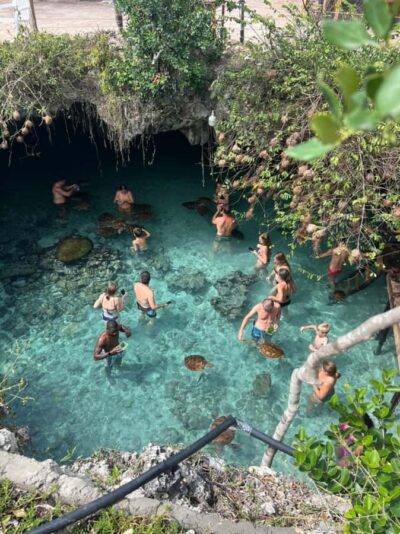
- Zanzibar: Jozani Forest & Sea Tortoises Sanctuary Tour
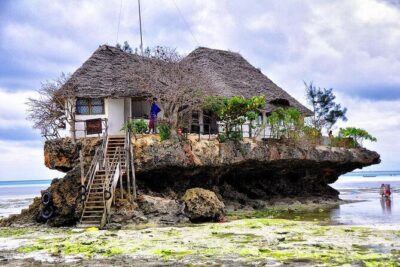
★ 4.6 · 204 reviews - Dolphin tour, Jozani Forest, Jambiani Kuza Cave, Paje Beach &The Rock restaurent
★ 4.5 · 164 reviews - Zanzibar full day Jozani forest + Spice farm and stone town
★ 4.7 · 90 reviews
Walking through the spice farm
Expect a walking tour rather than a vehicle-based sightseeing stop. Your guide explains the plants as you move around the farm, pointing out how they grow and describing their uses.
You may see cloves, lemongrass, nutmeg, cinnamon, turmeric, vanilla, coconuts, papaya, chili, black pepper, jackfruit, cardamom, cassava, and oranges. The strongest part of the visit is the sensory element. You can smell aromatic leaves, handle spices, and taste seasonal fruit.
The tasting makes the lesson stick. A spoken explanation of nutmeg or cardamom can blur together, but the scent of a freshly handled spice is harder to forget. Fruit tasting also brings a welcome change of pace during a walking tour.
Guides are an important part of this stop. Hussein is specifically associated with clear explanations about plants, people, and local history. Another guide may lead your departure, but the experience depends on having someone who can explain the crops in a way that connects farming to daily use.
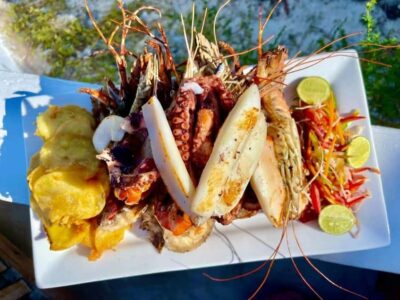
The tour also has a food angle. A traditional Swahili lunch is described at the farm, offering a chance to taste how spices work in cooking rather than only smelling them in raw form. Since lunch is separately marked as not included, plan to pay for it yourself or confirm the arrangement before departure. That small check can prevent confusion on the day.
Jozani Forest and the red colobus
After the farm, the driver takes you to Jozani Forest. The forest lies in the center of Jozani-Chwaka Bay National Park, about 38 kilometers southeast of Stone Town.
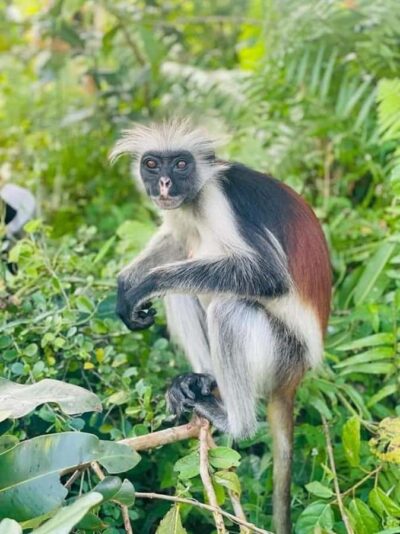
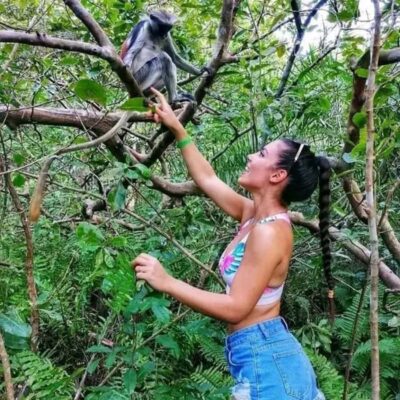
The main reason to come is the Zanzibari red colobus monkey. This species is indigenous to Zanzibar and cannot be seen anywhere else. Seeing one is not guaranteed, since wildlife moves on its own schedule, but Jozani gives you the right setting and trained guides to improve your chances.
The forest contains more than red colobus monkeys. You might also catch sight of Blue Sykes’ monkeys, bush pigs, Aders duiker antelopes, elephant shrews, chameleons, birds, and butterflies. The range of possible sightings makes the walk worthwhile even if the monkeys are keeping out of sight.
I would aim for an early start. Jozani opens at 7:30 a.m. and closes at 5 p.m., and early morning is identified as the best time to see wildlife. Morning light and quieter conditions can also make a forest walk more pleasant, though the tour schedule and hotel pickup time will determine what is possible.
The forest has a nature trail, and the guides explain the flora and fauna along the route. This matters because a tropical forest can look like a wall of green if you do not know where to look. A guide can help you notice movement in the branches, smaller animals near the trail, and plants that would otherwise pass without your attention.
The mangrove swamp adds a different side of Jozani
Jozani is not only a woodland stop. The visit also includes the mangrove swamp, where you walk around the mangrove forest.
That change in habitat gives the excursion more variety. You start with cultivated plants at the farm, move into forest habitat at Jozani, and then see the specialized environment of mangroves. It is a useful reminder that Zanzibar’s natural life is not limited to beaches and coral water.
Do not expect the mangrove section to feel like a separate full-day outing. It is part of the Jozani visit, and the exact amount of time spent there depends on the day’s route. Still, it adds value, especially if you enjoy plants and ecosystems as much as animal sightings.
More spice farm mornings:
- Zanzibar: Stone Town, Spice Tour, Prison Island with Lunch
★ 4.4 · 1,219 reviews - Zanzibar: Prison Island, Stone Town, & Spice Farm Tour
★ 4.5 · 579 reviews - Zanzibar: Stone Town, Spice tour & Prison Island with Lunch
★ 4.6 · 453 reviews - Full-Day Private Stone Town +Spice Farm and Prison Island Tour
★ 4.5 · 216 reviews
A closer look at the transport and guiding
Hotel pickup and drop-off are included, along with a tour guide and entry fee. For a $100 per-person price, that package is most useful if you want the day organized without arranging separate transport to the farm and forest.
The transfer matters because Jozani is outside Stone Town. You avoid the work of piecing together transport and park entry, and you can focus on the stops instead of watching directions.
The available feedback points to a well-organized operation. Angelo praised the attention to detail and the way the itinerary was explained. The spice farm staff are also described as friendly, and one solo visitor felt comfortable and well looked after. Those details suggest a good fit if you prefer a guided day rather than handling each stop independently.
Driver Morshed is specifically praised for being kind, while Hussein is praised for his explanations. Names can vary by departure, so do not assume both will be assigned to you. Still, the comments give you useful clues about the service standard to hope for: clear explanations, a friendly farm welcome, and a driver who helps the day run smoothly.
The tour is offered in English, French, German, Italian, and Spanish. That is a practical advantage if you want more than a basic translation. Ask for your preferred language when booking.
How much value does the $100 price offer?
At $100 per person, this is not the cheapest way to see a farm and forest, but the price includes the major practical pieces: hotel transfers, a guide, and entry fees.
The value is strongest if you are staying away from Jozani, want a planned route, or prefer having plant and wildlife information explained as you go. A private or small organized outing can also make a full day feel easier, though the group size is not provided, so you should not assume the trip is private.
Lunch is the key budget question. The day describes a traditional Swahili meal at the farm, but the inclusion list excludes lunch. Treat food as an extra unless the operator confirms otherwise. This is especially important because the spice farm lunch is presented as part of the experience, not merely an optional snack.
The timing also deserves a realistic view. One account found that the tour did not last eight hours but still felt sufficient. That suggests you may see the main sights without spending a full long day on the road. If a long, leisurely outing matters to you, confirm the expected duration. If you prefer an efficient schedule, a shorter day may be a benefit.
The Prison Island and Stone Town wording needs clarification
The itinerary description also refers to heading to Prison Island and later returning to Stone Town for a city tour. Yet the main title and central description focus on the spice farm and Jozani Forest.
That may reflect a broader itinerary or a copied route description. I would confirm the actual stops before paying, especially if Prison Island is a priority for you. Do not assume that the $100 package includes a boat trip or a full Stone Town tour unless the operator clearly confirms it.
This is not a small distinction. A spice farm and Jozani Forest make a land-based nature and culture day. Prison Island would change the transport and pacing, while a Stone Town city tour would add an urban history section. Knowing the route helps you judge the price fairly and avoid expecting an attraction that is not scheduled that day.
Practical advice for the forest visit
Jozani asks you to keep at least three meters from wildlife. Follow that rule even if a monkey comes close. The red colobus monkeys are susceptible to human illnesses and have very little resistance to them.
You should also avoid visiting the forest if you have cold or flu-like symptoms. This protects the animals, which is a more important concern than getting one extra wildlife outing.
Early morning is the best stated time for wildlife, so ask about pickup timing if seeing monkeys is your main goal. The forest is open daily from 7:30 a.m. to 5 p.m., but opening hours do not guarantee that your tour begins at the ideal wildlife hour.
Comfortable walking clothes will make the farm and nature trail easier. The supplied details do not specify a dress code or special equipment, so I would keep preparations simple and focus on being ready for an outdoor walking visit.
Who will enjoy this tour most?
I would recommend this outing to you if you want more from Zanzibar than a beach day. It combines agriculture, food, wildlife, botany, and mangroves in one organized trip.
It is especially suited to:
- First-time visitors who want a broad introduction to the island
- Anyone curious about how spices and tropical fruit grow
- Families and solo visitors who prefer guided transport
- Nature lovers hoping to see red colobus monkeys
- People who enjoy a cultural meal as part of a day outdoors
It may be less suitable if you want a slow, specialized wildlife expedition or a precise full-day schedule. Wildlife sightings are never fixed, and the duration can be shorter than eight hours. It is also not ideal if you dislike walking or want a trip devoted only to Stone Town, Prison Island, or the beach.
The rating is 4.9 from eight reviews, a small sample but a strong signal. The most consistent strengths are organization, friendly staff, detailed explanations, and the comfort of having transport arranged. Those are the qualities I would value most on a combined farm and forest outing.
Should you book Spice Tour and Jozani Forest?
Book it if you want two very different Zanzibar experiences in one day: the smells and flavors of an organic spice farm, followed by a guided forest walk with a chance to see endemic red colobus monkeys.
Before booking, confirm three points: the exact route, the expected duration, and whether lunch is extra. Also ask whether Prison Island and the Stone Town city tour are part of your departure, since the published details describe those stops alongside the spice farm and Jozani.
With those details clear, the $100 price offers solid convenience. You get hotel transfers, a guide, and entry fees, while the tour gives you genuine contact with Zanzibar’s plants, food, and wildlife rather than another quick photo stop.
FAQ
Where does the Spice Tour and Jozani Forest experience take place?
The experience takes place in Zanzibar’s Unguja South Region. Jozani Forest is about 38 kilometers southeast of Stone Town.
What is included in the $100 price?
The price includes hotel pickup and drop-off, a tour guide, and entry fees.
Is lunch included?
Lunch is listed as not included. The itinerary describes a traditional Swahili lunch at the farm, so confirm the arrangement and budget separately for the meal.
Which animals can I see at Jozani Forest?
The main animal is the Zanzibari red colobus monkey. You might also see Blue Sykes’ monkeys, bush pigs, Aders duiker antelopes, elephant shrews, chameleons, birds, and butterflies.
Why are the red colobus monkeys special?
The Zanzibari red colobus monkey cannot be seen anywhere else. The species is indigenous to Zanzibar.
What spices and plants can I see at the farm?
Possible crops include cloves, lemongrass, nutmeg, cinnamon, vanilla, turmeric, coconuts, papaya, chili, black pepper, jackfruit, cardamom, cassava, and oranges.
What languages are available?
The tour is offered in English, French, German, Italian, and Spanish.
What time is Jozani Forest open?
Jozani Forest is open daily from 7:30 a.m. to 5 p.m. Early morning is the best time stated for seeing wildlife.
How close can I get to the monkeys?
You should keep at least three meters between yourself and any wildlife. Do not visit if you have cold or flu-like symptoms because the monkeys are vulnerable to human illnesses.
Newly listed around Zanzibar
- Prison Island, Sea Turtles, Rock Restaurant & Relax in Beach★ 4.6 · 3 reviews
- Zanzibar: Nungwi/Kendwa Beach Sunset Dhow Cruise with Fruits★ 3.4 · 3 reviews
- Starfish Beach; The Rock; Kuza Cave; Paje Beach; Salaam Cave Tour★ 4.5 · 3 reviews
- Zanzibar: Half-Day Spice Farm Tour,the flavours of Zanzibar★ 4.7 · 3 reviews
- Joazani forest & Spice farm with lunch★ 5.0 · 3 reviews
- Nakupenda Island Snorkeling Sea trip & Lunch W/Transfer -Zanzibar★ 4.0 · 3 reviews
- Zanzibar:Jozani forest, Spice farm with Swahili Cuisine clas★ 4.2 · 3 reviews
- Mnemba Island Snorkeling and Dolphin tour★ 5.0 · 3 reviews
Jozani Forest Tours, compared.
Browse the lists this tour appears in