
Reviewed · SERENGETI & NGORONGORO SAFARIS
serengeti & ngorongoro 3 days private tour
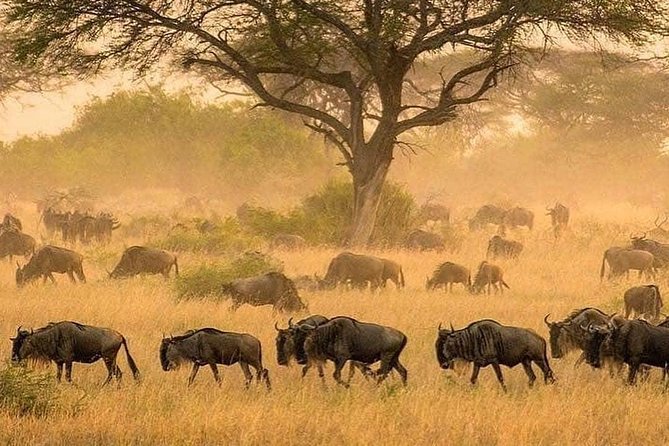
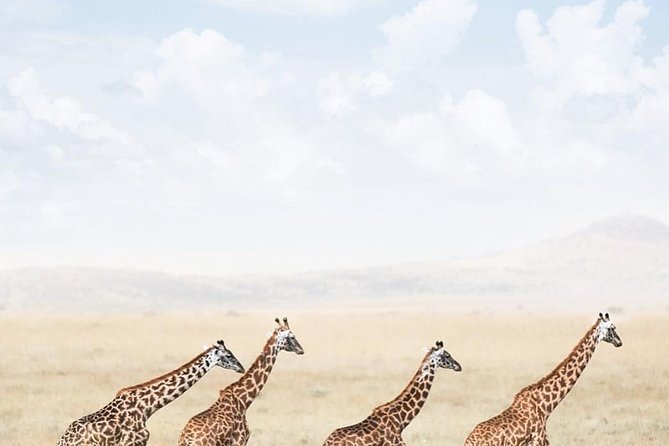
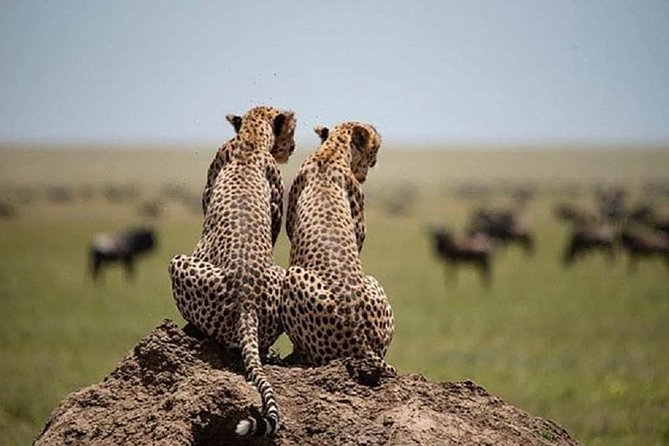
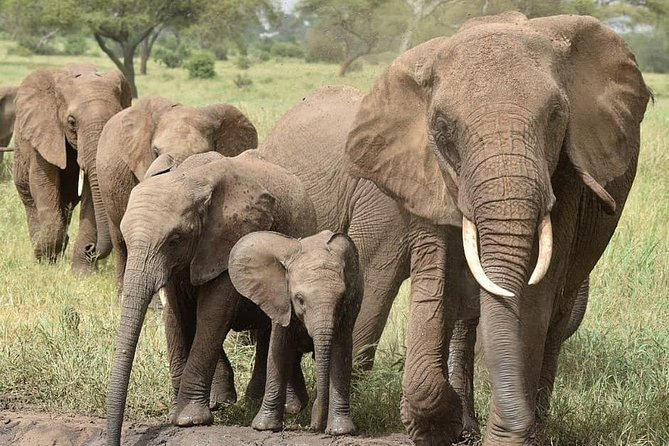
The great appeal here is simple: in three busy days, you reach both Serengeti National Park and Ngorongoro Crater without paying for a luxury lodge or sharing the vehicle with strangers. This is a fast, private route into Tanzania’s most famous wildlife country, with a real chance of seeing lions, cheetahs, elephants, zebras, wildebeest, and perhaps a black rhino.
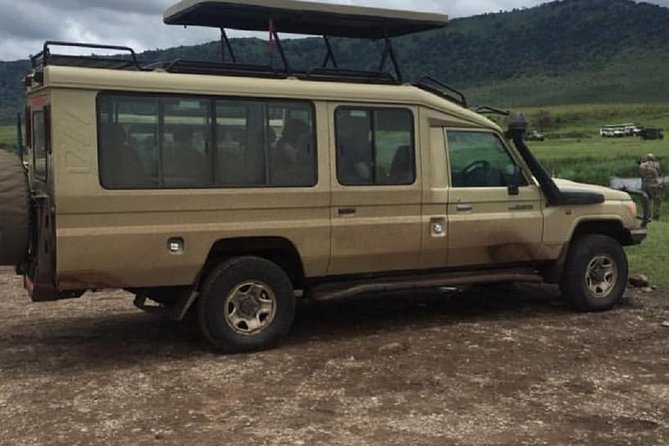
I like the pop-up-roof 4×4, which gives you a better view while keeping you protected from sun and dust. I also like the personal service reported from guides such as Isaac, Chaddy, Anwar, Freddy, and Jonathan, along with the cooks who prepare substantial meals in camp. The main drawback is the pace: long drives, early starts, basic camping, and only limited time in each park.
Key points to know before booking
- Two legendary parks in three days: You visit Serengeti National Park and descend into Ngorongoro Crater, with an overnight in or near Seronera.
- Private vehicle and group: Only your party takes part, so you can ask the guide to pause for wildlife or adjust the pace when practical.
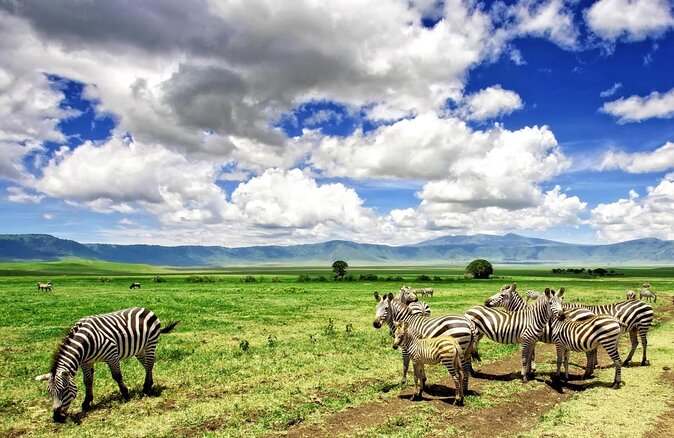
- Wildlife comes first: The route targets Serengeti’s big cats, migrating wildebeest, zebras, gazelles, elephants, and the crater’s black rhinos.
- Camping keeps the price down: Equipment, meals, taxes, and a safari jeep are included, but you should be ready for simple facilities and long days.
- Maasai culture is optional: The village visit costs an additional $20 and lasts about 45 minutes.
- The price reflects a full-service safari: At $1,298.08 per person, you receive transport, food, camping equipment, park time, and a private setup rather than a bare transfer.
Why this three-day route works
A short safari in northern Tanzania always involves a compromise. You save time and money, but you spend much of the trip on the road and cannot explore every corner of the parks. This tour makes the most of the short window by combining Serengeti, the most famous wildlife park in the country, with Ngorongoro, a compact crater where animals are often easier to find.
You begin in Arusha at 6:30 a.m. That early start matters. The drive toward Ngorongoro takes you out of town and into a more remote part of Tanzania, and your first stop is a brief look at the conservation area and crater viewpoint. The stop lasts about 40 minutes and is free according to the supplied details.
I would treat this first viewpoint as a preview, not the main event. You get a striking sense of the crater’s scale, but you do not yet descend to the floor. With a long transfer still ahead, the schedule is necessarily tight.
More Serengeti and Ngorongoro itineraries:
- Balloon Safari & Bush Breakfast in Serengeti – Miracle Experience
★ 5.0 · 1,646 reviews - 3 Days Serengeti & Ngorongoro Group Camping Safari
★ 5.0 · 574 reviews - 5-Day Highlights mid-Range Crater, Serengeti, Tarangire
★ 5.0 · 296 reviews
Day one: Ngorongoro views, Maasai culture, and a late Serengeti drive
The optional Maasai village visit adds a cultural stop to an otherwise wildlife-heavy day. You have about 45 minutes to learn about Maasai traditions, including the former practice of hunting lions as a mark of warrior status. The description also refers to drinking animal blood, noting that most of these traditions are now in the past, with the exception of blood drinking.
The extra admission is $20, and it is not included. Ask before departure if you want to visit, since the overall tour price and the village charge are separate. I see this as a useful addition if you want some human context alongside the game drives, but it does shorten an already full day.
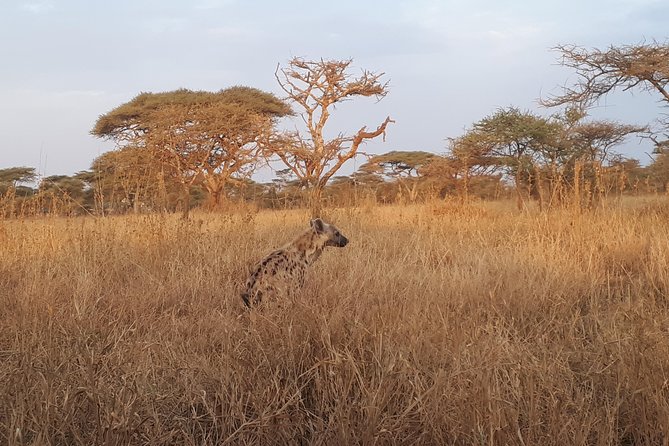
You then continue toward Serengeti National Park and reach the Seronera area, the central part of the park, in the afternoon. The plan calls for a game drive lasting into late evening, with a chance to watch the sunset and look for predators. This is an exciting time to be out, since lions, cheetahs, hyenas, and other animals may become active later in the day.
There is also a practical point here: wildlife sightings cannot be promised. The route gives you a strong chance to see animals, but the exact result depends on the season, recent sightings, weather, and luck. The migration is another example. You might see thousands of wildebeest and zebras if their movement passes through this area when you visit, but no three-day schedule can guarantee that timing.
At night, you head to the Seronera campsite. The description says animals, especially hyenas, can sometimes be seen near camp. Active rangers provide protection, so you should follow camp rules closely and never wander alone after dark. This is one of the more memorable parts of camping, but it is also where you should expect a basic, outdoor setup rather than hotel comfort.
Day two: an early Seronera game drive
Day two starts with an early breakfast and a morning game drive in Seronera. This is one of the strongest parts of the plan. Early hours give you a long stretch to look for animals before returning to camp for lunch.
The day is listed as about 12 hours, so prepare for a full schedule inside the vehicle. The 4×4 has a pop-up roof, which lets you stand or sit higher for a broad view of the animals. A cooler fridge and charging ports are also included, small touches that matter when you spend most of the day away from camp.
After lunch, you continue your game drive while leaving Serengeti and head toward Simba campsite near Ngorongoro. This is not a quick park-to-park transfer. You continue looking for animals as you go, and the supplied plan notes that wildlife may also appear near campsites.
The guide makes a major difference on a day like this. Past trips connected with this operator have used guides including Isaac, Chaddy, Anwar, Freddy, Jonathan, Simon, Giuseppe, and others. Isaac is noted for spotting animals at great distances, while Chaddy is described as an outstanding guide who was informative, friendly, and attentive. Anwar is praised for working to get close views, and Jonathan for taking time with sightings.
Guide assignments can change, so do not book expecting one particular person unless the company confirms it. Still, the repeated pattern is useful: you want a guide who can read animal behavior, communicate clearly, and avoid rushing a good sighting. A private vehicle gives you a better chance to request that pause.
Day three: descending into Ngorongoro Crater
The final morning begins with an early breakfast before you descend into Ngorongoro Crater. The main target is the black rhino, which is described as the hardest animal to spot in the crater. Other animals may be easier to find because the crater floor concentrates wildlife in a relatively compact area.
That does not mean the crater is a guaranteed checklist. Rhinos can remain distant or hidden, and sightings depend on where they are that day. The appeal is the search itself, with the crater walls creating a dramatic setting and the open floor giving you good chances to spot other species.
After lunch, you continue the game drive, ascend from the crater, pack up, and begin the return to Arusha. The day is listed at about eight hours, but the total door-to-door timing can feel longer once you include stops and the drive back to town. If you have a flight immediately after the tour, confirm the arrival plan carefully rather than guessing.
More three day trips in Arusha:
- 3-Day Classic Serengeti Safari
★ 5.0 · 263 reviews - 3 Day Serengeti National Park & Ngorongoro Crater Camping Safari
★ 5.0 · 142 reviews - 3 Days Tarangire, Ngorongoro & Lake Manyara Group Camping Safari
★ 5.0 · 102 reviews - 3 Days Private Safari – manyara, Ngorongoro & Tarangire
★ 5.0 · 94 reviews
What the camping setup means for you
Camping is the key reason this safari can reach major parks at a lower price than a lodge-based trip. The package includes camping equipment, three breakfasts, three lunches, and two dinners. It also includes the safari jeep and all fees and taxes as stated in the package details.
The tradeoff is comfort. The supplied information does not describe tent size, showers, toilets, bedding, or electricity at camp, so ask Safari Soles Tours for the current setup before booking. The charging ports in the vehicle help during the day, but you should not assume that camp facilities will work like a hotel.
Food seems to be a strong part of the operation. The cooks are repeatedly praised for preparing generous, delicious meals, and one family with two young boys found the camping format worked well for them. That makes this a reasonable option for families who are comfortable with early mornings and outdoor conditions, though the long vehicle days may test younger children.
Pack lightly and bring clothing for changing temperatures, sun protection, and dust. You will want a camera, spare batteries or charging equipment, and a flexible attitude. The package includes meals, but it does not include tipping, so set aside cash for your guide, driver, and cook if you feel the service merits it.
The private vehicle is worth considering
The private format is more than a marketing label. Only your group participates, so you are not locked into the preferences of a large mixed party. If you are photographing a lion, tracking a predator, or waiting for a rhino to emerge, you can discuss staying longer with your guide.
It also works well for couples, friends, and families. One reported party of six was handled from airport pickup through departure, while another family completed the two-night, three-day camping trip with two boys. Group discounts are offered, although the exact saving is not provided.
The vehicle has a pop-up roof, cooler fridge, and charging ports. Those features do not shorten the drives, but they make long game-drive days easier. You should still expect dust, jolts, and hours on rough park roads. This is an active safari, not a polished coach excursion.
Is $1,298.08 per person good value?
At $1,298.08 per person, this is not a shoestring bus trip, but it is a useful price for a private three-day safari that includes two major destinations. You are paying for a 4×4, a private group, camping equipment, meals, park access as specified, and the planning needed to connect Arusha, Serengeti, and Ngorongoro.
The value is strongest if you want privacy and wildlife access but do not need a lodge. It is less compelling if you dislike camping or want a slow safari with long periods at one property. A three-day tour also means you are paying for some long transfers, not three full days of uninterrupted game viewing.
The package says all fees and taxes are included, while the Maasai village admission is specifically excluded. Because the itinerary also labels some park admission details differently, I would ask for a written breakdown of park fees, crater fees, and the optional village fee before paying. That simple check can prevent an awkward surprise.
The tour is booked, on average, 123 days in advance. I would not read that as a guarantee of quality or as a rule that you must book exactly four months ahead, but it does suggest that planning early is sensible for a private safari, especially around migration periods.
What the strongest service looks like
The most important service is the guide. A good guide can spot animals from far away, explain what you are seeing, and judge when to stay and when to move. The positive comments about Isaac, Chaddy, Anwar, Freddy, Jonathan, and Simon point to guide quality as one of the main strengths of this experience.
Organization is another plus. Arrangements have included airport pickups, flights from Zanzibar, hotels, and transfers on custom trips. Those extras are not part of the stated three-day package, so ask exactly what is included in your own booking. The operator is Safari Soles Tours, and the supplied information identifies quick communication and flexible planning as part of the service.
Small acts of care matter on a trip with so many moving parts. One guide or coordinator even returned a forgotten sweater the next day. That does not change the park experience, but it suggests the kind of practical follow-through you want when your journey depends on a driver, cook, coordinator, and campsite working together.
Who should book this safari?
I would recommend it to you if:
- You have only three days and want both Serengeti and Ngorongoro.
- You prefer a private vehicle to a shared group.
- You are comfortable with camping and long driving days.
- You want a strong chance at big cats and large herds.
- You value a cook and full meals rather than arranging food yourself.
- You are willing to accept that migration sightings depend on the season.
I would think twice if you want a relaxed schedule, luxury accommodation, or guaranteed rhino and predator sightings. You should also reconsider if you need a precise return time to catch a flight, since the final day includes a crater drive, packing, and the journey back to Arusha.
Free cancellation is available up to 24 hours before the 6:30 a.m. start for a full refund. Within 24 hours, changes are not accepted and the payment is not refunded. Poor weather may lead to a different date or a full refund.
Should you book the Serengeti and Ngorongoro three-day tour?
Book it if your priority is seeing famous northern Tanzania wildlife on a short schedule while keeping your group private. The combination of Serengeti’s wide-ranging game drives and Ngorongoro’s concentrated crater floor gives you two distinct safari settings in one trip.
Before you commit, confirm the camping facilities, the exact park fees, the Maasai village cost, your pickup details, and whether a particular guide is available. If you accept the early starts and long roads, the price offers solid value. If comfort and spare time matter more than coverage, spend longer in fewer places.
FAQ
Where does the tour start?
The tour starts in Arusha, Tanzania, with pickup offered. The stated start time is 6:30 a.m.
How long does the tour last?
The tour lasts approximately three days, with two nights of camping included in the schedule.
Is this a private tour?
Yes. Only your group participates in the activity, and group discounts are offered.
Which parks and areas does the tour visit?
The route includes Ngorongoro Conservation Area, Ngorongoro Crater, and Serengeti National Park, including the Seronera area.
Is the Maasai village visit included?
No. The village visit is optional and has a $20 entrance fee that is not included.
What meals are included?
The package includes three breakfasts, three lunches, and two dinners.
What type of vehicle is provided?
The tour uses a 4×4 safari jeep with a pop-up roof, cooler fridge, and charging ports.
Are park fees included?
The package states that all fees and taxes are included, but the Maasai village fee is excluded. Ask the operator to confirm the exact park and crater fee breakdown before booking.
Can I cancel for a full refund?
Yes, if you cancel at least 24 hours before the experience start time. Cancellations or changes made within 24 hours are not refunded or accepted.
Newly listed around Arusha
- 5-Day Private Safari Tour in Tanzania’s Wildlife★ 5.0 · 3 reviews
- 3 Days private safari Tarangire ,Ngorongroro crater &Manyara★ 5.0 · 3 reviews
- 3 Day Sharing Safari – Manyara, Ngorongoro Crater and Tarangire National Parks★ 5.0 · 3 reviews
- Tarangire National Park Day Trip★ 5.0 · 3 reviews
- 2 Days Tarangire and Ngorongoro Crater Tour★ 5.0 · 3 reviews
- 6 -Day Tarangire, Manyara, Serengeti & Ngorongoro★ 5.0 · 3 reviews
- 5 Days Group Camping Safari★ 4.7 · 3 reviews
- 4 Days Tanzania Safari★ 4.5 · 3 reviews
Serengeti & Ngorongoro Safaris, compared.


Balloon Safari & Bush Breakfast in Serengeti – Miracle Experience
Read our review →




Private 6-Day Tarangire Manyara Crater and Serengeti with Mid-Range Lodges
Read our review →
5 Days Camping Tarangire, Serengeti & Ngorongoro crater & Visiting Maasai
Read our review →Browse the lists this tour appears in