

Reviewed · SPICE FARM TOURS
Private Spice Tour in Zanzibar with Pick Up
Zanzibar’s spice farms turn an ordinary kitchen shelf into a living garden. On this private walk, you can smell cinnamon bark, taste fresh fruit, guess spices from crushed leaves, and see plants used in henna, perfume, and lipstick.
I like the hands-on guessing game, and I like the private format, which lets your group set the pace. Guides such as Abdi, Seif, and Ibrahim Latutu have been praised for being friendly, attentive, and entertaining. The main drawback is that the farm is not a neat field of straight spice rows. It feels more like a mixed tropical garden, which may surprise you if you expect a formal plantation.
Key points to know before you book
- The spice walk is interactive: Your guide may crumble leaves, snap twigs, or pick fruit and ask you to identify the scent.
- Jambo Spice Farm is a mixed garden: Cinnamon, vanilla, cloves, ginger, chilies, turmeric, garlic, black pepper, nutmeg, and cardamom grow among fruit and other plants.
- Fresh tastes are part of the visit: You can try local fruit such as rose apple and guava, along with spices and included local food.
- The private setup has real value: Only your group takes part, with transport, water, entrance fees, food, and fruit included.
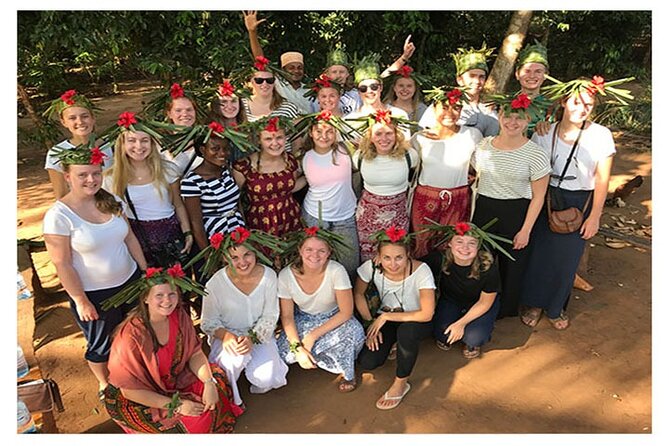
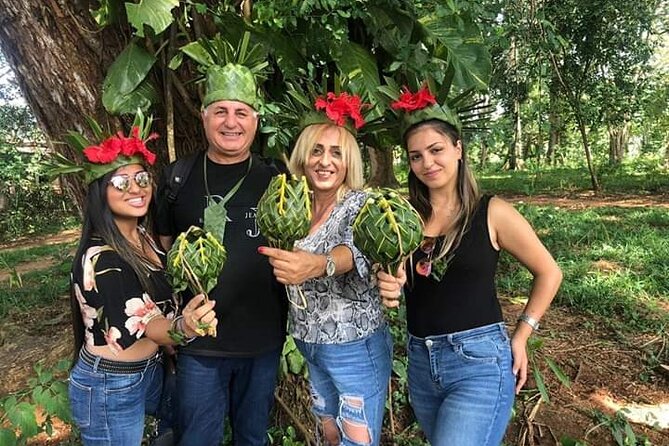
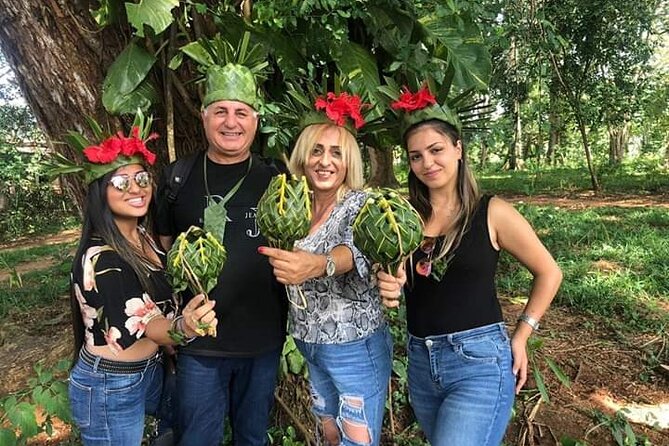
- The tour includes small cultural extras: A helper may make palm-leaf jewelry, a crown, or a small purse, and you may see a coconut being opened for drinking.
- Plan around the 9:30 a.m. start: The visit lasts about two to three hours, making it easy to pair with other Zanzibar plans.
A kitchen spice rack brought to life
The best part of this outing is the change in scale. At home, cinnamon, nutmeg, vanilla, and black pepper arrive in jars or packets. At Jambo Spice Farm, you encounter them as bark, pods, seeds, leaves, roots, and fruit.
Your guide leads you through the gardens at Kizimbani or Kidichi. The walk is not simply a list of plant names. You may be handed a leaf to smell, a twig to rub between your fingers, or a piece of fruit to taste before the answer is revealed.
That small guessing game gives the visit a sense of play. It also helps you remember the plants long after the tour ends. Cinnamon becomes more than a brown powder, and vanilla becomes more than a flavor added to ice cream.
The gardens include familiar cooking ingredients such as turmeric, garlic, ginger, chilies, cloves, black pepper, nutmeg, and cardamom. Vanilla and cinnamon tend to attract the most attention, but the value of the walk comes from seeing how many useful plants grow in one place.
I especially like the way this format connects food with plants. You do not need a strong interest in botany to enjoy it. If you cook, shop for spices, or simply like tasting new fruit, you will have plenty to keep your senses busy.
More spice farm mornings:
- Zanzibar: Stone Town, Spice Tour, Prison Island with Lunch
★ 4.4 · 1,219 reviews - Zanzibar: Prison Island, Stone Town, & Spice Farm Tour
★ 4.5 · 579 reviews - Zanzibar: Stone Town, Spice tour & Prison Island with Lunch
★ 4.6 · 453 reviews
What the Jambo Spice Farm walk feels like
The farm is described as abundant rather than carefully arranged. Do not picture long, identical rows with a sign beside every plant. You are more likely to move through a mixed garden where spices, fruit trees, vegetables, and cosmetic plants grow together.
That informal setting is part of the charm, but it is also the main point to understand before paying. If you want a polished agricultural display, this may feel loose. If you want to walk through a working garden with a guide who points out useful plants as you go, it fits well.
The guide’s role makes a big difference. Ibrahim, also called Latutu, has been praised for a funny and entertaining approach. Abdi has been described as attentive and professional, while Seif, pronounced Safe, has earned strong praise for his experience, light touch, and clear explanations.
Guide assignments may vary, so you cannot assume one particular person will lead your visit. Still, the private format gives you a better chance to ask questions and slow down at plants that catch your interest.
The walk is listed at about three hours, while the general experience is described as two to three hours. Allow the longer estimate when planning your day. You will want time for tasting, photographs, plant demonstrations, and the extra activities rather than rushing straight back to town.
Cinnamon, vanilla, cardamom, and black pepper

Several spices receive special attention because they are central to Zanzibar’s reputation as a spice-growing island. Cinnamon is easy to appreciate once you see and smell it in its natural form. Vanilla brings a different kind of interest, with its distinctive scent and connection to sweets and perfumes.
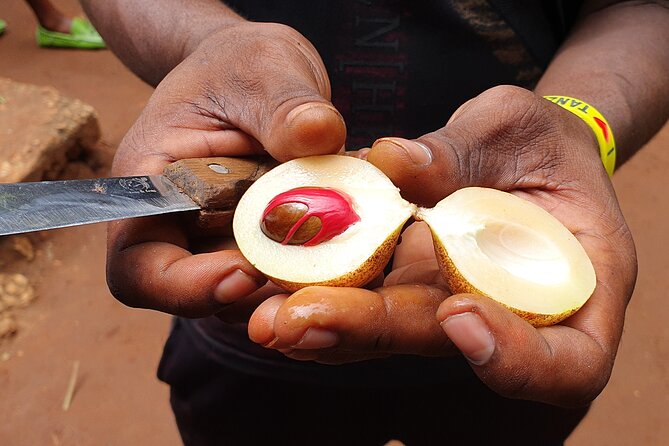
Cardamom and black pepper show how different a spice can seem before processing. Nutmeg adds another useful lesson, since you encounter the plant rather than only the grated spice in a kitchen tin.
Cloves, turmeric, ginger, chilies, garlic, and other ingredients round out the walk. Some are common in kitchens around the world, but the farm gives you a closer look at their plant form and scent.
Your guide may invite you to taste or smell leaves and pieces of bark. Use care with anything offered, and follow the guide’s instructions. The point is to notice the difference between a fresh plant and the dried or ground version you usually buy.
The tour also includes information about medicinal uses. Many plants have long been used by local people to help with certain ailments. The experience does not replace medical advice, but it gives you a useful glimpse into how food, scent, and traditional plant use overlap.
Fruit tasting and the less familiar plants

The fruit portion adds a welcome change after the stronger smells of spices. Rose apple and guava are specifically included, and you may be offered other fresh produce grown at the farm.
Rose apple is an especially nice detail because it is less familiar to many visitors. Guava is easier to recognize, but tasting it fresh at the source gives it more character than the juice or packaged fruit you may know.
Fresh fruit is included, along with local food and water. That matters on a warm morning, particularly when you are walking through garden paths and stopping often to smell plants.
Some of the most unusual discoveries are not cooking ingredients at all. Henna, the perfume tree, and the lipstick tree are valued for cosmetics. These plants help explain the wider role of the garden, since spices are only one part of Zanzibar’s plant-based traditions.
The lipstick tree is a memorable stop because its use connects a bright natural color with a modern cosmetic product. Henna and perfume plants make the same point in different ways. You begin to see the farm as a source of scents, dyes, flavorings, and personal-care products, not just a place where seasoning grows.
A few more Zanzibar days to compare
- From Zanzibar: Mikumi Safari Day Trip with Flights and Meal
★ 4.7 · 1,470 reviews - Zanzibar: Quad Bike Adventure departing from Kendwa or Nungwi
★ 4.9 · 1,233 reviews - From Kendwa: Mnemba Boat Trip and Dolphin Snorkel Adventure
★ 4.8 · 1,043 reviews - From Zanzibar: Day Selous Game Reserve Safari with Flights
★ 4.7 · 1,025 reviews
Palm-leaf crafts and the coconut stop

The garden visit can include a small craft demonstration. A helper may make a purse, ring, necklace, or crown from palm leaves and flowers. These items add a human touch to the walk and give you a closer look at how simple local materials can become wearable objects.
This part is informal rather than a major workshop. You should think of it as a pleasant extra, not the main reason to book the tour. It can be especially enjoyable for families and anyone who likes small handmade souvenirs.
A coconut tree climbing demonstration may also take place, followed by fresh coconut water for the group. The activity adds energy to the visit, but it is not equally appealing to everyone. Some people will find the climb memorable, while others may consider it only an average part of the morning.
There is also an opportunity to buy spices and fruit. This is useful if you want to take home cinnamon, vanilla, or another ingredient, but purchases are separate from the tour price. Treat the sales stop as optional and keep personal spending in mind.
Monkeys have been seen playing in the forest near the farm. That can be a fun surprise, but animal sightings are not guaranteed and should not be the basis for your booking decision.
Why the private format matters at $81
The price is $81 per person. That is not the cheapest way to see a spice farm, but the value becomes clearer when you count what is covered: transport fees, entrance fees, water, fruit, local food, and a professional guide.
You are also booking a private activity. Only your group participates, so you are not being folded into a large party with a fixed pace. That makes the price easier to justify for couples, families, or small groups who want direct contact with the guide.
The practical advantage is time. If you want to pause over vanilla, ask about traditional plant use, or spend longer tasting fruit, a private group should make that easier than a crowded departure.
Still, $81 per person is a serious cost for a two to three-hour experience. If you are mainly looking for a quick walk past spice plants and do not care about transport, food, or a private guide, you may find the price high.
I would see the fee as paying for a complete half-day-style outing compressed into a short morning visit. Transport and admission remove several small costs, while the included food, water, and fruit mean you are not left arranging refreshments during the activity.
Transport, timing, and planning your morning
The stated start time is 9:30 a.m., and pickup is offered. Transport fees are included, which simplifies the morning, especially if you are staying in or near Zanzibar City.
The exact pickup point is not supplied, so confirm the meeting details when you book. The experience is near public transportation, but the included pickup is likely the more convenient choice if you want a direct start.
The tour is offered in English. If you need another language, this information does not confirm that one is available, so ask before booking rather than assuming.
Confirmation is provided at booking. The activity is suitable for most people, but the walk takes place in a garden and includes moving from plant to plant. The supplied information does not give a detailed mobility assessment, so you should ask the provider if you have specific access needs.
The morning timing works well with the rest of a Zanzibar visit. After two to three hours, you still have much of the day available. Just avoid scheduling another fixed activity too tightly, since plant demonstrations, tastings, and transport can affect the finish time.
Who will get the most from this experience

I would recommend this tour to you if you enjoy learning through smell, taste, and touch rather than through a formal lecture. The guide-led guessing game keeps the walk lively, and the private setup lets you ask questions without feeling rushed.
Families can get a lot from it. Children may enjoy guessing the spices, trying fruit, watching the coconut demonstration, and wearing a palm-leaf crown. The mix of activity and tasting is more engaging than a long talk about agriculture.
Food lovers will also find good value here. You can connect common ingredients with their plants, and the range is broad enough to make the walk feel varied. Cooks may want to leave room in their luggage for spice purchases.
It also suits first-time visitors who want a quick introduction to Zanzibar’s produce and plant traditions. You do not need to make a full-day trip of it, and the included transport keeps the plan simple.
I would hesitate if your main goal is a grand plantation with formal rows, detailed farming equipment, or a long technical lesson. This is a lively garden walk with a local guide, not a museum or a research tour.
What to bring and how to set expectations
Wear something comfortable for a two to three-hour walk. The supplied information does not specify the ground conditions, so sensible walking footwear is a practical choice.
Bring water if you prefer having extra, even though water is included. A phone or camera is useful for the unusual plants, fresh fruit, palm-leaf crafts, and the farm setting.
Keep an open mind about the garden layout. The experience works best when you let the guide show you what is growing instead of expecting every spice to appear in a perfect row.
You should also budget for optional personal expenses and guide tipping. Tips are not included, and purchases of spices or fruit are separate.
Cancellation is free if you cancel at least 24 hours before the local start time. Inside that window, the amount paid is not refunded, and changes are not accepted.
Should you book the Jambo Spice Farm tour?
Book it if you want a private, sensory introduction to Zanzibar’s spices with transport and refreshments included. The strongest reasons are the interactive plant guessing, the wide mix of spices and fruit, and the chance to learn from guides such as Abdi, Seif, or Ibrahim Latutu.
The fair warning is simple: this is not a perfectly arranged plantation display. It is a lively mixed garden, and some extras, such as the coconut climb, may appeal more to some people than others.
At $81 per person, I think it makes the most sense for small groups that value privacy, easy transport, and a guide-led experience. If that sounds like your style, the tour gives you a useful and enjoyable look at the plants behind Zanzibar’s famous flavors.
FAQ
Where does the private spice tour take place?
The tour takes place at Jambo Spice Farm in the Kizimbani or Kidichi area near Zanzibar City, Tanzania.
How long does the experience last?
The visit lasts approximately two to three hours. The farm portion is listed as about three hours.
What time does the tour start?
The stated start time is 9:30 a.m.
Is pickup available?
Yes. Pickup is offered, and transport fees are included.
What language is the tour offered in?
The experience is offered in English.
Is this a private activity?
Yes. Only your group participates in the activity.
What is included in the price?
The $81 per-person price includes transport fees, local food, water, fruit, entrance fees, and a professional guide.
What plants and foods can I expect to see?
You can see and taste spices such as cinnamon, cardamom, nutmeg, vanilla, black pepper, cloves, turmeric, garlic, ginger, and chilies. The farm also includes fruit such as rose apple and guava, plus plants used for henna, perfume, and lipstick.
Can I cancel for a full refund?
Yes, if you cancel at least 24 hours before the experience begins. Cancellations made less than 24 hours before the start time are not refunded.
Newly listed around Zanzibar
- Zanzibar: Nungwi/Kendwa Beach Sunset Dhow Cruise with Fruits★ 3.4 · 3 reviews
- Prison Island, Sea Turtles, Rock Restaurant & Relax in Beach★ 4.6 · 3 reviews
- Starfish Beach; The Rock; Kuza Cave; Paje Beach; Salaam Cave Tour★ 4.5 · 3 reviews
- Zanzibar: Half-Day Spice Farm Tour,the flavours of Zanzibar★ 4.7 · 3 reviews
- Joazani forest & Spice farm with lunch★ 5.0 · 3 reviews
- Nakupenda Island Snorkeling Sea trip & Lunch W/Transfer -Zanzibar★ 4.0 · 3 reviews
- Mnemba Island Snorkeling and Dolphin tour★ 5.0 · 3 reviews
- Zanzibar:Jozani forest, Spice farm with Swahili Cuisine clas★ 4.2 · 3 reviews
Spice Farm Tours, compared.



Full-Day Private Stone Town +Spice Farm and Prison Island Tour
Read our review →

The Swahili Spice Experience – Spice Tour + Culinary Journey
Read our review →Browse the lists this tour appears in