
Reviewed · DAR ES SALAAM TOURS
Private Insightful City Tour of Dar es Salaam
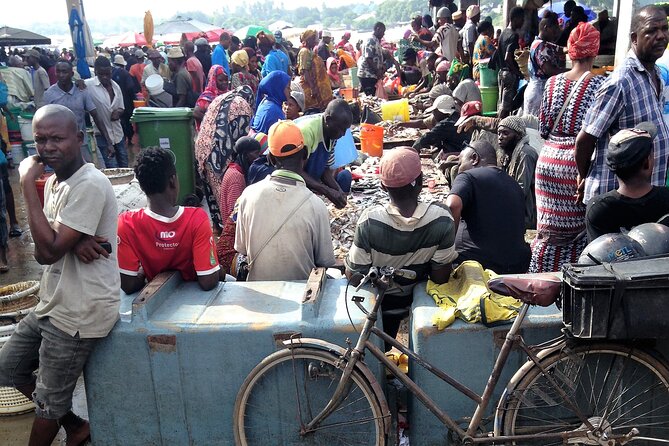
Dar es Salaam reveals itself best in its working places, and this tour gets you straight to two of them: Kariakoo Market and Kivukoni Fish Market. You will see trade, transport, food, noise, and daily routines rather than only polished sights. The city’s past comes into focus along the way, from German-built St. Joseph’s Cathedral to the Askari Monument.
I like the private format, since your guide can adjust the conversation to your interests and explain what you are seeing in clear communication. I also like the mix of market life and major landmarks. You get both the city’s practical present and its colonial-era public face in one short outing.
The main consideration is timing. The advertised length is about one to two hours, yet the two markets alone are planned for 45 minutes each, followed by the cathedral and additional monuments. Ask how the schedule will work, especially if you want time for photographs or browsing.
Key points at a glance
- Kariakoo Market: See one of East Africa’s largest markets and watch Dar’s commercial energy at close range.
- Kivukoni Fish Market: Learn about fishermen, boats, fish trading, and the port-side economy.
- Colonial-era landmarks: Visit St. Joseph’s Cathedral, the Askari Monument, and an 1898 sanctuary.
- Private guiding: Your group has the guide to itself, making questions and personal interests easier to accommodate.
- Flexible transport: The tour is planned around walking, but a tuk tuk has been used when rain made walking impractical.
- Simple value: At $55.26 per person, the price includes a private guide, bottled water, and soda, but pickup costs another $10.
Why Dar es Salaam makes sense on foot
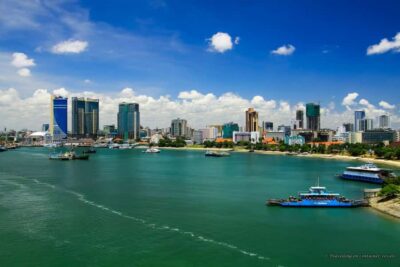
Dar es Salaam can feel like a city you pass through on the way to the coast or a safari. That is a shame. Its character is found in the overlap between the port, markets, religious buildings, government offices, and memorials.
This tour gives you a compact introduction to that overlap. You begin at Bustani ya Posta, in the central area, and return there at the end. That makes the outing useful at the start of a stay, when you want context, or during a city stop, when you have limited time.
You should expect a city walk with frequent stops rather than a formal museum tour. The guide’s role is to explain how places function, who uses them, and what earlier events shaped them. The supplied information stresses strong communication with the guide, which matters here because the markets are easy to see but harder to understand without local explanation.
The tour is private, so you do not have to follow the pace or interests of a large group. You can ask about trade, architecture, religion, colonial rule, public monuments, or the city center itself. That flexibility is one of the strongest reasons to consider this outing.
A few more Dar es Salaam days to compare
- Dar es Salaam: City Tour
★ 4.7 · 159 reviews - Dar es Salaam City Center: Walking Tour
★ 4.8 · 102 reviews - Dar es Salaam City Tour – Everyday
★ 5.0 · 64 reviews
Kariakoo Market, where Dar does business
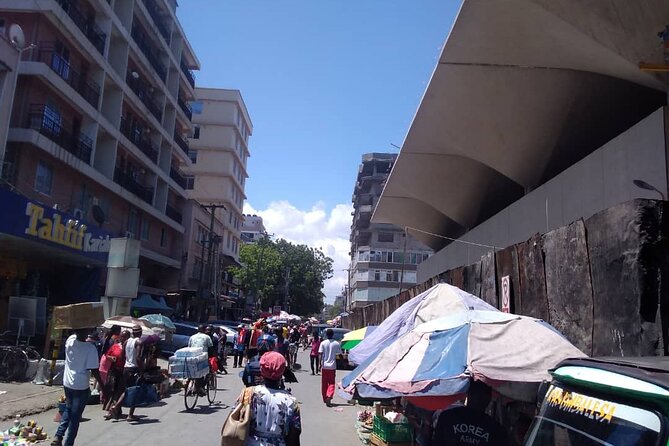
Kariakoo Market is the tour’s most immediate encounter with everyday Dar es Salaam. It is described as one of the biggest markets in East Africa, and the planned visit lasts about 45 minutes.
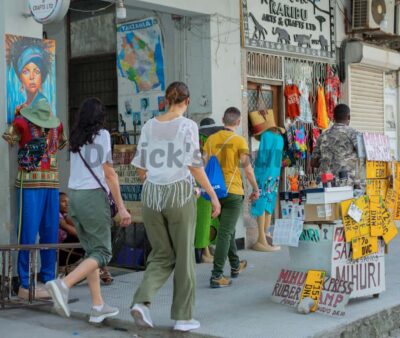
That is enough time to get a feel for the market’s scale and movement, but not enough for a leisurely shopping expedition. You will likely be taking in crowded lanes, colorful goods, strong smells, quick transactions, and the constant movement of people. The point is not simply to look around. Your guide can explain the market’s role in the city and place its activity in a wider local context.
I would treat Kariakoo as an observation stop first and a shopping stop second. If you hope to buy something, ask your guide early about what is practical and how much time you have. The market may be exciting, but it can also be tiring for anyone who dislikes close crowds or noisy commercial areas.
There is no admission charge, which keeps the visit straightforward. Still, you should dress for warmth, wear comfortable shoes, and keep your belongings secure in any busy market. Those are sensible habits for an active city market, even though the tour information does not specify particular security arrangements.
The 45-minute plan is a good compromise for a first look. You get the sights and sounds without giving the entire tour to one location. If Kariakoo is your main reason for booking, confirm whether the guide can give it more time.
Kivukoni Fish Market and the life of the port
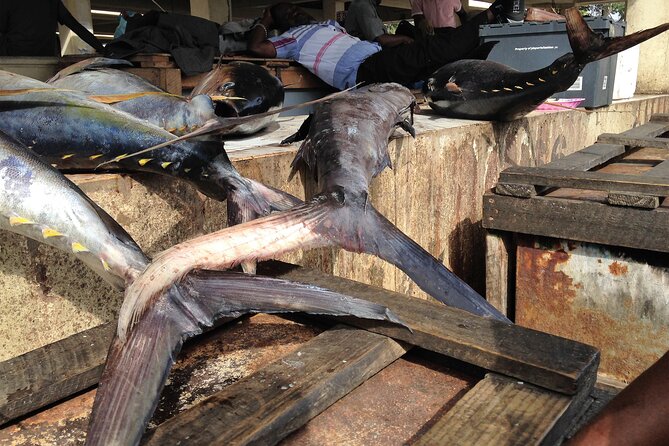
Kivukoni Fish Market shifts the focus from inland commerce to the sea. The stop is also planned for about 45 minutes, with travel time already counted in the total tour duration.
Here, the guide explains the working day of fishermen, their means of transport, and the fish trade. That makes this more than a quick food-market visit. You get a look at how boats, catches, sellers, and buyers connect to the city’s coastal economy.
The fish market should appeal to you if you prefer places with a clear local purpose. It is not arranged as a show for tourists. The attraction is the work itself, and the chance to understand how the port supports daily life in Dar es Salaam.
Sensory details are part of the bargain. Fish markets can have strong smells, wet surfaces, and plenty of activity. If you are sensitive to those conditions, keep your expectations realistic. The experience is likely to be more memorable than polished.
A guide makes a real difference here. Without context, you may see fish, boats, and sellers but miss how the trade operates. Use the private setting to ask about the fishermen’s transport and the route from catch to sale. The tour description specifically highlights these subjects, so they are good questions to bring along.
St. Joseph’s Cathedral and German-era Dar
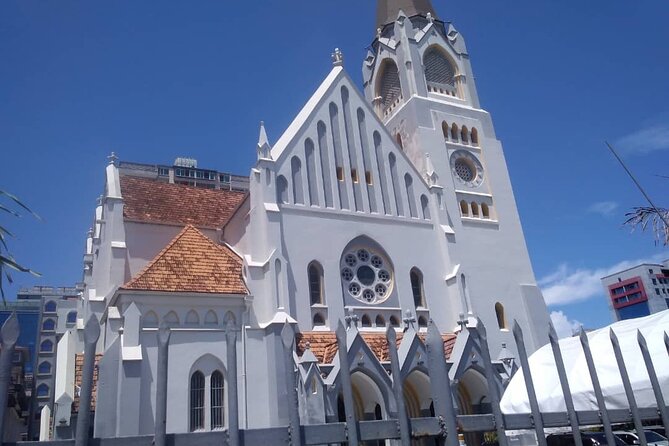
After the markets, the tour turns to St. Joseph’s Cathedral of the Archdiocese of Dar es Salaam. The cathedral dates from the early 1900s and was built by the Germans. It faces the Dar es Salaam port area, creating a useful link between architecture, religion, and the city’s colonial past.
The planned stop is about 20 minutes. That is enough for an exterior look, a short explanation, and perhaps a quick visit inside if access allows, but the available details do not promise interior entry. Ask your guide what is possible on the day rather than assuming the full building will be open.
The cathedral gives the tour a welcome change of pace. After the crowded markets, you move to a place designed for worship and ceremony. Its setting near the port also helps you understand why this part of the city became important under German rule.
I like this stop because it adds architectural weight without turning the tour into a long church visit. The building’s age and origin give your guide a clear story to tell, while the nearby port ties that story to trade and administration.
A change of scene while you are in Dar es Salaam:
- MIKUMI NATIONAL PARK – 3 Days
★ 4.5 · 63 reviews - 2 nights 3 days safari to mikumi national park
★ 5.0 · 62 reviews - 2 Days 1 Night Mikumi National Park from Dar es salaam
★ 5.0 · 60 reviews - The Best/Top Rated Cultural City Tour in Dar es Salaam
★ 5.0 · 57 reviews
The Askari Monument and an older public memory
The tour also visits the Askari Monument, which commemorates African troops and carriers who served the British Army in the First World War.
The monument carries an extra layer of political history. Before it was installed, a monument to a German soldier reportedly occupied the site. That earlier monument was removed after the British took control. The Askari figure therefore represents more than wartime service. It also reflects the change from German to British authority in the city.
This is the sort of stop that can pass quickly if you only take a photograph. Give the guide time to explain the symbolism. The monument can help you see how public spaces are used to remember military service, colonial power, and shifts in government.
The exact stop length is not stated, so timing may depend on traffic, weather, and your group’s interests. If colonial history is important to you, tell the guide at the start. The private format should make it easier to spend a few extra minutes here if the schedule allows.
The 1898 sanctuary by the ocean
Another stop is described as a sanctuary built in 1898. It faces the ocean and is surrounded by Dar es Salaam’s judiciary buildings.
The information provided does not give the sanctuary’s name, so you should confirm that detail when booking or meeting your guide. Even without the name, its date and setting make it a useful part of the route. You see another early landmark, this time alongside present-day legal and civic buildings.
That contrast is valuable. Dar es Salaam is not a city where the past sits apart from modern life. Older religious and colonial structures remain part of a working central district, beside offices and public institutions.
Because the stop description is brief, do not expect a long scheduled visit unless the guide confirms one. It may function as a short exterior stop with historical explanation. Ask about its importance if you want more than a photograph.
Private guiding, walking, and rain plans
This is a private activity, meaning only your group participates. That is important in a city tour because the best questions often arise from what you see in front of you. You can ask for more market time, more architectural detail, or a simpler overview without waiting for a bus full of people.
Walking is the natural way to experience the central sights, but the tour has adapted to weather before. One reported outing changed from walking to a tuk tuk because of rain. That does not guarantee a tuk tuk on your date, and it is worth asking how weather changes are handled.
The tour requires a moderate level of physical fitness. You should be ready for time on your feet, movement through active markets, and the heat that can make a short walk feel longer. Comfortable shoes and light clothing are sensible choices.
Bottled water and soda are included. That is a small but useful touch in a warm city, especially when the route combines two markets and several outdoor monuments. Pickup is offered for an additional $10, while the standard meeting point is Bustani ya Posta.
Is $55.26 a fair price?
At $55.26 per person, the tour is not the cheapest way to see central Dar es Salaam. You could visit public areas independently for less. The question is what you want the money to buy.
The price covers a private guide, a planned route through several important places, bottled water, and soda. It also buys interpretation. Kariakoo and Kivukoni are easy to enter but not easy to understand fully in a short visit. If the guide explains the markets, port activity, German rule, British rule, and local customs well, the value is stronger than the admission-free stops suggest.
The value improves for couples, families, or small groups who prefer private attention. A solo visitor may find the per-person price harder to justify, especially if the tour really lasts close to one hour. You should compare the cost with the level of personal guidance you want.
Pickup adds $10. Since the regular meeting point is Bustani ya Posta and the tour ends there, meeting in the center may be the better value if you can reach it easily. Confirm the pickup arrangement and extra charge before you commit.
The tour is commonly reserved well ahead of time, with an average booking point about 31 days before the date. That suggests planning early if your Dar es Salaam schedule is fixed, though availability can vary.
Timing is the one part to clarify
The stated duration is approximately one to two hours. The listed market visits total 90 minutes, and St. Joseph’s Cathedral adds another 20 minutes. The Askari Monument and the 1898 sanctuary are also included, with travel time counted in the overall duration.
That makes the schedule unusually tight if every stop receives meaningful attention. You may get a brisk overview, or the actual timing may run toward the longer end. Neither is necessarily bad, but you should know what you are buying.
If you want a fast orientation, the compact schedule works well. If you want to shop at Kariakoo, watch the fish trade closely, enter the cathedral, and discuss every monument, you may need to request a longer version or confirm whether the route can be adjusted.
The tour operates Monday through Sunday from 9:00 AM to 6:00 PM during the stated operating period. Confirmation is received at booking, and the activity accepts a mobile ticket.
Who should book this city tour?
I would recommend it to you if this is your first visit to Dar es Salaam and you want a quick introduction with local explanation. It also suits anyone who prefers working markets and public places over a list of polished photo stops.
The private setup is especially useful if you have specific interests. Ask about market trade, coastal life, German and British rule, religious buildings, or the meaning of the Askari Monument. You will get more from the tour if you treat the guide as a local interpreter, not only as someone who leads you from place to place.
It may be less suitable if you want a slow shopping trip, a long cathedral visit, or a fully scheduled half-day tour. The short duration leaves little room for delays or extended stops. You should also think carefully about the moderate fitness requirement and your comfort in active market settings.
Free cancellation is available when you cancel at least 24 hours before the start time. Cancellations made later, along with late changes, are not refunded under the stated terms.
Should you book it?
Book this tour if you want Dar es Salaam explained through its markets, port, religious buildings, and public monuments. Kariakoo Market and Kivukoni Fish Market are the main draw, while the cathedral and monuments give the outing historical shape.
Before paying, confirm the exact timing, the name and details of the 1898 sanctuary, and how rain affects transport. If the guide can give you a thoughtful pace within the one to two hour window, $55.26 is a reasonable price for a private introduction. If you want depth at every stop, ask about extending the tour.
FAQ
Where does the tour start?
The tour starts at Bustani ya Posta in Dar es Salaam, Tanzania.
Where does the tour end?
The activity ends back at the meeting point.
How long does the tour last?
The approximate duration is one to two hours. Travel time is included in the total duration.
Is pickup available?
Pickup is offered for an additional fee of $10.
Is this a private tour?
Yes. Only your group participates in the activity.
What markets are included?
The tour includes Kariakoo Market and Kivukoni Fish Market.
Which historic buildings and monuments are visited?
The route includes St. Joseph’s Cathedral, the Askari Monument, and a sanctuary built in 1898. The supplied details do not name the sanctuary.
Are food or drinks included?
Bottled water and soda are included.
Can I cancel for a full refund?
Yes, if you cancel at least 24 hours before the experience start time. Cancellations made less than 24 hours before the start time are not refunded, and late changes are not accepted.
Newly listed around Dar es Salaam
- Mikumi Np Mid Range Tour 3 Days★ 5.0 · 3 reviews
- Private Mikumi Adventure★ 4.5 · 3 reviews
- Ruaha National Park And Mikumi National Park Budget Safari 6 Days 5 Nights★ 5.0 · 3 reviews
- 3 Days 2 Nights Private Safari Tour in Mikumi★ 5.0 · 3 reviews
- Day Trip To Bagamoyo From Dar Es Salaam ..historical town★ 4.5 · 3 reviews
- Dar es Salaam City tour and Beach Leisure – 9 hours★ 5.0 · 3 reviews
- Mikumi National Park Day Trip by Train From Dar Es Salaam★ 5.0 · 4 reviews
- 3-Day at Dar es Salaam To Selous GR (Nyerere NP) Game, Boat & Walking Safari★ 5.0 · 4 reviews
Dar es Salaam Tours, compared.

Private Full-Day Trip to Mikumi National Park from Dar es Salaam
Read our review →Browse the lists this tour appears in