
Reviewed · MATERUNI WATERFALLS & COFFEE TOURS
Materuni Waterfalls and Coffee plantation Day Trip
Materuni combines two good reasons to leave town: a waterfall walk through Chagga farmland and a hands-on coffee lesson. You can see bananas, mangoes, avocados, and lemons growing before cooling off in the falls’ natural pool.
I like the private format, since your group gets its own transport and guide. I also like the coffee session, where you help grind, roast, and boil the beans before a Chagga lunch is served. The main consideration is the $150 price per person, which makes the trip better value for a small private group than for one or two people.
Key points to know
- Waterfall walk: Reach Materuni Waterfall on foot through local agricultural land, with a chance to swim in the natural pool.
- Coffee from bean to cup: Learn how coffee is farmed, ground, roasted, and boiled in a village among the coffee plants.
- Chagga culture: Meet local villagers, hear about customs and daily life, and join singing and dancing during the coffee preparation.
- Private six-hour outing: Only your group participates, with private transport and a start time of 8:00 am.
- Lunch included: A national Chagga meal follows the coffee demonstration.
- Useful packing tip: Bring a swimsuit for the pool. Trekking poles and snorkeling equipment are listed as extra-cost rentals, at $25 and $30 per person.
Why Materuni makes a good post-safari day
After several long days in a safari vehicle or on Mount Kilimanjaro, Materuni offers a change of pace. You spend time on foot, in a village setting, and around water rather than watching wildlife from a seat.
The outing is based near Moshi, although the tour information gives Arusha as the location. That distinction matters when you plan your day. Ask the operator to confirm your pickup point and total driving time before booking, especially if you are staying in Arusha rather than Moshi.
The schedule starts at 8:00 am and lasts about six hours. That gives you enough time for the waterfall walk, the village visit, coffee preparation, and lunch without turning the day into a race.
I particularly like the mix of scenery and local life. The waterfall is the visual reward, but the coffee session gives the day more substance. You are not only stopping for a photograph. You see how crops grow, how coffee supports village life, and how a simple drink reaches your cup.
More Materuni waterfall and coffee days:
- Materuni Waterfalls, coffee tour & Kikuletwa Hot Springs
★ 5.0 · 643 reviews - Materuni Waterfalls & Chemka Hotsprings Day Trip
★ 5.0 · 214 reviews - Materuni waterfalls coffee tour & Chemka hot springs Day trip
★ 5.0 · 131 reviews
Walking through Materuni’s fruit-growing country
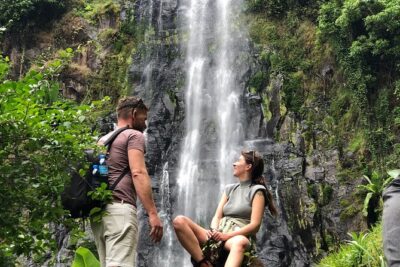
The first part of the day takes you toward Materuni Waterfall. The walk passes farmland where bananas, mangoes, avocados, and lemons are grown. These details help you read the area as a working village rather than just a pretty route to a waterfall.
A local guide explains village history, customs, farming, the local economy, and cultural life along the way. The tour information does not give a fixed distance or trail difficulty, so you should ask for current conditions if walking is a concern.
The route is described as a short walk in one of the available accounts, but conditions can change with weather. Good shoes are sensible, since a path leading to a waterfall may be wet or uneven. The tour requires good weather, and rain can affect both the walking conditions and the day’s operation.
This is not presented as a strenuous mountain trek. Still, it is a walking tour, not a roadside viewpoint. If you have limited mobility, contact Aquiline Safaris and Adventures before booking, since the available details only say that most people can participate and do not describe wheelchair access.
Materuni Waterfall and the natural pool
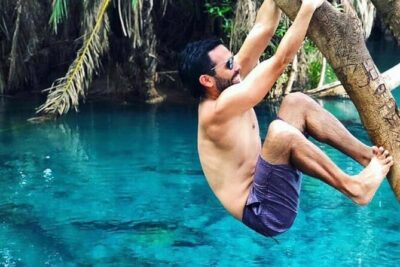
Materuni Waterfall is the day’s main nature stop. Once you reach it, you can take in the falling water and refresh yourself in the natural pool.
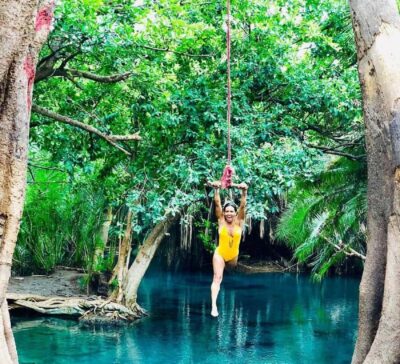
Bring a swimsuit if you want to swim. That small piece of planning can make the difference between simply looking at the water and enjoying the stop properly. A towel and spare clothes would also be practical, although they are not listed among the inclusions.
The waterfall is paired well with the coffee visit because the two stops feel different. At the falls, you get fresh air, water, and a short walk. At the village, the focus shifts to people, food, farming, and the work behind coffee production.
Do not expect a full-day waterfall expedition. The complete experience lasts around six hours, and the waterfall portion is allocated about three hours in the schedule, together with the first part of the cultural visit. The exact pace depends on your guide and group.
The listed extra charge for snorkeling equipment is $30 per person. That is an unusual item for a waterfall outing, and you should confirm what it covers before paying for it. Trekking poles are listed at $25 per person. Neither rental is included in the $150 tour price.
Coffee made the Chagga way
The coffee visit takes place in a local village surrounded by coffee plantations. This is more interesting than simply tasting a finished cup because you follow the process from farming through preparation.
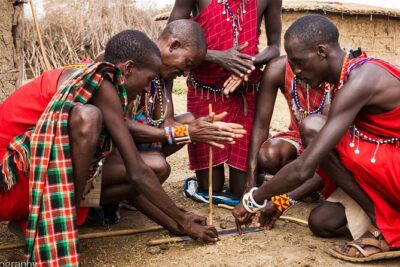
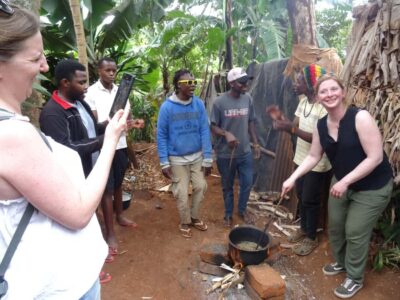
Villagers demonstrate how coffee is handled from bean to cup. You can watch and take part as the beans are ground, roasted, and boiled. Singing and dancing accompany the work, giving the demonstration a social and cultural side rather than making it feel like a technical class.
The value here is in the connection between agriculture and daily life. You see coffee as a crop that requires careful work, not as an anonymous product on a café menu. The tour also gives you a chance to ask questions about farming and village life through your guide and the local hosts.
English-speaking guide quality matters on this stop. Joshua is described as friendly and fluent in English, and Enock is named as another guide who has handled hotel pickup. John is also associated with arranging a day that combined Materuni, coffee, and hot springs, though the hot springs are not part of the experience described here.
Guide assignments can change, so treat these names as useful examples rather than a guarantee. If clear explanations are important to you, ask who will guide your group when you confirm the booking.
More coffee stops in Arusha:
- Maasai village visit, Materuni waterfalls & coffee experience
★ 4.5 · 95 reviews - Materuni Waterfalls & Coffee Tour from Moshi
★ 5.0 · 92 reviews - Arusha: Materuni Waterfalls, Coffee, and Hotsprings Tour
★ 4.8 · 78 reviews - Coffee tour and Buffet Lunch with Kingstone Asilia (Arusha)
★ 5.0 · 74 reviews
A Chagga lunch after the coffee
Once the coffee is ready, lunch is served as a national Chagga meal. The food is included, along with private transportation, entrance fees, and taxes.
The meal adds real value to the cultural side of the tour. You are not only observing village life from outside. You are sitting down to eat food connected with the local community after seeing some of the work that supports it.
The exact dishes are not specified, so do not book this expecting a particular menu. If you have dietary restrictions, ask the operator in advance. The available information confirms lunch but does not state that special diets can be accommodated.
Timing also matters here. The coffee demonstration, singing, dancing, and meal are grouped into the second half of the day, with roughly three hours assigned to the coffee and Chagga culture stop. That should give the visit room to breathe, rather than reducing it to a quick cup and a hurried lunch.
What the private format really gives you
This is a private activity, meaning only your own group participates. That is one of the strongest features for a family, couple, or small group that wants control over the pace.
You can spend longer at the pool, ask more questions during the coffee process, or move along sooner if the group is ready. A private vehicle also avoids the uncertainty of being collected with a large mixed group.
The tradeoff is price. At $150 per person, the tour is not the cheapest way to see a waterfall and coffee plantation. Its value improves when several people share the private arrangement, since the guide and vehicle are serving only your party.
The price includes private transport, lunch, all fees, and taxes. That makes the cost easier to judge than a low headline price with several add-ons. Tips are not included, so budget separately if you feel your guide and local hosts have done a good job.
Pickup is offered, with an 8:00 am start. The information does not specify every pickup location, so confirm whether your hotel is covered and how long the transfer will take. This is especially important because the experience is associated with both Arusha and Moshi in the supplied details.
How guides shape the day
The guide is central to this outing. The waterfall itself needs little explanation, but the walk becomes far more useful when someone points out the crops and explains Chagga customs, village economics, and farming.
Joshua has been named as an English-speaking guide for this trip. Enock has also handled pickup and guided a similar day, while John is connected with arranging a wider Moshi-area program. These details suggest that Aquiline Safaris and Adventures uses several guides rather than one fixed leader.
You should confirm the guide’s name if that matters to you. More important, ask for a guide who can explain the coffee process clearly and translate during the cultural visit.
The best version of this tour is not just a route from car to waterfall to lunch. It is a conversation with context. Ask about the crops you see, the role of coffee in village life, and the steps involved in making the drink. That is where the experience earns its place beside a safari or Kilimanjaro climb.
Who will enjoy this day most
I would recommend Materuni to you if you want a gentle cultural and nature outing rather than another demanding hike. It suits people who enjoy walking, local food, village visits, and learning how ordinary products are made.
It also works well after a safari or Kilimanjaro trip. The pace is likely to feel more relaxed than a major mountain excursion, while still giving you time outdoors.
Families may appreciate the private format, especially if children are old enough to manage the walk and interested in swimming or seeing coffee prepared. Couples and small groups can also make good use of the private vehicle and flexible pace.
This is less suitable if you want a long, challenging trek, a detailed coffee tasting with several varieties, or a packed schedule of many attractions. The main focus is one waterfall, one village coffee experience, and lunch.
The hot springs mentioned in connection with one similar day are not included in this experience. Do not assume you will visit them unless Aquiline confirms a different package.
What to pack and what to confirm
Bring comfortable walking shoes and a swimsuit. A towel, dry clothes, sun protection, and a small bag for wet items are sensible additions, even though they are not specifically listed as supplied or required.
Before paying, confirm:
- Your pickup location and the exact start time
- Whether the day is based from Arusha or Moshi
- The current walking conditions
- The identity of your guide
- Any dietary needs for the Chagga lunch
- Whether you need equipment rentals
- Whether swimming is suitable on the day of your visit
The experience requires good weather. If poor weather cancels the tour, you can choose another date or receive a full refund. You can also cancel for a full refund if you do so at least 24 hours before the 8:00 am start. Cancellations or changes made less than 24 hours before departure are not accepted for a refund.
Is $150 per person good value?
For a private six-hour outing, $150 per person is a fair price only if you value the transport, guide, lunch, and local cultural component. The included fees and taxes make the final cost easier to understand.
For one person or a couple, the price may feel high compared with a shared excursion. For a small private group, it becomes more reasonable because you are not paying for a crowded departure and can enjoy the day with your own party.
The coffee demonstration and Chagga meal are important to the value. If you only want to see Materuni Waterfall, there may be cheaper ways to arrange a visit. If you want the waterfall joined with farming, coffee preparation, local food, and a private guide, this package offers a fuller day.
Should you book the Materuni Waterfalls and Coffee Plantation Day Trip?
Book it if you want a well-rounded Moshi-area day with nature and culture, and if your group values private transport. The strongest parts are the walk through fruit-growing farmland, the chance to swim, and the hands-on path from coffee bean to cup.
Think twice if you are traveling alone, watching every dollar, or expecting a serious trek. Confirm the Arusha and Moshi details, guide assignment, walking conditions, and any extra equipment before booking.
For a post-safari break or a change after Kilimanjaro, I like the balance. You get a waterfall, a village visit, a Chagga meal, and a practical look at coffee production in about six hours.
FAQ
Where does the Materuni Waterfalls and Coffee Plantation tour take place?
The tour information gives Arusha as the location, while the experience is described as taking place near Moshi in Tanzania. Confirm your pickup point and operating area before booking.
What time does the tour start?
The stated start time is 8:00 am.
How long does the experience last?
The tour lasts approximately six hours.
Is transportation included?
Yes. Private transportation is included, and pickup is offered.
Is lunch included?
Yes. Lunch is included and is described as a national Chagga meal served after the coffee preparation.
Can I swim at Materuni Waterfall?
Yes. The tour allows you to refresh yourself in the waterfall’s natural pool, and you should bring a swimsuit if you plan to swim.
Is the tour private?
Yes. Only your group participates in this private activity.
What happens if bad weather cancels the tour?
If poor weather causes cancellation, you will be offered another date or a full refund. You can also cancel at least 24 hours before the start time for a full refund.
More day trips in Arusha
- Ngorongoro Crater Day Trip
★ 5.0 · 72 reviews - From Arusha/Moshi: Kilimanjaro Hike Marangu Route Day Trip
★ 4.5 · 54 reviews - day trip tarangire
★ 5.0 · 46 reviews - Full-Day Trip to Ngorongoro Crater from Arusha Town
★ 5.0 · 37 reviews
Newly listed around Arusha
- 5-Day Private Safari Tour in Tanzania’s Wildlife★ 5.0 · 3 reviews
- 3 Days private safari Tarangire ,Ngorongroro crater &Manyara★ 5.0 · 3 reviews
- 3 Day Sharing Safari – Manyara, Ngorongoro Crater and Tarangire National Parks★ 5.0 · 3 reviews
- Tarangire National Park Day Trip★ 5.0 · 3 reviews
- 2 Days Tarangire and Ngorongoro Crater Tour★ 5.0 · 3 reviews
- 6 -Day Tarangire, Manyara, Serengeti & Ngorongoro★ 5.0 · 3 reviews
- 5 Days Group Camping Safari★ 4.7 · 3 reviews
- 7-Day Mt. Kilimanjaro Hiking: Machame Route★ 5.0 · 3 reviews
Materuni Waterfalls & Coffee Tours, compared.

Materuni waterfalls coffee tour & Chemka hot springs Day trip
Read our review →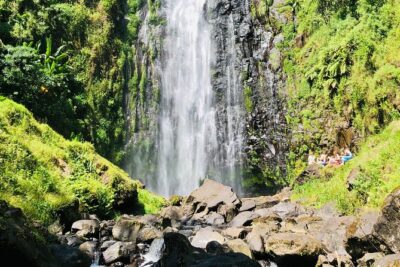
Maasai village visit, Materuni waterfalls & coffee experience
Read our review →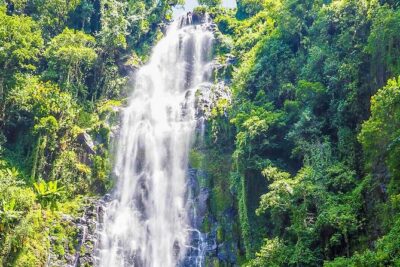
Browse the lists this tour appears in