Reviewed · ARUSHA TOURS
Half-Day Volunteer Experience at SATINO Preschool, Arusha
SATINO Preschool offers something rare in Arusha: a direct, hands-on way to support local education without spending a full day away from town. You meet director Weza, sit in on lively classes, help with simple activities, play during break time, and eat lunch with the children. The $35 fee is designed to fund one child’s schooling for a month.
I especially like the small group size, limited to seven people, and the fact that the visit is built around real school life rather than a staged cultural show. I also like the shared Tanzanian lunch, which gives the morning a natural sense of community. The main consideration is that this is a working preschool, not a polished attraction. School schedules can be basic, facilities are modest, and the visit is not suitable for wheelchair users or people with mobility limits.
Key points at a glance
- Your fee supports education: The stated purpose is to cover one child’s monthly tuition, meals, supplies, and care.
- A real classroom visit: You can observe lessons and take part in reading, crafts, or simple teaching activities.
- Playtime is central: Sports, singing, games, and recess give you the most relaxed contact with the children.
- Director Weza leads the welcome: He explains why SATINO was created and its focus on a safe, nonviolent preschool.
- Lunch is part of the experience: Expect a fresh, simple Tanzanian meal shared with students and volunteers.
- Easy half-day timing: Pickup begins around 9 a.m., with return to Arusha at about 2:30 p.m.
Why SATINO Makes a Different Kind of Arusha Visit

Arusha is best known as a base for safari trips and Kilimanjaro climbs, but a school visit lets you see a more ordinary part of life in the region. SATINO Daycare & Preschool serves children who might otherwise miss out on early education because their families cannot afford tuition.
The school was founded in 2019 with fundraising support. Its purpose goes beyond lessons. Children receive education, food, supplies, and a safe place to learn. The school also aims to provide a setting without violence against children, while teaching good behavior, moral values, and care for others.
That makes the visit more than a quick photo stop. Your money helps keep the school operating, including tuition support, food, and teacher salaries. The experience provider states that 100 percent of the tour fee goes toward the children’s education. The detailed tour information refers to a $29 fee, while the current price supplied for this experience is $35, so check the amount shown when you book.
I see this as a useful choice if you want your spending in Arusha to have a clear local purpose. It is also a good fit for anyone who has already done a safari and wants a quieter morning that connects with the community.
More half day trips in Arusha:
- Zanzibar: Nungwi Turtle Aquarium Guided Half-Day Trip
★ 4.4 · 197 reviews - Prison Island: Private Half-Day Tour
★ 4.0 · 132 reviews - From Zanzibar: Half-Day Prison Island Tour
★ 4.1 · 49 reviews
Pickup, Drive, and the Small Group Format

The day begins with pickup from your hotel or hostel in Arusha at about 9 a.m. Transport to SATINO takes roughly 30 minutes, followed by another 30-minute ride back after lunch.
Pickup and drop-off are included within a 6-kilometer radius of the school. If you stay farther away, an extra transport charge may apply, based on the distance. Confirm this before booking if your accommodation is outside central Arusha.
The group is limited to seven participants. That matters here. A large tour group would crowd the classrooms and make personal contact with the children difficult. With fewer people, you can take a turn reading, helping with classwork, or joining a game without turning the visit into a performance.
The schedule is offered Monday through Friday, except during school holidays. Since the school day shapes the visit, you should confirm that your date falls during term time. The stated return time is about 2:30 p.m., so allow the full half-day even though the core school visit lasts about three hours.
Meeting Weza and Hearing the School’s Story
On arrival, you receive an introduction to SATINO and its work. Director Weza explains why the school was created and how it supports children from families facing serious financial hardship.
His role seems to be a large part of the visit. He may collect you himself, explain the school’s goals, and guide you through the classrooms. The school’s name, SATINO, is tied to a welcoming, protective approach to early learning. You are not simply shown around a building. You are given the background needed to understand why school fees, food, and teacher wages matter.
The introduction is useful, but keep your expectations practical. This is a small preschool, not a formal museum with a carefully scripted presentation. The benefit is that the conversation can feel direct and personal. You can ask about the school’s purpose and see how its daily work connects with the children in front of you.
The children are generally described as being around 3 to 6 years old. That age range means the atmosphere can be energetic and unpredictable. Expect curiosity, movement, questions, drawings, games, and plenty of enthusiasm when new people arrive.
Inside the Classrooms: Help, Do Not Take Over

The classroom visit is the educational heart of the morning. You observe teachers leading lessons and see how the children respond to creative activities and active learning.
You are encouraged to participate, but the best approach is to follow the teachers’ lead. You might help with a lesson, read a book, assist with a craft, or introduce a simple subject. One participant was able to teach a class the English names of animals, which is the kind of small, prepared contribution that can work well.
You do not need to be a professional teacher. A calm attitude, patience, and willingness to join in are more useful than a long lesson plan. If you are asked to help in class, keep the activity simple and suitable for young children. Let the teachers manage discipline and the pace of the lesson.
This part can feel slightly awkward at first. You may be standing in front of a class, trying to communicate across age and language differences. English and Swahili are the tour languages, and the children may know some English, but communication will not always be smooth. That is not a flaw. It is part of the experience, and drawing, gestures, singing, and games can bridge the gap.
SATINO’s classrooms are described as colorful and welcoming, but you should expect modest facilities. The point is to see how the school works with the resources it has, not to compare it with a well-funded preschool at home.
A few more Arusha days to compare
- Balloon Safari & Bush Breakfast in Serengeti – Miracle Experience
★ 5.0 · 1,646 reviews - Tanzania Classic – 7 Days
★ 5.0 · 1,151 reviews - 4 Days Group Camping Safari
★ 5.0 · 1,101 reviews - 5 Days Group Camping Safari
★ 5.0 · 730 reviews
Playtime, Sports, and the Best Chance to Connect
After class, the mood shifts. Playtime, sports, singing, and games let you interact with the children in a less formal way.
This is often the easiest part of the visit for both sides. You are not trying to explain a lesson, and the children are free to show you drawings, start a game, or invite you into their activities. Bring comfortable clothes and shoes that can handle movement. Short skirts, see-through clothing, alcohol, drugs, smoking, weapons, and sharp objects are not allowed.
Friday can include a sports session on a local field. That gives the visit a little more space and may suit families with older children or teenagers, although children under two are not considered suitable for the activity. The schedule can vary with the school day, so do not assume every visit will follow the exact same play routine.
Playtime also brings the most natural contact. Young children may be affectionate and eager to interact, so you should be ready for hugs and close attention. Keep your camera available, but do not let photography replace participation. Ask the guide about appropriate photos and respect the children’s privacy.
If you bring a donation, school supplies or books are the most relevant choices mentioned for this visit. It is best to ask in advance what the school currently needs rather than arriving with items that may not be useful.
A Tanzanian Lunch With the School Community
Lunch lasts about an hour and is shared with the students. It is usually a simple, fresh Tanzanian meal, with beans and greens specifically described as examples. The school also grows vegetables for its own food supply.
Do not expect a restaurant-style meal or a long food tasting session. The value is in eating the same kind of lunch served to the children and seeing food as part of the school’s care. At SATINO, education is linked with meals and emotional support. A child who has a safe place to learn and dependable food has a stronger chance to benefit from the school day.
The meal also gives you a natural pause after the classroom and play activities. You can talk with the director, teachers, volunteers, and other members of the small group. Some longer-term volunteers live at the school and help with its work, which gives you another view of how the project operates.
If you have dietary restrictions, ask before booking. The supplied details do not specify vegetarian, vegan, allergy, or religious meal arrangements. Water is not listed as included, so bring your own bottle.
What Your $35 Really Buys
At $35 per person, this is not the cheapest way to fill a morning in Arusha. Its value depends on what you want from the outing.
You are paying for transport, a guided school visit, classroom participation, playtime, and lunch. More importantly, the stated purpose is for the fee to fund one child’s education for a month. That gives the price a clear social purpose rather than treating the school as a free sightseeing stop.
SATINO relies on financial support for free education, school supplies, meals, and teacher salaries. The tour fee is described as direct support for these needs. You can also make a small extra donation or bring books and school supplies, but neither is required.
I would not book this solely because it is cheap. Book it because you want to give four hours to a school project and take part respectfully. The experience has more value if you are willing to listen, follow the teachers’ instructions, and accept that your role is to support the school rather than direct it.
The price details deserve one careful note. The main information gives a cost of $35 per person, while the longer description mentions $29. Because of that mismatch, check the final booking price and any pickup supplement before you pay.
Who Will Get the Most From This Visit
This experience suits adults, couples, families with older children, students, and anyone with a free morning in Arusha. It works particularly well after a safari or Kilimanjaro climb, when you may want something local and personal rather than another long drive.
Teenagers can get a lot from the visit. One teenage participant considered it a highlight even after several days of safari. The combination of classroom contact, sport, and informal play gives younger people a chance to take part rather than simply watch.
It is also useful for backpackers with limited time. The half-day schedule fits neatly into an Arusha stop, and hotel or hostel pickup removes some of the hassle of arranging local transport.
You should think twice if you dislike being around young children, prefer a highly polished tour, or need step-free access. The activity is not suitable for wheelchair users or people with mobility impairments. Children under two are also excluded.
Most of all, you need the right attitude. This is a volunteer-style experience, but it is not a free-standing volunteer placement. You spend a few hours helping with activities while the school’s teachers and staff remain responsible for the children.
Practical Advice Before You Go
Wear comfortable clothes that are modest and suitable for sitting, walking, and playing. Comfortable shoes matter, especially if your visit includes outdoor sports.
Bring water, and pack a camera only if you can use it respectfully. A small book or school supply donation may be welcome, but contact the organizer first to learn what is useful.
Allow for the full stated schedule from about 9 a.m. to 2:30 p.m. The school visit and lunch account for about three hours, with transport taking about an hour in total. Pickup times can be affected by your location in Arusha.
The tour is conducted in English and Swahili. You do not need to speak Swahili to join, but learning a few basic greetings would help you connect with the children and staff.
You can cancel up to 24 hours ahead for a full refund, and the reserve-now, pay-later option can help if your safari or climb schedule is still changing. These policies are useful, but the more important booking question is whether SATINO is operating during your dates, since school holidays are excluded.
Should You Book the SATINO Preschool Visit?
I would book this if you want a meaningful half-day in Arusha and are comfortable with a modest school setting, direct interaction, and a schedule shaped by young children. The strongest parts are the small group, the chance to join classroom activities, the cheerful playtime, and the clear link between your fee and a child’s schooling.
I would skip it if you are looking for a conventional sightseeing tour, have limited mobility, or want guaranteed activities on a fixed timetable. The school day may change, and the experience depends on your willingness to take part.
For the right person, SATINO offers a useful exchange: you give time, attention, and financial support, and you gain a closer look at how early education helps families in Arusha. Bring water, wear practical clothes, and arrive ready to participate rather than simply observe.
FAQ
How long does the SATINO Preschool experience last?
The activity lasts about four hours at the school, with pickup beginning around 9 a.m. and return to your accommodation at about 2:30 p.m. The schedule includes roughly 30 minutes of transport each way, two hours at the school, and one hour for lunch.
What is included in the price?
The experience includes hotel pickup and drop-off within 6 kilometers of SATINO School, interaction with students, classroom activities, playtime, and a traditional Tanzanian lunch. Personal expenses are not included.
Is pickup available from every hotel in Arusha?
Pickup and drop-off within a 6-kilometer radius of SATINO School are included. An additional fee may apply for accommodation farther away, depending on the distance.
What languages are used during the activity?
The tour is available in English and Swahili.
Can I visit during a weekend or school holiday?
The activity runs Monday through Friday, except during school holidays. Weekend visits are not listed as part of the schedule.
What should I bring?
Bring water, comfortable shoes, and clothing suitable for classroom activities and playtime. You may also bring books or school supplies as donations.
Is the experience suitable for wheelchair users or very young children?
The activity is not suitable for wheelchair users or people with mobility impairments. Children under two are also not considered suitable for this experience.
Newly listed around Arusha
- 5-Day Private Safari Tour in Tanzania’s Wildlife★ 5.0 · 3 reviews
- 3 Days private safari Tarangire ,Ngorongroro crater &Manyara★ 5.0 · 3 reviews
- 3 Day Sharing Safari – Manyara, Ngorongoro Crater and Tarangire National Parks★ 5.0 · 3 reviews
- Tarangire National Park Day Trip★ 5.0 · 3 reviews
- 2 Days Tarangire and Ngorongoro Crater Tour★ 5.0 · 3 reviews
- 6 -Day Tarangire, Manyara, Serengeti & Ngorongoro★ 5.0 · 3 reviews
- 5 Days Group Camping Safari★ 4.7 · 3 reviews
- 4 Days Tanzania Safari★ 4.5 · 3 reviews
Arusha Tours, compared.
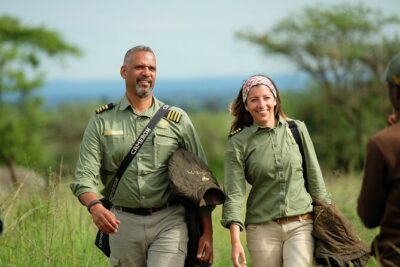
Balloon Safari & Bush Breakfast in Serengeti – Miracle Experience
Read our review →