
Reviewed · DAR ES SALAAM TOURS
Dar es salaam Private City Tour with Professional Guide
Dar es Salaam reveals itself best through its contrasts: a bronze war monument, German-era churches, crowded markets, coastal seafood, and traditional homes from across Tanzania. This private city tour moves between those worlds in one long day, with a guide to explain what you are seeing and a driver to handle the city traffic.
I like the private format, since your group can explore at its own pace rather than follow a large coach party. I also like the range of stops, especially the chance to pair the National Museum and Village Museum with Kariakoo Market and the Ferry Fish Market. The main consideration is the length: at 9 to 10 hours, this is a full day, and Kariakoo can feel intense if you prefer quiet sightseeing.
Key points to know before booking
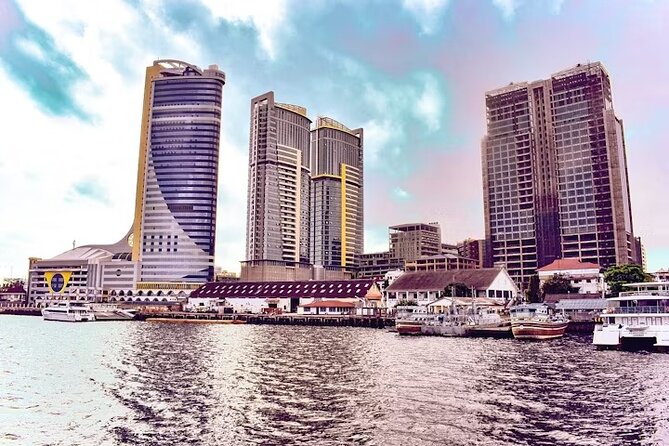
- The Ferry Fish Market opens the door to coastal Dar es Salaam, with fresh catch, grilled seafood, and plenty of local activity near the harbor.
- A private air-conditioned vehicle makes it easier to cover widely separated sights during a long city day.
- Kariakoo Market offers the most direct look at daily commerce, but expect crowds, noise, and narrow walkways.
- The National Museum and Village Museum provide useful context, connecting Tanzania’s early human history, ethnic traditions, colonial past, and independence story.
- Mwenge Woodcarvers Market is the best stop for souvenirs, with handmade carvings, masks, sculptures, and household pieces.
- Lunch, bottled water, soda, alcoholic drinks, transport, guide service, taxes, and listed entrance fees are included in the $180 per-person price.
A city tour built around contrast
Dar es Salaam is not a city you understand from one polished central avenue. Its story is scattered across harborfront churches, working markets, museums, memorials, and neighborhoods where commerce carries on at full speed.
This itinerary gives you that broad picture. You begin near the waterfront, move through central historical sights, spend time in the commercial districts, then head toward cultural collections and craft workshops. The route covers a lot of ground, which is why the private vehicle matters.
The tour begins at 8:30 a.m. Pickup is offered, and the vehicle is air-conditioned. That is a practical benefit in a city tour of this length, especially when stops are spread across Dar es Salaam. You are not simply paying for entrance tickets. You are paying for transport, a full day with a guide, lunch, drinks, and the flexibility of a private group.
A few more Dar es Salaam days to compare
- Dar es Salaam: City Tour
★ 4.7 · 159 reviews - Dar es Salaam City Center: Walking Tour
★ 4.8 · 102 reviews - Dar es Salaam City Tour – Everyday
★ 5.0 · 64 reviews
Ferry Fish Market and the coastal side of Dar es Salaam
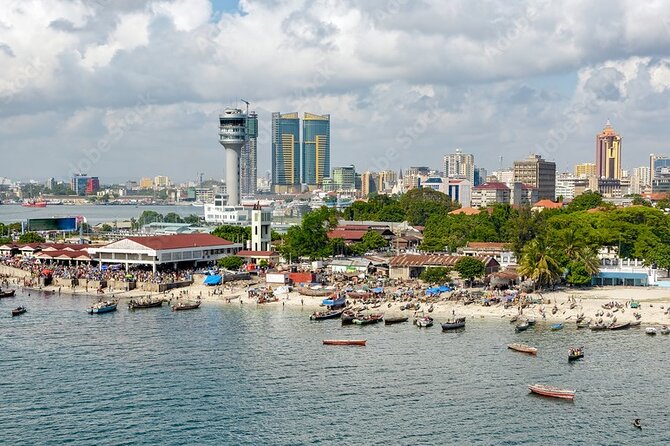
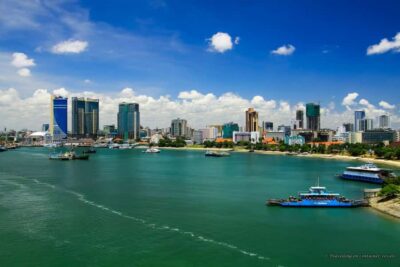
The Ferry Fish Market is a strong opening stop because it brings you close to the city’s Indian Ocean identity. It sits near Kivukoni Front and the main ferry terminal, where fishermen bring in the day’s catch and vendors prepare seafood for sale.
You might see prawns, octopus, red snapper, and tuna. The market is also a sensory stop: grilled fish, fresh seafood, haggling, and the movement of people around the harbor. It is less about formal sightseeing and more about watching a working part of the city.
The planned visit lasts about 30 minutes, with no admission charge. That is enough for a quick look and photographs, though not enough for a long meal or a slow market study. Since lunch is included elsewhere in the tour, you should not assume this stop is meant to replace the provided meal.
Bring small personal items only and keep your attention on your belongings in crowded areas. The tour description does not specify what seafood lunch includes, so ask your operator if you have dietary needs or want to know where lunch will be served.
The National Museum in 40 minutes
The National Museum of Tanzania gives the day its historical frame. Founded in 1934, it holds archaeological material, traditional objects, historical displays, and art connected with Tanzania’s past and present.
The best-known object is the Zinjanthropus skull, a 1.75-million-year-old hominid fossil. That alone gives the museum unusual importance, but the wider collection is just as useful for understanding the country. You can see traditional artifacts and displays on colonial rule and independence, then connect those subjects with the city sights you see later.
The visit is scheduled for 40 minutes, and admission is included. That is a sensible amount of time for a guided introduction, but you should not expect to study every display in detail. If you are especially interested in archaeology or national history, you may want to ask how the guide plans to divide the time.
The museum also has quiet gardens and is close to other central landmarks. After the noise of the markets, this stop offers a calmer change of pace.
Askari Monument and the difficult colonial past
The Askari Monument sits in the center of a roundabout on Samora Avenue. The bronze African soldier holds a rifle with its bayonet pointed down, a pose meant to suggest peace.
The monument honors African soldiers who fought alongside British forces during World War I. It was unveiled in 1927 and includes an inscription in English and Swahili. The statue is a useful place to discuss the role of African troops in imperial wars, as well as the fact that Dar es Salaam’s public spaces carry reminders of colonial rule.
This is a short photo and explanation stop rather than a museum visit. The monument is on a busy traffic circle, so your guide’s local knowledge is helpful when finding a safe viewing position. Look at the inscription and the details of the uniform, not just the statue from the vehicle window.
The stop also connects naturally with the nearby churches. Together, these landmarks show how German and British influence shaped the central city, while the markets and museums reveal the much broader Tanzanian story.
A change of scene while you are in Dar es Salaam:
- MIKUMI NATIONAL PARK – 3 Days
★ 4.5 · 63 reviews - 2 nights 3 days safari to mikumi national park
★ 5.0 · 62 reviews - 2 Days 1 Night Mikumi National Park from Dar es salaam
★ 5.0 · 60 reviews - The Best/Top Rated Cultural City Tour in Dar es Salaam
★ 5.0 · 57 reviews
St. Joseph’s Cathedral near the harbor
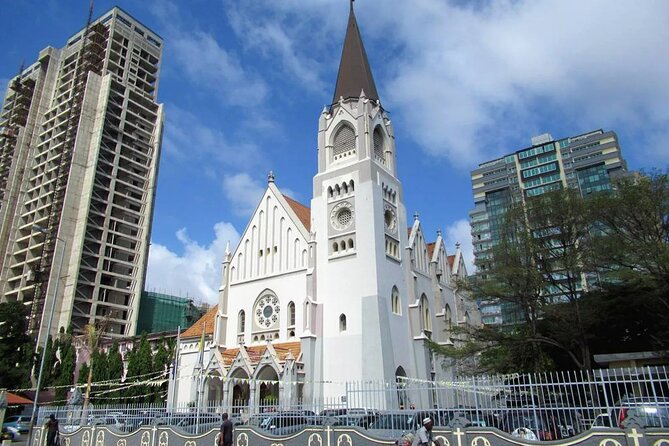
St. Joseph’s Cathedral was built by German missionaries between 1897 and 1902. Its Gothic design includes tall spires, arched windows, stained glass, and detailed interior decoration.
The cathedral is the seat of the Roman Catholic Archdiocese of Dar es Salaam, so it remains a working place of worship rather than a monument preserved only for tourists. You can take in its quiet interior, look at the religious artwork, and consider its position near the harbor and other colonial-era buildings.
The scheduled visit is 30 minutes, with admission included. That should give you time to appreciate the architecture without turning the stop into a long church tour. Dress and behave respectfully, especially if a service or prayer is taking place.
I like this stop because it adds a spiritual and architectural layer to the city. The cathedral is not only attractive. Its construction during German rule also raises questions about religion, power, and public life in colonial Dar es Salaam.
Azania Front Lutheran Church
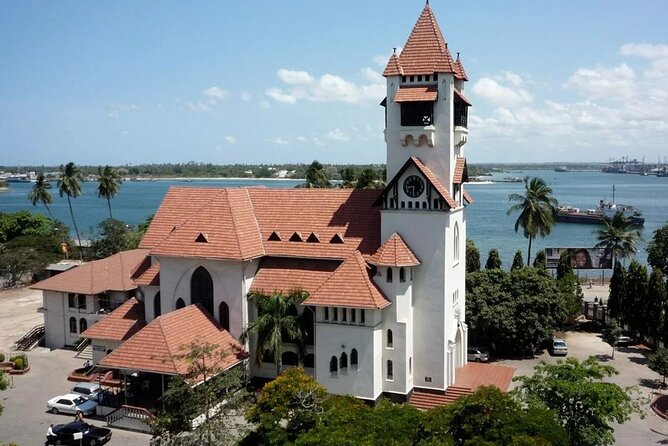
Azania Front Lutheran Church is another German-built landmark, completed in 1898. Its red brick, Gothic form, and tall spire make it easy to identify near Kivukoni Front and the harbor.
The name Azania comes from an ancient Greek term for the East African coast. That small detail gives the church a link to the older geographic names attached to the region, while the building itself reflects the German missionary presence of the late nineteenth century.
You have about 30 minutes here, including admission. The church remains active, so this is a place for quiet observation rather than loud group conversation or unrestricted photography. Its harbor setting makes it a good photo stop, but the building’s real value comes from seeing it alongside St. Joseph’s Cathedral.
These two churches are close in period but different in denomination. Seeing both helps you read central Dar es Salaam as a layered city, not simply a collection of attractive old buildings.
Kariakoo Market, the day’s most intense stop
Kariakoo Market is likely to be the most demanding part of the tour. It is a major commercial center where stalls sell produce, spices, seafood, clothing, electronics, and household goods.
The market takes its name from the World War I-era Carrier Corps, known locally as Kariakoo. That connection is easy to miss if you only come to shop, which is another reason a guide adds value here.
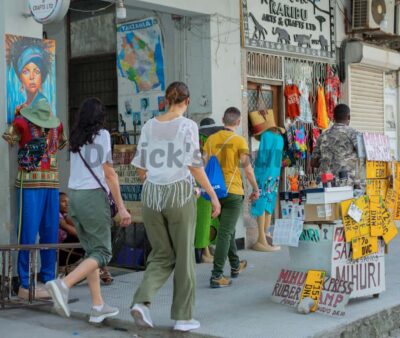
Expect a maze of crowded alleys, constant movement, strong smells, and fast negotiations. This is not a tidy market arranged for easy sightseeing. It is a place where Dar es Salaam residents buy and sell everyday goods, and you will get the clearest sense of the city’s working rhythm here.
The supplied schedule does not give a precise duration for Kariakoo. That may be useful in a private tour, since your guide can adjust the time to suit your interest and comfort. If you enjoy markets, ask to spend longer looking at spices and local goods. If you find crowds tiring, tell the guide early and keep the visit focused.
Bargaining may be part of shopping, but do not feel obliged to buy. Ask permission before photographing people or specific stalls, and keep your bag close. Kariakoo is valuable because it feels real, but that same quality makes it less comfortable than a quiet museum.
Mwenge Woodcarvers Market and buying a useful souvenir
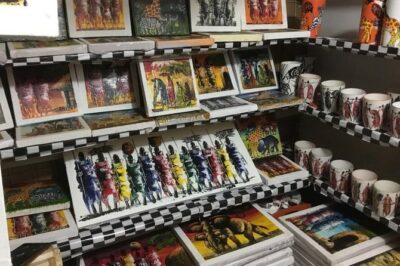
Mwenge Woodcarvers Market is the tour’s main craft stop. In the open-air market, artisans sell wooden sculptures, masks, carvings, and household decoration.
This is a better place than a generic souvenir shop if you want a handmade object connected to Tanzanian artistic traditions. You can look at the workmanship, compare sizes and styles, and ask about the piece before deciding.
The visit lasts about 40 minutes and admission is free. Bargaining is expected, so take your time and compare prices between stalls. The first price is not necessarily the final one, but bargain politely. A fair purchase should leave both sides comfortable.
The tour does not state that every item is certified as antique or made from a particular type of wood. If that matters to you, ask direct questions before buying. Also consider the size and weight of what you choose, especially if you have further travel ahead.
Dar es Salaam War Cemetery at Makumbusho
The Dar es Salaam War Cemetery in Makumbusho offers a quiet pause after the markets. Maintained by the Commonwealth War Graves Commission, it contains the graves of more than 1,500 Commonwealth servicemen, including British, South African, and East African troops, along with some non-Commonwealth soldiers.
Rows of white headstones and carefully maintained grounds create a reflective setting. The cemetery honors those who died during World War II, and its presence adds another layer to the military history introduced by the Askari Monument.
The visit lasts about 30 minutes and has no admission charge. This is not a stop for loud conversation or rushed sightseeing. Read the names and inscriptions where possible, and give the grounds the respect expected at a memorial site.
Its location near the Makumbusho Cultural Centre also fits well with the Village Museum later in the day. You move from war remembrance into the many cultural traditions that make up Tanzania.
Village Museum and traditional homes from 20 ethnic groups
The Village Museum in Kijitonyama is an open-air collection of traditional homes from more than 20 Tanzanian ethnic groups. Examples include Chagga, Maasai, Sukuma, and Zaramo houses, built with traditional materials and methods.
This is one of the most useful stops for understanding how homes reflect climate, work, family life, and available materials. Instead of seeing one building presented as the Tanzanian traditional house, you can compare different forms and learn that the country’s cultures are not all alike.
The visit lasts about 40 minutes, and admission is included. The museum can also host traditional dances, music, and craft demonstrations, although the supplied tour details do not guarantee that a performance will take place during your visit. Ask your guide what is scheduled that day.
The Village Museum works especially well after the National Museum. The first explains Tanzania through archaeology and national history. The second gives you a more physical sense of homes, objects, and cultural practices.
What the $180 price really covers
At $180 per person, the tour is not a bargain in the simple walk-and-look sense. It becomes more reasonable when you count the private air-conditioned vehicle, professional guide, pickup, lunch, bottled water, soda, alcoholic drinks, entrance fees, private transport, taxes, and the long operating day.
The value is strongest for a small group that wants a dedicated vehicle and a guide rather than a fixed public excursion. If you are traveling alone, the per-person price may feel high. If two or more people share the experience, the convenience becomes easier to justify, particularly if pickup and return transport save you the trouble of arranging separate rides.
Five published comments praise the guide and driver, the food, and the warm service. One specifically names Emmanuel as a helpful operator. You can ask for Emmanuel when booking if he is available, but the information provided does not promise that he will lead every departure.
The tour also has a full five-star rating from five reviews, which is encouraging but still a small sample. I would treat that as a positive sign about service rather than proof that every part of the day will suit every person.
How to prepare for a long market-and-museum day
Wear comfortable clothing and shoes. You will move through markets, churches, museum grounds, and outdoor displays, so practical clothes matter more than dressing for a formal sightseeing bus.
Carry sun protection and keep valuables secure in crowded places. The vehicle provides a useful place to leave items, but you should confirm arrangements with the guide rather than assume the car is unattended-safe.
The tour includes food and drinks, including alcoholic beverages. If you do not drink alcohol, you can simply leave that inclusion unused. If you have dietary restrictions, ask in advance because the available information does not describe the lunch menu.
The itinerary includes religious buildings and a war cemetery. Quiet behavior and respectful clothing are sensible at both. Ask before taking photographs inside churches or around people at the markets.
Most travelers can participate, service animals are allowed, and the tour is near public transportation. Because this is a private activity, only your group takes part, which makes it easier to discuss timing, shopping, and the amount of walking with your guide.
Who should book this Dar es Salaam tour?
I would recommend it to first-time visitors who want a broad introduction to Dar es Salaam in one day. It suits people who like history but also want ordinary city life, shopping, food, and local craft rather than a day spent only in museums.
It is also a good choice for cruise passengers or short-stay visitors if the pickup and timing fit your schedule. The 8:30 a.m. start and 9 to 10-hour duration mean you need most of the day available.
You may want a shorter or more focused outing if you dislike crowds, have limited stamina, or prefer to spend several hours in one museum. Kariakoo and the Ferry Fish Market are active working places, not polished attractions, and that can be either the tour’s greatest strength or its main drawback.
Free cancellation is available if you cancel at least 24 hours before the start time. Cancellations or changes made less than 24 hours before the start are not refunded or accepted, based on the stated policy.
Should you book it?
Book this tour if you want Dar es Salaam explained through both its grand landmarks and its everyday life. The combination of the Askari Monument, two historic churches, museums, a war cemetery, Kariakoo, Mwenge, and the Ferry Fish Market gives you a much fuller picture than a simple drive past the city center.
The strongest reasons to book are the private vehicle, the guide support in crowded areas, and the number of included costs. Before paying, confirm the pickup details, lunch arrangements, and whether Emmanuel is available if you specifically want him. If you are comfortable with a long, busy day, this is a practical way to see a wide slice of the city without arranging each stop yourself.
FAQ
How long does the Dar es Salaam private city tour last?
The tour lasts approximately 9 to 10 hours.
What time does the tour start?
The stated start time is 8:30 a.m.
Is pickup available?
Yes, pickup is offered. The provided information does not specify the exact pickup locations, so confirm your meeting point when booking.
Is this a private tour?
Yes. Only your group participates in the activity.
What is included in the price?
The price includes bottled water, alcoholic beverages, lunch, soda, an air-conditioned vehicle, private transportation, all fees and taxes, and a professional guide.
Are entrance fees included?
Admission is included for the National Museum, St. Joseph’s Cathedral, Azania Front Lutheran Church, and the Village Museum. The Ferry Fish Market, Mwenge Woodcarvers Market, and Dar es Salaam War Cemetery have no admission charge listed.
Can I cancel for a full refund?
Yes, if you cancel at least 24 hours before the experience start time. Cancellations made less than 24 hours before the start are not refunded, and changes during that period are not accepted.
Newly listed around Dar es Salaam
- Mikumi Np Mid Range Tour 3 Days★ 5.0 · 3 reviews
- Private Mikumi Adventure★ 4.5 · 3 reviews
- Ruaha National Park And Mikumi National Park Budget Safari 6 Days 5 Nights★ 5.0 · 3 reviews
- 3 Days 2 Nights Private Safari Tour in Mikumi★ 5.0 · 3 reviews
- Day Trip To Bagamoyo From Dar Es Salaam ..historical town★ 4.5 · 3 reviews
- Dar es Salaam City tour and Beach Leisure – 9 hours★ 5.0 · 3 reviews
- Mikumi National Park Day Trip by Train From Dar Es Salaam★ 5.0 · 4 reviews
- 3-Day at Dar es Salaam To Selous GR (Nyerere NP) Game, Boat & Walking Safari★ 5.0 · 4 reviews
Dar es Salaam Tours, compared.

Private Full-Day Trip to Mikumi National Park from Dar es Salaam
Read our review →Browse the lists this tour appears in