
Reviewed · DAR ES SALAAM TOURS
Dar es Salaam: Experience the real Dar es Salaam (City Tour)
Dar es Salaam reveals itself best at street level, where fish auctions, crowded markets, carved wood, old churches, and ocean views all share one long day. I like the way this tour combines ordinary city life with major sights, and I like having Saed, an English or Swahili-speaking local guide, explain what you are seeing rather than leaving you to guess.
The private vehicle, hotel or airport pickup, bottled water, and flexible pacing add real value. The main consideration is the length: eight hours in heat, traffic, markets, and museums can feel full-on, and Kivukoni Fish Market has a wet floor, so sturdy shoes are much wiser than sandals.
Key points to know before booking
- Kivukoni Fish Market gets very wet: Wear closed shoes with a firm sole, not slippers.
- Saed is the guide to request: He leads in English or Swahili and brings context about history, politics, family life, and local trade.
- The day covers both major sights and daily life: Kariakoo, Kivukoni, museums, churches, craft markets, and the waterfront are all part of the experience.
- It is a private eight-hour outing: You get private transport and a more personal day than a large coach tour.
- The museums provide contrast: The National Museum focuses on Tanzania’s past, while Makumbusho Village Museum presents cultural traditions and village life.
- The $99 price includes useful basics: Air-conditioned transport, onboard WiFi, private transportation, and bottled water are included.
Why this Dar es Salaam day feels different
Many city tours show you monuments, take a few photos, and move on. This one puts markets at the center of the day. You see where people shop, where fishermen bring their catch, where local artists sell their work, and how the city’s history appears in churches, monuments, and museums.
That mix matters in Dar es Salaam. The city can be hard to read from a car window, especially on a first visit. A local guide gives you a way into places that may otherwise feel confusing or difficult to approach on your own. Saed’s role is especially important here. His explanations cover Tanzanian culture, politics, family values, trade, and the practical pressures of city life.
I would choose this tour early in a Tanzania trip if you want to get your bearings before heading to other parts of the country. It gives you a broad introduction rather than focusing on one narrow subject.
The day is also clearly designed for people who want a private experience. You are collected at Julius Nyerere International Airport, the Hyatt Regency Dar es Salaam, The Kilimanjaro, or your accommodation lobby, then returned to one of the listed drop-off points. That makes the tour useful for a full day in the city, a hotel stay, or an arrival day with enough time available.
A few more Dar Es Salaam days to compare
- Dar es Salaam: City Tour
★ 4.7 · 159 reviews - Dar es Salaam City Center: Walking Tour
★ 4.8 · 102 reviews - Dar es Salaam City Tour – Everyday
★ 5.0 · 64 reviews
Kariakoo Market: start with the city’s daily rhythm
Kariakoo is the right kind of opening stop. Instead of beginning with a quiet museum, you start amid stalls, shoppers, goods, and the working rhythm of Dar es Salaam. The market gives you an immediate sense of how the city feeds and supplies itself.
Allow yourself to look closely. The point is not simply to buy something. It is to watch transactions, notice the range of products, and ask Saed how the market fits into daily life. The explanations can turn a crowded commercial area into a lesson about food supply, household needs, and the city’s economy.
This is one place where a guide adds more than directions. A first-time visitor may see noise and movement. Saed can help explain what is happening and answer questions about the people working there.
Kariakoo is not polished sightseeing. Expect a working market rather than a staged cultural display. Keep your belongings secure, follow your guide, and stay aware of your footing and surroundings. That lack of polish is also the reason the stop feels useful.
Kivukoni Fish Market and the harbor
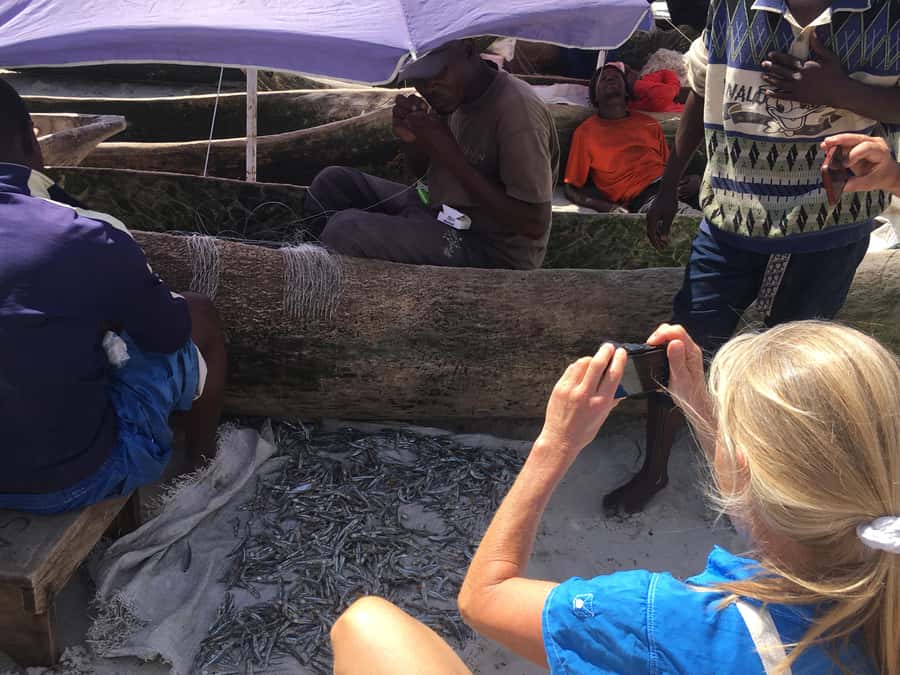
The fish market brings you close to one of Dar es Salaam’s most practical coastal industries. Fishermen bring in their catch, and the market becomes a place of trade, negotiation, and fast-moving work. You are not just looking at a waterfront. You are seeing how the sea connects to city meals and household income.
This stop lasts about an hour and a half, giving Saed time to explain what you are seeing. The subject can lead to wider questions about traders, food shortages, work, and the everyday realities of the city. That sort of conversation is one of the strongest reasons to take a private tour.
Here is the practical warning: the floor is often wet. Wear shoes that grip and that you do not mind getting splashed. Slippers are a poor choice. The smells and sights may also be strong, so this is not a stop for anyone seeking a carefully controlled sightseeing route.
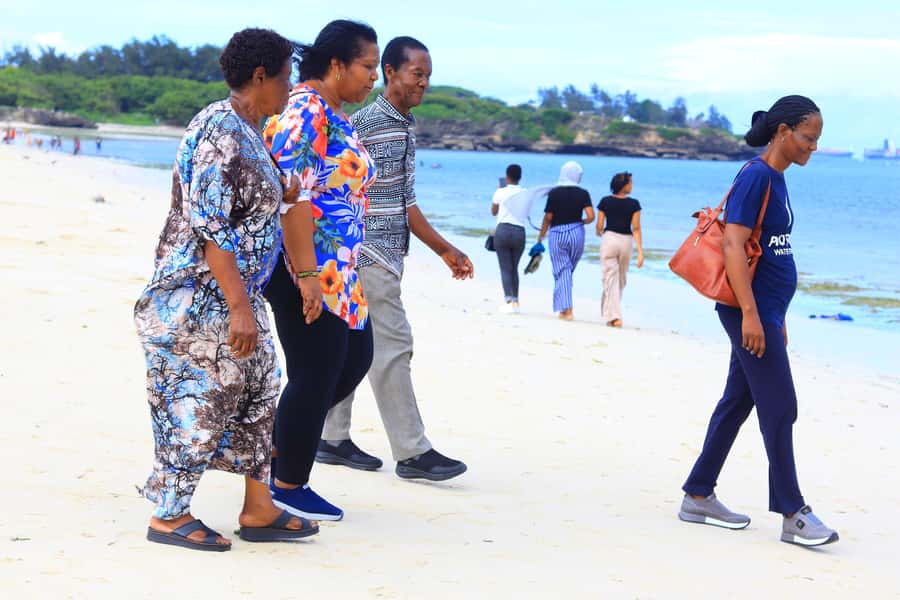
After the market, the waterfront walk offers a calmer view of the harbor. You can watch traditional dhow boats and take in the coast from a different angle. The contrast between the fish trade and the open water helps you understand Dar as both a working port and a seaside city.
Askari Monument and the city’s colonial-era center
The Askari Monument gives the tour a clear historical marker. The statue commemorates African soldiers who served in the First World War, and its central position makes it a useful point for discussing Dar es Salaam’s colonial past.
You spend around 20 minutes here, so this is a short stop rather than an extended monument visit. Its value comes from the explanation. A monument can mean very little without context, especially when you are unfamiliar with Tanzania’s political and colonial history.
The tour also includes historic churches and a visit to Azania Front Cathedral, sometimes listed as Kkkt Azania-Front-Cathedral. This building helps show the architectural influences that shaped central Dar es Salaam. The stop lasts about an hour, giving you more time to look at the structure and hear about the city’s religious and colonial connections.
You should not expect a single, tidy story. Dar’s past includes outside rule, changing institutions, and local responses to those forces. Saed’s commentary helps connect the buildings to wider questions about Tanzania today.
A change of scene while you are in Dar Es Salaam:
- MIKUMI NATIONAL PARK – 3 Days
★ 4.5 · 63 reviews - 2 nights 3 days safari to mikumi national park
★ 5.0 · 62 reviews - 2 Days 1 Night Mikumi National Park from Dar es salaam
★ 5.0 · 60 reviews - The Best/Top Rated Cultural City Tour in Dar es Salaam
★ 5.0 · 57 reviews
The National Museum and House of Culture
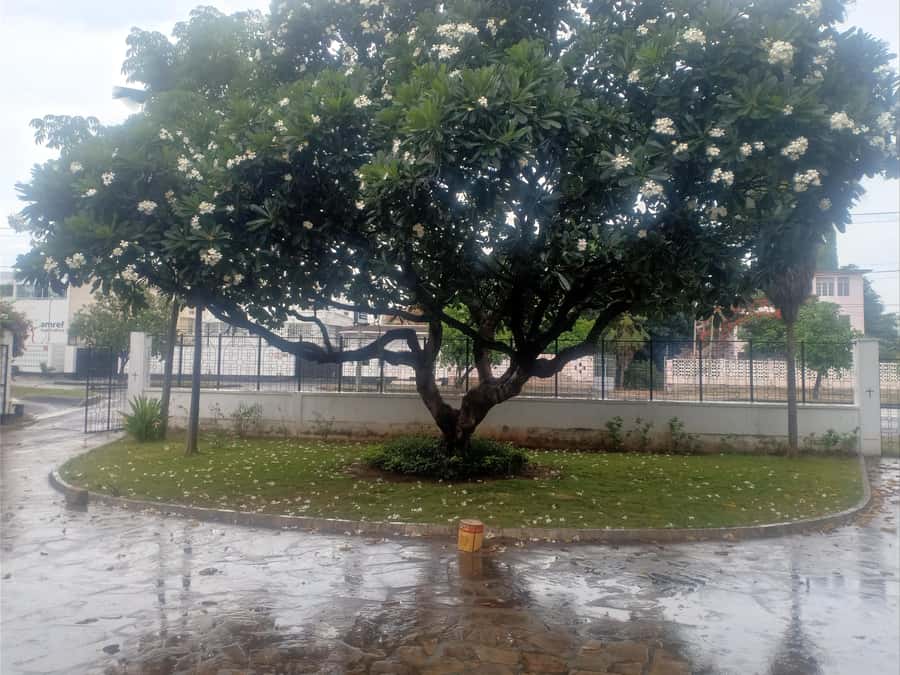
The National Museum and House of Culture is the day’s main stop for archaeology, art, and national history. You have about an hour and a half here, enough time to move beyond a quick look at display cases.
The museum helps place Dar es Salaam within the story of Tanzania. It provides an indoor break from the heat and traffic, while giving you a base for understanding the people, events, and cultural traditions you encounter elsewhere during the day.
One useful feature of a private guide is the chance to ask direct questions when a display feels incomplete or unclear. Saed can explain why certain parts of Tanzania’s story receive more attention than others. He can also discuss why an old First World War memorial has not been updated since 1924, a detail that opens a larger conversation about public memory and national storytelling.
The museum itself may not present every part of the country’s past as fully as you might hope. That is worth knowing before you go. The guide’s interpretation adds considerable value, but it cannot turn every exhibit into a polished modern presentation.
Tinga Tinga art and the Mwenge craft tradition
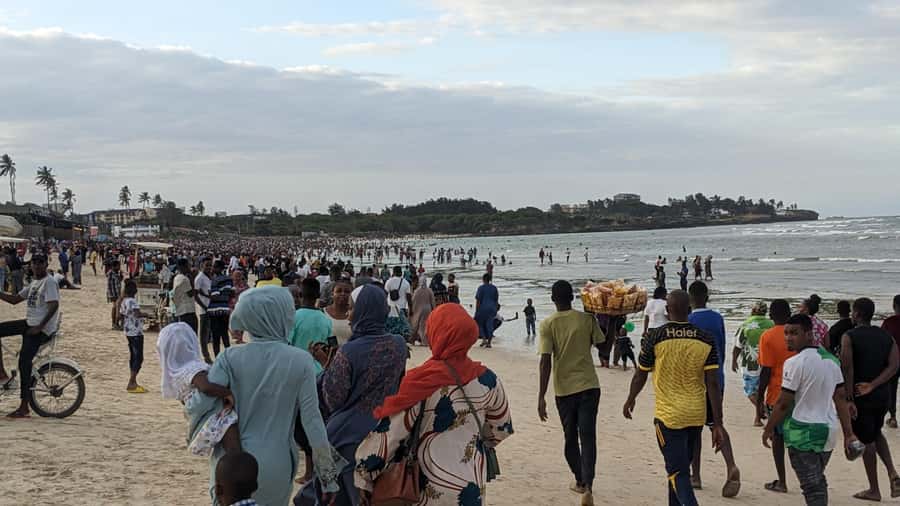
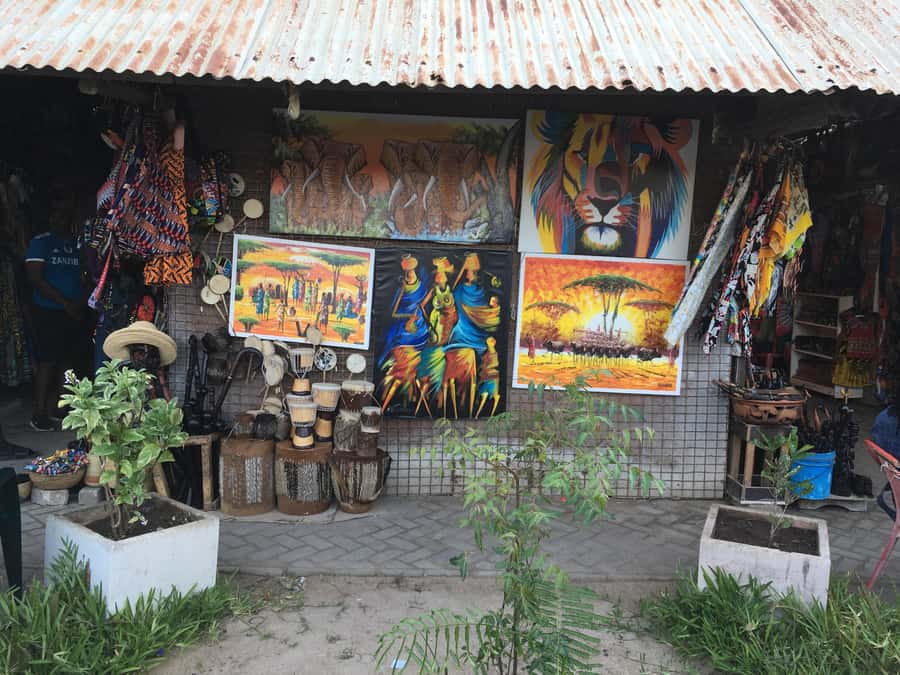
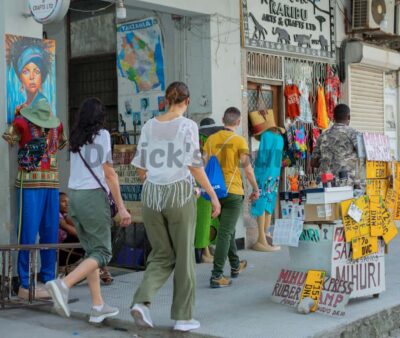
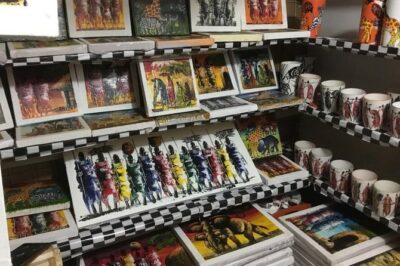
The craft portion of the tour gives the day a more relaxed change of pace. At the Tinga Tinga Arts Cooperative Society, you can see colorful paintings and browse work made by local artists. The visit lasts about an hour.
This is a good place to buy a physical reminder of Dar es Salaam, but take your time before purchasing. Look at the materials, ask who made the work, and compare pieces rather than grabbing the first souvenir offered. A guide can help you understand what you are looking at and make the process less awkward.
The wider tour information also highlights Mwenge Woodcarvers Market, known for hand-carved art and souvenirs. The itinerary names Tinga Tinga Arts Cooperative Society, so the exact craft stop may depend on the day’s arrangements. Either way, the purpose is similar: to see local art where it is sold and to give you a chance to take home something more personal than a standard tourist trinket.
Shopping is not compulsory. If you are not buying, you can still study the carving, painting, and sales process. Bring patience. Craft markets are commercial places, and friendly bargaining may be part of the experience.
Makumbusho Village Museum and cultural traditions
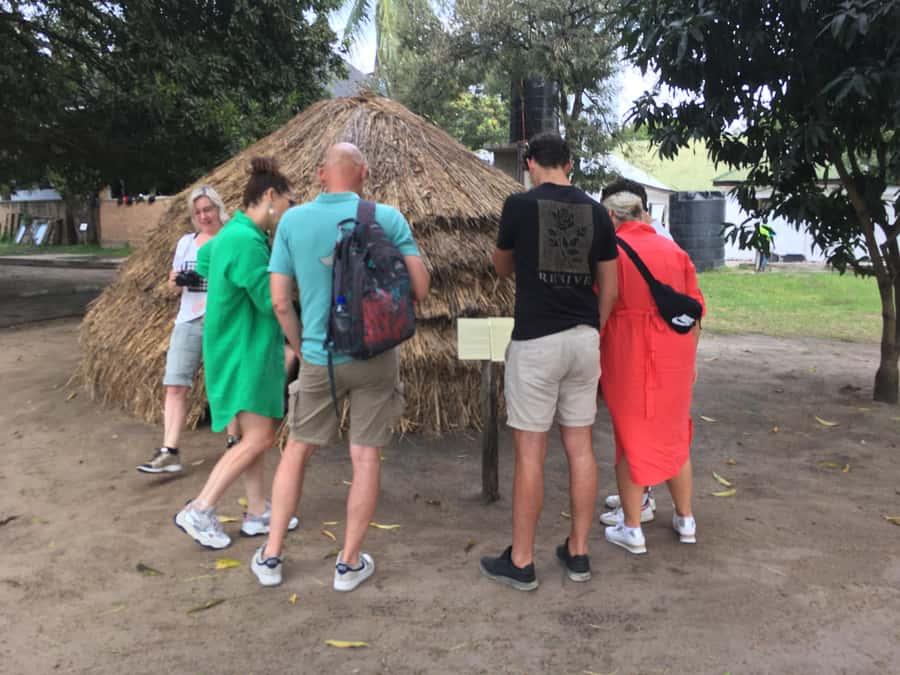
Makumbusho Village Museum gives you a different kind of museum visit. Instead of concentrating only on objects in cases, it presents traditional homes and cultural practices from across Tanzania. The guided visit takes about an hour and a half.
This stop is valuable because Tanzania is not one single culture. A village museum can show differences in building styles, household arrangements, and regional traditions. Saed’s commentary helps you connect those examples to present-day life.
I would pay close attention here if you are heading on safari or to other regions afterward. The museum gives you background that can make later encounters with Tanzanian communities easier to understand. It also balances the National Museum, which focuses more on national history, archaeology, and formal collections.
The pace may feel slower after the fish market and Kariakoo. That is a good thing. Eight hours is a long city day, and the Village Museum gives you room to absorb information without the constant movement of a commercial market.
Slipway and the final coastal pause
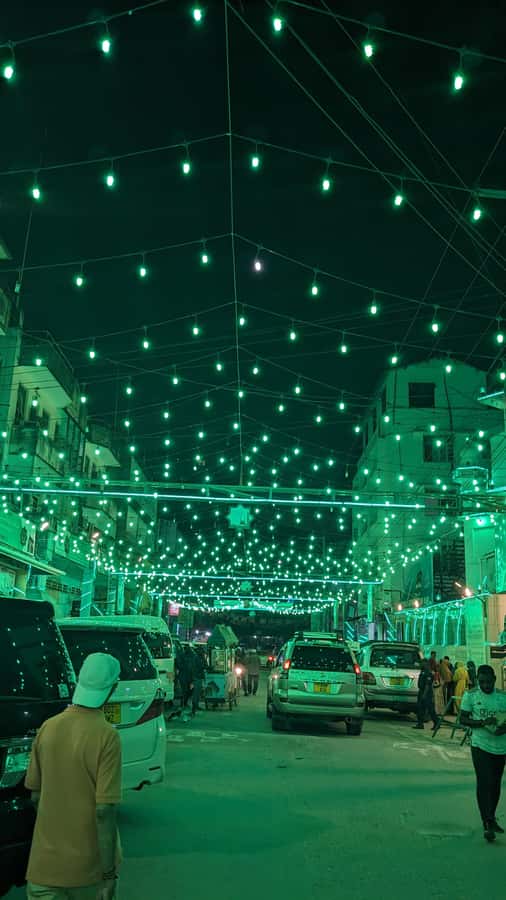
The tour ends at Slipway, a shopping and dining complex by the ocean. After the noise of markets and the concentration required in museums, this is a practical place to sit, eat, look out at the water, and let the day settle.
The planned break lasts about an hour and can include sunset. It is also a useful moment to ask final questions or review places you may want to revisit. The setting is more polished and relaxed than Kariakoo or Kivukoni, so it gives the day a clear change in tone.
I like that the tour does not finish at a monument or inside a museum. Ending by the coast reminds you that Dar es Salaam is a port city with a strong connection to the Indian Ocean. It also gives you a chance to rest before being dropped off.
The meal is not listed as included, so plan to pay separately for food and drinks. Saed can help you choose a local place for Tanzanian food and fresh juices if you want something beyond the standard restaurant menu.
What $99 includes, and where the value lies
At $99 per person, this is not the cheapest way to see Dar es Salaam. The value depends on how much you use the guide and private transport.
You receive an eight-hour private tour, an air-conditioned vehicle, WiFi onboard, private transportation, bottled water, and pickup and drop-off. Those features matter in a hot city where long transfers and traffic can make an independent day tiring. You are also paying for access and interpretation at places that can be difficult to understand on your own.
The strongest value comes from the range of stops. In one day, you cover commercial markets, a fish market, religious architecture, a war monument, two museums, local art, the harbor, and a coastal leisure area. A cheaper self-guided day might cost less, but it would require more planning and would give you less help with context, transport, and market etiquette.
I would consider the price reasonable for a couple, family, or small private group that wants a focused first look at Dar es Salaam. If you are mainly interested in one museum or one market, it may feel like too much. If you want the city explained through several different angles, the cost makes better sense.
Free cancellation up to 24 hours before the tour and the option to reserve now and pay later also make the booking less rigid. Starting times depend on availability, so check the schedule before committing to an airport connection.
Who should book this tour
This day suits you best if you:
- Want a first introduction to Dar es Salaam rather than a single attraction
- Prefer private transport and personal conversation
- Enjoy markets, museums, history, architecture, and local crafts in one itinerary
- Are curious about daily life, trade, family values, and social questions
- Have one full day in the city
- Want an English or Swahili-speaking guide
It may not suit you if you dislike crowded markets, wet floors, strong smells, or a full schedule. The day includes a lot of ground, and the city itself brings traffic, heat, and noise. Comfortable clothing, sunscreen, water, and sturdy shoes will make a difference.
Should you book the Dar es Salaam city tour?
Book it if you want Dar es Salaam explained by a local person rather than viewed through a taxi window. Saed is the main reason to choose this experience. His role links the fish market, monuments, museums, churches, and craft stalls into one readable picture of Tanzania.
The best parts are the variety, the private format, and the access to everyday places. Go in expecting an active day, not a glossy sightseeing loop. Wear proper shoes for Kivukoni, leave room for questions, and treat the markets as working places first and photo opportunities second. At $99, it is a solid choice for a first day in Dar, especially if you value insight as much as transport.
FAQ
How long does the Dar es Salaam city tour last?
The tour lasts eight hours.
Where can pickup and drop-off take place?
Pickup and drop-off are available at Julius Nyerere International Airport, Hyatt Regency Dar es Salaam, and The Kilimanjaro. Airport pickup takes place in the arrivals lounge, while accommodation pickup is arranged in the lobby.
Is the tour private?
Yes. This is a private group experience with private transportation.
Which languages does the guide speak?
The live guide speaks English and Swahili.
What is included in the price?
The price includes an air-conditioned vehicle, WiFi onboard, private transportation, and bottled water.
What should I wear to the fish market?
Wear sturdy, closed footwear with good grip because the fish market floor is usually wet. Slippers are not recommended.
Can I cancel the booking?
Yes. You can cancel up to 24 hours in advance for a full refund. You can also reserve now and pay later.
Newly listed around Dar Es Salaam
- Mikumi Np Mid Range Tour 3 Days★ 5.0 · 3 reviews
- Private Mikumi Adventure★ 4.5 · 3 reviews
- Ruaha National Park And Mikumi National Park Budget Safari 6 Days 5 Nights★ 5.0 · 3 reviews
- 3 Days 2 Nights Private Safari Tour in Mikumi★ 5.0 · 3 reviews
- Day Trip To Bagamoyo From Dar Es Salaam ..historical town★ 4.5 · 3 reviews
- Dar es Salaam City tour and Beach Leisure – 9 hours★ 5.0 · 3 reviews
- Mikumi National Park Day Trip by Train From Dar Es Salaam★ 5.0 · 4 reviews
- 3-Day at Dar es Salaam To Selous GR (Nyerere NP) Game, Boat & Walking Safari★ 5.0 · 4 reviews
Dar es Salaam Tours, compared.


Private Full-Day Trip to Mikumi National Park from Dar es Salaam
Read our review →Browse the lists this tour appears in