Reviewed · ARUSHA TOURS
Big Five Classic Safari in Tanzania **Sustainable Travel approach
The big draw here is simple: in seven days, you visit Tanzania’s four most famous Northern Circuit parks and have a real chance to see the Big Five, including black rhino in Ngorongoro Crater. I like the custom open-roof 4×4, where each of the six or fewer passengers gets a window seat, and I like that meals, park fees, bottled water, lodging, and airport transfers are folded into the price.
The main tradeoff is the long road time. Several days run to about eight hours, and the route covers a lot of ground. You also need to know that the Maasai village visit and Olduvai Gorge cost extra, while the cancellation policy is strict: once booked, the payment is not refundable.
Key points before you book
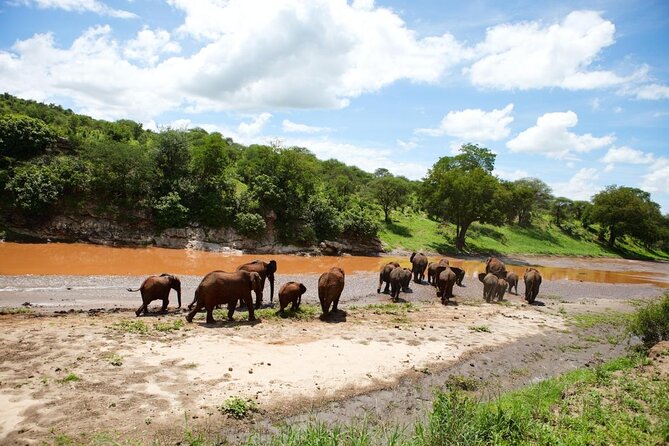
- Four major parks in seven days: Tarangire, Serengeti, Ngorongoro Crater, and Lake Manyara give you a broad look at northern Tanzania.
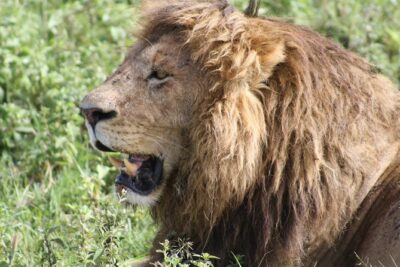
- A maximum of six people per vehicle: Everyone gets a window seat, which matters when a lion appears on the far side of the road.
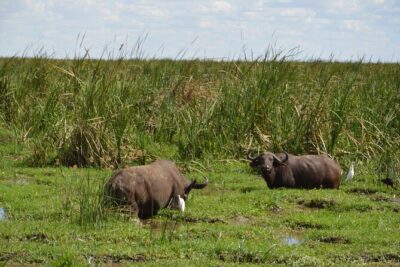
- The Big Five are possible, not promised: Lion, elephant, leopard, Cape buffalo, and black rhino all live along the route, with rhino sightings especially associated with Ngorongoro.
- Long driving days are part of the deal: Tarangire, Serengeti, and Lake Manyara each involve roughly eight hours of touring and transport.
- The package covers most major costs: Park entry, meals, lodging, guide service, airport transfers, and vehicle water are included.
- Extra cultural and archaeological stops cost more: Maasai village visits and Olduvai Gorge are optional additions at your own expense.
What $1,785 buys you in northern Tanzania
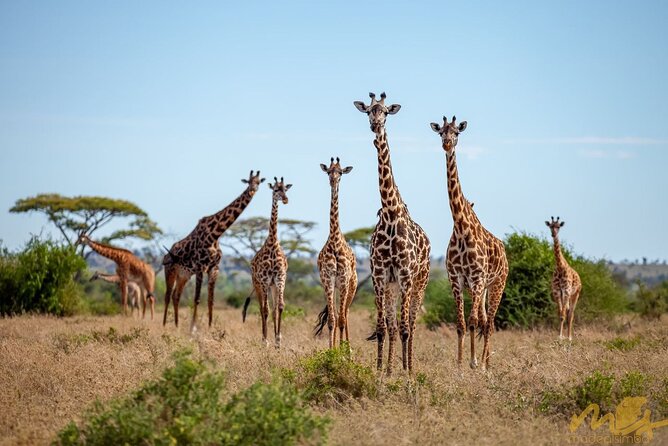
At $1,785 per person, this safari is not a bare-bones park shuttle. The price includes all fees and taxes, accommodation, meals, a professional English-speaking driver-guide, bottled water in the safari vehicle, and transfers to and from Kilimanjaro International Airport.
That makes the package easier to budget. You still need money for international flights, a Tanzanian entry visa, travel and health insurance, gratuities, and optional visits to a Maasai village or Olduvai Gorge. A balloon excursion is also outside the package.
The value comes from the route. You are not paying for one park with a quick look around. You are covering four different settings, each with its own wildlife pattern. Tarangire is especially good for elephants and baobabs. Serengeti gives you the open plains and major predator country. Ngorongoro offers a concentrated wildlife setting inside an enormous volcanic crater. Lake Manyara adds forest, lake country, hippos, monkeys, and the possibility of tree-climbing lions.
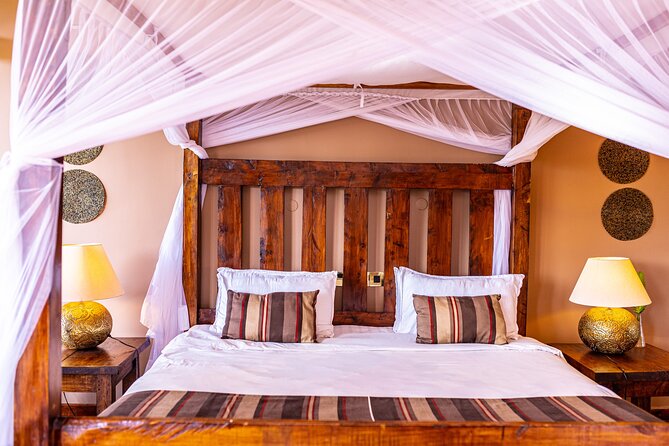
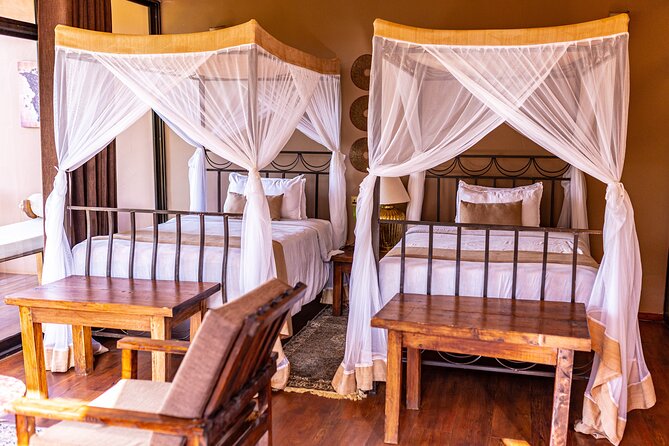
The word luxury needs a little care here. The safari vehicle is custom designed, has an open roof, and limits the group to six people, but the package details do not specify the individual lodges or tented camps. Accommodation is included, yet you should ask for the exact properties before paying if room style matters to you.
The trip is booked an average of 171 days in advance, which is useful planning information. If your dates are fixed, especially during popular wildlife periods, do not leave this until the last minute.
More Safaris in Arusha
- Balloon Safari & Bush Breakfast in Serengeti – Miracle Experience
★ 5.0 · 1,646 reviews - 4 Days Group Camping Safari
★ 5.0 · 1,101 reviews - 5 Days Group Camping Safari
★ 5.0 · 730 reviews
Arrival near Kilimanjaro and a gentle first night
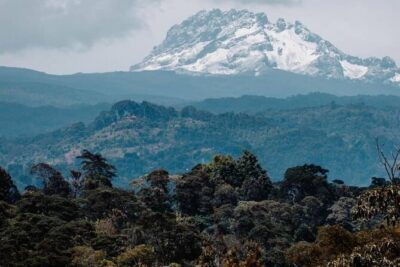
Your safari begins with a pickup at Kilimanjaro International Airport. After customs, look for a driver holding a sign with your name. The transfer to Moshi takes about 45 minutes, followed by an overnight stay at Springlands Hotel or a similar property.
This first night is practical rather than exciting. That is a good thing. You have time to recover from an international flight before the long park days begin. Breakfast is included, and the airport transfer removes one of the first hassles of arriving in Tanzania.
The airport pickup details are clear, but you should still keep your arrival information handy. The tour operates daily, with listed hours covering the full day and night. If your flight is delayed, contact the operator as soon as possible.
Tarangire: elephants, baobabs, and a dependable water source
On Day 2, you head to Tarangire National Park for about eight hours of touring. The Tarangire River does not dry up, making it an important water source in the dry season. That helps draw animals into the park, especially when other water sources become less reliable.
Tarangire gives you a strong opening to the safari because it offers more than one kind of scenery. Expect grassy plains, swamps, hills, and striking baobab trees. The mix creates good conditions for both animal and bird watching.
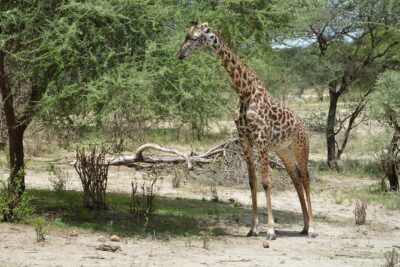
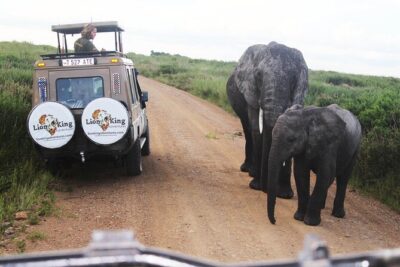
Elephants are one of the park’s major attractions, and you may also see buffalo, giraffe, and other plains animals. The park’s varied settings make it a useful contrast to the wide grasslands of the Serengeti later in the trip.
The drawback is that this is a full day on the road and in the vehicle. An open roof helps you watch the sky and treetops, but eight hours can still feel long. Bring a hat, sun protection, and patience. The best moments in a safari often come after a quiet stretch, not on a timetable.
The long road to Serengeti
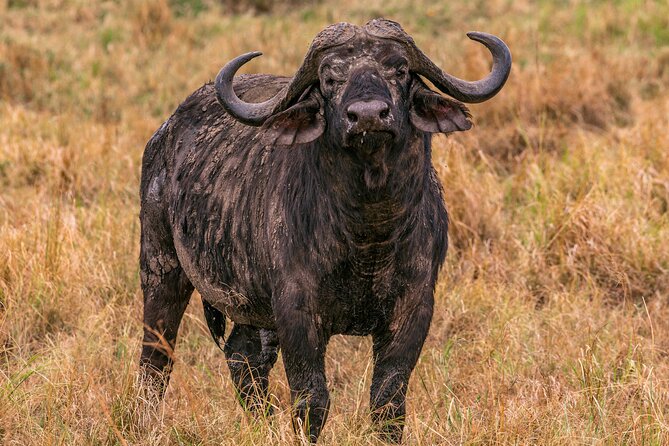
Day 3 takes you toward Serengeti National Park after breakfast. The route takes about eight hours and includes a game drive on the way to camp. This is both a transfer day and a wildlife day, so it will not feel like a simple ride from one hotel to another.
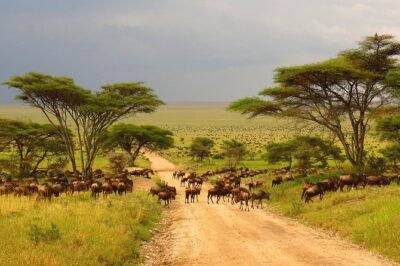
The name Serengeti comes from the Maasai language and means endless plain. That description makes sense once the open country begins to spread around you. The park is famous for the Great Wildebeest Migration, but its value is not limited to one seasonal event. Wildebeest, zebra, antelope, lion, cheetah, and other animals live here year-round.
You can add a Maasai village visit or a stop at Olduvai Gorge, known for its connection to early human history. Both are at your own cost. Olduvai’s museum and archaeological setting add an important human story to a safari otherwise focused on wildlife, but you should confirm the extra price and timing before choosing either stop.
The route from Tarangire to Serengeti is a lot of ground to cover. If you dislike long drives, this is the day to consider carefully. If you want to see the Northern Circuit in one week, the distance is the price of admission.
A change of scene while you are in Arusha:
- Tanzania Classic – 7 Days
★ 5.0 · 1,151 reviews - Materuni Waterfalls, coffee tour & Kikuletwa Hot Springs
★ 5.0 · 643 reviews - 3 Days Serengeti & Ngorongoro Group Camping Safari
★ 5.0 · 574 reviews - 7-Day Premium Luxury Tanzania Safari All-Inclusive
★ 5.0 · 426 reviews
A full Serengeti day for predators and plains animals
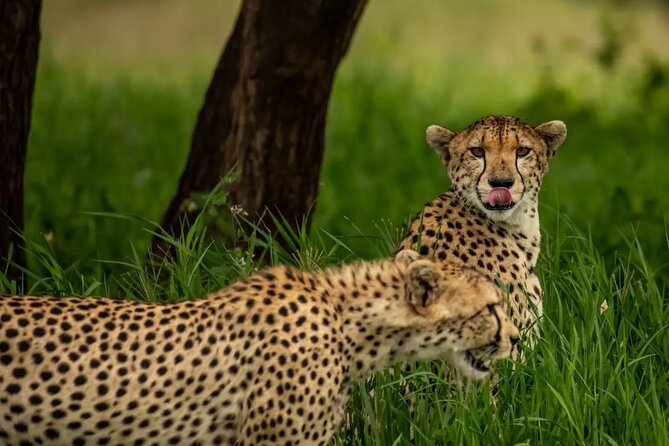
Day 4 is the trip’s most focused wildlife day, with about eight hours of game drives in the Serengeti. You are no longer mainly moving between parks. You have a full day to search for animals and watch how the grassland works.
The scenery changes across the park. You may pass open grass plains, acacia-dotted savanna, wooded grassland, kopjes, and black clay plains. Kopjes are rocky outcrops that break up the flat country and can provide useful lookout points for predators.
This is where the custom 4×4 matters. The open roof gives you a wider view, while the small group means fewer people competing for space. With no more than six people and a window seat for each person, you have a fair chance to photograph animals on either side of the vehicle.
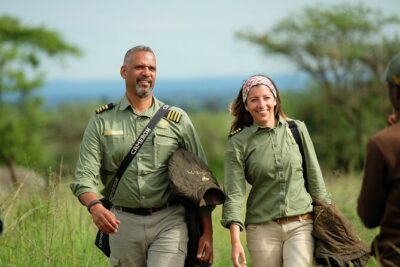
Your guide is central to the day. The supplied details identify the guide as a professional English speaker but do not provide a name, so ask for the assigned guide before departure if that matters to you. A good safari day depends on patient driving, careful spotting, and clear explanations as much as it depends on luck.
The Great Wildebeest Migration is a natural movement, not a scheduled show. The route does not guarantee that you will see a river crossing or a particular herd. Still, the Serengeti gives you one of the best settings on this itinerary for large herds and the predators that follow them.
Ngorongoro Crater and the best rhino possibility
On Day 5, you have a morning game drive while heading toward Ngorongoro Crater, then descend into the crater for more wildlife viewing. The crater is about 600 meters deep, 16 kilometers across, and 265 square kilometers in area. Those numbers help explain why the crater feels so enclosed and immense at the same time.
The open grassland on the crater floor can be a strong place to look for black rhino, one of the most difficult Big Five animals to see. You may also encounter lion, cheetah, eland, zebra, gazelle, and other large mammals. Around Makat Soda Lake, flamingos and other birds may be feeding.
Ngorongoro is special because the scenery and animal viewing arrive together. You get the dramatic crater walls, the broad floor, and a high concentration of wildlife in one setting. It is one of the clearest opportunities on this route to see how geography shapes animal life.
Do not expect the crater to feel empty or private. Its fame brings attention, and the roads can be busy. Your guide’s judgment matters when choosing how long to watch an animal and when to move on. The day again runs about eight hours, so keep water close and expect a full schedule.
After the crater visit, you drive to your lodge for the night. The exact lodge is not named in the available details, so confirm the accommodation standard and location if you want to know how much evening downtime you will have.
Lake Manyara’s forest, lake, and climbing lions
Day 6 takes you to Lake Manyara National Park for another roughly eight-hour day. Set below the Rift Valley escarpment, the park brings a different setting from both the Serengeti and Ngorongoro.
Lake Manyara includes evergreen groundwater forest, acacia woodland, grassy plains, a swampy fan delta, and the lake itself. That variety gives you a fresh animal checklist late in the trip. Look for buffalo, impala, giraffe, bushbuck, waterbuck, hippos, and elephants near the water.
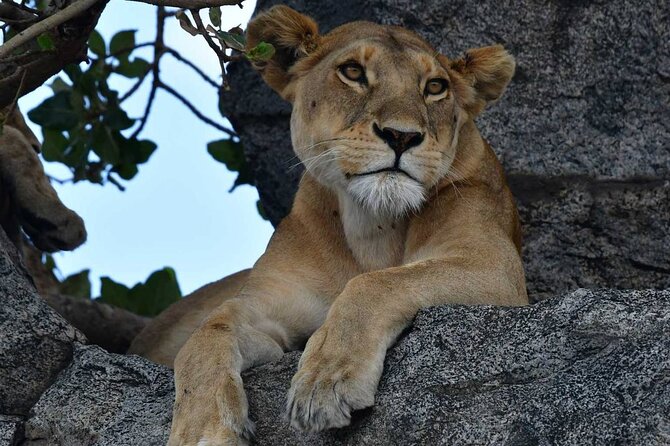
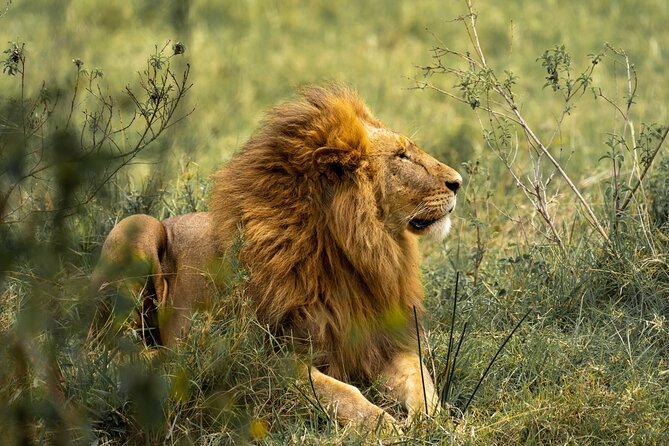
The park is also known for rare tree-climbing lions. A sighting is never certain, but the possibility gives you a reason to scan the branches rather than stare only at the road. Blue monkeys, velvet monkeys, and active olive baboons add movement in the forest.
Lake Manyara is a good final park because it changes the rhythm. After the wide Serengeti and crater floor, the forest and lake edge feel more enclosed and varied. The drawback is again time. You have traveled a long way in six days, and this final game drive may feel tiring if you have not paced yourself.
The small-group vehicle and daily comfort
The maximum group size is 15 people, but the vehicle itself holds no more than six safari passengers. That distinction matters. You may be part of a larger departure, yet the wildlife viewing takes place in a smaller unit.
Every passenger gets a window seat. That is a real advantage when you are photographing wildlife or simply trying to spot a leopard through branches. The open roof gives you a better upward view and makes the vehicle feel less boxed in during game drives.
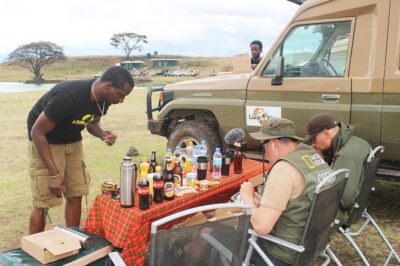
Bottled water is supplied in the safari vehicle. All meals are included, with the schedule listing seven breakfasts, five lunches, and five dinners. Because the exact accommodation schedule is not supplied, ask how meals are handled on the arrival and departure days.
The trip calls for a moderate fitness level. You should be comfortable with repeated vehicle rides, full days of touring, and getting in and out of a safari vehicle. No special high-level physical ability is stated, but this is not a restful hotel holiday.
A responsible approach, with details you should verify
The experience is presented with a sustainable travel approach, but the supplied information does not explain specific conservation, community, waste, or wildlife practices. I would not assume that label tells you enough.
If responsible tourism is important to you, ask the operator direct questions before booking. You can ask how local guides and staff are paid, how the company handles plastic and water use, whether park rules are followed around animals, and how optional Maasai village visits benefit the community. Those answers will tell you more than a broad sustainability label.
The itinerary does include a small-group vehicle, which can reduce the number of people sharing one safari vehicle. It also includes a professional local driving guide, though the details do not give a name. These are useful features, but they are not a full sustainability policy on their own.
Who should book this safari
I would choose this trip if you want the classic northern Tanzania route in one week and value having most major costs bundled together. It suits a first safari, a couple wanting a broad introduction, or a small group that wants a reasonable chance at the Big Five without arranging every park and transfer separately.
It also suits photographers and wildlife watchers who care about vehicle position and personal viewing space. Six people or fewer, open sides, an open roof, and a guaranteed window seat are meaningful advantages.
I would hesitate if you want slow travel, long stays at one camp, or plenty of unplanned free time. The route is ambitious, and the eight-hour days can be tiring. I would also hesitate if you need flexible cancellation, since the experience is non-refundable and cannot be changed after booking.
The trip has a 4.8 rating from 31 ratings and is recommended by 94 percent of past bookers. One detailed Italian account described good daytime weather with rain at night, frequent animal sightings in all the parks, all five Big Five animals, and a guide who was prepared and cheerful. That is encouraging, but weather and wildlife are never guaranteed.
The final morning near Kilimanjaro
Day 7 gives you a morning at leisure before the transfer to Kilimanjaro Airport. The transfer takes about 45 minutes.
This short final day is useful after six busy days. You can have breakfast, organize your bags, and make the airport connection without another park visit squeezed into the schedule. The package includes the airport transfer, but your international flight, visa, insurance, and gratuities remain your responsibility.
Should you book it?
Book this safari if your priority is variety: four major parks, the Big Five, a small vehicle, and a price that includes the costly basics. Tarangire’s elephants, Serengeti’s open plains, Ngorongoro’s rhino country, and Lake Manyara’s forest make a strong seven-day introduction to Tanzania.
Skip it if long drives are a deal breaker or if you want a clearly documented sustainability program. Before paying, confirm the exact lodges, vehicle arrangements, assigned guide, extra costs for Maasai village and Olduvai Gorge visits, and your insurance coverage. If those details suit you, this is a practical classic safari with a strong chance of delivering the wildlife scenes you came to Tanzania to see.
FAQ
How long is the Big Five Classic Safari?
The safari lasts approximately seven days, beginning with airport pickup near Kilimanjaro and ending with a transfer back to Kilimanjaro Airport.
Which national parks are included?
The route includes Tarangire National Park, Serengeti National Park, Ngorongoro Crater, and Lake Manyara National Park.
Is airport pickup included?
Yes. Pickup from Kilimanjaro International Airport and the transfer back to the airport are included.
How many people share a safari vehicle?
The safari vehicle holds a maximum of six safari passengers, and each person has a window seat. The overall activity has a maximum of 15 participants.
Are meals and park fees included?
Yes. The package includes park entry fees, all fees and taxes, meals according to the stated schedule, and bottled water in the safari vehicle.
What is not included in the price?
International flights, a Tanzanian entry visa, travel and health insurance, gratuities, a balloon excursion, and the Maasai village and Olduvai Gorge visits are not included.
Newly listed around Arusha
- 5-Day Private Safari Tour in Tanzania’s Wildlife★ 5.0 · 3 reviews
- 3 Days private safari Tarangire ,Ngorongroro crater &Manyara★ 5.0 · 3 reviews
- 3 Day Sharing Safari – Manyara, Ngorongoro Crater and Tarangire National Parks★ 5.0 · 3 reviews
- Tarangire National Park Day Trip★ 5.0 · 3 reviews
- 2 Days Tarangire and Ngorongoro Crater Tour★ 5.0 · 3 reviews
- 6 -Day Tarangire, Manyara, Serengeti & Ngorongoro★ 5.0 · 3 reviews
- 5 Days Group Camping Safari★ 4.7 · 3 reviews
- 4 Days Tanzania Safari★ 4.5 · 3 reviews
Arusha Tours, compared.
Balloon Safari & Bush Breakfast in Serengeti – Miracle Experience
Read our review →