
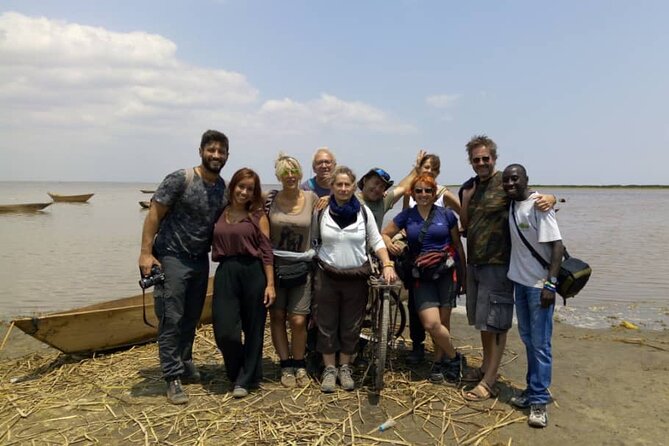
Reviewed · SERENGETI & NGORONGORO SAFARIS
3 Days Tarangire, Lake Manyara and Ngorongoro Crater Tour
Tarangire’s elephant herds and giant baobabs make a strong opening to this three-day safari, but Ngorongoro Crater is the grand finale. From Arusha, you move through three very different park settings in a short time, using an open-roof 4×4 built for wildlife viewing.
I like the practical value here: park fees, meals, bottled water, and soft drinks are included, and the price is $695.90 per person. I also like the small maximum group of seven, with a private tour offered when five or more people book together. The main drawback is the pace. Three parks in three days means long drives and limited time to slow down in any one place, and Serengeti is not part of this route.
Five things to know before you book
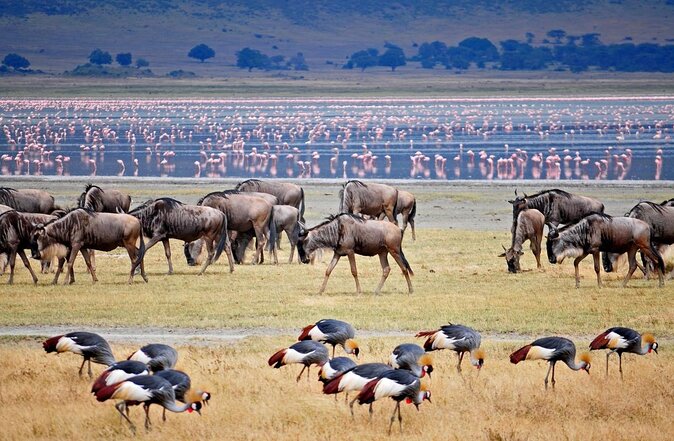
- Tarangire opens the safari with elephants, baobabs, and dry-season herds, especially from June through November.
- Lake Manyara is a strong birding stop, with more than 350 bird species recorded around the lake.
- Ngorongoro Crater includes a full eight-hour visit, with the crater service fee included.
- The open-roof 4×4 improves your view, giving you a better chance to look upward and across the park.
- The maximum group is seven people, while bookings of five or more are described as private tours.
- The tour starts at 7:30 a.m. from Arusha, with pickup available.
Arusha at 7:30 a.m.: the practical starting point
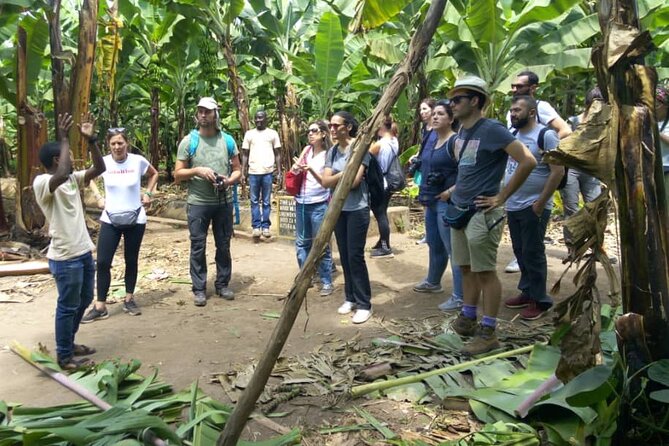
Arusha is the natural launch point for northern Tanzania safaris. The city sits below Mount Meru and serves as a base for trips toward Tarangire, Lake Manyara, Ngorongoro, Serengeti, and Mount Kilimanjaro.
Your pickup begins at 7:30 a.m. The exact pickup details should be confirmed when you book, especially if you are staying outside central Arusha or arranging another transfer. Pickup is offered, but transfers not specifically listed in the itinerary are not included.
The early start matters. This is not a leisurely three-day circuit with long afternoons at your accommodation. Each day is built around reaching a park, spending many hours on safari, and getting to the next overnight stop. If you value seeing a lot in a short period, that works in your favor. If you prefer slow mornings and plenty of time at camp, it may feel brisk.
The vehicle is a long-base 4×4 with an open roof. That design is useful in a safari park because you can look out over the sides and above the vehicle without viewing through a closed window. Bring sun protection, a hat that fits securely, and a light layer for early morning conditions. Those items are practical suggestions rather than supplied equipment, since personal items are not included.
More Serengeti and Ngorongoro itineraries:
- Balloon Safari & Bush Breakfast in Serengeti – Miracle Experience
★ 5.0 · 1,646 reviews - 3 Days Serengeti & Ngorongoro Group Camping Safari
★ 5.0 · 574 reviews - 5-Day Highlights mid-Range Crater, Serengeti, Tarangire
★ 5.0 · 296 reviews
Tarangire: elephants beneath the baobabs
The first park is Tarangire National Park, named for the Tarangire River that crosses it. The park covers about 2,850 square kilometers and includes granite ridges, river valleys, swamps, acacia woodland, Combretum woodland, seasonally flooded grassland, and baobab trees.
The most recognizable Tarangire sight is the baobab. These huge trees give the park a shape and character unlike the other stops on this route. The park is also known for its high density of elephants, so this is the place where you have a particularly good chance of seeing large elephant groups in classic dry-country surroundings.
The itinerary allows about eight hours here. That is enough time for a serious game drive rather than a quick look at the entrance road. You might see zebra, wildebeest, Cape buffalo, and other resident animals, with the strongest concentration of large herds generally expected during the June through November dry season.
That seasonal note matters. Wildlife sightings are never guaranteed, but the dry season can bring large herds toward water sources. Tarangire’s river and swamps help explain why the park remains important to animals when surrounding areas become drier.
The tradeoff is that Tarangire is only the first day. After a full game drive, you still need to continue with the broader circuit and reach your overnight stop. You will see a lot, but you will not have the luxury of spending several days learning every corner of the park.
Lake Manyara: a shorter park with a different mood
Day two is devoted to Lake Manyara National Park, a protected area between the lake and the Great Rift Valley. It covers about 325 square kilometers, including roughly 230 square kilometers of lake surface.
Compared with Tarangire, Lake Manyara is smaller and more water-focused. That change of setting is part of the appeal. Instead of mainly watching dry woodland and open areas, you are looking toward a lake environment where birdlife becomes a central part of the experience.
More than 350 bird species have been recorded at Lake Manyara. You do not need to be a specialist to appreciate that variety. The lake adds movement and color to the drive, and your guide can help explain what you are seeing. Guide Ezekiel is specifically named in the trip information and is praised for explaining animals in clear detail, though guide assignment should be confirmed at booking.
The day is listed at about ten hours, close to a full day in the park. That long schedule gives you time to see more than a brief roadside viewpoint, but it also creates another full day in a vehicle. Afterward, you head back to Manyara town for the night.
Lake Manyara is also the stop where expectations should be handled carefully. The park is famous for its birdlife and varied setting, but the provided details do not promise specific animals or the well-known tree-climbing lions sometimes associated with the area. You should treat any animal sighting as a possibility, not a guarantee.
Ngorongoro Crater: the trip’s big final scene
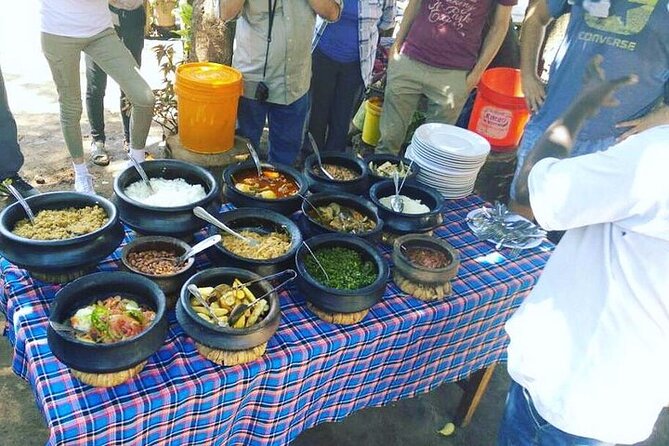
The third day brings you to Ngorongoro Crater, the defining stop on this route. The crater is an inactive, intact, unfilled volcanic caldera. It formed when a large volcano erupted and collapsed two to three million years ago.
The scale is difficult to grasp from a short description. The crater is about 610 meters deep, while the floor covers around 260 square kilometers. The crater floor sits at roughly 1,800 meters above sea level, creating a contained setting where wildlife can often be viewed across open areas.
The itinerary gives Ngorongoro about eight hours, and the crater service fee is included. That inclusion is important because conservation and crater charges can make this stop a costly part of a northern Tanzania safari. Here, the major admission costs are already built into the advertised price.
The crater is a strong last day because it delivers a clear sense of place. You are not simply moving from one game drive to another. The caldera’s steep walls and broad floor create a natural viewing area, and the setting itself becomes as memorable as the animals.
Still, the crater day comes after two demanding safari days. You may be tired by then, especially if you have not slept well or are not used to long drives. The reward is the chance to end with one of Africa’s most distinctive natural formations rather than a routine transfer back to Arusha.
More three day trips in Arusha:
- 3-Day Classic Serengeti Safari
★ 5.0 · 263 reviews - 3 Day Serengeti National Park & Ngorongoro Crater Camping Safari
★ 5.0 · 142 reviews - 3 Days Tarangire, Ngorongoro & Lake Manyara Group Camping Safari
★ 5.0 · 102 reviews - 3 Days Private Safari – manyara, Ngorongoro & Tarangire
★ 5.0 · 94 reviews
What the $695.90 price really covers
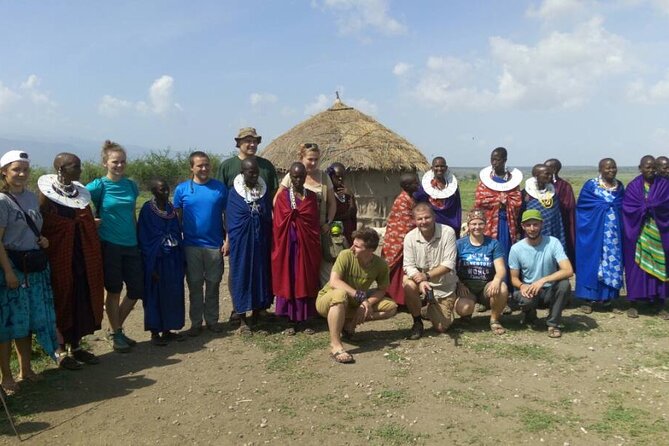
At $695.90 per person, this tour offers solid value for a short northern Tanzania safari, mainly because several large expenses are included:
- Tarangire and Lake Manyara park entry fees
- Ngorongoro Crater service fees
- Two breakfasts
- Three lunches
- Two dinners
- 1.5 liters of bottled water per day
- Soft drinks
- The long-base open-roof 4×4
- Government taxes
The word included matters here. Park charges, crater fees, meals, transport, and taxes can quickly turn a low advertised safari price into a much higher final bill. This package reduces that uncertainty.
You still need to budget for international airfare, a Tanzanian visa, health insurance, medical evacuation cover, personal purchases, tips, porterage, and any extra accommodation or transfer not listed. Those are not minor details for every traveler, so read the inclusions carefully before comparing this tour with another three-day option.
The price is especially appealing if you want the major highlights around Arusha without paying for a longer Serengeti route. It is less suitable if your main goal is the Serengeti, since that park is not included. The operator says it can discuss a different itinerary if you want Serengeti or another park instead.
Small-group comfort and the private-tour detail
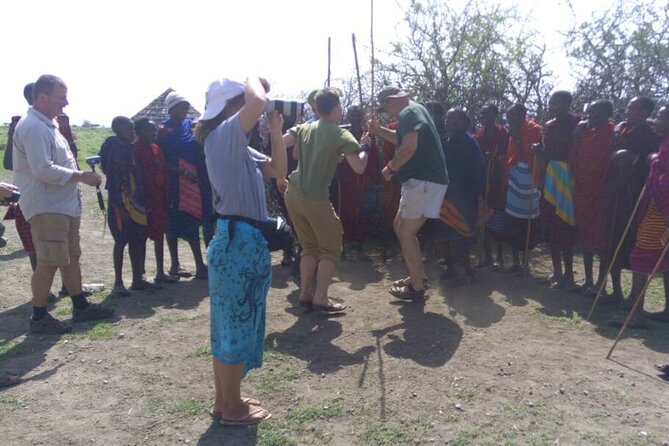
The maximum group size is seven people. That is a useful limit in a safari vehicle, where personal space and window or roof positions affect how easily you can watch animals and take pictures.
The tour also says it becomes private when five or more people book. Because the same information lists a maximum of seven participants, I would ask the operator to confirm exactly how the private arrangement works for your group and whether the vehicle is reserved only for your party.
Small-group travel can make the guide’s explanations easier to follow. It can also make stops less awkward than they are in a large coach. On the other hand, a shared safari requires patience. People may have different interests, different photography habits, or different ideas about how long to watch an animal.
The positive reports about the guides focus on teaching. Ezekiel is praised for explaining the animals in detail, while Sam is described as helping arrange a joining safari for an individual guest. That suggests the company handles both private and shared departures, but you should request the setup you want rather than assume a private vehicle is automatic.
How much Tanzanian culture will you experience?
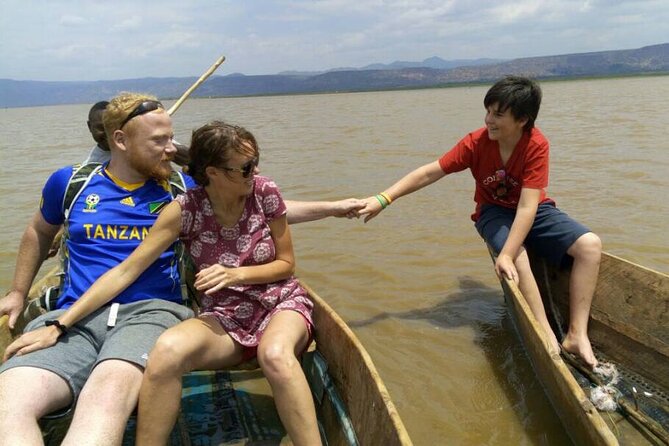
The tour description presents the experience as a way to understand Tanzanian culture while enjoying nature and wildlife. The schedule itself, however, is centered on national parks, driving, meals, and accommodation.
You will get contact with the country through your guide, the roads between Arusha and the parks, the towns along the route, and the practical rhythm of a local safari operation. The guides are expected to explain what you see, and the strongest praise is directed at their teaching and care.
What is not listed is a dedicated village visit, museum stop, cooking lesson, market tour, or cultural performance. If those experiences matter to you, ask if they can be added or arranged separately. That is a fair question, especially because the three-day schedule has little spare time.
Meals, water, and daily comfort
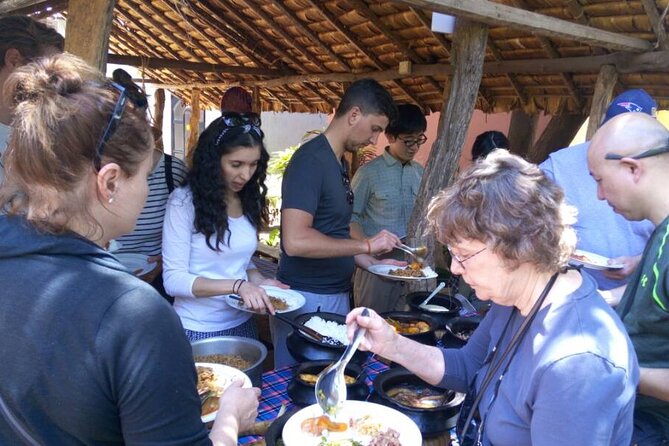
Two breakfasts, three lunches, and two dinners are included. That covers the main food needs during the tour, so you do not have to plan every meal independently.
You also receive 1.5 liters of bottled water per day and soft drinks. In a warm safari vehicle, that water allowance is useful, but you may want to ask whether you can purchase or bring more if you drink heavily in hot weather. Personal items are not included, so snacks and other preferences are your responsibility.
Accommodation is part of the schedule because you sleep in Manyara town after day two, but the supplied details do not name the accommodation or describe its room type. Extra accommodation beyond what is specified is not included. Ask for the exact lodging plan before paying if room standards or location matter to you.
Who should choose this three-day route?
I would recommend this safari to you if you have limited time in northern Tanzania and want a compact introduction to three major wildlife areas. It suits people who want a mix of elephants, baobabs, lake birdlife, and the dramatic Ngorongoro setting without building a longer itinerary.
It is also a sensible choice for a first safari from Arusha. The route gives you different environments rather than repeating the same type of park for three days. The included fees and meals make the cost easier to understand.
You should think twice if Serengeti is the main reason you came to Tanzania. You should also consider a longer trip if you dislike long drives or want time for unhurried wildlife watching. This route is efficient, not slow.
Most participants can take part, according to the supplied information. The tour is near public transportation, and a mobile ticket is provided. Those details help with basic access, but they do not explain vehicle boarding, mobility equipment, or medical support, so ask direct questions if you have access needs.
Booking advice, timing, and cancellation
Confirmation is received at the time of booking. The advertised start time is 7:30 a.m., and pickup is offered.
Free cancellation is available if you cancel at least 24 hours before the local start time. A cancellation made less than 24 hours before departure is not refunded, and changes inside that window are not accepted. The tour also requires a minimum number of participants. If that minimum is not reached and the company cancels, you are offered another date or experience, or a full refund.
Those terms are fairly clear, but the minimum group rule makes it worth confirming the departure status if your plans are tight.
Should you book this safari?
Book it if you want three major northern Tanzania stops in three days, value an open-roof 4×4, and prefer a price that already includes park fees, meals, water, taxes, and crater charges. The best reasons to choose it are Tarangire’s elephants and baobabs, Lake Manyara’s birdlife, and Ngorongoro’s remarkable volcanic setting.
Do not book it expecting Serengeti, a dedicated cultural program, or a relaxed schedule. Ask about your guide, accommodation, pickup point, and whether a booking of five or more will be fully private.
For a short safari from Arusha, this is a strong, practical route. It packs in a lot, and the careful wildlife explanations associated with guides such as Ezekiel can make the difference between simply spotting an animal and understanding what you are looking at.
FAQ
How long is the Tarangire, Lake Manyara, and Ngorongoro tour?
The tour lasts approximately three days. Tarangire is scheduled for about eight hours, Lake Manyara for about ten hours, and Ngorongoro Crater for about eight hours.
What time does the tour start?
The stated start time is 7:30 a.m. Pickup is offered from Arusha.
Is the tour private?
The tour information says it is private when five or more people book. The maximum group size is seven participants. Confirm the exact arrangement with Allday In Africa Limited when booking.
What is included in the price?
The price includes park entry fees, Ngorongoro Crater service fees, a long-base open-roof 4×4, government taxes, bottled water, soft drinks, two breakfasts, three lunches, and two dinners.
Is Serengeti National Park included?
No. The listed route visits Tarangire National Park, Lake Manyara National Park, and Ngorongoro Crater. You can contact the operator about a Serengeti or alternative itinerary.
Can I cancel for a full refund?
Yes, if you cancel at least 24 hours before the experience start time. Cancellations or changes made less than 24 hours before departure are not accepted for a refund.
Newly listed around Arusha
- 5-Day Private Safari Tour in Tanzania’s Wildlife★ 5.0 · 3 reviews
- 3 Days private safari Tarangire ,Ngorongroro crater &Manyara★ 5.0 · 3 reviews
- 3 Day Sharing Safari – Manyara, Ngorongoro Crater and Tarangire National Parks★ 5.0 · 3 reviews
- Tarangire National Park Day Trip★ 5.0 · 3 reviews
- 2 Days Tarangire and Ngorongoro Crater Tour★ 5.0 · 3 reviews
- 6 -Day Tarangire, Manyara, Serengeti & Ngorongoro★ 5.0 · 3 reviews
- 5 Days Group Camping Safari★ 4.7 · 3 reviews
- 4 Days Tanzania Safari★ 4.5 · 3 reviews
Serengeti & Ngorongoro Safaris, compared.


Balloon Safari & Bush Breakfast in Serengeti – Miracle Experience
Read our review →




Private 6-Day Tarangire Manyara Crater and Serengeti with Mid-Range Lodges
Read our review →
5 Days Camping Tarangire, Serengeti & Ngorongoro crater & Visiting Maasai
Read our review →Browse the lists this tour appears in