
Reviewed · SERENGETI & NGORONGORO SAFARIS
3 Days Serengeti & Ngorongoro Tour
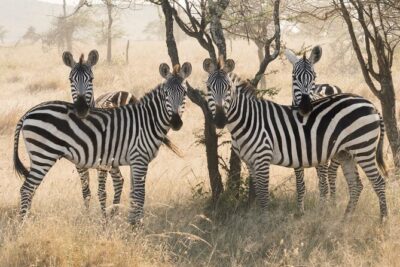
The best part of this safari is the sharp contrast between Serengeti’s endless grasslands and the enclosed world of Ngorongoro Crater. In three busy days, you get big-cat country, a crater-edge sunset, and a chance to see elephants, lions, zebras, wildebeests, buffalo, and perhaps rhinos.
I like the small maximum group of six, which gives you more room to ask questions and a better chance of getting the guide’s attention. I also like that camping and full-board meals are included, keeping the price at $800 per person fairly reasonable for two major parks. The trade-off is time: long drives and early starts leave little space for rest.
Key points to know before booking
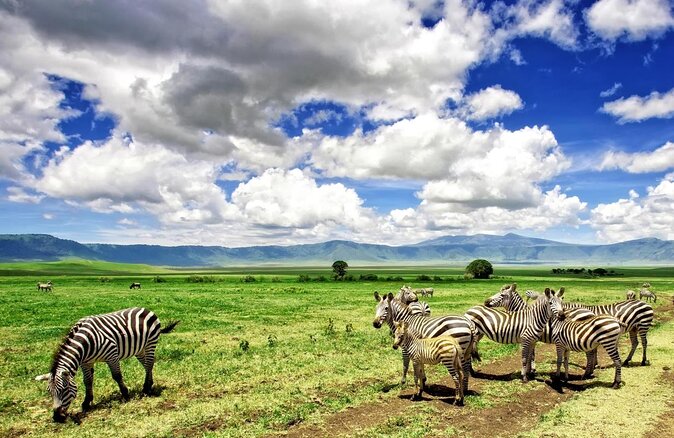
- Seronera is the wildlife heart of the trip: The central Serengeti area is known for big cats, wildebeests, zebras, and open views.
- Ngorongoro Crater adds a different kind of safari: A single crater visit can bring many species into one compact setting.
- Camping is part of the appeal: You sleep in the Seronera Valley and at Simba Campsite on the crater rim.
- The group is capped at six: That is small enough for personal attention without the cost of a private safari.
- The schedule is tight: Each day is listed at about six hours, but the route includes substantial movement between parks.
- Guide quality matters: Past bookings have praised guides such as Francis, Hassan, Bakarai, Amani, and Dio, along with cooks including Safiri and Raymond. Ask who is assigned before you leave.
Two famous parks in three demanding days
This is a short safari with a serious itinerary. You begin at Kilimanjaro International Airport at 12:30 am, then head toward the parks. The route is built for people who want the core northern Tanzania safari without committing to a longer circuit.
The two main destinations are UNESCO World Heritage sites, but they offer very different scenery and animal viewing. Serengeti gives you wide horizons and the feeling of watching nature unfold across enormous space. Ngorongoro gives you a concentrated wildlife setting inside a vast volcanic caldera.
At $800 per person, the package includes camping accommodation and full board. That makes the price easier to justify than a bare transport-and-game-drive package. You are paying for access to two major parks, a guide and driver, camping, meals, and the convenience of having the route organized.
Still, you should not mistake this for a relaxed holiday. You will spend plenty of time in the safari vehicle, and the early airport pickup means the first day begins before most people would call it morning. If you have only a few days in Tanzania, the pace is useful. If you want slow mornings and long stays in one area, choose a longer safari.
More Serengeti and Ngorongoro itineraries:
- Balloon Safari & Bush Breakfast in Serengeti – Miracle Experience
★ 5.0 · 1,646 reviews - 3 Days Serengeti & Ngorongoro Group Camping Safari
★ 5.0 · 574 reviews - 5-Day Highlights mid-Range Crater, Serengeti, Tarangire
★ 5.0 · 296 reviews
Day 1: Entering Serengeti through the endless plains
The Maasai name Siringitu means endless plains, and the southern Serengeti makes the meaning clear. Grassland runs toward the horizon, broken by kopjes, the weathered granite outcrops that rise from the flat ground.
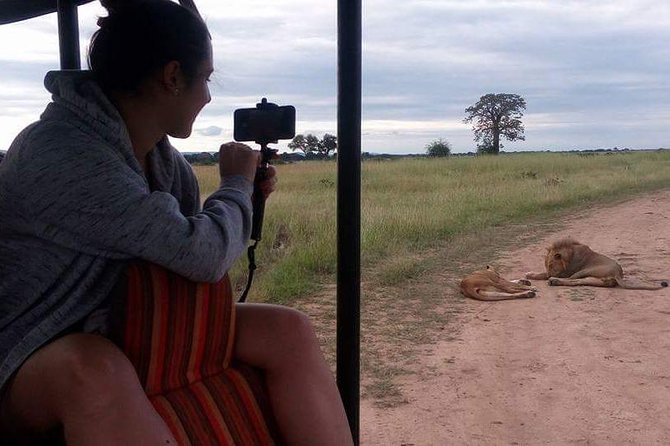
These rocks are more than scenic details. They give lions and other animals places to rest and scan the plains. The open country also gives you a good chance of seeing big cats from the vehicle’s open roof, although wildlife sightings are never guaranteed.
The first game-drive period lasts about six hours. That sounds manageable, but the day also involves getting to Serengeti and reaching the Seronera Valley in central Serengeti by afternoon. You should expect a full day rather than six quiet hours of watching animals.
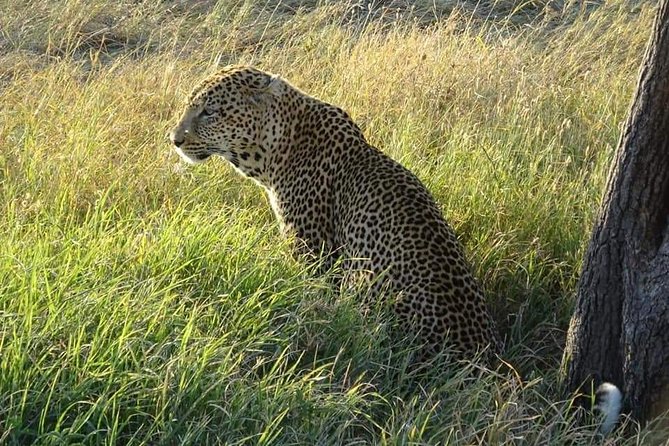
Seronera is a strong place to spend the first night. The valley is known for its concentration of wildlife, including lions, leopards, cheetahs, wildebeests, and zebras. The mix of open grass and rocky outcrops gives your guide different places to search.
You camp in the Seronera area. Camping keeps the tour affordable and gives the trip a closer connection to the setting, but it is not the right fit for anyone who needs hotel comforts every night. The supplied feedback points to large tents and comfortable mattresses on at least some departures, though your exact setup should be confirmed before booking.
Day 2: More Serengeti, then the crater rim
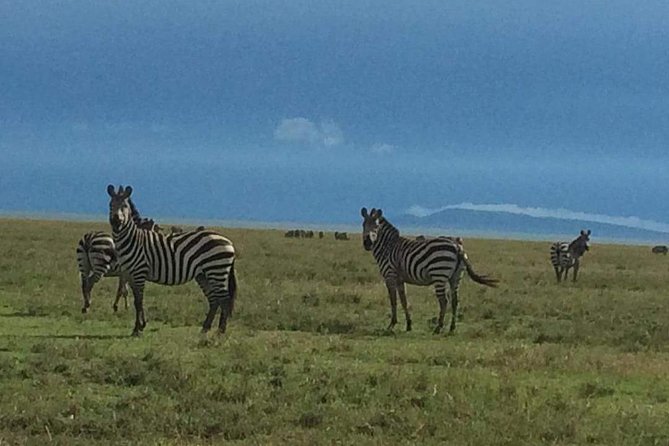
After breakfast, you continue the game drive through Serengeti. The Seronera Valley is again the main focus, with the possibility of seeing large groups of wildebeests and zebras, plus lions, leopards, and cheetahs.
This is the day when your guide’s skill matters most. A good guide can explain the ecosystem, help you understand animal behavior, and decide where to spend time without turning every sighting into a rushed checklist. Several guides connected with this operator have received strong praise for safe driving, animal knowledge, patience, and effort to find requested species.
Lunch is taken at a picnic site before you leave the central Serengeti. A full-board arrangement is useful here because you are not stopping to search for restaurants. Past bookings have also praised the cooking, with names such as Safiri and Raymond mentioned for well-prepared meals.
The afternoon drive takes you toward Ngorongoro. When you reach the crater edge, the view changes at once. The caldera opens below you, and the camping location at Simba Campsite gives you a memorable sunset setting.
This transfer is one of the practical compromises of the tour. You are moving between two parks rather than spending a second full day in Serengeti. That means you may leave the plains just as the day is still active, but it allows you to make the most of the crater on Day 3.
At the crater rim, temperatures can feel different from the warmer plains. Pack a warm layer for the evening and early morning. The tour data does not specify the exact tent facilities, so ask about toilets, showers, bedding, and power if those details matter to you.
Day 3: Wildlife inside Ngorongoro Crater
The final day starts at daybreak. After breakfast, you drive down into Ngorongoro Crater for a game drive across grassland and through acacia woodland.
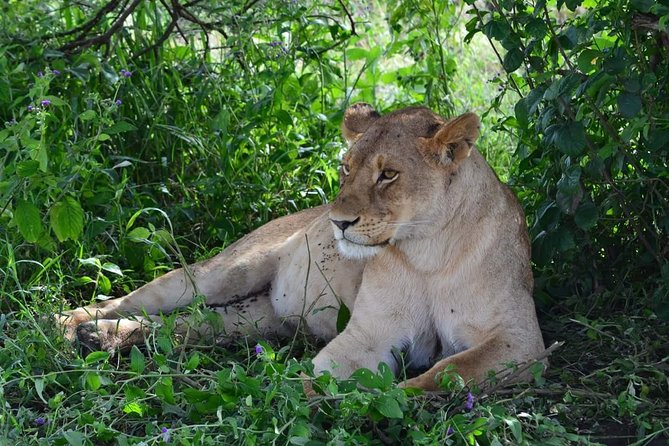
Ngorongoro is the largest unbroken caldera, and its enclosed setting helps explain why animal viewing can be so productive. In a few hours, you might see lions, elephants, buffalo, rhinos, and leopards, sometimes called the Big Five. The area also supports many other East African savannah species.
There are some important limits. Giraffes, topis, and impalas are not found in the crater according to the supplied description, so do not expect every Serengeti species here. Rhino sightings can also be distant. One booking reached all of the Big Five but saw rhinos from far away, which is a useful reminder that seeing an animal and getting a close view are not the same thing.
The crater provides a different type of safari from Serengeti. You are not looking across an apparently endless plain. Instead, the caldera creates a compact setting where grassland and acacia areas hold a wide mix of wildlife. For a short trip, that concentration is valuable.
After the crater visit, you drive to a hotel in Arusha for the night. The schedule notes that a flight home may be possible that night or the following day, but you should not book a tight connection without confirming the actual return time with the operator. The day begins early and includes the crater drive and the return journey.
More three day trips in Arusha:
- 3-Day Classic Serengeti Safari
★ 5.0 · 263 reviews - 3 Day Serengeti National Park & Ngorongoro Crater Camping Safari
★ 5.0 · 142 reviews - 3 Days Tarangire, Ngorongoro & Lake Manyara Group Camping Safari
★ 5.0 · 102 reviews - 3 Days Private Safari – manyara, Ngorongoro & Tarangire
★ 5.0 · 94 reviews
Why the small group matters
The maximum group size is six. That is one of the strongest practical features of the trip.
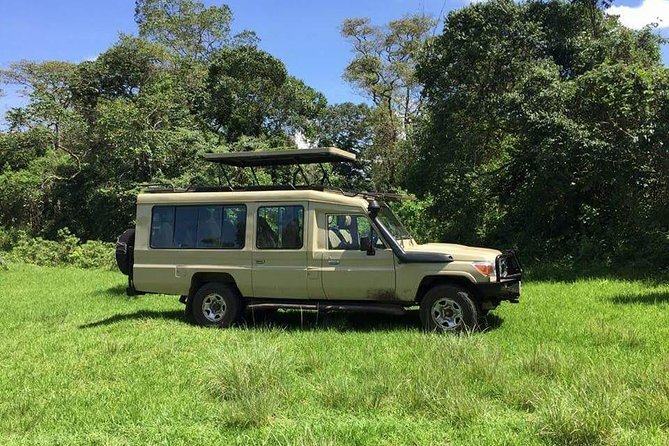
A smaller vehicle group usually makes it easier to ask questions, hear the guide, and discuss where to stop. It also reduces the chance that every moment becomes a negotiation among a large busload of people. If you care about photography, a small group can make window and roof-hatch space easier to manage, though the exact vehicle layout is not given.
The tour may combine people who booked separately. That can create a pleasant social atmosphere, but it also means you do not fully control the group’s pace or personalities. If you are booking alone, this setup can be a good way to meet people. If you are traveling with family or a private group, ask about exclusive use of the vehicle.
The company owner, Humphrey, has been praised for answering questions before arrival and for helping adjust plans when flight times changed. That kind of communication matters on a safari, where airport transfers, park timing, and weather can affect the day. It is still wise to get the final pickup time, accommodation details, and inclusions in writing.
Guides, cooks, and the human side of the safari
The strongest praise centers on the people running the trip. Humphrey is repeatedly described as responsive and helpful, both during planning and when plans changed. Drivers and guides named in past bookings include Francis, Hassan, Bakarai, Amani, and Dio.
Francis receives especially warm attention for safe driving, effort in finding animals, and a friendly manner. Bakarai is praised for taking guests to productive areas, while Hassan and Dio are associated with strong guiding and a good group atmosphere. These names are useful when you contact the operator, but they should not be treated as a guarantee that one particular person will lead your departure.
The cooks also play a large part in a camping safari. Meals are included, and past departures have praised the food and the cooks’ professionalism. That matters because you will be away from restaurants for much of the route, and a dependable meal after a long drive makes the day easier.
There is also a caution. Most of the supplied feedback is strongly positive, but one repeated complaint describes poor service. The details are incomplete, so I would not use it to judge the whole operation. I would use it as a reason to confirm the exact schedule, vehicle, sleeping arrangements, airport transfer, and contact person before paying.
Is $800 good value?
For a three-day safari covering Serengeti and Ngorongoro, $800 per person sits in the budget-to-midrange shared-safari category based on what is included here. The value comes from combining two expensive-to-reach parks with camping, meals, transport, guiding, and a small group.
The price works best if you are comfortable with basic accommodation and a busy route. You are not paying for luxury lodges or a private vehicle. You are paying for access, logistics, and a chance to see a great deal in a short time.
I would compare the inclusions carefully before booking. Confirm whether park fees, airport pickup, the Arusha hotel, camping equipment, drinking water, and transfers are included, since the supplied details clearly name camping and full board but do not spell out every cost.
The tour is also booked, on average, 16 days ahead. That is not a rule, but it suggests you should avoid leaving arrangements until the last minute, especially if your flight schedule is fixed.
Who should choose this safari?
I would recommend it for a first safari visitor with limited time, a solo person who likes joining a small group, or a couple who wants the major northern Tanzania highlights without paying for a private itinerary.
It also suits you if you enjoy camping, early starts, and long vehicle days. The reward is variety: kopjes and wide plains in Serengeti, a crater-rim sunset, and a final game drive in Ngorongoro.
I would choose something longer if you want more time in Serengeti, have a strong interest in the Great Migration, or prefer a slower pace. The itinerary does not state a seasonal wildlife calendar, so ask how the route changes during your travel dates.
Pickup is offered from Kilimanjaro International Airport, and the activity ends back at the meeting point after the Arusha return. The tour is listed as suitable for most people and is near public transportation, but the 12:30 am start and camping conditions make it sensible to ask about any personal mobility or comfort concerns.
Should you book the three-day route?
Book it if your priority is seeing Serengeti and Ngorongoro in a compact, organized trip. The small group, full-board camping, strong personal attention from the operator, and repeated praise for guides and food give the package real value.
Think twice if you dislike rougher accommodation, cannot handle long drives, or need a guaranteed close view of the Big Five. Wildlife is unpredictable, and even a successful safari may leave you viewing a rhino from a distance.
Before confirming, ask who will guide the departure, whether the vehicle is exclusive or shared, what the tent setup includes, and how late you can safely return to Arusha for a flight. If those answers fit your needs, this is a practical way to get a genuine taste of Tanzania’s two headline parks without stretching the trip beyond three days.
FAQ
How long is the safari?
The tour lasts approximately three days. Each listed park day includes about six hours of activity, along with driving between the destinations.
Where does the tour start?
Pickup starts at Kilimanjaro International Airport on Kilimanjaro Airport Road in Tanzania.
What time is pickup?
The listed start time is 12:30 am.
Where does the safari end?
The activity ends back at the meeting point after the return to Arusha.
How many people can join?
The maximum group size is six people.
Is camping included?
Yes. Camping accommodation is included, with a night in the Seronera Valley and a night at Simba Campsite on the Ngorongoro Crater edge.
Are meals included?
Yes. Full-board meals are included.
Can I cancel for a full refund?
Yes, if you cancel at least 24 hours before the experience start time. Cancellations made less than 24 hours ahead, or changes made within that period, are not accepted for a refund.
Newly listed around Arusha
- 5-Day Private Safari Tour in Tanzania’s Wildlife★ 5.0 · 3 reviews
- 3 Days private safari Tarangire ,Ngorongroro crater &Manyara★ 5.0 · 3 reviews
- 3 Day Sharing Safari – Manyara, Ngorongoro Crater and Tarangire National Parks★ 5.0 · 3 reviews
- Tarangire National Park Day Trip★ 5.0 · 3 reviews
- 2 Days Tarangire and Ngorongoro Crater Tour★ 5.0 · 3 reviews
- 6 -Day Tarangire, Manyara, Serengeti & Ngorongoro★ 5.0 · 3 reviews
- 5 Days Group Camping Safari★ 4.7 · 3 reviews
- 4 Days Tanzania Safari★ 4.5 · 3 reviews
Serengeti & Ngorongoro Safaris, compared.
Balloon Safari & Bush Breakfast in Serengeti – Miracle Experience
Read our review →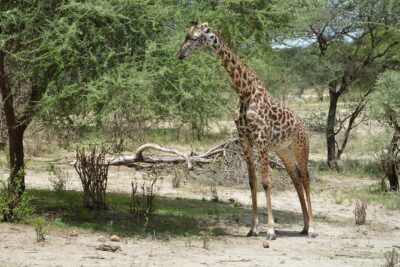
Private 6-Day Tarangire Manyara Crater and Serengeti with Mid-Range Lodges
Read our review →
5 Days Camping Tarangire, Serengeti & Ngorongoro crater & Visiting Maasai
Read our review →Browse the lists this tour appears in