
Reviewed · ARUSHA TOURS
12 Days Amazing Tanzania Wildlife and Cultural Experience
The most unusual part of this 12-day Tanzania safari is its balance. You get the big wildlife parks, from elephant country in Tarangire to the open plains of Serengeti, but you also spend a full day with the Hadzabe and Datoga communities around Lake Eyasi. That gives the trip more human texture than a park-only route.
I like the private 4×4 format, since your group can focus on wildlife at its own pace, and I like the careful north-Tanzania route, which links Arusha, Tarangire, Serengeti, Ngorongoro, and Lake Manyara without wasting days on unrelated detours. The main caution is the price, $8,660 per person, and the long driving and game-drive days. This is a full safari schedule, not a relaxed resort holiday.
Key things to know before booking
- A rare culture-and-wildlife mix: Lake Eyasi brings you close to Hadzabe hunting traditions and Datoga blacksmith work.
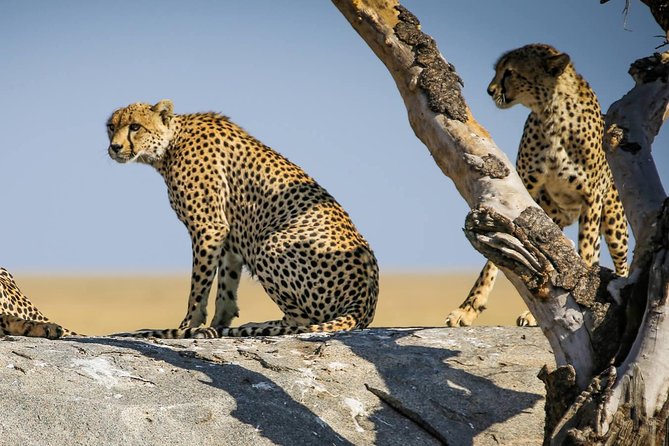
- Three full wildlife areas receive serious time: Tarangire gets two full game-drive periods, while Serengeti gets a full day plus additional drives.
- The private group setup matters: Only your own party participates, which gives the trip a more personal feel.
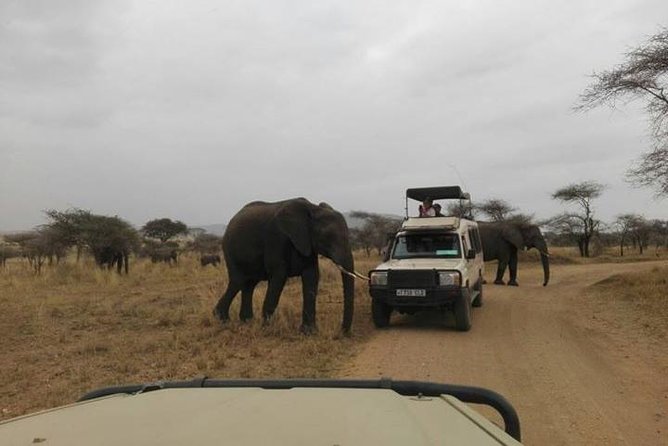
- The safari vehicle is built for viewing: The 4×4 has a roof that opens for wildlife watching.
- Meals and lodging are largely covered: Accommodation, airport transfers, taxes, 11 breakfasts, 11 lunches, and 10 dinners are included.
- The schedule is active: Several days run six to twelve hours, with early starts and long transfers between parks.
Why this route works for a first Tanzania safari
This trip uses Tanzania’s northern circuit as a connected story. You begin around Arusha, move into elephant country at Tarangire, spend time in the Serengeti, visit Ngorongoro, and finish near Lake Manyara before returning to Arusha.
I like this order because it builds variety quickly. Arusha National Park gives you mountain scenery and a gentle introduction to safari routines. Tarangire then brings larger elephant herds and a different setting. Serengeti supplies the grand scale, while Ngorongoro concentrates wildlife into a smaller area. Lake Eyasi and Mto wa Mbu add cultural visits that break up the game drives.
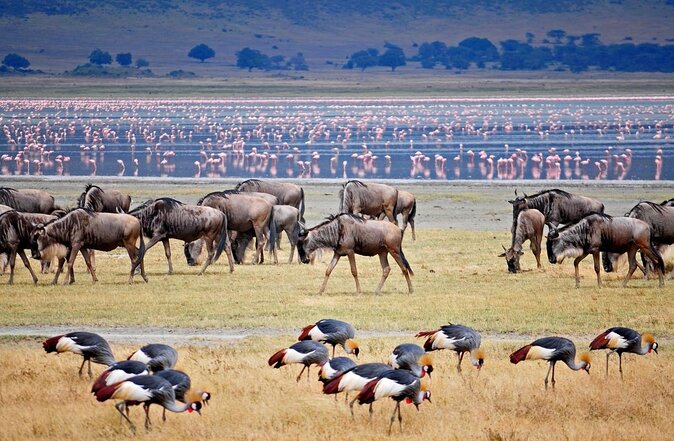
The famous wildebeest migration is part of the appeal of Serengeti, but the exact wildlife experience depends on the season and location of the animals. The schedule includes Serengeti, not a guarantee of seeing the migration itself, so I would book this for the park’s wildlife and scenery first.
This is a private activity, so only your group takes part. That is useful for families, couples, or friends who want to ask questions, adjust the pace where possible, and share the vehicle with people they already know. The published start time is 8:30 a.m., although some days begin earlier because of the planned morning drives.
More Wildlife Tours in Arusha
- Tanzania Wildlife Encounters – 6 Days
★ 5.0 · 277 reviews - 6 Day Tanzania Wildlife Mid range Safari
★ 5.0 · 54 reviews - 5 Days 4 Nights Tarangire, Serengeti , Ngorongoro & Manyara Wildlife Safari
★ 5.0 · 40 reviews
Day 1: Arusha gives you a soft landing
Your first day begins with an airport meeting and a transfer into Arusha. The planned city time is about three hours, with optional stops such as a Maasai craft market, Tanzanite museums, and a local market.
I would keep this day flexible. After an international flight, you may want nothing more ambitious than a shower, food, and an early night. If you arrive with energy, the city options offer a useful introduction to local commerce and Tanzanian crafts before the parks take over.
Airport transfers are included, which removes one early practical worry. One past booking included a guide named Isaack meeting the party at KIA and taking them to the hotel, but you should confirm your own guide’s name and arrival arrangements before departure.
Day 2: Arusha National Park starts the wildlife portion
At about 8:30 a.m., you leave your hotel for Arusha National Park. The day allows roughly seven hours for a game drive, with optional walking and canoe activities.
Arusha National Park is a smart opening stop because it offers more than animals. Its appeal includes beautiful scenery, and the optional walks and canoe safari can change the rhythm from sitting in a vehicle. Those activities are not the core daily program, so ask Simba Adventures in advance if you want to add one.
This first park also lets you learn how the 4×4 works, how the roof opening affects viewing, and how your guide handles stops. That may sound small, but it makes later, longer safari days easier.
Days 3 to 5: Tarangire brings the elephants
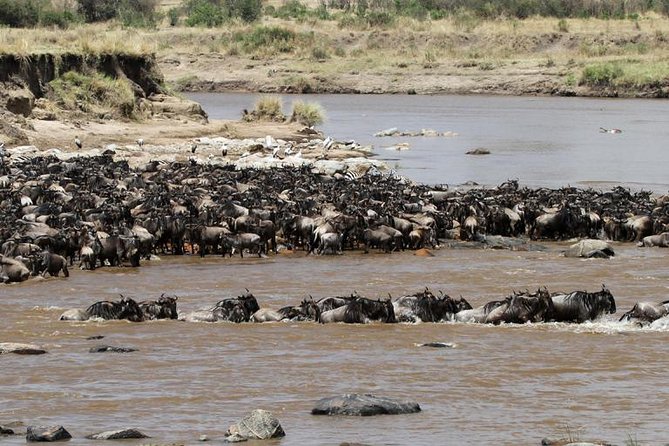
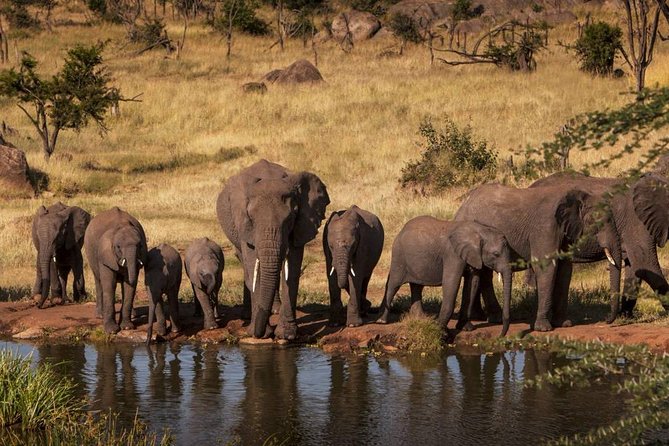
After breakfast on Day 3, you travel to Tarangire National Park for an afternoon and sunset game drive. The planned park time is about six hours.
Tarangire is known for its large elephant herds, and it gives you a strong chance to see how wildlife gathers around water and feeding areas. The afternoon-to-sunset timing is useful because it avoids making the first day an all-day push after the transfer.
Day 4 is the workhorse: a full 12-hour game-drive day in Tarangire. Pack patience. A full day gives your guide more room to search for animals and respond to sightings, but it also means heat, dust, and long periods in the vehicle. Bring water, sun protection, and a light layer for changing temperatures.
On Day 5, you take an early morning drive, return for lunch, and then leave for Lake Eyasi for the night. The early start is worthwhile because morning is a key part of the safari schedule, but this is another day with a lot of movement. The reward is a change from classic park viewing to a community-focused stay.
A change of scene while you are in Arusha:
- Balloon Safari & Bush Breakfast in Serengeti – Miracle Experience
★ 5.0 · 1,646 reviews - Tanzania Classic – 7 Days
★ 5.0 · 1,151 reviews - 4 Days Group Camping Safari
★ 5.0 · 1,101 reviews - 5 Days Group Camping Safari
★ 5.0 · 730 reviews
Day 6: Lake Eyasi adds real cultural contact
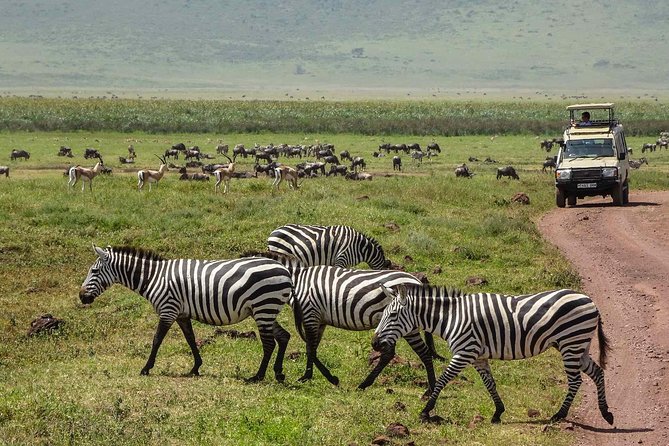
Lake Eyasi receives a full day, which is one of the strongest features of this package. You visit the Hadzabe, described in the program as bushmen, and learn about hunting in the bush. You also meet Datoga people and see blacksmith eco-cultural activities.
This is not a quick roadside photo stop. The schedule gives you up to 12 hours, so the cultural portion has room to feel like a central part of the trip rather than an afterthought. I value that balance. Wildlife safaris can become a string of animal sightings and lodge meals, while Lake Eyasi asks you to pay attention to how people live and work.
Approach this day with respect and curiosity. You are visiting communities, not entering a staged theme park. Ask before taking photographs, listen to the guide’s explanations, and treat the hunting and metalwork demonstrations as living practices rather than entertainment alone.
Food restrictions should be reported at booking. Breakfast, lunch, and dinner coverage varies by day, with 11 breakfasts, 11 lunches, and 10 dinners included across the package. Drinks are not included, so budget for beverage purchases.
Days 7 to 9: Serengeti earns the long transfer
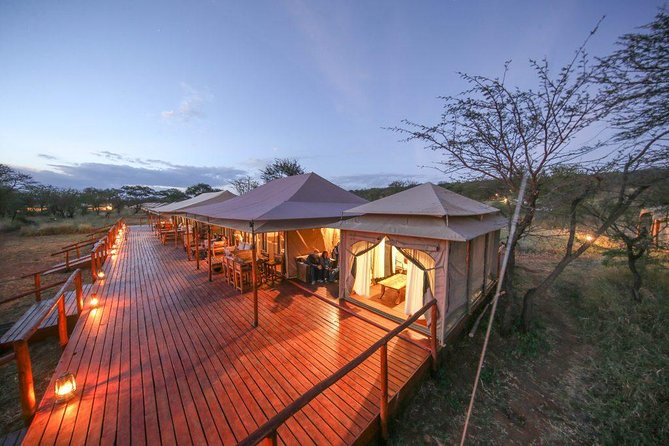
After breakfast on Day 7, you drive to Serengeti for an afternoon and sunset game drive. The planned drive and park time is about five hours, giving you a first look without trying to cover the entire park in one afternoon.
Serengeti is the centerpiece for many people, thanks to its wide plains, large animal populations, and association with the annual wildebeest migration. I would keep expectations sensible. The park is enormous, and wildlife locations change. Your guide’s ability to read the area and communicate with other vehicles can matter, but no schedule can promise a particular animal.
Day 8 is a full 12-hour game drive in Serengeti. This is where the private format has real value. Your own group can settle into the long day, and you are not sharing the vehicle with strangers who have different priorities.
Bring a camera with spare batteries, keep your expectations open, and accept that some of the best moments may involve waiting quietly. A safari is not a conveyor belt of sightings. The open-roof vehicle gives you a better viewing position, but it also leaves you exposed to sun and dust.
On Day 9, you take a half-day drive before moving toward Ngorongoro for the night. This is a practical transition day. You still get more Serengeti time, but you avoid trying to combine a full park day with the move to the crater area.
Day 10: Ngorongoro packs wildlife into six hours
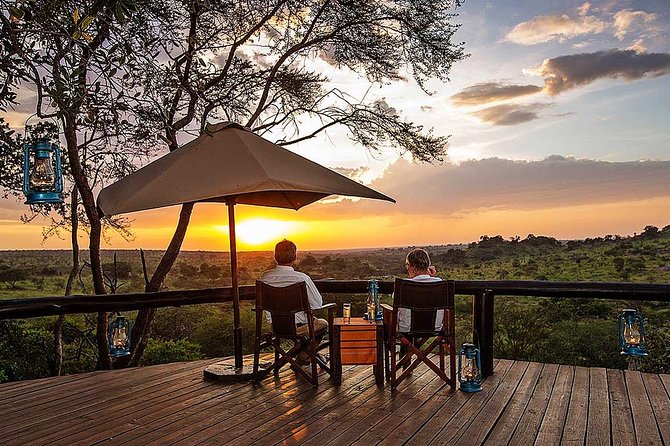
Day 10 starts with an early breakfast and entry to the Ngorongoro Crater floor for about six hours of game viewing. After lunch, you leave the crater and continue to Karatu for the night.
Ngorongoro offers a different kind of safari experience from Serengeti. Instead of vast open plains, you are in a contained natural bowl where wildlife can be easier to find within a limited area. The itinerary includes a six-hour crater drive, which is enough for a substantial visit without making the day as long as the full Serengeti drives.
You should know that the crater visit is tightly timed. You will not have unlimited time at each sighting, and the route continues after lunch. Still, this is one of the trip’s strongest wildlife days, especially for anyone hoping to see several major animal species in one place.
Day 11: Lake Manyara changes the scenery again
After breakfast, you drive to Lake Manyara National Park for a full-day game drive lasting about eight hours. The park is associated with tree-climbing lions, one of the distinctive wildlife features named for this route.
Lake Manyara works well near the end because it offers a fresh setting after Serengeti and Ngorongoro. The day is shorter than the two 12-hour drives, but it remains a serious safari day. You may appreciate that change after a week of early starts and long hours in the vehicle.
As with the migration, tree-climbing lions are a possibility rather than a promise. The value of Manyara is the park as a whole, including its wildlife and varied surroundings. A good guide will help you understand what makes each park different rather than treating every drive as the same activity.
Day 12: Mto wa Mbu closes with local life
The final day includes a half-day cultural tour in the village of Mto wa Mbu, planned for about seven hours including the later drive back to Arusha.
You will interact with local people and learn about daily life and the village’s background. After so many park roads, this is a useful closing note. It lets you leave Tanzania with more than photographs of animals.
The schedule then returns you to Arusha town. Since the tour ends back at the meeting point, confirm how the final transfer fits your onward plans. The information supplied does not give a specific airport drop-off time, so do not schedule a tight same-day connection without checking.
What the $8,660 price covers
At $8,660 per person, this is a major purchase. The price makes more sense when you look at what is bundled: all accommodation, airport transfers, taxes and fees, daily safari transport, and most meals.
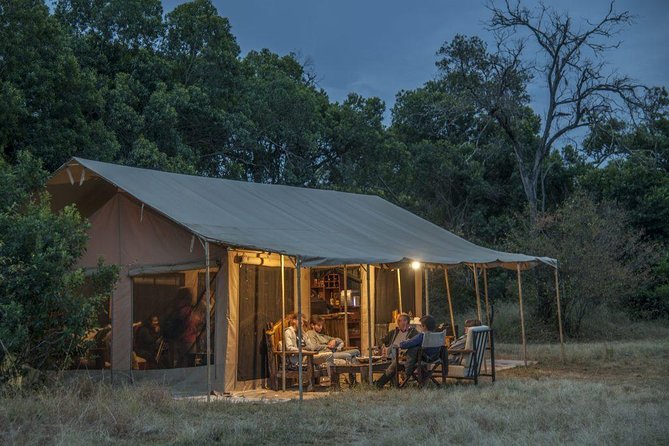
The lodging is described as luxury tented camps and lodges. That combination can provide a more comfortable base than basic camping while keeping you close to the safari setting. Exact properties are not specified, so ask for the accommodation names before paying if room style or location matters to you.
The private vehicle is another important part of the value. You are not simply buying park admission. You are paying for a 12-day structure with a dedicated group arrangement, multiple national parks, cultural visits, and transport between them.
The price does not include beverage drinks or tips. I would set aside extra money for both. The cancellation terms are generous if your plans change: you can receive a full refund when you cancel at least 24 hours before the local start time. Changes or cancellations inside that window are not accepted for a refund.
Who will enjoy this safari most
I would recommend this package to you if you want a serious northern Tanzania trip with both wildlife and culture. It suits people who value a private group, do not mind long drives, and want more than a short Serengeti visit.
Families may appreciate having only their own party in the vehicle. Couples and friends can also benefit from the flexible private setup, especially during the long game-drive days.
I would think twice if you want slow mornings, resort downtime, or a short list of only two parks. The schedule is active, and several days last six to twelve hours. You also need to be comfortable with uncertain wildlife sightings, dusty roads, changing conditions, and a packed route.
Practical questions to settle before departure
Confirmation is received at booking, but early confirmation is required to secure the reservation, and the supplied information says final booking confirmation may arrive after 48 hours. I would allow time for that process rather than booking the safari just before departure.
Ask about the exact lodges and tented camps, the identity of your guide, pickup time, and the planned handling of optional Arusha walking or canoe activities. Isaack is one guide associated with a past safari, but that does not establish who will lead your departure.
Also give the operator your dietary restrictions before arrival. Most people can participate, but the program does not provide a more detailed accessibility statement. The roof-open vehicle is excellent for viewing, though you should be prepared for sun, dust, and long periods seated.
Should you book the 12-day Tanzania safari?
I would book this if your ideal Tanzania trip combines major parks, a private vehicle, and genuine time with local communities. The strongest parts are the two full Tarangire periods, the substantial Serengeti stay, the Ngorongoro crater drive, and the full Lake Eyasi cultural day.
I would not choose it for a quiet holiday or a low-cost introduction to safari life. At $8,660, you should confirm the accommodation list and guide arrangements before committing. If those details suit you, this route offers a well-filled northern Tanzania experience, with elephants, plains, crater wildlife, Hadzabe and Datoga culture, and a final village visit instead of twelve days devoted only to game drives.
FAQ
How long is the Tanzania wildlife and cultural experience?
The experience lasts approximately 12 days, beginning and ending in the Arusha region.
Is airport pickup included?
Yes. Airport transfers are included, and the tour begins with a transfer from the airport to Arusha city.
Is this a private tour?
Yes. Only your own group participates in the activity.
What type of vehicle is used?
Daily game drives use a 4×4 safari vehicle with a rooftop that opens for wildlife viewing.
Which national parks are included?
The route includes Arusha National Park, Tarangire National Park, Serengeti National Park, Ngorongoro Crater, and Lake Manyara National Park.
Does the tour include cultural activities?
Yes. Lake Eyasi includes visits involving the Hadzabe and Datoga communities, including hunting-related bush activities and blacksmith work. The final day includes a cultural tour in Mto wa Mbu village.
What is included in the price?
The price includes all fees and taxes, accommodation, airport transfers, 11 breakfasts, 11 lunches, and 10 dinners. Beverage drinks and tipping are not included.
Newly listed around Arusha
- 5-Day Private Safari Tour in Tanzania’s Wildlife★ 5.0 · 3 reviews
- 3 Days private safari Tarangire ,Ngorongroro crater &Manyara★ 5.0 · 3 reviews
- 3 Day Sharing Safari – Manyara, Ngorongoro Crater and Tarangire National Parks★ 5.0 · 3 reviews
- Tarangire National Park Day Trip★ 5.0 · 3 reviews
- 2 Days Tarangire and Ngorongoro Crater Tour★ 5.0 · 3 reviews
- 6 -Day Tarangire, Manyara, Serengeti & Ngorongoro★ 5.0 · 3 reviews
- 5 Days Group Camping Safari★ 4.7 · 3 reviews
- 4 Days Tanzania Safari★ 4.5 · 3 reviews
Arusha Tours, compared.

Balloon Safari & Bush Breakfast in Serengeti – Miracle Experience
Read our review →






Browse the lists this tour appears in