Reviewed · ZANZIBAR TOURS
Zanzibar: Nungwi Kilosa Zoo Conservation Tour
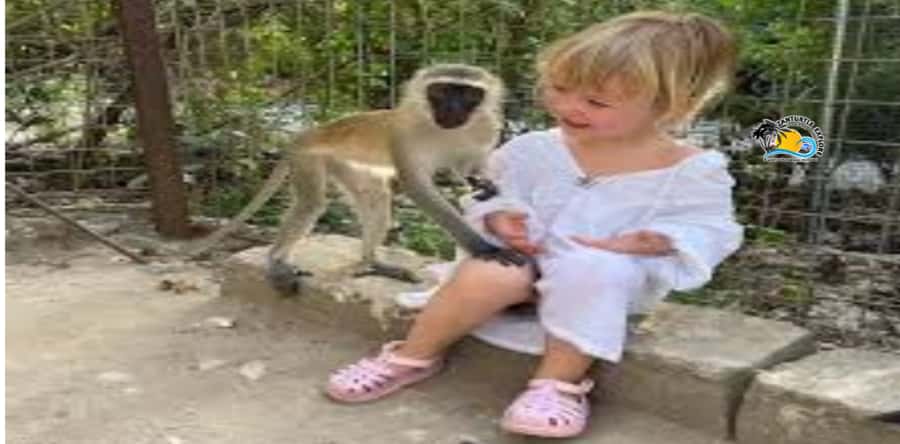
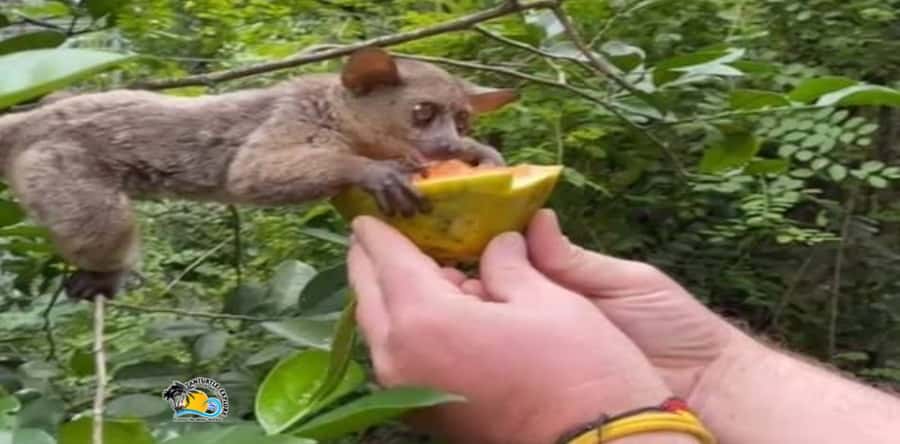
The most memorable part of this Nungwi outing is the close contact with animals, especially the friendly monkeys and the chance to feed them under a guide’s supervision. I like the small-scale setting, which gives the visit a more personal feel than a large commercial zoo, and I like the focus on endangered local species such as the Zanzibar red colobus monkey and Aders’ duiker. The main drawback is simple: two hours goes quickly, and the center may feel modest if you expect a large safari park.
I also like the easy hotel pickup and the private-group format. Guides such as Mufasa add humor and clear explanations, which helps children stay interested. Bring sun protection and comfortable shoes, and remember that the included welcome water may be your only drink during the visit, since meals and other drinks are not included.
Key points at a glance
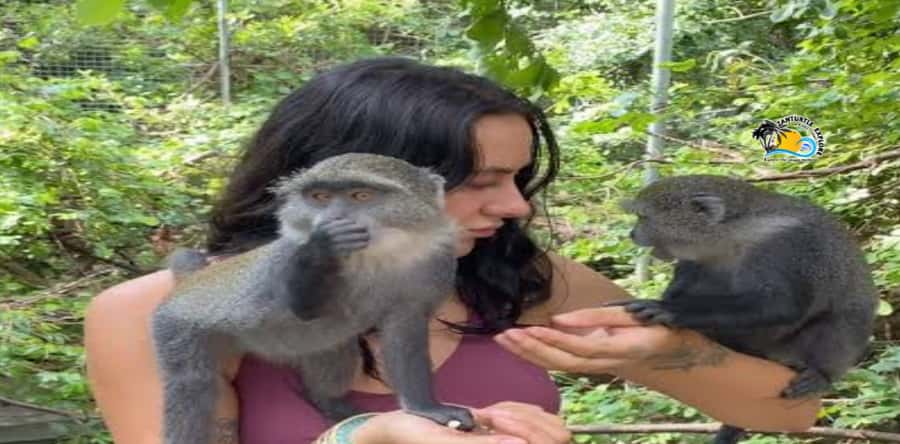
- Feed the monkeys: The supervised monkey feeding is the highlight for many families, and it gives you close contact with the animals.
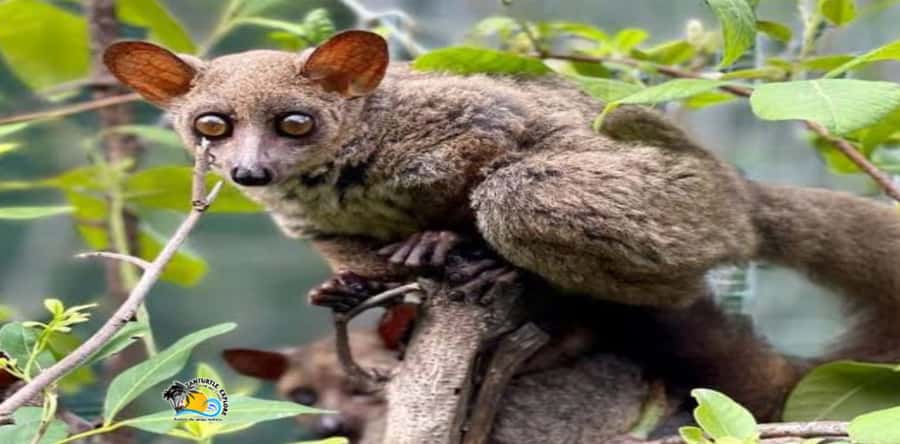
- See Zanzibar species: The center introduces you to the Zanzibar red colobus monkey and Aders’ duiker, along with birds and other animals.
- Meet more than monkeys: Expect reptiles, tortoises, ostriches, deer, and crocodiles during the guided walk.
- Learn the conservation purpose: The center aims to raise awareness, protect endangered animals, and encourage community responsibility for nature.
- Private two-hour visit: Hotel pickup and drop-off are included, with guides available in several languages.
- Good family option: Children can stay involved through feeding, touching, and short explanations rather than a long, passive lecture.
What a two-hour visit to Kilosa Conservation Center feels like
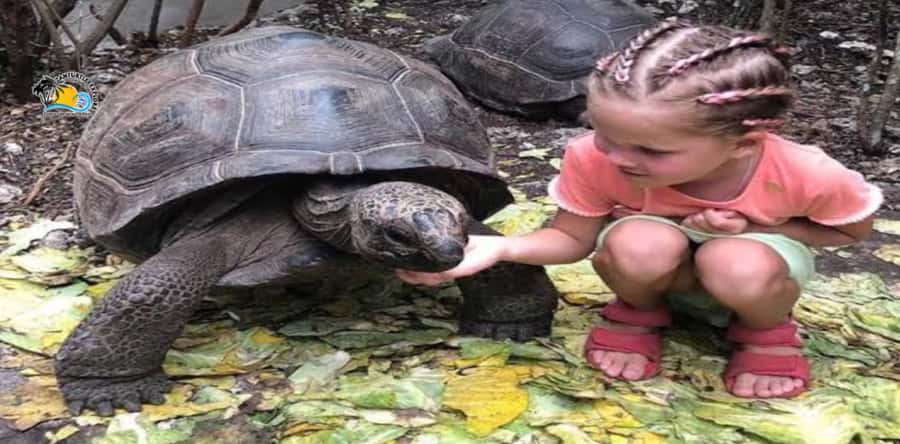
Kilosa Conservation Center is a small zoo and conservation facility in Nungwi, Northern Zanzibar. The visit is built around interaction. You are not simply looking through barriers at distant animals. Depending on the animal and the guide’s instructions, you can approach, touch, or feed some of them.
That hands-on format is the central reason to book. A child who might lose interest during a traditional wildlife talk can stay involved while feeding a monkey or looking closely at a tortoise. Adults also get a useful introduction to Zanzibar’s plant and animal life without giving up a large part of the day.
The center’s purpose is not only entertainment. It works to raise awareness about preserving local plants and animals, provide a safe setting for endangered species, and involve the surrounding community in caring for nature. The conservation message is practical rather than abstract: you see animals, hear why they matter, and take part in a controlled encounter.
I would set your expectations correctly. This is a small zoo, not a national park or a full-day safari. You will not spend hours driving through open habitat in search of wildlife. Instead, you get a compact, guided visit that fits neatly into a Nungwi beach holiday.
More zoos in Nungwi:
- Zanzibar: Nungwi Kilosa Zoo & Swimming with Turtles
★ 4.7 · 4 reviews
Starting with pickup from your Nungwi hotel
Hotel pickup and drop-off are included, which adds real value to a short activity. You meet the representative in your hotel lobby or reception area, so you should provide the hotel name and room number when booking. That removes the guesswork of finding the center on your own.
The private-group setup is useful for families and small parties. You can ask for requests or special arrangements before confirming your reservation, and the guide can keep the pace suited to your group. This matters when children want extra time with an animal or when you prefer more explanation about conservation.
The transport has received especially strong praise for being punctual and smooth. I would still allow a little flexibility around pickup time, as you should with any hotel transfer, but the included ride makes the tour easier than arranging a separate taxi.
The tour lasts two hours. That is long enough for a guided look at the animals and a little conversation, but short enough to combine with a beach day, a village visit, or another Nungwi activity. If your schedule is tight, check the available starting times before booking.
Meeting the Zanzibar red colobus monkey and Aders’ duiker
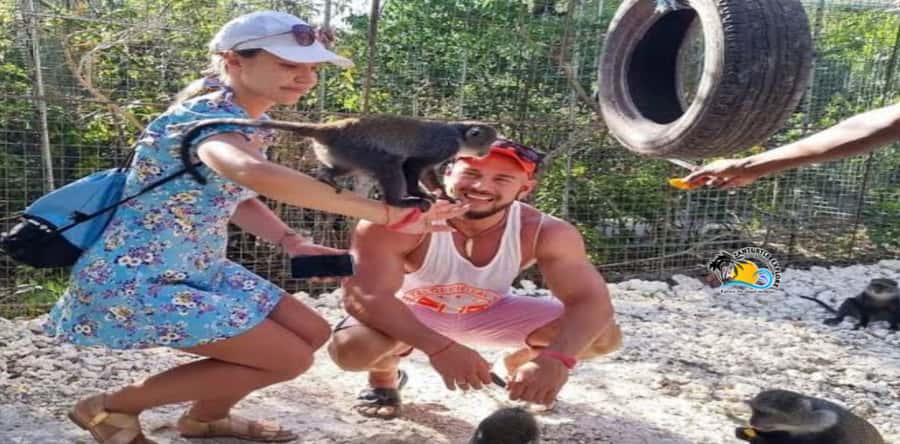
Two of the most important animals at the center are the Zanzibar red colobus monkey and Aders’ duiker. Both are presented as endangered species, making them more significant than a simple collection of familiar zoo animals.
The Zanzibar red colobus monkey is likely to be one of the most engaging encounters. The tour allows you to get close and feed monkeys under guidance, and the monkey feeding is repeatedly described as the day’s highlight. You should follow the guide’s instructions carefully, especially when food is involved. Close contact is fun, but it should remain controlled and respectful.
Aders’ duiker gives the visit a stronger local connection. Rather than seeing only large, well-known African animals, you learn about a smaller species linked to Zanzibar’s own wildlife. That is one of the better reasons to choose this outing over a generic animal attraction.
The guide’s explanations help connect the animals to the bigger conservation message. You learn why plant and animal diversity matters, and why a protected setting can help raise public awareness. The tour is not presented as a technical wildlife course, but it gives you a useful foundation in a short time.
From tortoises and ostriches to crocodiles
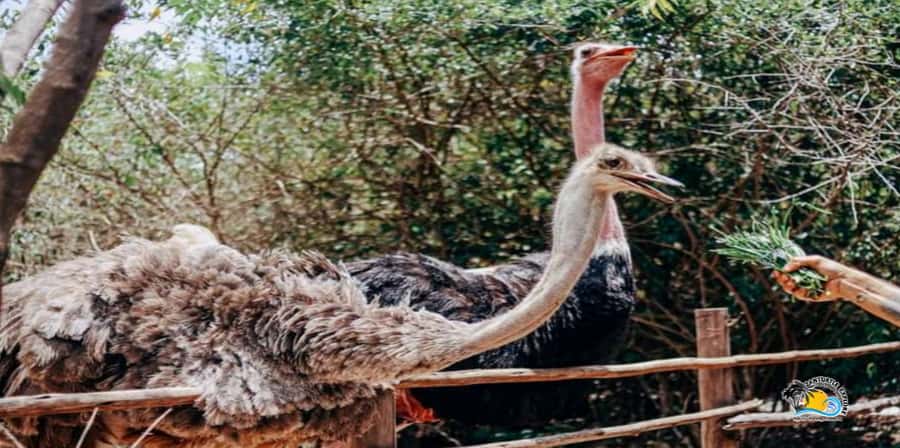
The animal list is varied for a two-hour visit. Along with monkeys, you can meet reptiles, tortoises, ostriches, deer, crocodiles, and various birds. This variety gives the tour a steady rhythm. You move from one type of animal to another instead of spending the entire visit on a single enclosure.
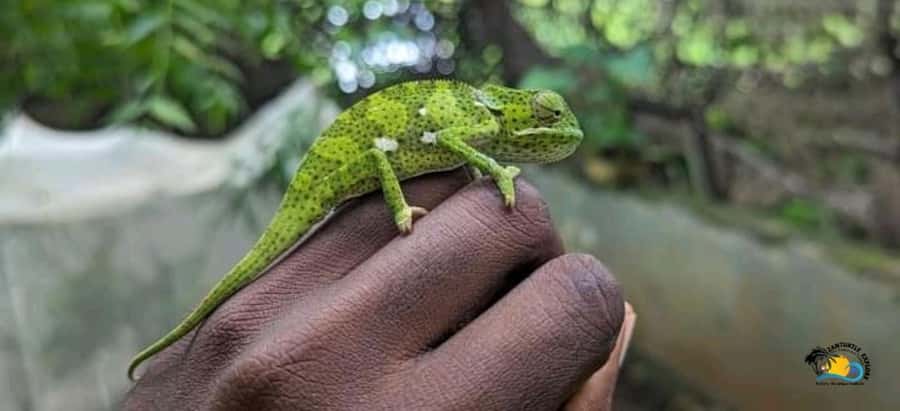
Tortoises are usually a good stop for younger children because they offer a slower, calmer contrast to the monkeys. Reptiles and crocodiles may appeal more to anyone who enjoys animals that are less cuddly. Ostriches provide another change of pace, while the birds add interest for anyone paying attention to smaller or less dramatic species.
The chance to touch and feed animals is available as part of the guided experience, but you should not assume every animal can be handled. The guide decides what is safe and appropriate. That is a positive feature, not a limitation. Good animal encounters need clear boundaries.
I would bring a camera, but keep it ready rather than spending the whole visit behind a screen. The best moments are likely to happen during feeding or close approaches, when you need to watch the guide and the animal. A sun hat is also sensible, and comfortable shoes will make the visit easier.
A few more Nungwi days to compare
- Zanzibar: Mnemba Island Dolphin and Snorkeling Tour
★ 4.1 · 352 reviews - Zanzibar: Nungwi Turtle Aquarium Guided Half-Day Trip
★ 4.4 · 197 reviews - Matemwe: Mnemba Island Dolphin & Snorkeling Boat Trip
★ 4.3 · 152 reviews - Underwater Walking Experience in Zanzibar,No Swimming Needed
★ 4.7 · 83 reviews
Why the conservation message matters here
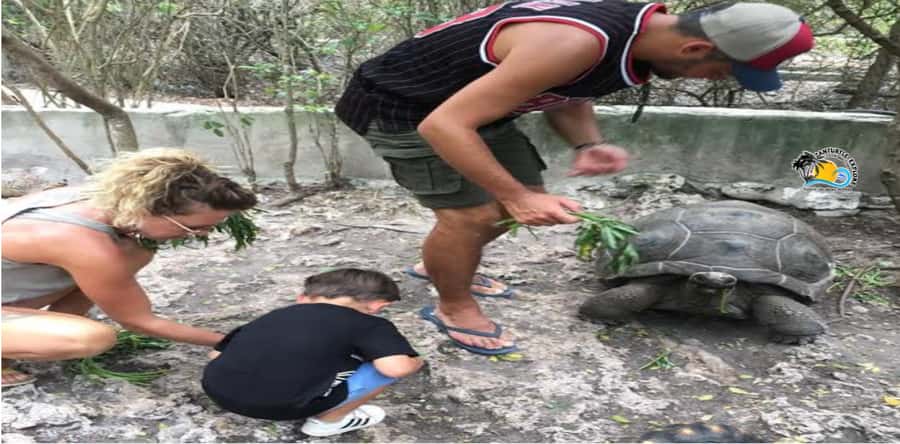
A small center cannot protect wildlife on the scale of a major national reserve. Its value lies in education, local involvement, and giving people a direct reason to care about animals that they might otherwise never encounter.
The center aims to foster a sense of responsibility toward nature in the community. That local focus is important. Conservation is not only about distant parks or rare animals in documentaries. It also depends on how people treat native species, plants, and habitat in their own area.
I appreciate that the visit combines explanation with action. You hear about endangered animals, then see them at close range. You learn about preserving plant and animal life, then take part in a carefully managed interaction. That link can make the subject more memorable, especially for children.
You should also keep your expectations grounded. The tour introduces conservation work, but the available information does not promise a formal research program, animal rescue demonstration, or behind-the-scenes veterinary visit. Think of it as an educational zoo visit with a conservation purpose.
The guide can shape the whole experience
The guide matters a great deal in a small attraction. A large park can carry a visit with scenery alone, but here the explanations, timing, and humor make the difference.
One guide specifically praised in the feedback is Mufasa. He is described as funny, helpful, and good at explaining the animals. Another comment highlights a zoo guide who was friendly, smiling, and willing to take time with the group. Those details point to a relaxed style rather than a rushed walk from one enclosure to the next.
Guides are available in Arabic, English, French, German, Italian, Polish, Portuguese, Russian, Spanish, and Swahili. That broad language choice is valuable when you want children or older relatives to follow the conservation information without struggling through a second language.
I would tell your guide what interests you at the start. If you care most about the red colobus monkey, reptiles, birds, or conservation, say so. In a private group, it should be easier to spend more time on the animals that hold your attention.
Is $45 per person good value?
The listed price is $45 per person. That includes entry fees and taxes, a professional guide, a welcome bottle of water, hotel pickup and drop-off, conservation education, and the chance to touch and feed animals.
For a two-hour activity, the price is not a bargain in the same way as a simple self-guided walk. You are paying for the private transport, guide service, organized entry, and interactive elements. If you would otherwise need to hire a taxi and arrange admission separately, the package becomes easier to justify.
The value is strongest for families and small groups. Parents get a short, organized outing with plenty to hold a child’s attention, while the private format avoids joining a large group. The monkey feeding alone may make the price worthwhile for children who have been hoping for a close animal encounter.
The value is weaker if you want a full wildlife day, open-air animal viewing, or a large collection of species. In that case, you should compare it with a longer safari or another wildlife excursion. Kilosa is best understood as a compact Nungwi activity, not as a replacement for a national park visit.
Meals and drinks are not included. A welcome bottle of water is listed, but you should not count on a full refreshment service. Bring any additional water you need, especially on a hot day.
Who will enjoy this Nungwi activity most?
I would recommend the tour most strongly to families with children, couples who want an easy wildlife outing, and anyone staying in Nungwi who does not want to spend a full day on the road. The short duration leaves room for other plans.
It also suits people who prefer direct contact and explanation to distant animal viewing. Feeding and touching animals can make the visit feel personal, while the guide provides context about endangered species and conservation.
The tour may be less satisfying for serious wildlife photographers or experienced safari visitors. The facility is small, and the two-hour visit is structured around a guided animal encounter rather than long periods waiting for animals in a natural setting.
Pets are not allowed. That is worth noting if you are staying somewhere with an animal companion, though the included hotel transfer and private format make the outing otherwise straightforward.
Practical tips for a comfortable visit
Wear comfortable shoes. You will get more from the visit if you can move easily and stay close to the guide.
Bring a sun hat and camera. Sun protection matters, and the close encounters may give you some of the best photographs of your Zanzibar stay.
Keep your hands and food where the guide tells you. The feeding experience is part of the attraction, but the guide’s directions should come first.
Ask for special requests when making the reservation. The booking information specifically allows you to write requests before confirming, which may help if your group has language needs or a particular interest.
The activity offers free cancellation up to 24 hours in advance for a full refund. You can also reserve now and pay later, which helps if you are still arranging the rest of your Zanzibar schedule.
Should you book the Kilosa Conservation Tour?
Book it if you want a short, family-friendly Nungwi outing with hotel transport, close animal encounters, and a clear conservation theme. The strongest reasons are the monkey feeding, the chance to see local endangered species, and the helpful guide style, including guides such as Mufasa.
Think twice if you want a large zoo, a safari drive, or a full day of wildlife viewing. Kilosa is modest in scale, and two hours will not provide the breadth of a national park experience.
For most people staying in Nungwi, I see this as a practical add-on rather than the main wildlife event of a Zanzibar trip. At $45 per person, it offers good value when you want an easy, guided activity that children can enjoy and adults can connect to local conservation.
FAQ
Where is the Kilosa Conservation Tour located?
The tour visits Kilosa Conservation Center in Nungwi, Northern Zanzibar, Tanzania.
How long does the tour last?
The guided visit lasts two hours.
What is included in the $45 price?
The price includes hotel pickup and drop-off, entry fees and taxes, a professional tour guide, a welcome bottle of water, conservation education, and the opportunity to touch and feed animals.
Are meals and drinks included?
Meals and drinks are not included. A welcome bottle of water is provided.
What animals can I see?
The center has monkeys, reptiles, tortoises, ostriches, deer, crocodiles, and various birds. You may also see endangered species such as the Zanzibar red colobus monkey and Aders’ duiker.
Can I touch and feed the animals?
Yes. The tour includes opportunities to touch and feed animals under the guidance of the tour staff.
Is hotel transportation available?
Yes. Pickup and drop-off at your hotel are included. You should provide the hotel name and room number, and the representative will meet you in the lobby or reception area.
What languages are available for the guide?
Guides are available in Arabic, English, French, German, Italian, Polish, Portuguese, Russian, Spanish, and Swahili.
Newly listed around Nungwi
- Zanzibar: Nungwi and Kendwa Sunset Dhow Cruise with Pickup★ 4.3 · 4 reviews
- Zanzibar: Swimming & Snorkeling at Mnemba Atoll with Fruits★ 4.0 · 4 reviews
- Zanzibar: Nungwi Kilosa Zoo & Swimming with Turtles★ 4.7 · 4 reviews
- Zanzibar: Horseback Riding and Turtle Aquarium Visit★ 4.3 · 4 reviews
- Zanzibar: Horseback Riding and Turtle Swimming Tour★ 3.3 · 4 reviews
- Zanzibar: Mnemba Island Snorkeling & Dolphin★ 5.0 · 4 reviews
- Zanzibar: Nungwi Sunset Dhow Cruise with Soft Drinks★ 3.8 · 5 reviews
- Zanzibar: Swim with turtles at Nungwi★ 4.3 · 5 reviews
Zanzibar Tours, compared.