
Reviewed · ZANZIBAR TOURS
Zanzibar Tumbatu Island Cultural Experience
Tumbatu Island offers a side of Zanzibar far removed from beach resorts and Stone Town cafés. You’ll cross by small boat, visit a fish and furniture market, watch fishermen repair nets, meet dhow crafters, and see old Shiraz ruins dating to before the 12th century. The day feels built around village life, not a checklist of postcard views.
I like the private format, since your guide can explain local fishing methods, tides, moon cycles, and daily routines at your pace. I also like the included hot lunch of rice, curry, seafood, and fruit, which makes the $200 price easier to weigh against the transport and personal attention.
The main consideration is comfort. This is a seven-hour day with a small-boat crossing, walking around a working village, and a moderate physical fitness requirement. The island is not polished for tourism, and children may ask for a dollar, so you should come ready for a direct and sometimes awkward encounter with village life.
Key points to know before booking
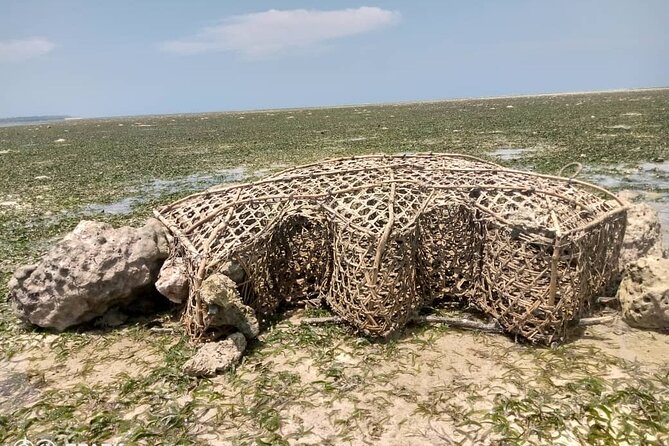
- A 30-minute small-boat crossing connects Mkokoni harbor with Tumbatu Island.
- Your private guide leads the entire day, with hotel pickup, transport, fees, and lunch included.
- Local fishing comes first, including a look at traps, nets, boats, and lagoon fishing methods.
- Dhow construction is part of the visit, giving you a close look at an important Zanzibar craft.
- A spiritual healer and old Shiraz ruins add cultural and historical depth to the village walk.
- The tour runs about six to seven hours, beginning at 9:00 a.m. and requiring moderate fitness.
Crossing from Mkokoni harbor to Tumbatu

The morning begins at 9:00 a.m. at Mkokoni local dhow harbor and fishing village. Pickup is offered, and the listed meeting point is Tembo House Hotel on Shangani Street near Forodhani Street in Zanzibar. The tour ends back at the meeting point.
Before boarding, you make a short visit around Mkokoni. This is useful because it gives you a sense of the working coast before you leave the main island. The focus is on a local fish and furniture market, cargo dhows, and fishing boats. You are seeing boats and goods used for daily work, not a display arranged only for visitors.
The boat ride to Tumbatu takes about 30 minutes. Since the crossing is by small boat, the experience depends on sea and weather conditions. The tour requires good weather, and poor conditions can lead to a different date or a full refund. If you are prone to seasickness, plan carefully, although no specific onboard facilities are listed.
The all-in transport matters here. You are not left to arrange a hotel transfer, find the harbor, and negotiate a boat separately. An air-conditioned vehicle is included for the land transport, along with all fees and taxes.
A few more Zanzibar days to compare
- From Zanzibar: Mikumi Safari Day Trip with Flights and Meal
★ 4.7 · 1,470 reviews - Zanzibar: Quad Bike Adventure departing from Kendwa or Nungwi
★ 4.9 · 1,233 reviews - Zanzibar: Stone Town, Spice Tour, Prison Island with Lunch
★ 4.4 · 1,219 reviews
Fishing methods in the Tumbatu lagoon
The first major stop on the island is the lagoon. Your guide explains local fishing methods and shows you the traps used by island fishers. This is one of the strongest parts of the day because it turns a scenic coastal stop into a lesson about work, timing, and the sea.
The guide may explain how tides and the moon affect fishing. One particularly useful detail from the experience is the attention given to these natural cycles. Instead of treating the water as a pretty backdrop, the tour connects the lagoon to the choices local people make each day.
You should expect practical observation rather than a hands-on fishing excursion. The supplied details describe learning about methods and traps, not catching fish yourself. That distinction matters if you are looking for an active water sport. This tour is better suited to you if you want context and conversation.
The small group format helps here. A private guide can pause when you have questions, explain unfamiliar equipment, and adjust the pace for your group. That personal attention is harder to get on a large island excursion.
Meeting dhow builders and fishermen
The tour continues through different areas of the village. At the harbor, you meet dhow crafters and see fishermen repairing nets. These encounters give the day its strongest connection to working Zanzibar.
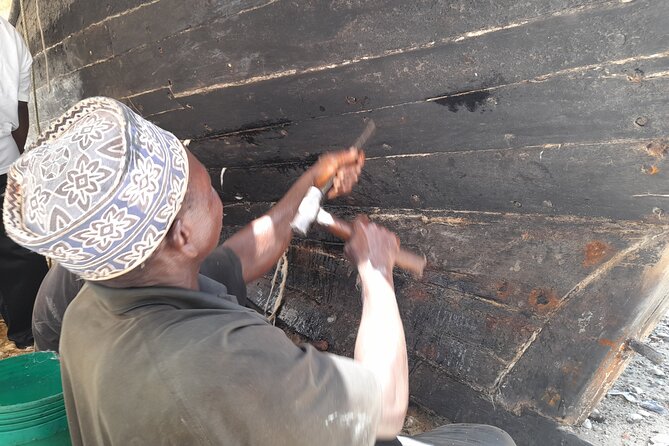
Dhows are closely tied to coastal travel, fishing, and trade in the region. Here, the craft is shown through the people making and maintaining the boats. You can look at the construction process and the labor behind it, rather than simply taking a photo of a finished vessel.
The net repair stop is equally useful. Fishing depends on steady maintenance, and seeing that work helps you understand why the island’s harbor is more than a departure point. It is a place where boats, tools, nets, and people all support one another.
Because this is a living village, the experience may not feel perfectly smooth. Work may be underway, people may be busy, and the route can be less formal than a museum visit. That is part of the appeal, but it also means you should show patience and ask before photographing people or their work.
Baobab trees that once served as a classroom
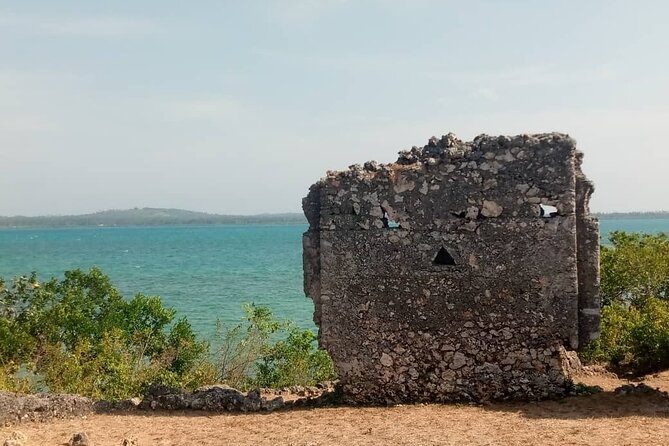
The village walk includes old baobab trees that were once used as a school or classroom. This is an unusual detail, and it offers a glimpse into how education took place before more formal facilities were available.
The trees are not simply natural scenery. Their story connects the island’s environment with community life. A baobab can function as shade, a meeting place, and a landmark, while its former classroom use gives it a human story.
This stop will likely appeal most to you if you enjoy small details that reveal how a place developed. It is not presented as a grand attraction, and the information available does not promise a lengthy historical lecture. Instead, it is one memorable piece of the island’s everyday past.
Expect to walk between several areas rather than remain in one central site. The moderate fitness requirement is worth taking seriously, particularly if heat, uneven ground, or a long village walk tires you quickly.
A change of scene while you are in Zanzibar:
- From Kendwa: Mnemba Boat Trip and Dolphin Snorkel Adventure
★ 4.8 · 1,043 reviews - From Zanzibar: Day Selous Game Reserve Safari with Flights
★ 4.7 · 1,025 reviews - Zanzibar: Prison Island and Nakupenda Boat Trip with Lunch
★ 4.1 · 882 reviews - Skydive Zanzibar | Tandem Skydive
★ 5.0 · 877 reviews
A respectful meeting with a spiritual healer
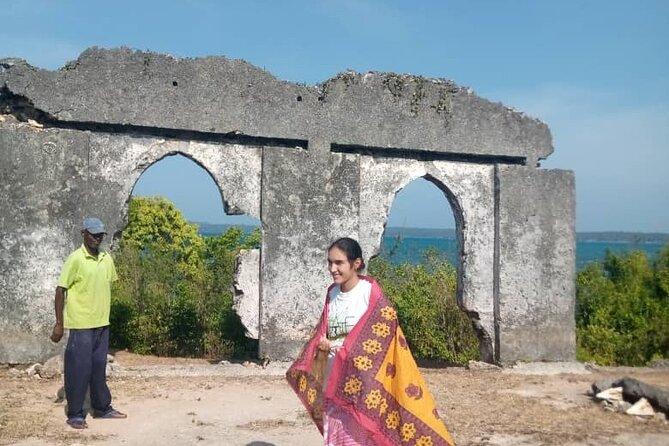
One of the more unusual parts of the day is a visit to a local spiritual healer, also described as a witch doctor in the tour material. The healer explains how he understands signs connected with the natural world, including tides and the moon.
This stop can be meaningful if you approach it with curiosity and respect. It offers a chance to hear how local beliefs and healing practices fit into community life. It is not the same as visiting a staged folklore show, at least from the way the experience is described, but you should still remember that you are entering someone’s cultural and personal space.
Keep your expectations sensible. The details do not promise a treatment, diagnosis, or guaranteed spiritual service. The value lies in listening and learning how the healer describes his work.
This is also a point where good manners matter most. Ask permission before taking photographs, avoid treating the visit as a joke, and let your guide explain the proper way to engage. The private format gives you more room for a thoughtful exchange, but it does not remove the need for cultural sensitivity.
The Shiraz ruins and Tumbatu’s older past
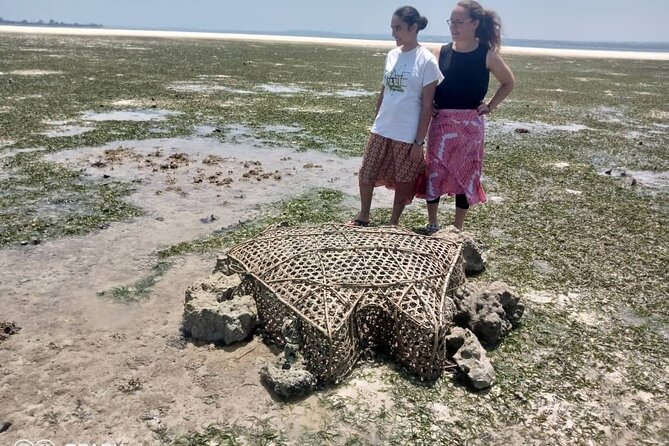
The tour visits Shiraz ruins that date to before the 12th century. This gives the day a historical anchor after the more immediate experiences of fishing, boat building, and village life.
The ruins are valuable because they show that Tumbatu’s story reaches back many centuries. The tour material does not provide a full archaeological account or name specific structures, so you should not book this expecting a large, restored monument complex. Think of it as a quiet historical stop woven into a broader community visit.
I like the way this part balances the day. The island is not presented only as a place of old stones, and it is not treated only as a village tour. You get both: the long past represented by the Shiraz remains and the present represented by working fishermen, craftspeople, families, and local markets.
Your guide’s explanations will shape how much you get from the ruins. Since the trip is private, you can ask for more historical background if that is your main interest.
Lunch with rice, curry, seafood, and fruit

Lunch is included and consists of rice, curry, seafood, and fruit. After a morning of boat travel and walking, a hot meal is more than a small extra. It saves you from arranging food on an island where the tour details do not list independent restaurant options.
The menu also fits the setting. Seafood connects the meal to the island’s coastal economy, while rice and curry reflect familiar Zanzibar flavors. Fruit provides a simple finish.
The information does not specify a restaurant, meal choices, or arrangements for dietary restrictions. If you have allergies or follow a special diet, ask the operator before booking. Do not assume the menu can be changed.
Lunch adds real value to the $200 cost, but price depends on your group size and priorities. For one person, the amount is significant. In return, you receive private guiding, hotel pickup, a boat trip, ground transport, admission fees, and lunch over six to seven hours. For a small private group, that package can compare well with arranging several separate services.
What the $200 price really covers
At $200 per person, this is not a budget half-day outing. The strongest case for the price is the combination of private service and logistics. You do not simply pay for a boat ride. You receive transport from the meeting point, a local guide, the island visits, included fees and taxes, and a meal.
The private setup is especially useful if you want to ask many questions or move at a comfortable pace. It also suits families and small groups who prefer not to spend the day with strangers. Group discounts are available, though the exact savings are not specified, so ask for the current rate before booking.
The value is weaker if you mainly want a beach day, a short sightseeing cruise, or a polished attraction with fixed facilities. Tumbatu is presented as a working island community. Its appeal comes from access to local life, not luxury or entertainment built for tourists.
You should also factor in the seven-hour commitment. With a 9:00 a.m. start and a return to the same meeting point, this occupies much of your day. That is worthwhile when cultural contact is a main goal, but less so if your Zanzibar schedule is already crowded.
Who will enjoy this island day most
I would recommend the experience to you if you want to understand how people live and work along Zanzibar’s coast. It suits curious visitors who enjoy asking questions, watching skilled work, and accepting that a village visit can be unpredictable.
It is also a good match for families, since the private format allows more control over the pace. One past family booking was described as so rewarding that the participants planned to return with their children. That does not guarantee every child will enjoy the outing, but it suggests the day can work well for families who prepare children for walking, boats, and respectful conversation.
The tour may also suit photographers, though you must ask permission before photographing people, the healer, or active work sites. The colorful village, fishing boats, old trees, and ruins offer plenty to notice, but this is not a staged photo shoot.
You may want to skip it if you need firm accessibility arrangements, because only a moderate fitness level is specified. The details do not explain boat access, restroom facilities, paved paths, or support for mobility limitations. Ask direct questions before paying.
The village can also be a frank place. Children may ask for a dollar, and that can make some visitors uncomfortable. Bring patience, avoid making promises, and follow your guide’s advice about respectful giving.
Timing, cancellation, and practical planning
The tour is usually booked about 35 days ahead, which suggests you should not leave it until the last minute if Tumbatu is important to your Zanzibar plans. Confirmation is provided at booking, and mobile tickets are supported.
Free cancellation is available up to 24 hours before the 9:00 a.m. start time. Changes or cancellations made inside that period are not accepted for a refund. Weather can also affect the trip, since the boat crossing requires suitable conditions.
Tips are not included. The tour price covers lunch, fees, taxes, and transport, but you should budget separately if you want to tip the guide or other service providers.
Wear practical clothing for a boat crossing and village walking. The supplied details do not specify a dress code, but modest, respectful clothing is a sensible choice when visiting homes, workplaces, and a spiritual healer. Bring only what you need and protect valuables from water during the small-boat ride.
Should you book the Tumbatu Island Cultural Experience?
Book this tour if your best Zanzibar day would include fishing traps, dhow building, a spiritual healer, old trees, and pre-12th-century ruins rather than a resort schedule. The private guide, included transport, lunch, and personal attention make the $200 easier to justify for a small group.
Skip it if you want a relaxed cruise with little walking or a carefully controlled attraction. Tumbatu asks you to stay open-minded and respectful, especially when meeting people at work or discussing local beliefs. For the right visitor, that direct contact is the point of the day.
FAQ
Where does the Tumbatu Island tour start?
The listed meeting point is Tembo House Hotel on Shangani Street near Forodhani Street in Zanzibar. The tour itself starts at 9:00 a.m. from Mkokoni local dhow harbor and fishing village, with pickup offered.
How long does the experience last?
The tour lasts approximately six to seven hours. It begins at 9:00 a.m. and ends back at the meeting point.
How long is the boat ride to Tumbatu Island?
The small-boat journey from Mkokoni to Tumbatu Island takes about 30 minutes.
Is lunch included?
Yes. Lunch includes rice, curry, seafood, and fruit. Lunch is included in the tour price.
Is this a private tour?
Yes. Only your group participates, and a private guide leads the experience.
What is included in the price?
The price includes lunch, all fees and taxes, transportation, hotel pickup when offered, and an air-conditioned vehicle. Tips are not included.
Can I cancel for a full refund?
Yes, if you cancel at least 24 hours before the experience start time. Cancellations made less than 24 hours in advance are not refunded. If poor weather causes the tour to be canceled, you are offered another date or a full refund.
Newly listed around Zanzibar
- Zanzibar: Nungwi/Kendwa Beach Sunset Dhow Cruise with Fruits★ 3.4 · 3 reviews
- Prison Island, Sea Turtles, Rock Restaurant & Relax in Beach★ 4.6 · 3 reviews
- Starfish Beach; The Rock; Kuza Cave; Paje Beach; Salaam Cave Tour★ 4.5 · 3 reviews
- Zanzibar: Half-Day Spice Farm Tour,the flavours of Zanzibar★ 4.7 · 3 reviews
- Joazani forest & Spice farm with lunch★ 5.0 · 3 reviews
- Nakupenda Island Snorkeling Sea trip & Lunch W/Transfer -Zanzibar★ 4.0 · 3 reviews
- Mnemba Island Snorkeling and Dolphin tour★ 5.0 · 3 reviews
- Zanzibar:Jozani forest, Spice farm with Swahili Cuisine clas★ 4.2 · 3 reviews
Zanzibar Tours, compared.