
Reviewed · SPICE FARM TOURS
Zanzibar Spice tour
Zanzibar’s famous spices make the most sense when you see them growing, smell fresh cloves, and taste fruit straight from the farm. This three-hour outing from Stone Town takes you into village paths and working plantations, where guides such as Mohamed Ali, known as Mo, and Ally explain what each plant does.
I like the small-group setup, with groups capped at 15 and private bookings available, and I like that the $70 price includes hotel pickup, transport, a professional guide, farm fees, fruit, coconut, and a traditional Swahili lunch. The main consideration is that the walking takes place outdoors, so heat, insects, and uneven farm paths make comfortable shoes, a long outfit, and mosquito repellent sensible.
Key points to know before you book

- Fresh cloves and working plants: See, smell, touch, and taste spices where they grow rather than only meeting them in a market.
- A generous local lunch: The farm meal gives you a practical way to taste how Zanzibar’s spices are used in cooking.
- Fruit and coconut tasting: Tropical fruit is served after the walk, with coconuts included as part of the farm experience.
- Palm-leaf decorations: Local workers make simple ties, rings, bracelets, and glasses for you during the visit.
- Hotel pickup at 9:00 a.m.: Transport is included, which makes the morning easy to add to a Stone Town stay.
- A personal guide: Mo and Ally are named guides connected with this experience, and the tour places strong emphasis on explanation rather than a quick photo stop.
Why Zanzibar is called the Spice Island
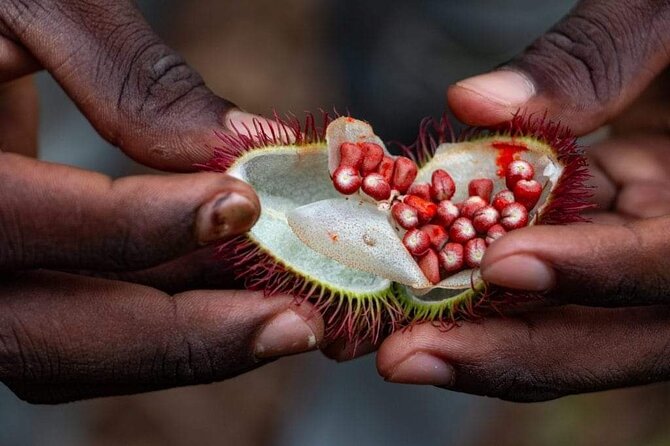
Zanzibar’s spice reputation is not just a souvenir-shop slogan. On this tour, you see the plants in their natural setting and learn that spices are not all low-growing kitchen herbs. Some come from bark, some from fruit, some from seeds, and some from trees that require careful climbing or harvesting.
The walk is led through farm plots and village areas. A guide points out individual plants and explains how the parts are used in cooking, herbal remedies, and daily life. The experience becomes much more useful when you can connect a familiar smell or flavor with the plant itself.
Cloves are one of the memorable details. The scent can be strong, especially when you encounter the trees and dried spice close together. If you have only seen cloves in a jar, this is a good chance to understand why they have played such a major part in Zanzibar’s identity.
The tour also connects spices with local knowledge. Mo is described as offering background about Zanzibar on the journey to the farm, while Ally is praised for explaining plantation methods, herbal uses, and cooking. The quality of your morning will depend partly on which guide leads your group, but the program is built around conversation and questions.
More spice farm mornings:
- Zanzibar: Stone Town, Spice Tour, Prison Island with Lunch
★ 4.4 · 1,219 reviews - Zanzibar: Prison Island, Stone Town, & Spice Farm Tour
★ 4.5 · 579 reviews - Zanzibar: Stone Town, Spice tour & Prison Island with Lunch
★ 4.6 · 453 reviews
The 9:00 a.m. pickup from Stone Town
The morning begins with pickup from your hotel at 9:00 a.m. Transport and drop-off are included, so you do not need to arrange a separate taxi to the plantation. That is useful in Zanzibar, where a prearranged ride removes some guesswork from getting beyond Stone Town.
The drive also gives your guide a chance to talk about the island and its spices before you begin walking. Mo is specifically described as sharing background about Zanzibar along the way, making the transfer part of the tour rather than dead time.
The timing works well for a half-day plan. You finish after roughly three hours, leaving room for Stone Town sightseeing, a relaxed afternoon, or another activity. One account connected the spice visit with a later trip into Stone Town, so the tour can fit neatly into a day focused on both the countryside and the old city.
Keep in mind that the stated start time is 9:00 a.m. If you are staying far from Stone Town, confirm the exact pickup arrangements when booking. The supplied details confirm pickup and drop-off, but they do not list a separate schedule for every hotel.
Walking through the plantation and village paths
The central part of the morning is a guided walking tour through spice plantations and nearby village areas. This is not simply a stop at a building with rows of labeled jars. You move among the plants while farm workers demonstrate parts of the harvesting process.
The most memorable demonstrations involve workers climbing trees, locating particular plants, and cutting bark. These moments give the tour a practical edge. You see that spice production requires skill and physical work, not just sunshine and fertile soil.
Your guide explains what you are looking at as you go. You can expect to smell and handle selected spices, then taste some of them or learn how they are used. The program also covers herbs and plants with medicinal uses, which adds another layer beyond food.
This is where good questions help. Ask about which part of a plant becomes the spice, how it is used in cooking, or what local herbal use is associated with it. The named guides, especially Mo and Ally, are presented as fluent, talkative, and well informed about the subject, so the walk should suit you if you prefer explanation over a silent stroll.
The farm paths are part of the appeal, but they are also the reason to dress sensibly. Wear comfortable walking shoes and a long outfit. The advice to bring mosquito repellent is worth following. You will be outside among plants for much of the tour, and the information does not promise paved paths or shade at every point.
Palm-leaf rings, bracelets, and glasses
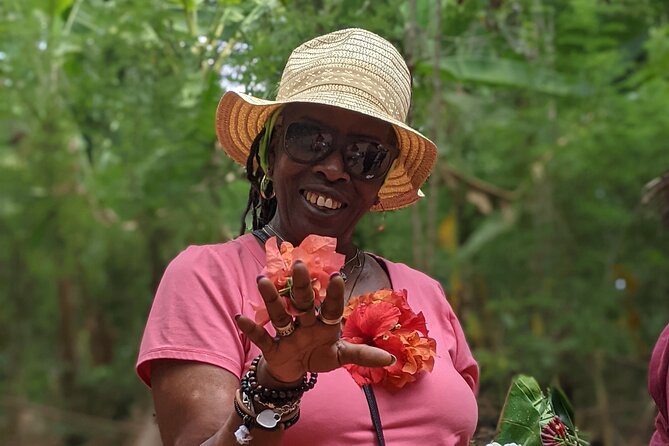
During the farm visit, you are decorated with simple accessories made from palm leaves. These can include ties, rings, bracelets, and glasses. Workers make the pieces in front of you, giving the activity a playful and hands-on pause during the botanical walk.
It is a small detail, but it helps make the tour feel connected to the farm rather than like a classroom lecture. Children may especially enjoy it, and adults get an easy photo opportunity without the visit turning into a staged costume show.
The palm-leaf items may also be among the gifts available at the end. The exact gift selection is not specified, so treat this as a pleasant extra rather than something to book the tour for on its own.
A few more Zanzibar days to compare
- From Zanzibar: Mikumi Safari Day Trip with Flights and Meal
★ 4.7 · 1,470 reviews - Zanzibar: Quad Bike Adventure departing from Kendwa or Nungwi
★ 4.9 · 1,233 reviews - From Kendwa: Mnemba Boat Trip and Dolphin Snorkel Adventure
★ 4.8 · 1,043 reviews - From Zanzibar: Day Selous Game Reserve Safari with Flights
★ 4.7 · 1,025 reviews
Tropical fruit and coconut tasting
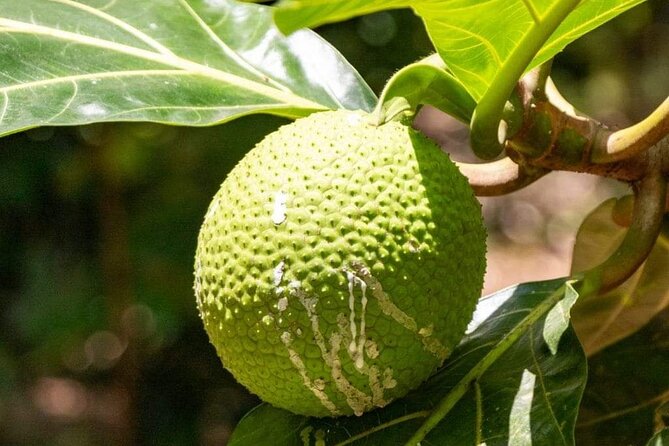
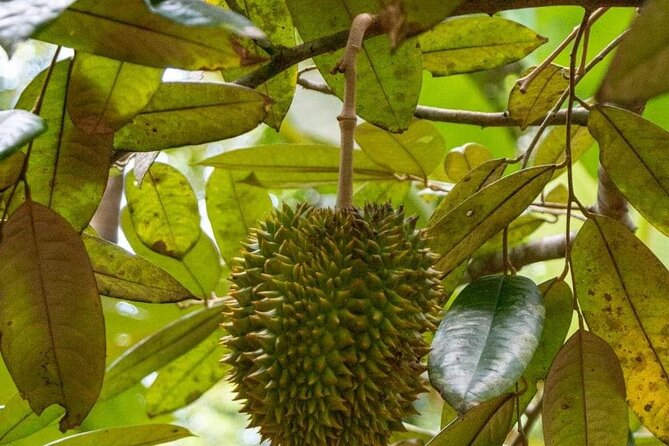
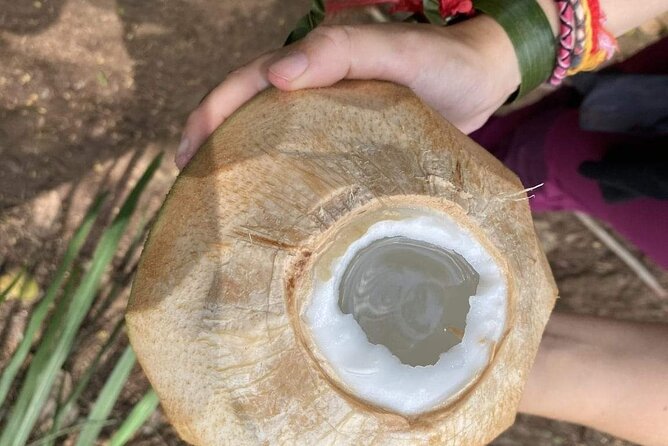
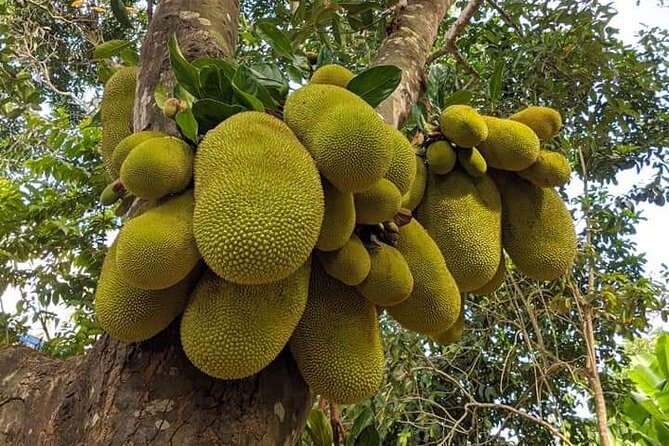
Zanzibar’s fruit is another strong part of the visit. After learning about spices, you are served exotic tropical fruit, and the tour also includes coconuts. The fruit is often served after lunch or as part of the farm hospitality, depending on the flow of the morning.
This tasting matters because it broadens the experience beyond cloves and cinnamon-style flavors. You get to sample produce grown in the same warm setting, and the fresh fruit provides a welcome change after walking in the heat.
The available details do not identify every fruit you will receive, so do not expect a fixed tasting menu. What is clear is that fruit is included and has been an important part of the experience for past groups. If you have allergies or dietary concerns, tell the operator ahead of time, since the tour does not provide a detailed ingredient list.
A traditional Swahili lunch served at the farm
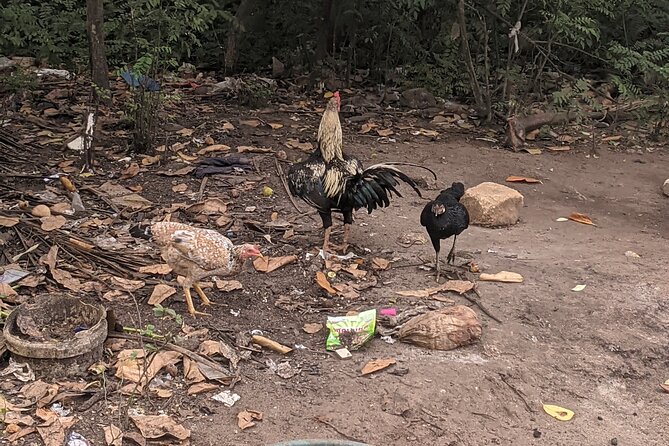
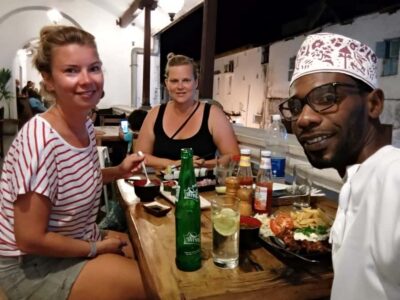
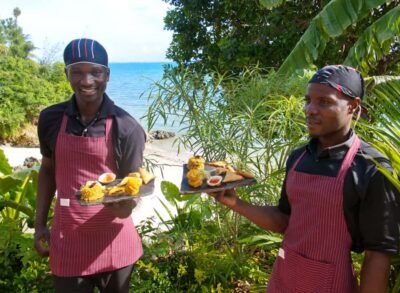
The meal is included in the $70 price and is served by local cooks at the spice farm. It is described as an opulent traditional Swahili lunch, with the spices you have just encountered used in the food.
This is one of the best reasons to choose a farm tour that includes lunch. You do not just hear that spices shape Zanzibar cooking. You taste the result while the plants are still fresh in your mind. It also gives the morning a proper pause instead of ending immediately after the walking portion.
Expect a substantial local meal rather than a quick snack. The exact dishes are not listed, so the operator should be your source for questions about vegetarian meals, allergies, or other dietary needs. The tour information confirms lunch is included, but it does not promise a particular menu.
The meal also adds value for couples and small private groups. A $70 price can feel more reasonable when it covers a guide, transport, entry fees, taxes, fruit, and lunch in one booking. If you are traveling alone, you may judge the cost more carefully, since the value depends on how much you want the private transport and farm meal.
Guide quality and the feel of a small group
The guide is central to this experience. A spice plantation can be interesting for ten minutes if someone only points at plants, but it can fill a morning when the guide explains harvesting, cooking, herbal uses, and Zanzibar’s background.
Mohamed Ali, usually called Mo, is identified as the owner of the business and as a guide on some departures. Ally is also named as a guide connected with the spice visit. Descriptions of both emphasize clear communication, punctuality, friendliness, and strong explanations of the plants.
The operation has received a perfect five-star rating from 17 submitted ratings, with 100 percent recommending it. That is a small sample, so I would not treat it as proof that every departure will be identical. Still, the repeated themes are useful: punctual transport, polite service, clear explanations, good lunch, and attention to individual needs.
The group information needs a little care. The tour is described as a private activity where only your group participates, while another detail says groups are capped at 15 and group discounts are offered. If you are booking for a couple or family, the private format should mean you are not placed with unrelated visitors. If you are booking as part of a larger party, confirm the exact arrangement before paying.
Is $70 a fair price?
At $70 per person, this is not the cheapest possible way to see plants outside Stone Town. It is also not just a farm entrance ticket. The fee includes pickup and drop-off, a professional guide, admission fees, taxes, fruit, coconut, and lunch.
I would judge the price by what you want from the morning. If you only want to buy spices, a market visit will cost less and take less time. If you want to understand how cloves and other plants are grown, walk with a guide, eat local food, and avoid arranging separate transport, the package is easier to justify.
The price is particularly practical for a small private group. You get a dedicated outing, the chance to ask questions at your own pace, and a meal built into the schedule. Group discounts may also be available, though the amount is not specified.
Personal purchases are not included. Spices, perfumes, and other items may be available at the exit, but anything you buy there comes from your own pocket. Consider setting a spending limit before you arrive, especially if you enjoy food products and scented oils.
Who will enjoy this farm morning most?
I would choose this tour if you want a short cultural activity that combines nature, food, and local explanation. It suits couples, families, small groups, and anyone curious about how familiar spices begin as living plants.
It is also a good choice for cooks. The tour connects spices with food preparation and herbal use, and the included Swahili lunch lets you taste those ideas in practice. You do not need specialist knowledge, though a willingness to smell, touch, and taste makes the visit more rewarding.
Families should appreciate the palm-leaf crafts, fruit, and moving demonstrations. The tour says most people can participate, but it does not give detailed accessibility information. If you have mobility concerns, ask about the walking surface and farm access before booking.
I would hesitate if you dislike outdoor heat, insects, informal farm paths, or tasting food without a published menu. The experience is designed around a real plantation setting, not a polished indoor museum. That is its strength, but it will not suit every style of sightseeing.
Booking, cancellation, and practical planning
Confirmation is provided at the time of booking, and mobile tickets are available. Free cancellation applies when you cancel at least 24 hours before the local start time. Within 24 hours, the amount paid is not refunded, and changes made inside that window are not accepted.
The experience requires a minimum number of participants. If the operator cancels because that minimum is not met, you are offered another date or experience, or a full refund.
Bring comfortable walking shoes, a long outfit, and mosquito repellent. The clothing advice is practical for both sun and local customs. You may also want water and sun protection, although these are not listed as included items.
The tour takes about three hours, but allow some flexibility around pickup and return. The farm visit itself includes walking, demonstrations, tasting, palm-leaf crafts, and lunch, so it is better treated as a relaxed morning than a tightly timed transfer.
Should you book the Zanzibar Spice Tour?
Book it if you want more than a quick photograph at a plantation. The combination of working farm demonstrations, strong guide involvement, tropical fruit, palm-leaf crafts, and a local Swahili lunch gives you a clear sense of why Zanzibar is known for spices.
The best fit is a couple or small private group staying in Stone Town, especially if you value included transport and a guide who can explain both the plants and the island. The main drawbacks are the outdoor conditions, the unspecified lunch menu, and some uncertainty in the public details about private groups versus the 15-person cap.
For a practical, food-focused introduction to Zanzibar beyond the old city streets, I would book it. Wear the right clothes, bring repellent, and arrive ready to walk, smell, taste, and ask questions.
FAQ
What time does the Zanzibar Spice Tour start?
Pickup starts at 9:00 a.m. from your hotel. Pickup and drop-off are included.
How long does the spice tour last?
The experience lasts approximately three hours, including the farm walk, tasting, lunch, and return transfer.
Is lunch included?
Yes. A traditional Swahili lunch served by local cooks at the farm is included in the price.
Is hotel pickup included?
Yes. The tour includes pickup and drop-off, with the stated start time at 9:00 a.m.
What should I bring?
Bring comfortable walking shoes, a long outfit, and mosquito repellent. The tour takes place outdoors on a farm.
What is the cancellation policy?
You receive a full refund if you cancel at least 24 hours before the local start time. Cancellations and changes made within 24 hours are not accepted for a refund.
Newly listed around Zanzibar
- Zanzibar: Nungwi/Kendwa Beach Sunset Dhow Cruise with Fruits★ 3.4 · 3 reviews
- Prison Island, Sea Turtles, Rock Restaurant & Relax in Beach★ 4.6 · 3 reviews
- Starfish Beach; The Rock; Kuza Cave; Paje Beach; Salaam Cave Tour★ 4.5 · 3 reviews
- Zanzibar: Half-Day Spice Farm Tour,the flavours of Zanzibar★ 4.7 · 3 reviews
- Joazani forest & Spice farm with lunch★ 5.0 · 3 reviews
- Nakupenda Island Snorkeling Sea trip & Lunch W/Transfer -Zanzibar★ 4.0 · 3 reviews
- Mnemba Island Snorkeling and Dolphin tour★ 5.0 · 3 reviews
- Zanzibar:Jozani forest, Spice farm with Swahili Cuisine clas★ 4.2 · 3 reviews
Spice Farm Tours, compared.



Full-Day Private Stone Town +Spice Farm and Prison Island Tour
Read our review →
The Swahili Spice Experience – Spice Tour + Culinary Journey
Read our review →Browse the lists this tour appears in