Reviewed · ZANZIBAR TOURS
Mamas of Zanzibar – A Unique Cultural & Culinary Experience
Zanzibar’s best stories often arrive around a cooking pot, and this four-hour morning puts you right there. You begin with a local market visit, then return to the Mamas’ cooking base to prepare a traditional meal with help from Zanzibari women who know these dishes from daily life.
I like the small group limit of 10, which gives you a better chance to ask questions and take part. I also like that lunch is not a separate restaurant stop: you help make what you eat, then share it with the group. The main consideration is timing. This is a compact morning, and the schedule can change depending on the group and extra activities.
Key Points
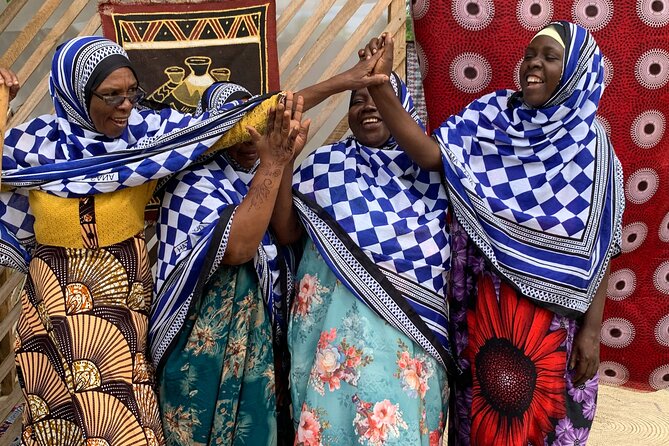
- Shop before you cook: Visit a nearby local market and help choose ingredients for the meal.
- Learn from Zanzibari women: Maskat and the Mamas introduce you to home cooking, daily routines, and traditional dishes.
- Eat what you prepare: The cooking class leads directly to a home-cooked lunch with juice.
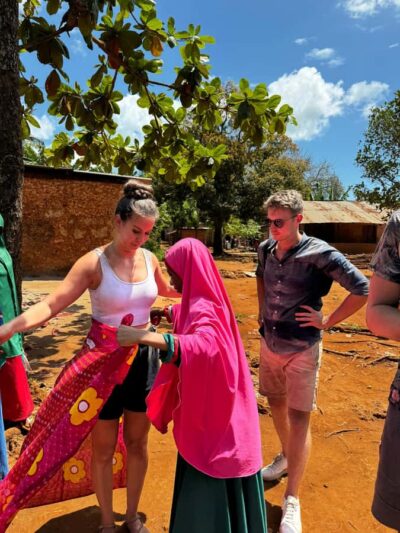
- More than a food class: You may have time for neighborhood exploration, henna painting, snacks, and the boutique shop.
- Good for mixed diets: Vegetarian visitors are welcome, and special dietary needs can be discussed.
- A personal-sized group: The experience accepts no more than 10 people and includes a recipe to take home.
Starting the Morning With the Mamas
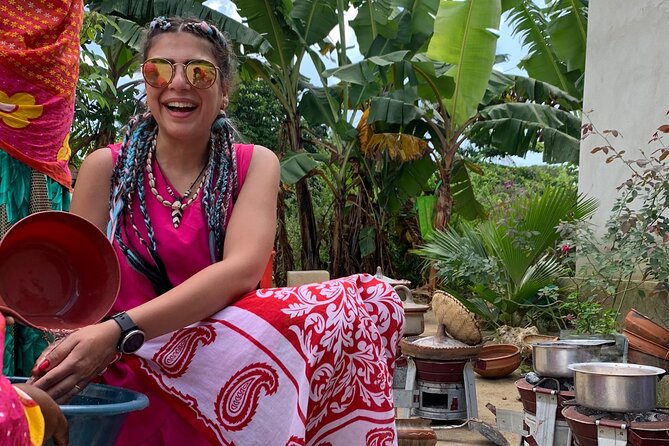
The experience starts at 9:00 a.m. at the meeting point in Zanzibar, listed as V6X8+8H Zanzibar, and ends at the same place. You are greeted by Maskat and the Mamas, a group of Zanzibari women who host the morning and share their cooking traditions.
The opening is simple: introductions, a menu briefing, and an explanation of the day’s routine. That matters because this is not just a demonstration where you sit quietly and watch someone else work. You are being prepared to take part.
I like the social tone here. The Mamas present their daily life through food, which gives the morning a human scale. You are not being shown a staged cultural performance. You are learning how a meal comes together in a Zanzibari household, with room for conversation and questions.
The hosts also explain what you will cook before heading to the market. Since the menu is tied to the ingredients available that day, you get a clearer link between shopping, preparation, and the final meal.
A few more Zanzibar days to compare
- From Zanzibar: Mikumi Safari Day Trip with Flights and Meal
★ 4.7 · 1,470 reviews - Zanzibar: Quad Bike Adventure departing from Kendwa or Nungwi
★ 4.9 · 1,233 reviews - Zanzibar: Stone Town, Spice Tour, Prison Island with Lunch
★ 4.4 · 1,219 reviews
A Local Market Stop Before the Cooking Begins
At about 9:30, the group heads to a nearby local market. The experience includes a visit to a fish market, and this is one of the most useful parts of the morning for anyone who wants to understand where Zanzibar’s food comes from.
Market visits can be quick photo stops on some tours. Here, the purpose is more practical. You see the ingredients that will shape the meal and learn how local cooking starts with what is fresh and available. The stop also gives you a look at an everyday part of Zanzibar that you would not necessarily find by wandering between major sights.
The market may feel lively and informal, and you should expect a working food environment rather than a polished tourist attraction. That is part of the point, but it also means you should be ready for a sensory setting and a pace set by the group and the hosts.
The fish market is especially important to note if you have dietary restrictions. The cooking experience is vegetarian-friendly, and special dietary requirements can be accommodated, but you should make those needs clear when booking or before the class begins. Do not wait until the market visit to explain them.
Cooking at Pishi HQ From 10:15
By about 10:15, you return to Pishi HQ to prepare the meal. The cooking portion runs roughly from 10:30 to 11:30, giving you about an hour of hands-on work.
You may help with several stages of preparation, from handling ingredients to cooking the dishes. One detail from the experience gives a good sense of the practical style: peeling green bananas is part of the work. This is the kind of task that connects you with the food before it reaches the plate.
The classes are designed to be easy to follow. You receive guidance from a traditional Zanzibari woman, rather than being expected to know local techniques already. That makes the class suitable for people who cook often and people whose kitchen skills stop at making tea.
I would not book this expecting a formal culinary school lesson with exact measurements, technical lectures, or a long printed curriculum. The value is in learning through participation, watching the Mamas work, and seeing how familiar local ingredients become a shared meal.
You also receive an easy recipe to take home. That is a useful touch because it gives the morning a life beyond Zanzibar. You may not be able to find every ingredient at home, but the recipe can help you recreate part of the meal or adapt it to what is available.
Traditional Food With Room for Dietary Needs
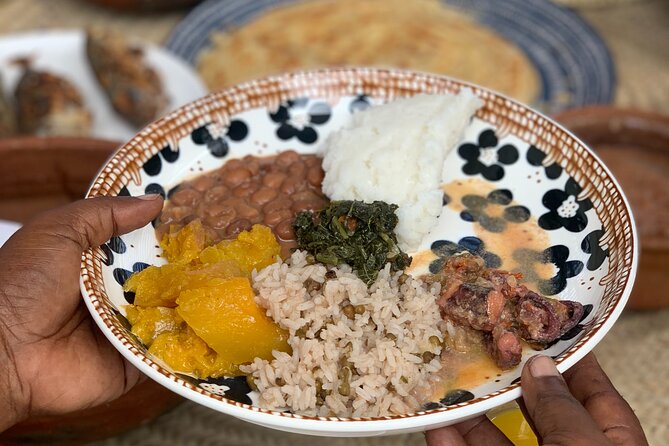
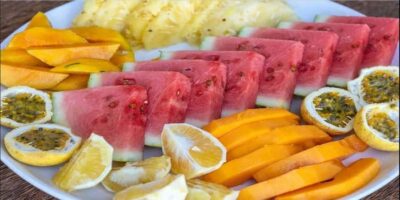
Food is the center of the morning, and the cooking leads to lunch at about 12:15. You eat what the group has prepared, along with Zanzibar snacks, traditional Swahili sweets, and drinks. Lunch finishes with a glass of juice.
That direct connection between the class and the meal is one of the strongest reasons to choose this activity. You do not simply sample a dish prepared in advance. You see the work behind it, take part in the preparation, and then sit down to enjoy the result.
The menu is not fixed in the supplied details, so you should not book with the expectation of one particular dish. Instead, think of it as a daily food experience shaped by the hosts, the available ingredients, and the group’s needs.
Vegetarian visitors are specifically welcomed. Special dietary requirements can also be catered for, but you should communicate them in advance. The provider describes the cooking as hygienic, and the food is prepared in the hosts’ cooking setting, not in a large commercial kitchen.
If food is your main reason for booking, this is a strong choice for personal connection and local preparation. If you want a restaurant-style tasting menu with many courses and a fixed selection, another type of food tour may suit you better.
A change of scene while you are in Zanzibar:
- From Kendwa: Mnemba Boat Trip and Dolphin Snorkel Adventure
★ 4.8 · 1,043 reviews - From Zanzibar: Day Selous Game Reserve Safari with Flights
★ 4.7 · 1,025 reviews - Zanzibar: Prison Island and Nakupenda Boat Trip with Lunch
★ 4.1 · 882 reviews - Skydive Zanzibar | Tandem Skydive
★ 5.0 · 877 reviews
The Neighborhood, Boutique Shop, and Henna Time
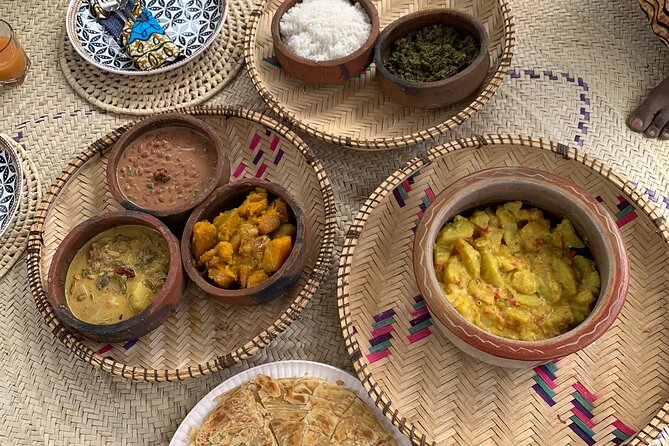
After cooking, there is a short free period from about 11:30 to noon while lunch is arranged. This is not dead time. You may explore the neighborhood, look around the boutique shop, or try henna painting.
The neighborhood walk adds useful context. The morning is not confined to a kitchen, and you get a chance to see the setting where the Mamas live and work. It helps connect the food with the wider community rather than treating recipes as isolated curiosities.
The boutique shop gives you another way to support the local project or browse small goods, though the supplied information does not specify exactly what is sold. You should see it as an optional part of the visit, not the main reason to book.
Henna painting may also be available during the free period. Because the schedule can shift, these extras are not best treated as guaranteed, timed appointments. They are pleasant possibilities that may appear as the group’s morning develops.
This flexible approach is appealing if you like informal experiences. It can be less satisfying if you prefer every minute to follow a firm schedule. The hosts note that the plan may change based on group stories and extra fun activities, so come prepared for a morning with some give in it.
What Makes This Different From a Standard Food Tour
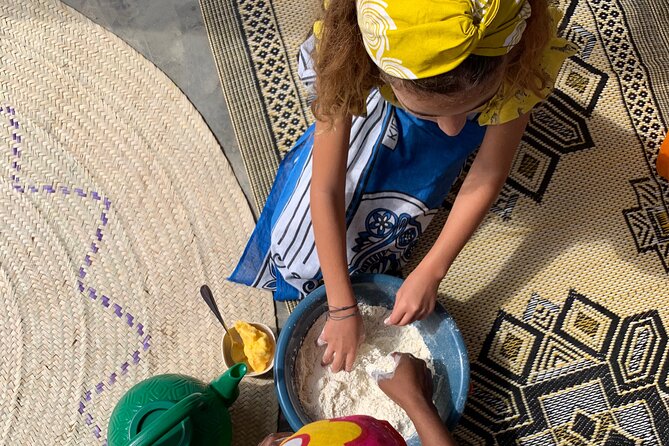
Many food tours take you from one vendor to the next. This one stays closer to home life. You meet the women who host the activity, visit a local market, prepare food with them, and eat together.
The personal welcome is a major part of the appeal. Maskat’s role appears to include greeting visitors and helping shape the experience, while the Mamas lead the cooking and cultural exchange. The result is less about collecting dishes and more about spending time with people.
That distinction matters in Zanzibar, where food carries family, place, and routine. Green bananas, Swahili sweets, juice, market ingredients, and home cooking tell you more about daily life than a quick restaurant meal can.
The experience is also suitable for all ages, according to the provider. Children and older family members may appreciate the clear tasks, shared meal, and relaxed social setting, though every participant should be comfortable with the market visit and cooking activities.
The group cap of 10 is another practical advantage. A smaller group usually makes it easier to see what is happening, get a turn at the work, and speak with the hosts. It also keeps the meal more intimate than a large bus group.
Is $116.31 a Fair Price?
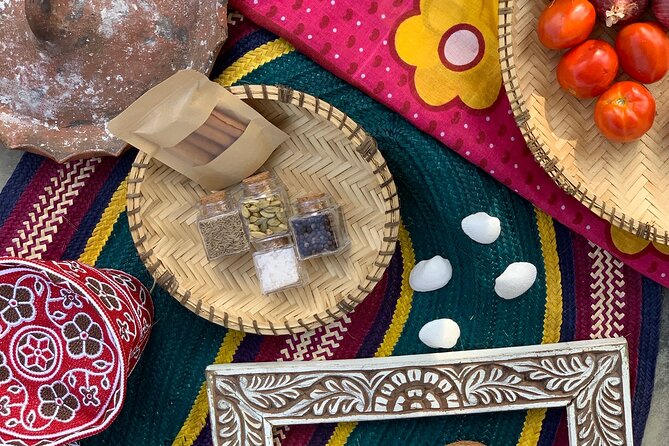
At $116.31 per person, this is not the cheapest way to eat in Zanzibar. You can certainly find a less expensive meal. The value here comes from the combined morning: host interaction, market visit, cooking instruction, lunch, snacks, drinks, cultural context, and a recipe to take home.
You are paying for about four hours, not just a plate of food. The price makes more sense if you value direct contact with local people and want an activity that blends food with community life.
It is also worth considering what is not included. Air-conditioned transportation is not provided, and the tour begins and ends at the meeting point. You need to arrange your own way there, so add transport costs if you are staying somewhere else on the island.
The activity is booked, on average, 43 days ahead. That suggests you should plan early, especially if your Zanzibar dates are fixed or you need a particular dietary arrangement. Confirmation arrives at booking, and mobile tickets are accepted.
I see this as good value for someone who wants one meaningful morning rather than several separate activities. For a visitor who only wants a quick, inexpensive local meal, the price may feel high.
Timing, Group Size, and Practical Planning
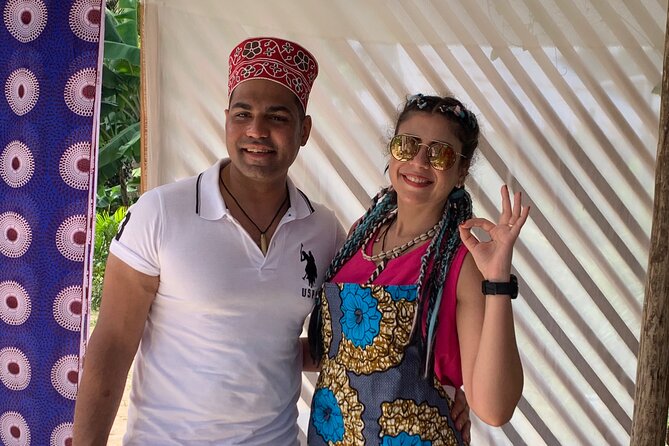
The stated schedule begins at 9:00 a.m. and finishes around 1:00 p.m. The basic flow is:
- 9:00 a.m., arrival and introductions
- 9:15 a.m., menu and daily routine
- 9:30 a.m., local market visit
- 10:15 a.m., return to Pishi HQ
- 10:30 to 11:30 a.m., preparation and cooking
- 11:30 a.m. to noon, neighborhood time, boutique shop, or henna
- 12:15 p.m., lunch
- 1:00 p.m., finish
Treat these times as a guide rather than a promise. The hosts allow the day to respond to the group, stories, and possible extra activities. That flexibility can make the morning feel natural, but it may also shift lunch or the finish slightly.
The maximum group size is 10 people. That is small enough for hands-on participation, though your exact amount of cooking time can depend on how many people attend and how the group works together.
The experience requires good weather. If poor weather causes a cancellation, you are offered another date or a full refund. You can cancel for a full refund up to 24 hours before the start time. Changes or cancellations made less than 24 hours before the start are not accepted for a refund.
Because the tour includes walking to a market and neighborhood exploration, wear comfortable clothing and shoes suitable for a warm morning. The supplied details do not list a dress code, so follow normal respectful clothing choices for a community visit.
Who Will Enjoy Mamas of Zanzibar Most?
I would recommend this experience to you if you:
- Want to meet local people in a home-style setting
- Enjoy cooking, tasting, and learning by doing
- Prefer a small group to a large guided outing
- Are interested in Swahili food and daily routines
- Need a vegetarian-friendly activity
- Want a slower, more personal morning in Zanzibar
- Are visiting Stone Town and want something beyond sightseeing
Families may also like the mix of market, cooking, sweets, and henna. Food-focused visitors will appreciate the recipe and practical preparation. First-time visitors can use the morning to get a feel for local ingredients and hospitality.
I would think twice if you dislike group cooking, want a strict minute-by-minute program, or need private air-conditioned transport. The experience is social and flexible, not a private luxury outing.
Should You Book It?
Yes, if you want food to be your way into Zanzibar’s community life. The strongest parts are the market visit, the hands-on preparation, the warm welcome from Maskat and the Mamas, and the fact that lunch is made together rather than simply served to you.
Book early if you have set dates, and state any dietary requirements before arrival. Allow for a schedule that may shift, arrange your own transport to the meeting point, and choose this for its human connection rather than for a bargain meal.
If that sounds like your kind of morning, Mamas of Zanzibar offers a thoughtful four-hour introduction to local cooking, shared hospitality, and everyday island life.
FAQ
How long does Mamas of Zanzibar last?
The experience lasts about four hours, beginning at 9:00 a.m. and ending around 1:00 p.m.
Where does the activity start and finish?
It starts at V6X8+8H Zanzibar, Zanzibar, Tanzania, and ends back at the same meeting point.
Is lunch included?
Yes. Lunch is included, and you eat what you help prepare. Drinks, Swahili sweets, Zanzibar snacks, and a glass of juice are also included.
Does the experience include a market visit?
Yes. The morning includes a visit to a nearby local market and the nearby fish market.
Can vegetarian visitors or people with special dietary requirements join?
Yes. The experience is vegetarian-friendly, and special dietary requirements can be catered for.
What happens if bad weather cancels the activity?
If poor weather causes a cancellation, you will be offered a different date or a full refund. You can also cancel at least 24 hours before the start time for a full refund.
Newly listed around Zanzibar
- Zanzibar: Nungwi/Kendwa Beach Sunset Dhow Cruise with Fruits★ 3.4 · 3 reviews
- Prison Island, Sea Turtles, Rock Restaurant & Relax in Beach★ 4.6 · 3 reviews
- Starfish Beach; The Rock; Kuza Cave; Paje Beach; Salaam Cave Tour★ 4.5 · 3 reviews
- Zanzibar: Half-Day Spice Farm Tour,the flavours of Zanzibar★ 4.7 · 3 reviews
- Joazani forest & Spice farm with lunch★ 5.0 · 3 reviews
- Nakupenda Island Snorkeling Sea trip & Lunch W/Transfer -Zanzibar★ 4.0 · 3 reviews
- Mnemba Island Snorkeling and Dolphin tour★ 5.0 · 3 reviews
- Zanzibar:Jozani forest, Spice farm with Swahili Cuisine clas★ 4.2 · 3 reviews
Zanzibar Tours, compared.