Reviewed · ZANZIBAR TOURS
Swahili Kitchen
The best part of Sahani is simple: you eat food that is prepared in a local family kitchen, not a restaurant built around European menus. Seafood, coconut, garlic, ginger, cloves, cardamom, cinnamon, pepper, and nutmeg give the meal its Zanzibar character, while the family setting makes dinner feel personal.
I like the chef’s surprise menu, which keeps the meal rooted in what the kitchen wants to prepare that day. I also like the chance to cook before dinner, an option that begins around 5:00 p.m. for the 6:00 p.m. meal. The main consideration is that you do not choose from a menu, so anyone with strict food preferences should explain them when booking.
Key points
- A home kitchen rather than a standard restaurant: You meet a local family and eat traditional Swahili dishes in their own setting.
- A spice-led Zanzibar meal: Expect flavors linked to cloves, cardamom, cinnamon, ginger, garlic, pepper, and nutmeg.
- Seafood and coconut are central: Fish dishes, including barracuda prepared with lemon sauce, have been especially well received.
- Cooking can be added: Arrive about an hour before dinner if you want to help prepare the meal.
- Small capacity: The kitchen serves a maximum of 10 people, making this a better fit for visitors who prefer a quieter meal.
- Pickup is available: Free pickup and drop-off are offered in front of the Old Fort, with other locations available on request.
A Home Kitchen With Zanzibar on the Plate
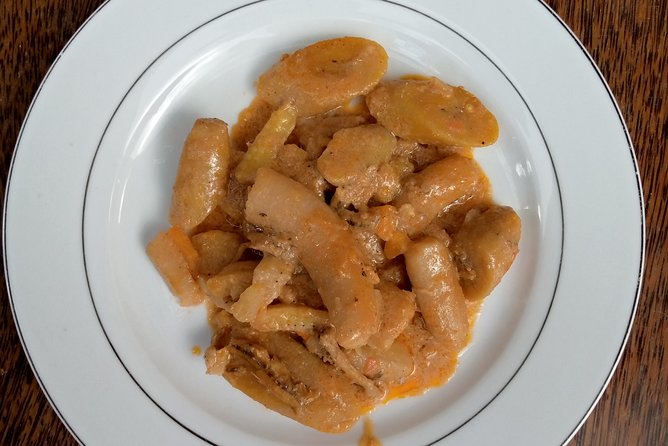
Sahani offers a useful answer to a common Stone Town problem. Many restaurants aimed at international visitors lean toward continental or European food. Here, the point is different: you sit down to a meal built around local Swahili cooking and the ingredients that give Zanzibar its nickname, the Spice Island.
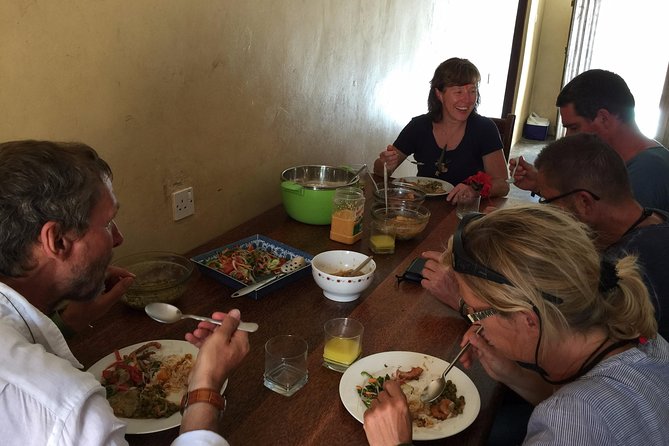
The setting matters. This is described as a family home kitchen, where the family introduces you to Sahani and prepares the meal rather than simply handing you a printed list of dishes. That gives you a closer look at how food fits into daily life in Zanzibar.
You should expect a meal influenced by several cultures. Swahili cooking draws from African traditions, while Indian and Arabic ideas have shaped the island’s flavors and dishes over time. In practical terms, that may mean warm spices, fragrant rice, coconut-based cooking, seafood, and sauces with a noticeable lift from ginger, garlic, pepper, or citrus.
The experience is short, at about two hours, but it is not only about eating. It is a chance to ask questions, watch the cooking, and speak with a local family. If you have already spent the day on a Spice Tour or walking through Stone Town, this makes a natural food-focused finish.
A few more Zanzibar days to compare
- From Zanzibar: Mikumi Safari Day Trip with Flights and Meal
★ 4.7 · 1,470 reviews - Zanzibar: Quad Bike Adventure departing from Kendwa or Nungwi
★ 4.9 · 1,233 reviews - Zanzibar: Stone Town, Spice Tour, Prison Island with Lunch
★ 4.4 · 1,219 reviews
What Dinner at 6:00 p.m. Looks Like
The standard dinner begins at 6:00 p.m. The available information does not give a fixed course-by-course schedule, and that is deliberate. Sahani does not use a regular menu. The chef chooses the meal, so the exact dishes can change.
That approach has a clear advantage. You are more likely to eat what the kitchen considers a proper Swahili meal rather than selecting a familiar international dish. It also keeps the evening flexible and seasonal, though you should not book this expecting to order a specific starter, main course, or dessert.
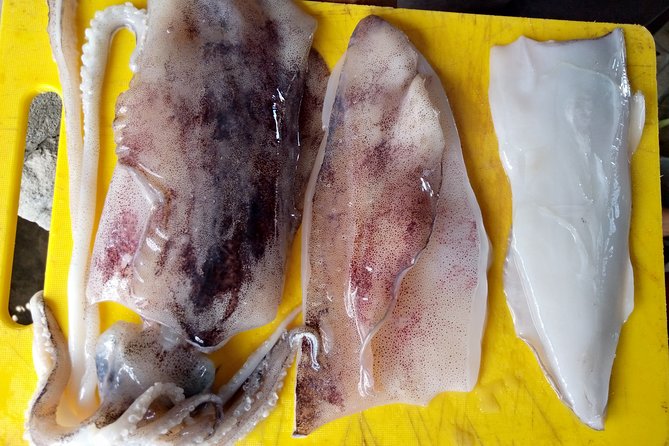
The meal is built around three strong Zanzibar themes: seafood, spices, and coconut. Fish is an important part of the cooking, and barracuda with lemon sauce has been singled out as a particularly good dish. That detail is useful if you enjoy seafood, but it also makes the vegetarian note important. Tell the host about vegetarian needs when you book.
The listed opening hours run from noon to 6:00 p.m., Monday through Sunday, while dinner is listed for 6:00 p.m. Because those times appear close together, confirm your arrival time and meeting arrangements before setting out. The dinner time itself is clear, but exact pickup details may depend on where you are staying.
Add the Cooking Session at 5:00 p.m.
If you want more than a prepared meal, Sahani offers cooking before dinner. The chef waits for participants who want to experience the kitchen, with cooking starting roughly one hour before the 6:00 p.m. meal.
This is likely the best way to get more value from the two-hour visit. Instead of arriving just in time to sit down, you can see how spices, vegetables, herbs, and other ingredients are combined. You may find the cooking session especially useful if you want to understand why Zanzibar food tastes different from standard Indian, Middle Eastern, or East African dishes.
The information does not promise a specific recipe or a particular dish that you will prepare. That means you should treat this as a shared kitchen activity, not a formal cooking school with a printed lesson plan and take-home recipe book.
Still, the informal format may be the point. You get to work alongside the family and see the process in the same place where the meal is served. I would choose the cooking option if you have an interest in food or if you want conversation and activity instead of a quick dinner.
The Flavors: Spice, Fish, and Coconut
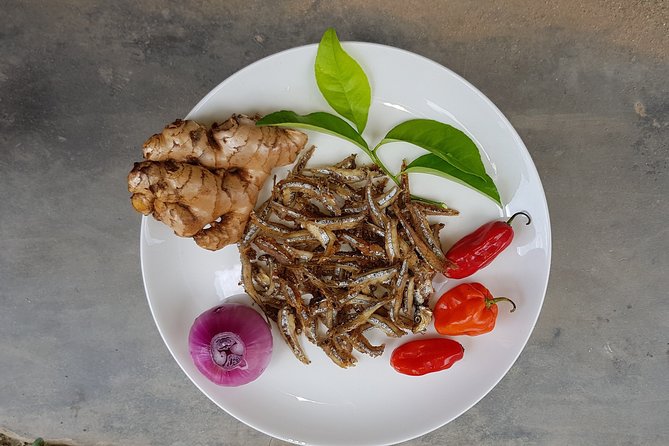
Zanzibar’s food can be bold without being hot in the chili-heavy sense. The seasoning here comes from a long list of aromatic ingredients: nutmeg, cloves, garlic, cinnamon, cardamom, pepper, and ginger. These spices add fragrance and warmth, so the meal should feel layered rather than simply spicy.
Coconut is another important part of the cooking. It can soften the sharper edge of spices and give sauces a rounded texture. Seafood adds a sense of place, especially in a coastal destination where fish is a natural part of the local diet.
The food also reflects Zanzibar’s position in the Indian Ocean. Indian and Arabic cooking traditions have influenced Swahili dishes, but the meal is not presented as a replica of either one. You are getting a blend shaped by Zanzibar itself.
A previous meal enjoyed at Mohammed’s small restaurant included barracuda in a lemon sauce. You cannot assume that exact dish will be served at Sahani, since the chef selects the food, but it gives you a useful idea of the kitchen’s seafood style. If you dislike fish or have an allergy, communicate that early.
A change of scene while you are in Zanzibar:
- From Kendwa: Mnemba Boat Trip and Dolphin Snorkel Adventure
★ 4.8 · 1,043 reviews - From Zanzibar: Day Selous Game Reserve Safari with Flights
★ 4.7 · 1,025 reviews - Zanzibar: Prison Island and Nakupenda Boat Trip with Lunch
★ 4.1 · 882 reviews - Skydive Zanzibar | Tandem Skydive
★ 5.0 · 877 reviews
Meeting Mohamed and the Family
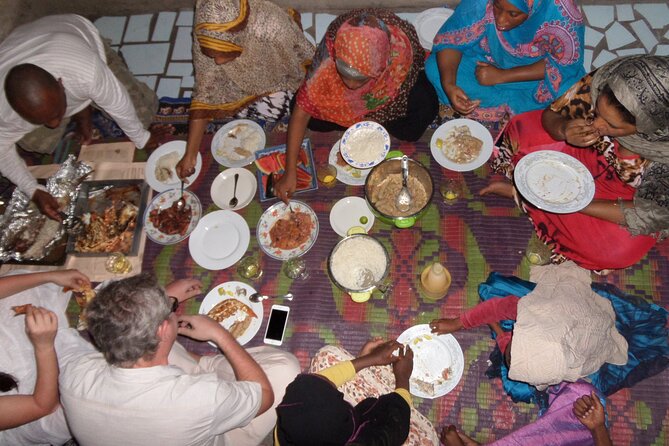
Mohamed, also referred to as Mohd in the available information, is connected with the family operation and handles much of the welcome and organization. He has also helped arrange airport transfers and other activities, including a snorkeling trip requested at short notice. That broader role may be helpful if you are combining this meal with other Zanzibar plans.
The strongest feature of the experience is the personal contact. You are not simply eating food labeled Swahili on a restaurant menu. You are introduced to a family and their home, with a chance to talk about how they live and how the food is made.
That setting can be more meaningful than a polished dining room, but it also comes with fewer formal guarantees. The service style may be relaxed and personal rather than timed like a conventional restaurant meal. If you want a quick, predictable dinner with several menu choices, a standard restaurant may suit you better.
For most people, the family setting is the reason to book. It gives the food context. A plate of rice, fish, vegetables, or coconut sauce becomes easier to understand when you have seen the kitchen and spoken with the people preparing it.
Small Groups Make a Difference
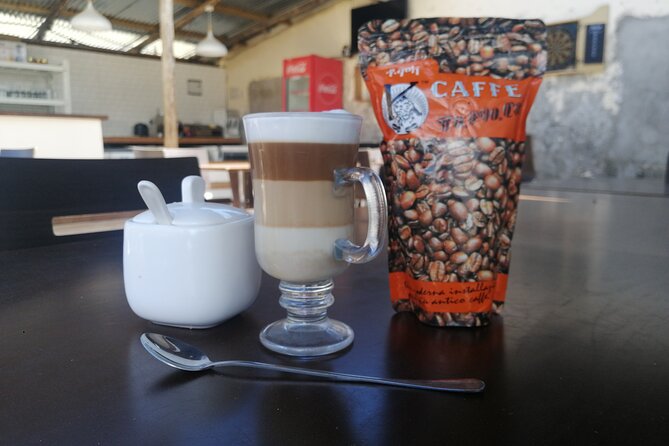
Sahani serves a maximum of 10 people. That limit is important because a home kitchen can feel crowded quickly. A small group should allow more room for conversation and make it easier to follow the cooking.
The activity is also described as private, with only your group participating. If you are booking for a family or a group of friends, this can make the evening more comfortable. You are not being folded into a large bus tour or rushed through a dining room full of unrelated groups.
There is a small point to clarify here. The kitchen’s maximum capacity is 10, but the activity is described as private. Ask how your party size will be handled if you are close to that limit, particularly if you want the cooking portion as well.
The experience should appeal to couples, families, and small groups who value conversation and local food. It may be less suitable for anyone who needs a fixed timetable, a broad choice of dishes, or a formal culinary class.
Pickup, Meeting Point, and Timing
The stated starting point is Bububu, at W629+RJ2 on Malawi Road, Zanzibar. The activity ends back at the meeting point. Free pickup and drop-off are offered in front of the Old Fort, and other pickup locations may be arranged on request.
That wording deserves attention. Sahani is promoted as a Stone Town food experience, but the listed meeting point is in Bububu, and other information connects the wider operation with Kiwengwa as well. Before booking, confirm the exact pickup location, the route, and whether your accommodation qualifies for pickup.
The Old Fort is a practical reference point if you are staying in or near Stone Town. If you are farther away, a pickup request may need separate planning. The listing says pickup is offered, but it does not provide a complete transfer timetable or guarantee a particular collection time from every part of Zanzibar.
Allow about two hours for the activity itself. If you cook, plan on starting around 5:00 p.m. for dinner at 6:00 p.m. If you only attend the meal, arrive in time for the host’s instructions and any welcome before dinner begins.
Is $35.90 a Fair Price?
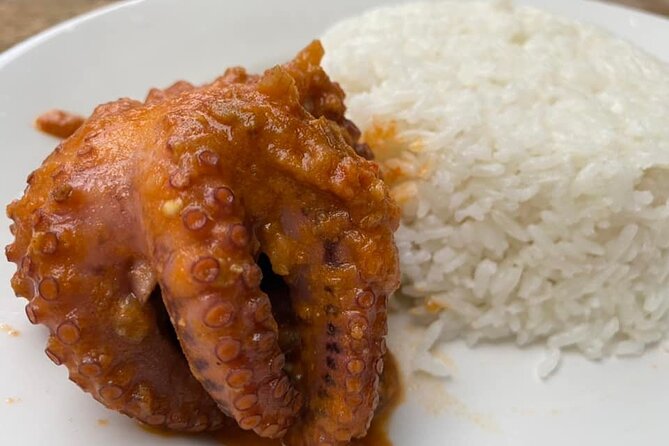
At $35.90 per person, Sahani costs more than simply ordering an inexpensive plate of food at a local café. But you are paying for more than the meal. The price covers a family-hosted setting, personal interaction, a chef-selected dinner, and the chance to add a cooking session before eating.
The value is strongest if you use the experience as a cultural evening rather than a restaurant visit. You get food, conversation, and a look at a local home kitchen in one booking. The small capacity also helps explain the price, since this is not a high-volume dining operation.
The value is weaker if you are mainly looking for quantity, menu choice, or a formal cooking lesson. The chef surprise format means you cannot compare individual dishes in advance, and the available details do not promise a printed recipe, a set number of courses, or specific beverages.
I would consider the price reasonable for someone who wants a personal introduction to Swahili cuisine. To get the most from it, book the cooking option, state any dietary needs early, and confirm pickup so the evening does not begin with avoidable confusion.
Who Should Book Sahani?
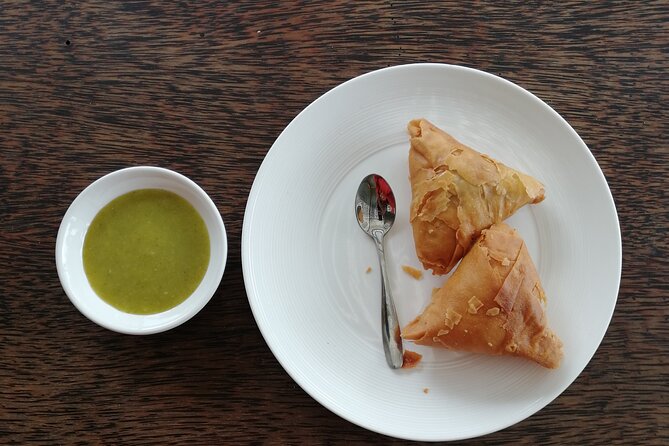
I would point food-minded visitors here first. If you want to understand Zanzibar through its cooking, the combination of family contact, spice-led dishes, seafood, coconut, and optional preparation time gives you more than a standard dinner.
It also suits people who have just completed a Spice Tour or a Stone Town walk. The meal helps connect the cloves, cardamom, cinnamon, ginger, and other ingredients you may have seen during the day with actual food on your plate.
Families can benefit from the relaxed format, especially if children enjoy seeing food prepared. Couples and small groups may appreciate the private arrangement and the chance to have a slower evening.
I would hesitate if you need a fully accessible or highly structured program, since the available details do not explain accessibility arrangements. I would also choose another option if you need a fixed menu, have several dietary restrictions that cannot be discussed in advance, or want a restaurant with a formal service style.
Booking confirmation is provided at the time of booking. You can cancel for a full refund up to 24 hours before the start time. Changes made inside that 24-hour window are not accepted, and poor weather may lead to a new date or a full refund.
Should You Book This Zanzibar Food Experience?
Book Sahani if you want local food with personal contact, not just a meal in a tourist dining room. Its strongest points are the family setting, the chef-selected Swahili dishes, the spice and seafood focus, and the optional cooking hour before dinner.
Before paying, send your dietary requests, ask which pickup point will be used, and confirm whether your group will attend privately if it is near the 10-person limit. Those small checks matter because the experience is informal and the exact menu is not fixed.
For an authentic introduction to Zanzibar cooking at a reasonable price, Sahani is a good choice. It is not the right pick for a formal cooking course or a menu-driven restaurant night, but it offers something more personal than either.
FAQ
Where does the Swahili Kitchen experience start?
The stated meeting point is Bububu, at W629+RJ2 on Malawi Road, Zanzibar, Tanzania. The activity ends back at the meeting point.
Is pickup available?
Yes. Free pickup and drop-off are offered in front of the Old Fort. Other pickup locations can be requested.
What time does dinner begin?
Dinner starts at 6:00 p.m. If you want to take part in cooking, the kitchen begins about one hour earlier, around 5:00 p.m.
Is there a set menu?
No. Sahani does not use a regular menu. The chef prepares a surprise meal, so tell the host about vegetarian needs when you book.
What type of food is served?
The meal focuses on traditional Swahili food influenced by Indian and Arabic cooking. Seafood, spices, coconut, vegetables, and herbs are central features.
How many people can join?
The kitchen serves a maximum of 10 people. The activity is also described as private, with only your group participating.
Can I cancel for a refund?
Yes. You can cancel at least 24 hours before the start time for a full refund. Cancellations or changes made less than 24 hours before the experience are not accepted. Poor weather may result in a different date or a full refund.
Newly listed around Zanzibar
- Zanzibar: Nungwi/Kendwa Beach Sunset Dhow Cruise with Fruits★ 3.4 · 3 reviews
- Prison Island, Sea Turtles, Rock Restaurant & Relax in Beach★ 4.6 · 3 reviews
- Starfish Beach; The Rock; Kuza Cave; Paje Beach; Salaam Cave Tour★ 4.5 · 3 reviews
- Zanzibar: Half-Day Spice Farm Tour,the flavours of Zanzibar★ 4.7 · 3 reviews
- Joazani forest & Spice farm with lunch★ 5.0 · 3 reviews
- Nakupenda Island Snorkeling Sea trip & Lunch W/Transfer -Zanzibar★ 4.0 · 3 reviews
- Mnemba Island Snorkeling and Dolphin tour★ 5.0 · 3 reviews
- Zanzibar:Jozani forest, Spice farm with Swahili Cuisine clas★ 4.2 · 3 reviews
Zanzibar Tours, compared.