Reviewed · ZANZIBAR TOURS
Spice and Fruit Tour
Zanzibar’s spice trade becomes much easier to understand when you see the plants themselves. At SISO Spice Farm, near Kidichi, you can smell, taste, and handle spices, herbs, roots, and tropical fruits instead of simply hearing a guide list them. The hands-on farm walk is the main reason to book this outing.
I like the private format, since your group can ask questions at its own pace, and I like that the $55 price includes transport, lunch, bottled water, and fruit tasting. The main consideration is timing: the farm visit lasts about two hours, so this is a focused introduction rather than a full-day rural excursion.
Key points to know before booking
- SISO Spice Farm near Kidichi: See and taste spices, herbs, roots, and fruits where they are grown.
- A private tour: Only your own group participates, giving the guide room to respond to your questions.
- Stone Town transfers included: Meet at Mizingani Road at 10:00 a.m. and return to the same meeting point.
- Lunch is part of the experience: Local dishes and exotic fruits are included, not added as an extra cost.
- Guide Saida may lead your visit: A recent booking specifically praised her explanations and flexibility.
- $55 covers the main costs: You still pay separately if you choose to buy spices at the farm.
Why Zanzibar’s spices make sense on a farm visit
Zanzibar is often linked with cloves, cinnamon, vanilla, and other fragrant products. In a shop, these spices are tidy little packets. At the farm, you get a better sense of their source and use.
The visit lets you see, smell, and taste local spices along with herbs, roots, and fruits. That matters because many spice names are familiar, but the fresh plant is not. A guide can show you what grows above ground, what comes from a root, and how the finished spice is used in Zanzibar and in cooking around the world.
This is also a good way to connect food with local life. The farm is not presented as a museum display. It is a rural setting where plants are the main attraction, and the guide’s explanations give the walk its shape.
You should keep your expectations sensible. The tour does not promise a large botanical garden, a long hike, or a detailed agricultural course. It is a roughly two-hour farm visit within a total outing of about two to three hours. That makes it easy to fit into a Stone Town stay, but it also means the experience is fairly compact.
A few more Zanzibar days to compare
- From Zanzibar: Mikumi Safari Day Trip with Flights and Meal
★ 4.7 · 1,470 reviews - Zanzibar: Quad Bike Adventure departing from Kendwa or Nungwi
★ 4.9 · 1,233 reviews - Zanzibar: Stone Town, Spice Tour, Prison Island with Lunch
★ 4.4 · 1,219 reviews
Leaving Stone Town at 10 a.m.
The tour begins at 10:00 a.m. on Mizingani Road in Stone Town. Round-trip transport is included, which removes one of the awkward parts of visiting a rural farm: arranging a taxi, checking the destination, and working out how to get back.
That transfer has real value. A $55 tour can look different once you add separate transport, a guide, lunch, water, and fruit. Here, those basics are bundled together. You can leave Stone Town knowing that the return ride is part of the plan.
The meeting point is important. You should confirm the exact pickup details when you book, since the listed start location is Mizingani Road rather than a specific hotel. Confirmation is provided at booking, and the activity ends back at the meeting point.
The schedule is also friendly to a morning in town. You do not need to give up an entire day at the coast. After returning, you can still have time for Stone Town sights, shopping, or a slower afternoon.
Walking through SISO Spice Farm
The central stop is SISO Spice Farm, described as a rural spice farm near Kidichi. The listed farm portion lasts about two hours and includes admission.
Expect the guide to introduce plants one by one. You will be able to smell and taste local spices, then compare them with herbs, roots, and fruit. The sensory side is important here. Smell is often the fastest way to remember a plant, and tasting adds a practical link between the farm and the food served later.
The guide also explains how the spices are used in Zanzibar and internationally. That gives the visit two layers. One is local, showing how ingredients fit into Zanzibari cooking and daily use. The other looks outward, explaining why these products matter beyond the island.
The private format helps at this stop. You are not joining a large group with a fixed script and a long line of people waiting to smell the same plant. Only your group participates, so you can ask about a particular spice, cooking method, or fruit without holding up a busload of people.
The guide is central to the quality of the visit. Saida is specifically associated with one highly rated booking, where she explained the different spices and guided the farm walk. You should not assume she will lead every departure, but her name is useful to know when confirming your guide.
A small practical point: this is a farm walk, so comfortable footwear makes sense. The supplied details do not specify the path or terrain, so you should avoid expecting a polished indoor attraction. The rural setting is part of the point, but it may feel less structured than a formal museum visit.
Fruit tasting and a local lunch
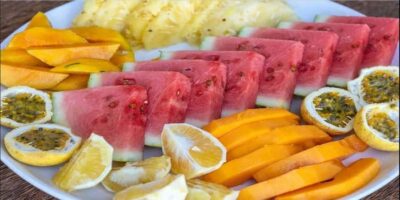
Fruit tasting is included, and it adds welcome variety to a spice-focused morning. You will not only smell pungent ingredients. You will also try exotic fruits, which helps show the wider range of produce associated with Zanzibar.
The lunch is included as well. It consists of local dishes, giving you a chance to taste the island’s food rather than simply hearing about it. This is one of the strongest parts of the value calculation because a meal and drinks can quickly add to the cost of a half-day outing.
Bottled water is provided. That is a modest detail, but it is useful during a warm outdoor visit. You do not need to plan around finding a shop at the farm.
Dietary needs deserve advance attention. Saida’s booking was able to accommodate a vegetarian meal, so vegetarian visitors have a helpful example of flexibility. Still, you should state your requirements when booking rather than waiting until lunch. The available information does not promise every type of special diet.
The food element also gives the tour a natural finish. The farm walk explains ingredients, then lunch shows how local food brings those ingredients together. It is a better sequence than treating the meal as an unrelated add-on.
A change of scene while you are in Zanzibar:
- From Kendwa: Mnemba Boat Trip and Dolphin Snorkel Adventure
★ 4.8 · 1,043 reviews - From Zanzibar: Day Selous Game Reserve Safari with Flights
★ 4.7 · 1,025 reviews - Zanzibar: Prison Island and Nakupenda Boat Trip with Lunch
★ 4.1 · 882 reviews - Skydive Zanzibar | Tandem Skydive
★ 5.0 · 877 reviews
What the $55 price really covers
At $55 per person, this tour is not simply a ticket to a farm. The fee includes:
- Round-trip transfers from Stone Town
- A local professional guide
- Farm admission
- Local taxes
- Bottled water
- Fruit tasting
- Lunch
That package makes the price reasonable for visitors who want a simple, organized outing. You are paying for transport and interpretation as much as for entry. If you arranged the same pieces separately, you would need to compare taxi costs, guide fees, admission, food, and the time spent organizing them.
The private arrangement gives the price another advantage. You are not paying for a large shared group experience. Only your own party takes part, which can be especially useful for families, couples, or friends with different levels of interest in food and plants.
Still, value depends on what you want. If you are looking for a full-day trip with several sights, this outing may feel short. If you want a manageable introduction to Zanzibar’s spices with food included, the package is much better suited.
The main extra expense is optional: spices purchased at the farm are not included. You can listen, taste, and learn without buying anything. If you do want to take products home, treat that as shopping rather than part of the tour cost.
The private format and guide style
A private tour changes the rhythm. You can pause when something interests you, ask for a clearer explanation, or move on when you have seen enough. That is a practical advantage over a fixed group visit, especially at a farm where individual curiosity matters.
The available feedback gives Saida particular credit for explaining the different spices and making the walk enjoyable. It also notes flexibility with a vegetarian lunch and with a ride to Nungwi. That extra ride is not listed as a standard inclusion, so do not assume every booking includes transport beyond the Stone Town transfer. It does show that requests may be worth raising in advance.
Your guide is also the person who connects the plants to Zanzibar’s culture and international trade. Without that explanation, a farm walk could become a pleasant but fairly loose stroll. With it, the smells and flavors have a clearer purpose.
Because only your group participates, this outing may work well for visitors who dislike crowded tours. It is also a sensible choice if you have children or a mixed group, since the guide can spend more time on the parts that hold your attention.
The trade-off is that a private tour depends heavily on the individual guide. The operator is Colors of Zanzibar, and Saida is one named guide connected with the experience, but the available details do not identify every guide or give a fixed script. Confirming your guide and any special requests ahead of time is wise.
Who will enjoy this farm visit most
I would recommend this experience to you if you want a short cultural outing from Stone Town, enjoy food-based activities, or prefer seeing ingredients in their growing environment. It is also a good match if you want transport handled for you and do not want to spend a day planning a rural visit.
Families may like the sensory format. Smelling and tasting plants can be more engaging than listening to a long historical talk. Couples and small private groups will appreciate the relaxed pace and the included lunch.
Vegetarians should mention their needs at booking. The available experience includes an example of a vegetarian meal being arranged, but that is not the same as a blanket promise for every dietary request.
This tour may be less suitable if your main goal is a long, demanding outdoor adventure. The farm visit is about two hours, and the full activity is only about two to three hours. It also may not satisfy visitors seeking a large market, a cooking class, or a full account of Zanzibar’s agricultural economy, since those features are not part of the stated program.
For first-time visitors, I see it as a useful bridge between Stone Town and the island’s countryside. You get out of the historic center, learn about a major part of Zanzibar’s food identity, and return without giving up the whole day.
Timing, cancellation, and useful planning notes
The activity begins at 10:00 a.m. and ends back at the Mizingani Road meeting point. The listed duration is approximate, so you should avoid scheduling another fixed activity immediately afterward.
Confirmation arrives at the time of booking. Mobile tickets are supported, which keeps the entry process simple. Most people can participate, according to the supplied booking information, though no detailed accessibility information is provided.
Free cancellation is available if you cancel at least 24 hours before the local start time. Cancellations made within 24 hours are not refunded, and changes in that final 24-hour window are not accepted. If your Stone Town plans are still uncertain, make the decision early.
Bring an appetite and an interest in trying unfamiliar flavors. Lunch and fruit are included, but the most useful thing you can bring is curiosity. The farm visit works best when you smell and taste actively instead of treating it as a quick photo stop.
Should you book the SISO Spice Farm tour?
Book it if you want a well-priced, private half-day experience that combines local transport, a guided farm walk, fruit tasting, and lunch. The strongest reasons are the hands-on look at spices, the small-group attention, and the simple logistics from Stone Town.
Think twice if you need a full-day itinerary, a cooking lesson, or extensive information about farming. The experience is focused and fairly short.
For most visitors with a free morning in Stone Town, I would make the booking. Ask about the guide, mention dietary needs, and confirm any onward transport request. Then enjoy the scents, flavors, and rural setting without expecting the farm to be something it does not claim to be.
FAQ
Where does the Spice and Fruit Tour take place?
The tour visits SISO Spice Farm near Kidichi in rural Zanzibar.
Where is the meeting point?
The listed meeting point is on Mizingani Road in Stone Town, Zanzibar.
What time does the tour start?
The tour starts at 10:00 a.m.
How long does the experience last?
The total activity takes approximately two to three hours. The farm visit itself is listed as two hours.
Is transport included?
Yes. Round-trip transfers from Stone Town are included, and the activity ends back at the meeting point.
What food and drinks are included?
The price includes bottled water, fruit tasting, and lunch featuring local dishes.
Is this a private tour?
Yes. Only your own group participates in the activity.
Can I cancel for a full refund?
Yes, if you cancel at least 24 hours before the local start time. Cancellations made less than 24 hours before the start are not refunded.
Newly listed around Zanzibar
- Zanzibar: Nungwi/Kendwa Beach Sunset Dhow Cruise with Fruits★ 3.4 · 3 reviews
- Prison Island, Sea Turtles, Rock Restaurant & Relax in Beach★ 4.6 · 3 reviews
- Starfish Beach; The Rock; Kuza Cave; Paje Beach; Salaam Cave Tour★ 4.5 · 3 reviews
- Zanzibar: Half-Day Spice Farm Tour,the flavours of Zanzibar★ 4.7 · 3 reviews
- Joazani forest & Spice farm with lunch★ 5.0 · 3 reviews
- Nakupenda Island Snorkeling Sea trip & Lunch W/Transfer -Zanzibar★ 4.0 · 3 reviews
- Mnemba Island Snorkeling and Dolphin tour★ 5.0 · 3 reviews
- Zanzibar:Jozani forest, Spice farm with Swahili Cuisine clas★ 4.2 · 3 reviews
Zanzibar Tours, compared.