
Reviewed · SPICE FARM TOURS
Spice Tour Zanzibar
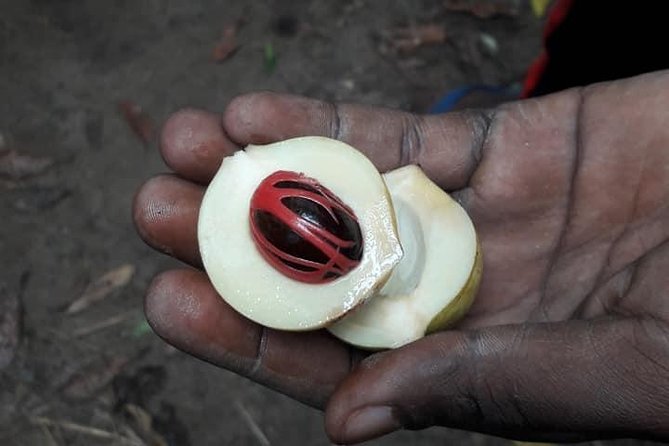
Zanzibar’s spice farms turn a familiar kitchen shelf into a living lesson. On this three-hour visit to Zanzibar Spices and Heritage Centre, you walk among the plants, crush leaves, smell bark, taste fruit, and learn how vanilla, cloves, cardamom, and nutmeg grow. The coconut harvesting demonstration adds a bit of island theater, too.
I like the small group of no more than nine, since a guide can give you more attention than on a large coach outing. I also like the practical pickup from Stone Town hotels, air-conditioned transport, and bottled water. A guest named Salum was praised for his care and clear explanations, and the visit can include a handwoven leaf crown and basket to take home.
The main consideration is the short length. Three hours gives you a good introduction, but it is not a full-day farm visit with lunch. Lunch is not included, and the experience depends on good weather, so keep your schedule flexible.
Key points to know before you book
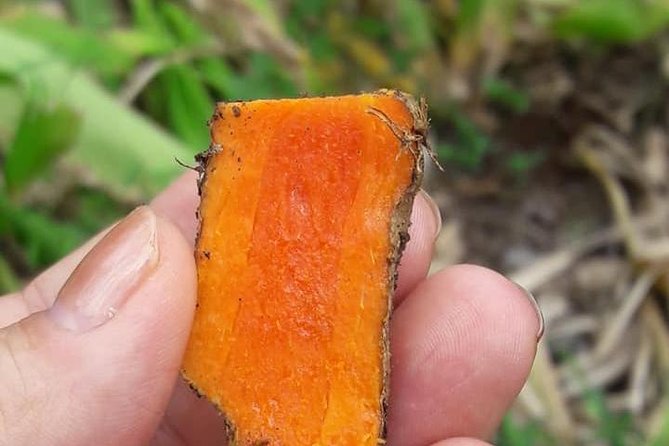
- Touch and taste the plants: You do not simply walk past spice beds. You handle leaves, roots, bark, vines, and creepers, then try to identify them.
- A coconut demonstration adds local color: You may see a coconut harvested as part of the farm visit.
- Salum may be your guide: One detailed account praised Salum’s care and explanations, though a specific guide cannot be guaranteed.
- Stone Town transfers are built in: Pickup is offered from Stone Town hotels, with the activity beginning and ending at the listed meeting point.
- The group stays intimate: A maximum of nine people makes questions and personal attention easier.
- The price is $70 per person: That is a fair fit if you value transport, a guide, admission, and a focused cultural stop in one short outing.
Why Zanzibar’s spices belong in the garden, not just the kitchen
Zanzibar earned its Spice Island nickname through the trade in cloves, vanilla, nutmeg, and cardamom. These plants arrived from Asia and South America, then adapted to the island’s tropical climate. A farm walk gives you the missing part of the story: spices are not anonymous powders in jars. They come from trees, vines, roots, leaves, and seed pods.
I find this kind of visit useful because it works for both curious cooks and first-time visitors who want more than beaches. You learn where the scent of cardamom comes from, how vanilla grows, and why different parts of a plant end up in food, drinks, or traditional remedies.
The farm setting also makes the lesson easy to remember. Instead of hearing a long talk indoors, you use your hands and nose. You may crush a leaf, inspect a bark, follow a vine up a tree, or taste a fruit growing nearby. That physical contact is the heart of the experience.
More spice farm mornings:
- Zanzibar: Stone Town, Spice Tour, Prison Island with Lunch
★ 4.4 · 1,219 reviews - Zanzibar: Prison Island, Stone Town, & Spice Farm Tour
★ 4.5 · 579 reviews - Zanzibar: Stone Town, Spice tour & Prison Island with Lunch
★ 4.6 · 453 reviews
Walking through the Zanzibar Spices and Heritage Centre
The main stop is Zanzibar Spices and Heritage Centre, where the guided plantation walk fills most of your visit. Admission is included, so you can focus on the plants and the guide rather than arranging separate entry.
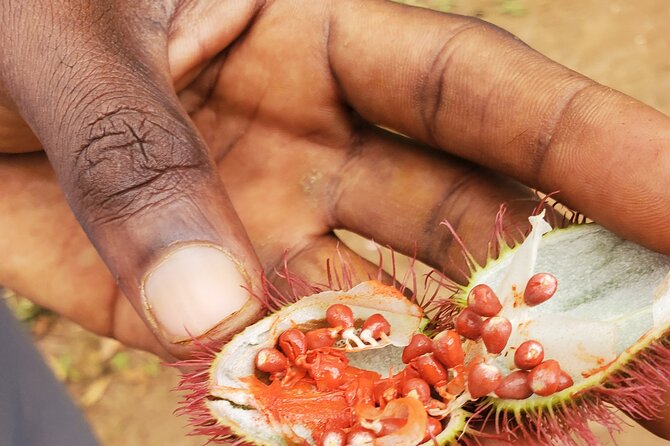
Expect an active walk rather than a formal museum tour. Your guide leads you through the farm and points out the plants as you go. You will be asked to smell and identify different spices, which turns the route into a simple guessing game. Some will be familiar once named, while others may be harder to place in their natural form.
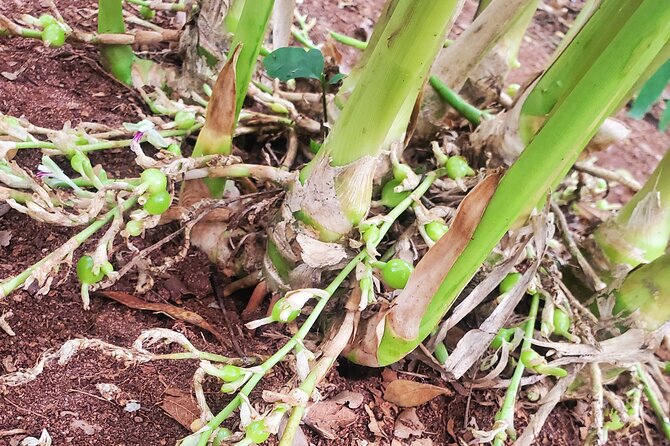
The walk can cover vanilla, cardamom, cinnamon, cloves, nutmeg, and other seasonal plants. The exact mix depends on the time of year, so you should not treat the list as a guaranteed checklist. That seasonal variation is part of the point. Farms change, and not every plant looks the same at every visit.
You also learn about uses beyond cooking. The guide explains how certain spices are used in food and drinks, along with their role in traditional medicine. The information is practical rather than academic, which suits a short excursion.
From crushed leaves to climbing vanilla vines
The best part of the walk is the change in scale. One moment you are looking at a broad green plant, and the next you are examining a small pod, a piece of bark, or a root. You get a better sense of how much work sits behind a small amount of spice.
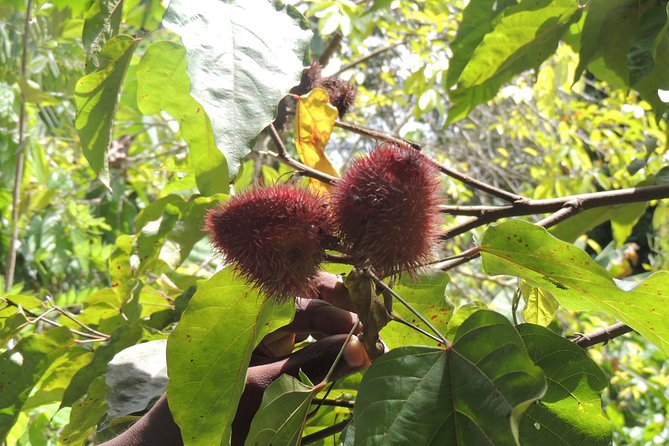
Vanilla is especially interesting because it grows on a vine rather than appearing as a ready-made bean in a jar. Cardamom, cloves, cinnamon, and nutmeg each offer a different lesson in plant parts and harvesting. The guide can help you connect the smell or taste to the part of the plant being used.
You should pay attention to your own senses. The farm is not just a place to collect facts. Smell the leaves before the guide names them. Taste what is offered. Notice how the fresh plant differs from the dried spice you use at home.
The tour is also suitable for people who do not know much about spices. You do not need prior knowledge, and the small group makes it easier to ask basic questions without feeling rushed. Most travelers can participate, according to the stated activity information.
The coconut harvest and handmade gifts
A coconut harvesting demonstration gives the visit a more hands-on island feel. It is a memorable break from the spice identification, since you get to see how a familiar tropical food is collected rather than simply served at a table.
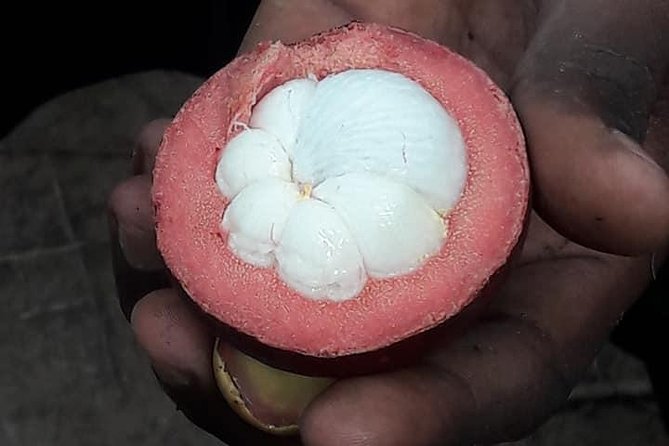
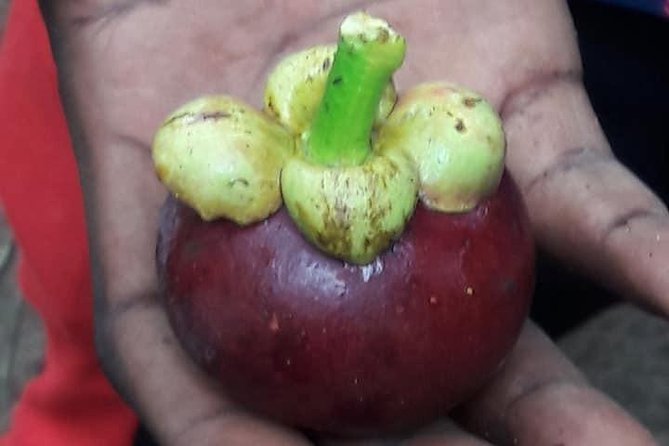
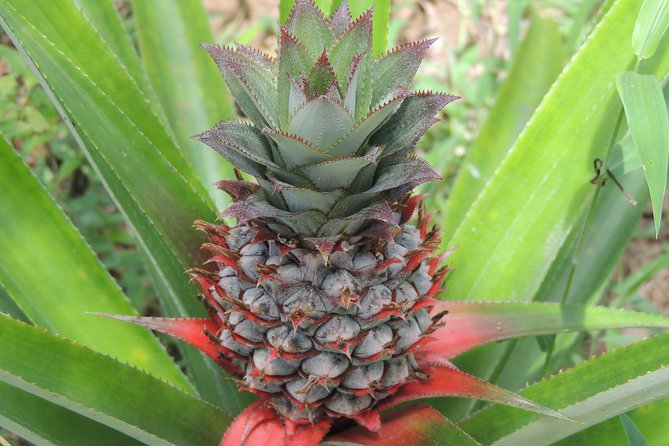
One account of the experience also described local fruit grown on the farm. The exact fruit depends on what is available, but this part helps broaden the visit beyond commercial spices. You may have the chance to taste produce in the place where it grows.
You may also receive a handwoven crown and basket made from leaves. These are modest souvenirs, but they are more personal than a standard shop purchase. I like that this detail connects the visit to local making skills, not just agriculture.
Do not assume every small extra is guaranteed in the same form. Seasonal crops and farm activities can change. Still, the coconut demonstration, local fruit, and leaf weaving make the outing feel more complete than a simple walk past labeled plants.
A few more Zanzibar days to compare
- From Zanzibar: Mikumi Safari Day Trip with Flights and Meal
★ 4.7 · 1,470 reviews - Zanzibar: Quad Bike Adventure departing from Kendwa or Nungwi
★ 4.9 · 1,233 reviews - From Kendwa: Mnemba Boat Trip and Dolphin Snorkel Adventure
★ 4.8 · 1,043 reviews - From Zanzibar: Day Selous Game Reserve Safari with Flights
★ 4.7 · 1,025 reviews
Why the small group matters
The maximum group size is nine. That is small enough for the guide to gather everyone around a plant, pass something around for smelling, and respond to questions without using a loudspeaker.
This matters most during the hands-on parts. If you are trying to identify a spice by scent, you want time to handle it rather than watch from behind a crowd. If you have questions about medicinal or cooking uses, a compact group gives you a better chance to ask.
The experience has been highly rated, with a 4.8 out of 5 score from 15 ratings and a 100 percent recommendation figure. Those numbers suggest a strong response, but the sample is small. I would read them as encouraging rather than as a guarantee that every visit will feel identical.
The guide makes a real difference. Salum was singled out for being caring and for explaining how spices grow and are harvested. If Salum leads your outing, you can expect that personal, attentive approach based on the available account. The provider is Halisi Africa Tours, but a particular guide is not promised.
Stone Town pickup keeps the afternoon simple
Pickup is offered from all Stone Town hotels, and the listed starting point is Tembo House Hotel on Shangani Street, near Forodhani Street. The tour ends back at the meeting point, which makes it easier to plan another Stone Town activity afterward.
Air-conditioned transport is included. In Zanzibar’s tropical climate, that matters even for a short transfer. You can spend the ride cooling off rather than worrying about arranging a separate taxi to the farm.
The included mineral water is another small but useful touch. You should still dress for a warm outdoor walk, but the provided bottle means one basic need is covered. The supplied information does not specify clothing rules, footwear, or the exact farm driving time, so do not expect a detailed packing list from the tour description.
The total activity lasts about three hours. That makes it easy to fit into a Stone Town stay, especially if you want one cultural outing without giving up an entire day. It also means the pace may feel brisk if you stop often to take photos or ask many questions.
Is $70 a fair price?
At $70 per person, this is not the cheapest possible way to see rural Zanzibar. The value comes from combining several useful pieces: hotel pickup, air-conditioned transport, admission, a local guide, bottled water, and a small group capped at nine.
If you arranged transport separately and visited a farm without a guide, you might spend less, but you would lose the organized explanation that gives the plants meaning. The tour is strongest for you if convenience and interpretation matter more than finding the absolute lowest price.
Lunch is not included. Since the activity lasts about three hours, that is not a serious problem, but you should plan your meal separately. The price covers the tour itself, not a full food excursion.
I would compare this cost with your schedule. If you have only a short time in Zanzibar and want a guided look at an important part of island culture, $70 can be sensible. If you already have transport and prefer to explore farms independently, the package may feel less valuable.
Who will get the most from this tour?
I would recommend it to first-time visitors who want a clear introduction to Zanzibar’s agricultural and trading traditions. It also suits cooks, gardeners, families, and anyone who enjoys learning through smell and taste rather than through signs alone.
The three-hour format works well for a Stone Town base. You can add it to a day that includes the old town, or use it as a focused afternoon excursion. The return to the meeting point avoids the hassle of figuring out a second ride home.
The experience may be less suitable if you want a long farm stay, a large meal, or a full-day countryside program. Lunch is not included, and there is no promise of an extended cooking class or market visit. You are booking a guided plantation walk with transport, not an all-day food tour.
Most travelers can participate, and the group is limited to nine. The available information does not give detailed accessibility notes, so if you have specific mobility needs, confirm the practical arrangements before paying.
Weather, timing, and cancellation details
Good weather is required. If poor weather forces cancellation, you are offered another date or a full refund. You can also cancel for a full refund if you do so at least 24 hours before the start time.
Do not wait until the last day to change plans. Cancellations or changes made less than 24 hours before the experience are not accepted for a refund, and the cut-off follows Zanzibar local time.
The experience is commonly booked about 26 days ahead. That timing is useful if your Zanzibar dates are fixed, especially if you want a particular morning or afternoon. A mobile ticket is provided, and confirmation arrives when you book.
Should you book the Spice Tour Zanzibar?
Book it if you want a short, well-organized introduction to the plants that shaped Zanzibar’s identity. The strongest reasons are the hands-on walk, small group, included Stone Town transfers, and the chance to see more than a row of labeled plants. The coconut demonstration, local fruit, and leaf-made souvenirs add welcome character.
I would skip it only if you are looking for a full-day farm outing, a meal, or a very low-cost independent visit. For most Stone Town visitors, the $70 price buys useful convenience and a focused local experience without consuming a whole day.
FAQ
How long does the Spice Tour Zanzibar last?
The experience lasts approximately three hours.
Where does the tour start?
The listed meeting point is Tembo House Hotel on Shangani Street and Forodhani Street in Zanzibar. The tour ends back at the meeting point.
Is hotel pickup included?
Pickup is offered from all Stone Town hotels.
What is included in the price?
The $70 price includes an air-conditioned vehicle, admission and other stated fees, and mineral water.
Is lunch included?
No. Lunch is not included in the tour price.
How many people can join the tour?
The activity has a maximum group size of nine travelers.
Can I cancel for a full refund?
Yes. You can cancel at least 24 hours before the experience start time for a full refund. If poor weather causes the provider to cancel, you are offered another date or a full refund.
Newly listed around Zanzibar
- Zanzibar: Nungwi/Kendwa Beach Sunset Dhow Cruise with Fruits★ 3.4 · 3 reviews
- Prison Island, Sea Turtles, Rock Restaurant & Relax in Beach★ 4.6 · 3 reviews
- Starfish Beach; The Rock; Kuza Cave; Paje Beach; Salaam Cave Tour★ 4.5 · 3 reviews
- Zanzibar: Half-Day Spice Farm Tour,the flavours of Zanzibar★ 4.7 · 3 reviews
- Joazani forest & Spice farm with lunch★ 5.0 · 3 reviews
- Nakupenda Island Snorkeling Sea trip & Lunch W/Transfer -Zanzibar★ 4.0 · 3 reviews
- Mnemba Island Snorkeling and Dolphin tour★ 5.0 · 3 reviews
- Zanzibar:Jozani forest, Spice farm with Swahili Cuisine clas★ 4.2 · 3 reviews
Spice Farm Tours, compared.



Full-Day Private Stone Town +Spice Farm and Prison Island Tour
Read our review →
The Swahili Spice Experience – Spice Tour + Culinary Journey
Read our review →Browse the lists this tour appears in