
Reviewed · ARUSHA TOURS
7-Day Midrange Tanzania Safari Adventures (Big 5)
The best part of this safari is its sweep: in seven days, you move from baobab-dotted Tarangire to flamingo-filled Lake Manyara, the endless Serengeti, and Ngorongoro Crater. You get a real taste of northern Tanzania rather than spending the whole trip in one park.
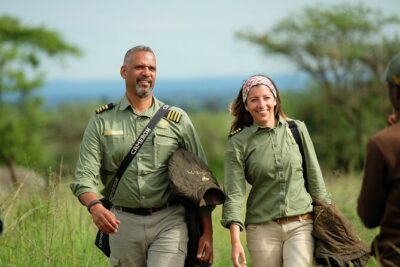
I like the private format, since only your group rides with the guide, and I like the strong wildlife focus. Guides including Justin, Denis, Gasper, and Rapha have been praised for sharp eyes, good road sense, and useful animal knowledge. The tradeoff is simple: there is plenty of time in the vehicle, especially between parks, and the itinerary moves at a brisk pace.
Key points to know before booking
- Four major wildlife areas: Tarangire, Lake Manyara, Serengeti National Park, and Ngorongoro Conservation Area all appear in one seven-day route.
- A private safari vehicle: Only your group participates, which gives you more say in the pace and makes the trip easier for families or couples.
- Two Serengeti nights: The full day in the park gives you more time for wildlife than a quick afternoon visit alone.
- A strong guide matters: Justin, Denis, Gasper, and Rapha are among the guides praised for spotting animals and handling rough roads.
- Big Five potential, not a promise: Lions, leopards, elephants, buffalo, and rhinos may be seen, but wildlife is wild and sightings vary.
- About $2,924 per person: The price can be good value for a private, multi-park safari, but confirm exactly which lodging, meals, park fees, and transfers are included before paying.
Why this seven-day route works
Northern Tanzania gives you several very different safari settings in a single trip. Tarangire is known for elephants and giant baobabs. Lake Manyara brings forests, monkeys, birds, and the chance to see lions in trees. Serengeti offers vast open country and major predator sightings. Ngorongoro Crater packs a large amount of wildlife into a relatively small area.
That variety is the main reason to choose this trip. You are not simply repeating the same game drive each day. The scenery changes, the animals behave differently in each place, and each park has its own mood.
The route also includes two nights in the Serengeti, which is important. A short visit can feel rushed because the park is large and animals are spread across a huge area. A full day gives your guide more time to search for cats, herds, hippos, crocodiles, and other wildlife without treating every sighting as a quick stop.
Still, seven days is not a leisurely schedule. Day 4 includes the drive from the Ngorongoro highlands into the Serengeti, and Day 6 combines a morning game drive, a long transfer, and a crater visit. You will see a lot, but you should expect early starts, picnic lunches, dust, and hours on safari roads.
More Safaris in Arusha
- Balloon Safari & Bush Breakfast in Serengeti – Miracle Experience
★ 5.0 · 1,646 reviews - 4 Days Group Camping Safari
★ 5.0 · 1,101 reviews - 5 Days Group Camping Safari
★ 5.0 · 730 reviews
Day 1: A simple arrival in Arusha
The safari begins with pickup from Kilimanjaro International Airport, Arusha Airport, or the Namanga border. A company representative takes you to your accommodation in Arusha, with the drive listed at about one hour.
This first day is mainly about getting settled. That is useful after an international flight, particularly if your arrival time is awkward or you need to meet your guide the next morning. The tour gives Day 1 roughly eight hours, but the actual sightseeing content is limited.
Arusha is the practical gateway for northern Tanzania safaris. If you arrive with time to spare, you may be able to rest, check your luggage, and prepare for several days in a vehicle. Since the exact accommodation is not identified in the supplied details, ask for its name and location before departure.
Day 2: Elephants and baobabs in Tarangire
After breakfast, your guide collects you and drives about two hours to Tarangire National Park. This is a very good opening park because the journey from Arusha is manageable and the scenery changes quickly from town and farmland to open savannah.
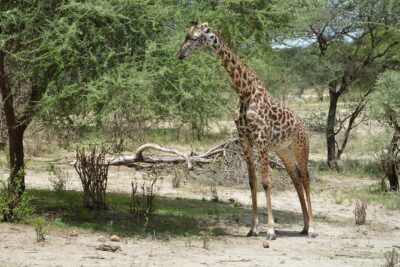
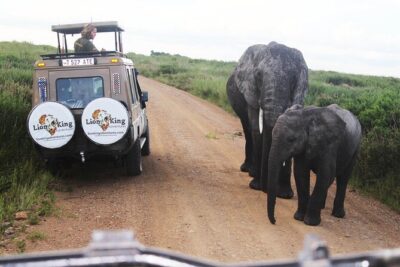
Tarangire is especially appealing if elephants are high on your wish list. Family groups gather around the Tarangire River and seasonal swamps, while giraffes, bushbuck, hartebeest, buffalo, zebra, and wildebeest may appear nearby. Lions and leopards are also present, with cheetahs seen more rarely.
The park’s baobabs give it a look that differs from the Serengeti. These huge trees rise above the grass and acacia, creating memorable photographs even when animals are not close by. From the open roof of the safari vehicle, you can watch the country without glass between you and the view.
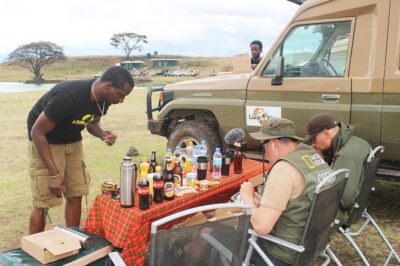
The day includes a picnic lunch and about eight hours at the stop. That sounds straightforward, but the two-hour transfer each way and rough park roads can make this a full day. Tarangire’s animal activity changes with the season, so the river and wet areas may draw especially large numbers at some times of year.
Day 3: Forest, flamingos, and tree-climbing lions
Lake Manyara National Park is a smaller park than the Serengeti, but it offers a sharp change of scenery. You collect a lunch box after breakfast and continue toward the shallow salt lake, which expands and contracts with the seasons.
The lake is known for thousands of flamingos and more than 500 bird species. Even if you are not a keen birder, the variety adds interest to the drive. The park also contains open grassland, woodland filled with primates, and cliffs dotted with baobabs.
You might see monkeys, giraffes, zebras, wildebeest, buffalo, and elephants. Lions lounging in trees are one of the park’s famous possibilities, though the wording matters: this is a chance, not a scheduled show. Wildlife sightings can never be guaranteed.
Lake Manyara gives you a useful contrast with Tarangire. Instead of mostly open savannah, you pass through wooded areas where monkeys can be active and visibility changes from one stretch of road to the next. The park is roughly 120 kilometers west of Arusha, and the day is listed at about eight hours.
The drawback is that Lake Manyara can feel short if your main goal is the Serengeti. Its smaller size makes it a good sampler of northern Tanzania, but it does not offer the same scale as the larger parks.
A change of scene while you are in Arusha:
- Tanzania Classic – 7 Days
★ 5.0 · 1,151 reviews - Materuni Waterfalls, coffee tour & Kikuletwa Hot Springs
★ 5.0 · 643 reviews - 3 Days Serengeti & Ngorongoro Group Camping Safari
★ 5.0 · 574 reviews - 7-Day Premium Luxury Tanzania Safari All-Inclusive
★ 5.0 · 426 reviews
Day 4: Through the highlands to the Serengeti
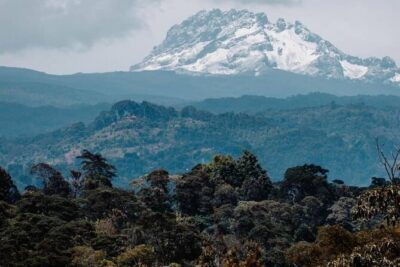
Day 4 is a travel-heavy day, but it also gives you a striking change in elevation and scenery. After breakfast, you pass through fertile highlands where Iraqw communities grow wheat, coffee, and corn. You also pass through the Ngorongoro Conservation Area and can see the Ngorongoro Crater before continuing toward the Serengeti.
This is not just a transfer between two parks. The highland farms and crater rim help you understand that northern Tanzania is not only wilderness. Cultivated areas, local communities, conservation land, and national parks all sit close together.
You carry a picnic lunch and reach the Serengeti in the afternoon. The park is Tanzania’s largest and includes grassy plains, swamps, lakes, savannah, and mountains. An afternoon game drive follows before dinner and the overnight stay at Serengeti Heritage Tented Camp.
The camp is named for both Serengeti nights in the supplied plan. Exact room style and facilities are not specified, so ask what kind of tented accommodation you will receive. The phrase lodge safari suggests more comfort than basic camping, but it is wise to confirm the standard rather than assume.
Because you arrive in the afternoon, the first Serengeti game drive is a useful introduction rather than a full day of searching. The real advantage comes on Day 5.
Day 5: A full day on the Serengeti plains
This is the heart of the safari. After breakfast, you spend a full day exploring the Serengeti, with the schedule listed at about 12 hours.
The Serengeti is famous for its moving herds of wildebeest and zebra. Their route depends on rainfall and shifts from year to year, so the timing of your trip matters. You may see a migration concentration, but no responsible operator can promise a particular river crossing or herd location.
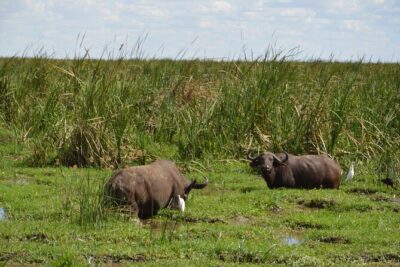
The park also supports impalas, buffalo, crocodiles, hippos, lions, leopards, and cheetahs. A good guide can make a major difference here. Several guides associated with this company, including Justin, Denis, Gasper, and Rapha, have been praised for finding animals, sharing facts, and working hard to position the vehicle well.
One especially useful detail from past trips is the value of communication between guides. Justin has been praised for using contacts with other guides to learn where animals had been spotted. That does not guarantee a sighting, but it shows why a guide who pays attention to the wider safari network can improve your chances.
A 12-hour game drive is exciting, but it is also tiring. You should be comfortable with long periods seated in a safari vehicle and with meals taken on the road. The reward is time: you can wait with a pride of lions, follow a herd, or search a broad area instead of turning back after a few hours.
Day 6: Wildlife packed into Ngorongoro Crater
Day 6 begins early with breakfast and an en-route game drive through the Serengeti. This offers one more chance to spot animals before the transfer to the Ngorongoro Conservation Area.
The Ngorongoro Crater formed millions of years ago. It is about 600 meters deep and covers roughly 260 square kilometers, with an estimated animal population of about 25,000. Those figures explain why crater game viewing can be so productive.
You reach the crater rim before lunch, then descend into the crater. Within minutes, you may see wildebeest, zebra, gazelles, elephants, and birds. More than 500 bird species are recorded in the area, so the crater is not only a Big Five stop.
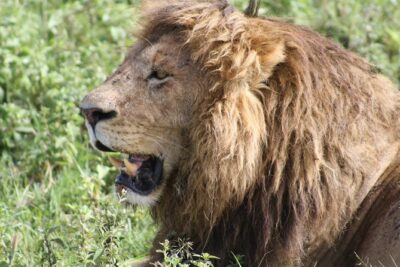
The crater’s enclosed setting gives it a different feel from the open Serengeti. Wildlife is concentrated, and the rim provides dramatic views before the road drops down to the floor. You might find lions, buffalo, rhinos, and other animals, but the Big Five label should be treated as a goal rather than a guarantee.
The main concern is the day’s workload. An early game drive, a transfer, a crater descent, and a crater game drive can leave you worn out. It is also a day when the quality of the guide matters, since good timing and patient searching help you use the limited hours well.
Day 7: Back to Arusha and onward
After breakfast, you drive back to Arusha for your onward journey to Zanzibar or home. The listed drive time is about four hours, though your final timing depends on the road, your departure plan, and any stops arranged with the operator.
The company can work around your updated travel plan. If you fly home on a KLM flight, a hot lunch and airport drop-off are offered, according to the supplied details. You are also expected to have time for shopping for gratuities.
That last point is practical. Safari tipping is part of the planning for many visitors, so leaving room for it is helpful. If you are connecting to Zanzibar or another flight, confirm the exact drop-off time rather than relying only on the approximate four-hour figure.
Guides can shape the whole safari
The strongest praise attached to this experience centers on the guides. Denis is described as an experienced driver with more than 17 years in safari work, strong road knowledge, and excellent eyesight for spotting distant animals. One account also describes him freeing the vehicle from muddy ground during the rainy season.
Justin is praised for his wildlife expertise, communication with other guides, and ability to find major sightings, including lions, leopards, cheetahs, and wildebeest crossings. Gasper is described as personable, professional, and good at answering questions, while Rapha is praised for working hard to find animals and for his driving.
Guide assignments can change, so do not assume a particular person is guaranteed. If a specific guide matters to you, ask the company before booking and request confirmation in writing. Regardless of the name, you want someone who can explain animal behavior, handle rough roads, and listen to what you hope to see.
What $2,924 per person buys you
At $2,924 per person, this is not a low-cost park visit. It is a substantial seven-day safari covering several major destinations, private participation, airport or border pickup, accommodation, vehicle time, and park access as described in the supplied plan.
The price can be good value if you want a private trip rather than a shared vehicle and if the lodging meets your expectations. A private format is particularly useful for a family, honeymoon couple, or small group with shared interests. You avoid having strangers decide when to stop or how long to wait at a sighting.
The value is less clear until you confirm the fine print. The details identify picnic lunches, breakfast, dinners, and some included admission tickets, but they do not spell out every meal, every park fee, accommodation category, or transfer cost. Ask for a written list of inclusions before paying.
You should also compare the price with the number of safari nights. Day 1 is an arrival day and Day 7 is mainly a return transfer, so the core wildlife time is concentrated in five days, with two nights in the Serengeti. That is still a strong route, but it helps you compare this trip fairly with longer or shorter options.
Who will enjoy this safari most
I would choose this trip if you want the classic northern Tanzania circuit in one week and prefer a private vehicle. It suits couples, families, and small groups who want varied scenery and a serious chance at seeing the Big Five.
It is also a good fit if you enjoy learning on the road. The guides praised in connection with the company are described as eager to explain nature, and one safari was compared to a lively zoology lesson. That kind of guide can turn a long drive into useful time rather than dead time.
Families can benefit from the private setup, especially since the pace belongs to your group. Still, parents should prepare children for long drives, early breakfasts, dusty roads, and the need to stay patient during quiet stretches.
I would think twice if you dislike frequent hotel changes or long vehicle days. The route covers a lot of ground, and the best animal sightings are never guaranteed. If your main aim is one specific migration event, especially a river crossing, you may want a longer itinerary focused on the part of the Serengeti where the herds are expected at your travel dates.
The booking is non-refundable and cannot be changed for any reason, so confirm your flights, dates, accommodation, and guide request carefully before paying.
Should you book it?
Book this safari if you want a well-rounded private introduction to northern Tanzania and accept that wildlife viewing involves luck, patience, and long drives. Tarangire, Lake Manyara, Serengeti, and Ngorongoro Crater give you four distinct settings, while the full Serengeti day adds real value.
I would be most comfortable booking after confirming the accommodation details, the complete price inclusions, and the guide assignment. If those answers suit you, the combination of private travel, strong guide reports, and major wildlife parks makes the $2,924 price worth serious consideration.
FAQ
Where does the safari begin?
Pickup is offered from Kilimanjaro International Airport, Arusha Airport, or the Namanga border. The first transfer takes you to accommodation in Arusha.
What time does the safari start?
The stated meeting time is 8:30 am. Daily departure times may vary because some days begin after breakfast and Day 6 begins with an early breakfast.
Is this a private safari?
Yes. Only your group participates in the activity.
Which national parks and conservation areas are included?
The route includes Tarangire National Park, Lake Manyara National Park, Serengeti National Park, and the Ngorongoro Conservation Area, including Ngorongoro Crater.
Will I see the Big Five?
The safari is designed around Big Five wildlife, and lions, leopards, elephants, buffalo, and rhinos may be seen. Sightings are not guaranteed because the animals move freely and conditions vary.
Where are the Serengeti nights spent?
Both Serengeti nights are listed at Serengeti Heritage Tented Camp.
Is airport drop-off available at the end?
The company drives you back to Arusha for your onward journey to Zanzibar or home. A drop-off at the airport is offered for passengers flying home on a KLM flight.
Can I cancel or change the booking?
No. The experience is non-refundable and cannot be changed for any reason.
More week long trips in Arusha
- Group Safari 7 Days in Tanzania’s Main Parks
★ 5.0 · 240 reviews - 7 Days Tanganyika Wilderness Safari
★ 5.0 · 159 reviews - 7-Day Machame Kilimanjaro Summit Tour from Arusha
★ 5.0 · 125 reviews - 7 days great migration safari
★ 5.0 · 77 reviews
Newly listed around Arusha
- 5-Day Private Safari Tour in Tanzania’s Wildlife★ 5.0 · 3 reviews
- 3 Days private safari Tarangire ,Ngorongroro crater &Manyara★ 5.0 · 3 reviews
- 3 Day Sharing Safari – Manyara, Ngorongoro Crater and Tarangire National Parks★ 5.0 · 3 reviews
- Tarangire National Park Day Trip★ 5.0 · 3 reviews
- 2 Days Tarangire and Ngorongoro Crater Tour★ 5.0 · 3 reviews
- 6 -Day Tarangire, Manyara, Serengeti & Ngorongoro★ 5.0 · 3 reviews
- 5 Days Group Camping Safari★ 4.7 · 3 reviews
- 4 Days Tanzania Safari★ 4.5 · 3 reviews
Arusha Tours, compared.
Balloon Safari & Bush Breakfast in Serengeti – Miracle Experience
Read our review →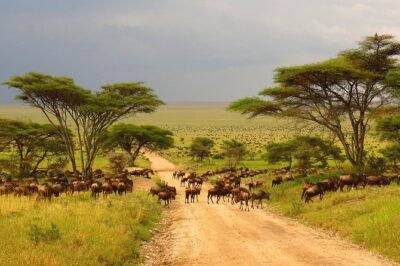
Browse the lists this tour appears in