
Reviewed · ARUSHA TOURS
5-Days Private Tanzania Safari Tour
The best feature of this five-day private safari is its change of pace. You spend four days searching for wildlife from a safari vehicle, then trade the seat for a guided walk at Lake Manyara. That final step lets you notice smaller sounds, tracks, plants, and local surroundings that can pass unnoticed from a jeep.
I like the smart park mix: Tarangire’s elephants and baobabs give you a strong opening, while the Serengeti and Ngorongoro bring the biggest wildlife drama. I also like the private format, since your group can travel with one guide rather than follow a fixed crowd. The drawback is the amount of driving. This is a busy five days, and the schedule does not leave much spare time.
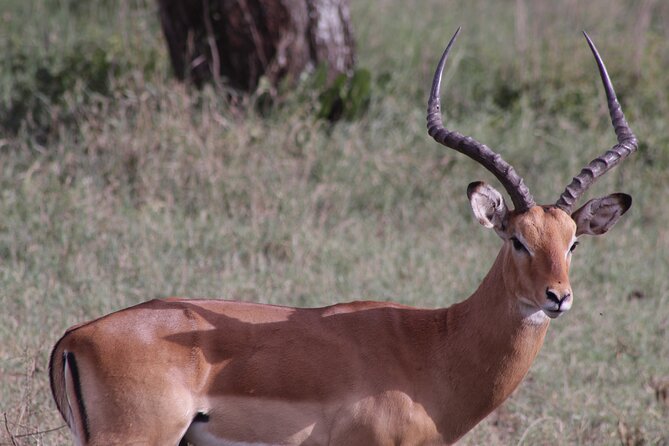
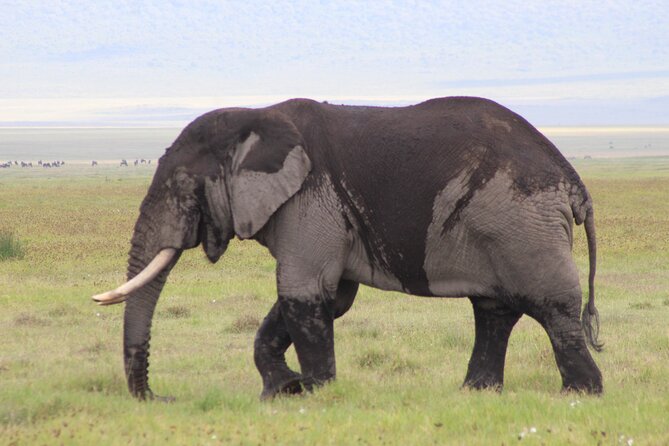
- Tarangire begins the safari with large elephant herds and giant baobabs.
- Ndutu offers seasonal migration viewing from late December through April.
- Two Serengeti days give you more time to search for predators and birds.
- Ngorongoro Crater is the main stop for a possible black-rhino sighting.
- Lake Manyara adds a walking safari with an armed guide after several days in the jeep.
- The private tour costs $2,150 per person and includes five lunches, four dinners, and four breakfasts.
Four Parks, One Walking Finish
This trip is built for you if you want a classic northern Tanzania safari but do not want every hour to feel the same. The route reaches Tarangire National Park, the Serengeti, Ngorongoro Crater, and Lake Manyara. It combines wildlife viewing, bird-watching, scenery, and a little time on foot.
You begin near Arusha, Tanzania’s main safari base. Pickup is offered, and the tour is private, so only your own group takes part. The published meeting time is 7 am, while the first day says departure from the lodge is 8 am. Confirm the exact pickup time with Destiny Explorers before you set your alarm.
The itinerary lists about eight hours at most parks. That does not mean eight hours of nonstop animal sightings. It includes driving, park roads, viewing stops, meals, and the time needed to reach the next overnight area. Bring patience, water, sun protection, and something to occupy you during longer road stretches.
Day One: Elephants and Baobabs in Tarangire
Tarangire is a fine first park because it gives you a quick introduction to northern Tanzania’s wildlife. The park is especially known for its large elephant population, and the opening description calls it a playground for African elephants. You may also search for lions, cheetahs, and leopards.
The scenery is one of the main rewards. Huge baobab trees give the park a strong sense of place, especially in its northeastern section. These thick-trunked trees make memorable photo subjects, but they also help explain why Tarangire feels different from the open Serengeti plains.
The park covers an area roughly comparable to Luxembourg. That is large enough for a full day of animal searching, but the six-hour visit listed for day one is shorter than the later park days. You will get a useful first look, though you may wish for more time if elephants are slow to appear or if a predator sighting develops late in the afternoon.
Tarangire began as a former colonial hunting ground before becoming a national park in 1970. That detail is less important than what you see today, but it gives the park some context. Your guide can help connect the park’s past, wildlife protection, and present-day safari use.
More Safaris in Arusha
- Balloon Safari & Bush Breakfast in Serengeti – Miracle Experience
★ 5.0 · 1,646 reviews - 4 Days Group Camping Safari
★ 5.0 · 1,101 reviews - 5 Days Group Camping Safari
★ 5.0 · 730 reviews
Days Two and Three: Two Different Views of the Serengeti
The Serengeti receives two days, which is one of the strongest parts of the plan. One day focuses on the Ndutu area and the other heads toward the central plains. You are not simply repeating the same drive. The two settings can produce different views of wildlife and scenery.
Ndutu and the Great Migration
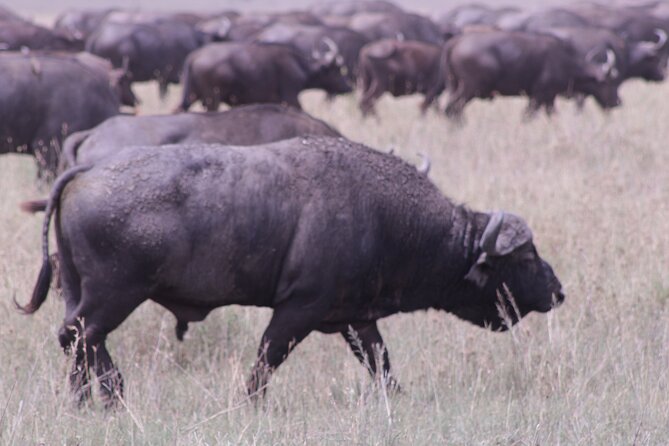
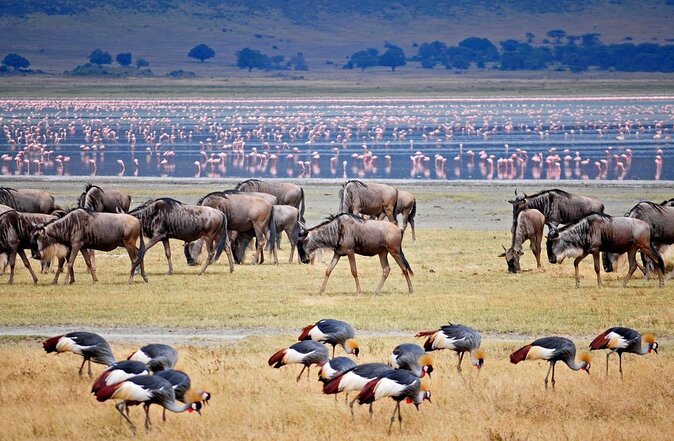
Ndutu is especially important from the end of December through April, when migrating wildebeest, zebra, and gazelle move through the region. The herds begin arriving from the north around late December, then start moving north again around April.
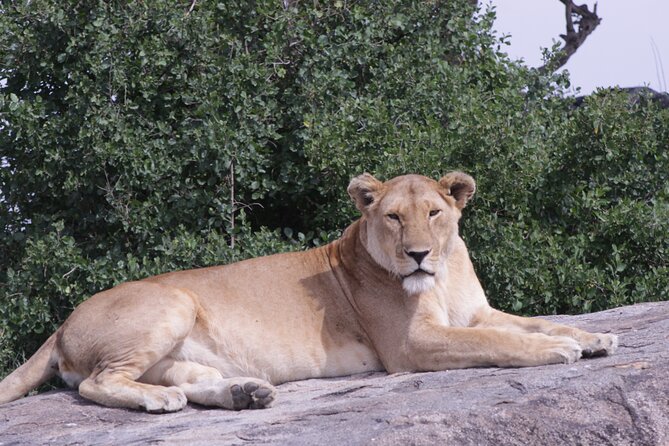
If your dates fall in this window, Ndutu can be the most time-sensitive part of the safari. The sheer number of grazing animals can make the area memorable, and large herds also attract predators. You might see lions, cheetahs, or other hunters working near the migration.
If you visit outside those months, do not assume the day has little value. Ndutu remains part of the Serengeti ecosystem, and the plan includes a search for the big five and other mammals. Still, if the migration is your main reason for booking, your dates matter more here than anywhere else on the route.
The eight-hour Ndutu day can feel long in the best way, since wildlife sightings often require waiting and repositioning. It can also be tiring. Keep expectations sensible: a guide can know where animals are often found, but no safari can guarantee a particular sighting.
Central Serengeti and Bird-Watching
The third day takes you from your lodge toward the center of the Serengeti plains. This is your chance to look for animals missed earlier and to add bird-watching to the day.
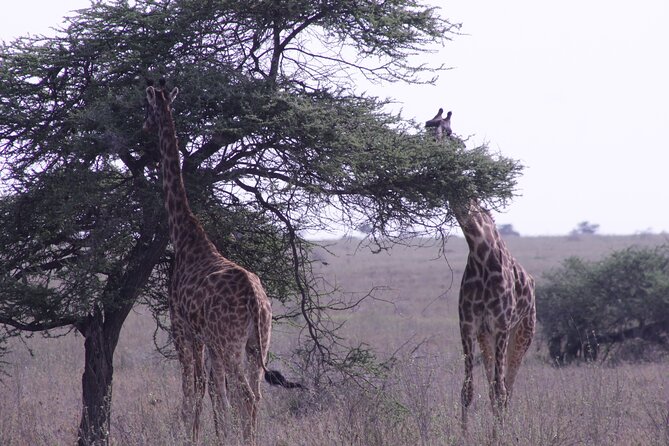
The central Serengeti is useful for variety. After a migration-focused day, you can shift attention to individual animal behavior, open views, and birds. Your guide’s driving skill and ability to spot movement matter a great deal here. Past guide names associated with Destiny Explorers include Noel, Issa, David, Gilbert, Joseph, and Denis. The exact guide for your departure should be confirmed before booking, but the company’s strongest praise centers on animal spotting, driving, communication, and route handling.
Two full Serengeti days also give you a better chance to recover from a quiet sighting. If one drive produces few animals, the next day offers another large area and a fresh search. That extra time is more valuable than squeezing in another short park visit.
The tradeoff is distance. The Serengeti is far from Arusha and from the other parks on this route. You should expect long stretches in the vehicle, dust on some roads, and a schedule shaped by park geography. This is not a relaxed lodge holiday with short outings.
A change of scene while you are in Arusha:
- Tanzania Classic – 7 Days
★ 5.0 · 1,151 reviews - Materuni Waterfalls, coffee tour & Kikuletwa Hot Springs
★ 5.0 · 643 reviews - 3 Days Serengeti & Ngorongoro Group Camping Safari
★ 5.0 · 574 reviews - 7-Day Premium Luxury Tanzania Safari All-Inclusive
★ 5.0 · 426 reviews
Day Four: The Ngorongoro Crater Search
Ngorongoro Crater provides one of the trip’s clearest wildlife targets: the chance to see a black rhino. It also offers habitat for many other mammals in a compact setting. A crater visit can feel different from the Serengeti because the enclosed caldera concentrates wildlife viewing into a smaller area.
The listed visit lasts about eight hours. That gives you time to look for rhino and other animals rather than rushing through a short stop. Your guide will still need to balance animal sightings with the schedule, since you ascend later in the day and continue to Karatu for dinner and an overnight break.
Karatu is a practical place to end the day. After the crater, you can leave the vehicle, eat dinner, and rest before the final park. The accommodation level is not specified in the tour details, so ask exactly where you will stay and what room and meal standards are included before paying.
Ngorongoro can be a highlight, but it is also another early, full day in a vehicle. If you have already spent three long days on rough park roads, your comfort will depend on the vehicle, seat space, and the quality of the overnight stops. Ask about those details directly. They matter more than a glossy promise of a perfect safari.
Day Five: Lake Manyara on Foot
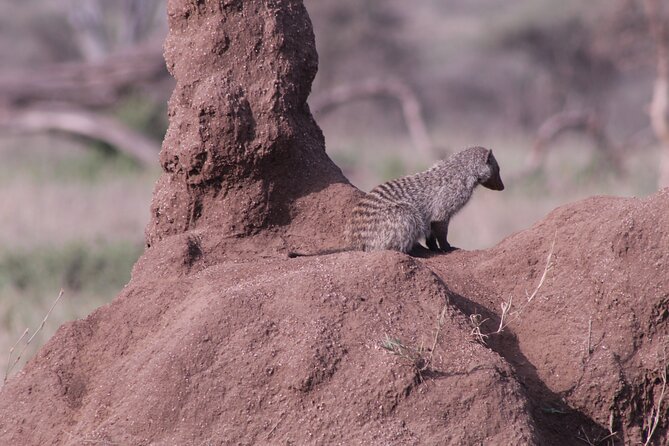
The final day changes the feel of the trip. At Lake Manyara, you take a game drive and then join a walking safari with an armed guide. After four days of viewing wildlife from a jeep, walking gives you a closer connection to the natural setting.
A walk does not replace a game drive. You are unlikely to cover as much ground on foot, and the focus shifts from finding large animals to reading the surroundings. You may pay more attention to tracks, sounds, insects, plants, and small signs of animal activity. The armed guide is an important safety feature, and you should follow instructions carefully.
The schedule also refers to local culture. The available information does not give the name of a village, community, or cultural program, so ask what that portion includes. It may be a short interaction or part of a broader local visit. Do not assume it is a separate village tour unless the operator confirms it.
Lake Manyara is a sensible final stop because it adds variety without asking you to spend the entire five days in the same type of activity. The eight-hour day may still be tiring, particularly if you are driving onward afterward. If you have a flight or another fixed commitment, confirm the finishing time rather than relying on the approximate duration.
What $2,150 Per Person Buys You
At $2,150 per person, this is not a budget safari. The value comes from the private arrangement, the four major wildlife areas, the time in the Serengeti, and the walking component. Five lunches, four dinners, and four breakfasts are included, which covers the listed meals during the five-day program.
The price is harder to judge without a stated accommodation category, vehicle specification, or group size. A private tour can be excellent value if you are sharing the cost with family or friends and want control over the pace. For a solo visitor, the same price may feel steep.
Before booking, ask for a written breakdown of:
- Your accommodation names and room category
- The safari vehicle type and seating arrangement
- Park fees and conservation charges
- Airport or lodge pickup details
- The exact walking-safari location and guide arrangements
- Whether drinking water and other drinks are supplied
- The guide assigned to your group
Tips for the staff and guide are not included. Set aside cash for this at the end, since gratuities are treated separately from the advertised price.
The Guide Can Shape the Whole Experience
A safari guide does more than drive between animals. The guide decides where to stop, explains behavior, watches the road, manages timing, and helps you understand what you are seeing. The strongest praise attached to this operator concerns guides who combined friendly service with strong animal spotting and careful driving.
Noel has been singled out for finding excellent viewing positions and locating multiple big-five animals, including leopards, cheetahs, lions, and rhinos. Other named guides include Joseph, Gilbert, Denis, David, and Issa. These names give you useful questions to ask, but they do not guarantee who will lead your departure.
Communication before the trip is another positive point. You can expect the company to handle planning and pickup details, but check every practical item in writing. A small change in accommodation has caused inconvenience on at least one occasion, so changes made close to departure deserve special care.
What to Pack for Five Long Days
This is an active safari, even though much of it takes place in a vehicle. Pack light, since you will move between several areas, and choose clothing that works for sun, dust, and cooler mornings.
Useful items include:
- A hat, sunscreen, and sunglasses
- A light jacket for early drives
- Closed shoes suitable for walking
- Binoculars and a camera with spare batteries
- A reusable water bottle
- Any required personal medication
- Small cash for tips
The walking day deserves special attention. Wear shoes that you can walk in comfortably and follow the armed guide’s directions. The details supplied do not state the walk’s distance or difficulty, so ask before departure if you have concerns about fitness or mobility.
Who Will Like This Safari Most
I would choose this trip if you want the main northern Tanzania parks in a compact private itinerary. It suits first-time safari visitors who want a broad introduction, as well as experienced safari fans who value the chance to move between vehicle viewing and walking.
It is also a good fit for couples, families, or friends who want their own group and can share the private-tour cost. The operator has handled honeymoon trips and custom safaris, so it appears comfortable with different types of private parties.
I would hesitate if you dislike long drives, need a slow holiday, or want firm accommodation details before committing. The route is ambitious for five days. You will see a lot, but you will also spend many hours getting between parks.
Booking Details and Cancellation
Confirmation is provided at booking, and most people can participate. The activity is private, and pickup is offered. Tickets are mobile, which makes the start-day paperwork simple.
You can cancel for a full refund if you do so at least 24 hours before the local start time. Within 24 hours, you receive no refund, and changes are not accepted. The experience depends on good weather. If poor weather causes cancellation, you are offered another date or a full refund.
Should You Book the 5-Day Tanzania Safari?
Book it if you want a private, wildlife-heavy route with Tarangire, two Serengeti days, Ngorongoro Crater, and a final walking safari. The combination is the real selling point. You get elephants and baobabs, a possible migration window, central Serengeti searching, black-rhino country, and time on foot.
Think twice if you want short transfers, a leisurely pace, or a low-cost group safari. Ask for the accommodation and vehicle details first, then confirm the guide, pickup time, and walking arrangements. With those points clear, $2,150 can be a fair price for a concentrated northern Tanzania safari, especially when two or more people share the private booking.
FAQ
Where does the safari start?
The tour is based in Arusha, Tanzania, and pickup is offered.
How long does the safari last?
The experience lasts approximately five days.
Is the tour private?
Yes. Only your group participates in the private tour or activity.
What parks are included?
The route includes Tarangire National Park, Serengeti National Park, Ngorongoro Crater, and Lake Manyara.
When is Ndutu best for the Great Migration?
The best period given for Ndutu is from the end of December through April, when wildebeest, zebra, and gazelle move through the region.
Is walking included?
Yes. The Lake Manyara day includes a game drive and a walking safari with an armed guide.
What meals are included?
The tour includes five lunches, four dinners, and four breakfasts. Tips for staff and the guide are not included.
Newly listed around Arusha
- 5-Day Private Safari Tour in Tanzania’s Wildlife★ 5.0 · 3 reviews
- 3 Days private safari Tarangire ,Ngorongroro crater &Manyara★ 5.0 · 3 reviews
- 3 Day Sharing Safari – Manyara, Ngorongoro Crater and Tarangire National Parks★ 5.0 · 3 reviews
- Tarangire National Park Day Trip★ 5.0 · 3 reviews
- 2 Days Tarangire and Ngorongoro Crater Tour★ 5.0 · 3 reviews
- 6 -Day Tarangire, Manyara, Serengeti & Ngorongoro★ 5.0 · 3 reviews
- 5 Days Group Camping Safari★ 4.7 · 3 reviews
- 4 Days Tanzania Safari★ 4.5 · 3 reviews
Arusha Tours, compared.

Balloon Safari & Bush Breakfast in Serengeti – Miracle Experience
Read our review →





