
Reviewed · SERENGETI & NGORONGORO SAFARIS
5-Day Lake Manyara, Serengeti, Ngorongoro Crater and Tarangire
The real appeal here is range. In five days, you move from Lake Manyara’s shady forest to the open plains of the central Serengeti, then into the wildlife-packed Ngorongoro Crater and on to Tarangire’s baobab country. It is a brisk route, but it gives you four very different safari settings.
I like that the price includes the big-ticket costs: park fees, the 4×4 Land Cruiser, daily game drives, and all listed meals. I also like the human touch built into the operation. Solomon is repeatedly praised for planning and animal spotting, while guides named Godson, Danny, and Samuel have also led successful trips. The main drawback is the pace: several days involve long drives, early starts, and only one night in each main area.
Key points at a glance
- Four major parks in five days: Lake Manyara, central Serengeti, Ngorongoro Crater, and Tarangire all make the route.
- Seronera is the Serengeti base: The central area sits near the Seronera River, a useful water source that draws many kinds of animals.
- Ngorongoro includes a crater-floor drive: You spend about five hours below the rim, with a picnic at the Hippo Pool.
- Tarangire finishes the safari: Its baobabs, Tarangire River, and large elephant herds provide a strong final day.
- Most major costs are bundled in: Park fees, concession or camping fees, meals, taxes, and the safari vehicle are included.
- Small-group format: The maximum group size is 14, with pickup offered and mobile ticketing available.
Four parks, four different views of Tanzania
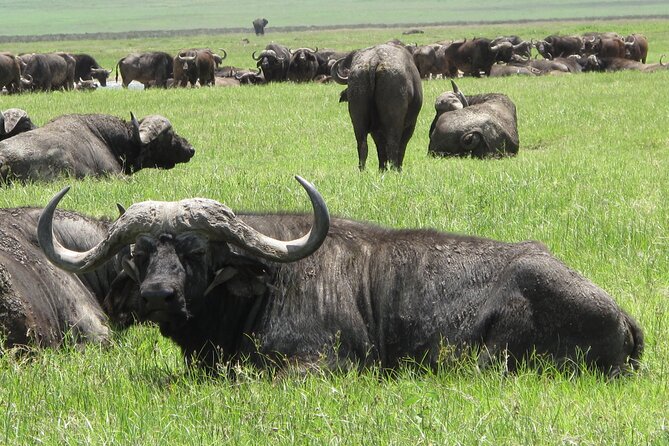
This itinerary works because the parks do not feel alike. Lake Manyara gives you woodland and a soda lake setting. Serengeti opens into huge grassy plains. Ngorongoro compresses wildlife into a dramatic volcanic basin. Tarangire brings thick bush, giant baobabs, and elephants.
You will not get a leisurely stay in any one park. Instead, this is a highlights trip for someone who wants a first look at northern Tanzania and has only five days available. I would think of it as a greatest-hits safari rather than a slow, specialist wildlife expedition.
The published score is 5 out of 5 from 28 ratings, with a 100 percent recommendation rate. The strongest praise centers on organization, friendly service, food, animal spotting, and guides who explain the animals and local setting along the way. That matters on a safari, where a good guide can turn a distant shape in the grass into a memorable sighting.
More Serengeti and Ngorongoro itineraries:
- Safari Serengeti And Ngorongoro
★ 5.0 · 288 reviews - Serengeti, Ngorongoro and Tarangire 4 Days Safari
★ 5.0 · 59 reviews - 5 Days Camping Tarangire, Serengeti & Ngorongoro crater & Visiting Maasai
★ 5.0 · 58 reviews
Day 1: Lake Manyara’s forest and flamingo country
Pickup is listed for around 8:00 or 8:30 in the morning from your Arusha hotel. You then travel to Lake Manyara National Park with a packed picnic lunch and spend roughly seven hours on the day’s drive and park visit.
The first change you notice is the vegetation. Acacia and mahogany trees create a green, shaded entrance, and the park can feel very different from the wide Serengeti plains later in the trip. Keep watch for buffaloes, giraffes, impalas, baboons, and blue monkeys.
Lake Manyara is also linked with tree-climbing lions. Seeing one is not guaranteed, so keep your expectations sensible. The sight is special precisely because it is a matter of luck, not a scheduled stop.
In the right season, the lakeshore can turn pink with flamingos. Their presence depends on conditions and timing, so this is another example of safari being partly about patience and chance. Your game drive continues until evening before you return to camp or lodge for dinner.
The practical issue is the long first day. You are combining a road transfer, a full game drive, and an overnight stay. Still, it is a useful opening because the park offers forest animals and lake scenery before the more famous open-country sections.
Day 2: From Karatu highlands to central Serengeti
After breakfast, the route passes through the farmland around Karatu and the Ngorongoro Conservation Area. The road then drops toward the Serengeti, and the scenery changes from cultivated highlands to broad grassland.
The central Serengeti, particularly the Seronera area, is a smart choice for a short safari. The Seronera River provides water, so this part of the park attracts a wide mix of wildlife. You arrive around lunchtime and continue with an afternoon game drive.
You may spend about seven hours on the day’s route and park activities. That includes a significant transfer, so do not expect the same amount of uninterrupted game viewing as on a dedicated full-day drive.
Still, central Serengeti gives you the classic image many people hope for: animals spread across open plains, with the horizon stretching far beyond the vehicle. The guide’s skill matters here. Several past trips associated with this operator specifically praise Solomon’s ability to spot animals and position the vehicle, along with guides such as Danny and Samuel.
A useful tip is to bring binoculars if you have them. The open country can make animals visible at a distance, and a small shape near a river or kopje may become the best sighting of the afternoon.
Day 3: A final Serengeti morning, then Ngorongoro
Day three begins with a morning game drive in the Serengeti. This is a good use of the early hours, when you have another chance to see animals before leaving the park.
Later, you travel toward the Ngorongoro Conservation Area with a picnic lunch. The listed activity time is about six hours, but the day still includes a substantial change of location. You should expect another day where the vehicle is both your viewing platform and your transport.
Ngorongoro Crater is a collapsed volcanic basin with about 14 kilometers of isolated natural scenery. The crater floor has watering holes and supports a concentrated population of animals, often estimated at around 30,000. The setting gives you a strong chance to see several species in a relatively compact area, although wildlife sightings can never be guaranteed.
Your overnight location is in or around the Ngorongoro area, according to the accommodation arrangement. Dinner follows the day’s drive, which is welcome after the road from Serengeti.
This is one of the itinerary’s trade-offs. You get a taste of two major areas in one day, but you do not have time to linger at every viewpoint or search endlessly for a particular animal. If you want a slower Serengeti experience, you would need more nights.
More five day trips in Moshi & Kilimanjaro:
- 5-Day Majestic Tanzania Safari – High End All Inclusive
★ 5.0 · 44 reviews - 5 Day Mid range Tanzania Safari
★ 5.0 · 34 reviews - 5 days Tanzania Camping Safari
★ 5.0 · 29 reviews - Safari in Tanzania 5 days: Manyara, Ngorongoro, Serengeti
★ 5.0 · 29 reviews
Day 4: Five hours on the crater floor

An early breakfast sets up the day’s main event: a descent into Ngorongoro Crater for about five hours of game viewing. The steep drive down is part of the experience, with the crater rim giving way to a broad basin filled with grassland, water, and wildlife.
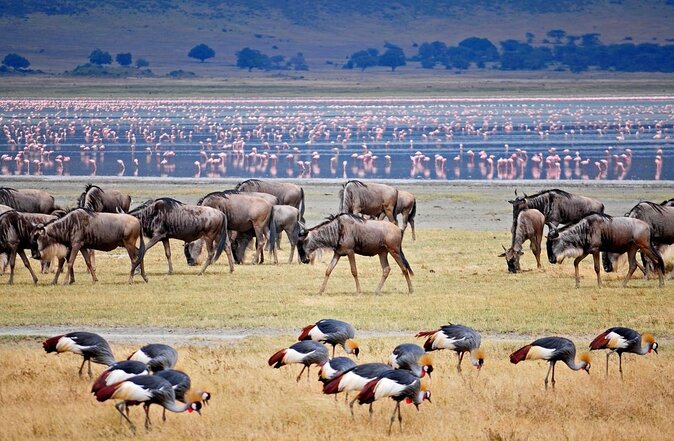
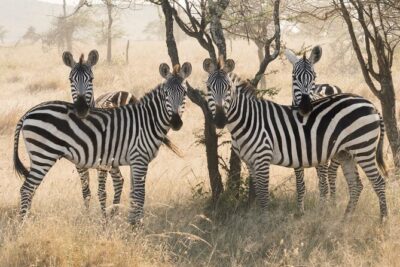
The species list is impressive. You might see lions, elephants, zebras, hippos, flamingos, jackals, antelopes, and many birds. The crater also offers the possibility of seeing rhinos, a sight that can make this one of the most memorable parts of the trip.
Birdlife is a major part of the stop. Eagles, vultures, flamingos, storks, giant vultures, sacred ibis, kori bustards, blacksmith plovers, long-necked herons, and cattle egrets are among the birds named for the area. You do not need to be a serious birder to enjoy this variety. The crater makes it easy to notice birds because water and open ground bring them into view.
Lunch is served as a picnic at the Hippo Pool. Afterward, the vehicle makes the steep climb to the crater’s upper exit. You then have about two hours of driving left to your accommodation in Karatu, where dinner is prepared.
Day four is carefully packed. The five-hour crater drive is generous enough to feel substantial, but the climb and transfer afterward make it a tiring day. Wear layers and keep water within reach. Early breakfast, high viewpoints, and several hours in an open vehicle can make temperatures feel changeable.
Day 5: Tarangire’s elephants and baobabs
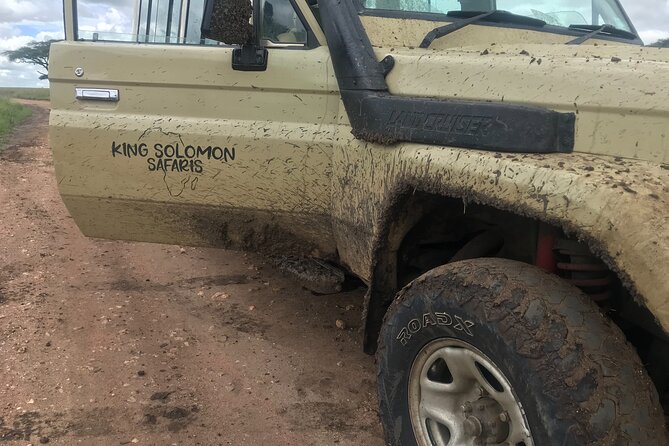
The final safari day starts around 8:00 in the morning after breakfast. You travel from the Arusha area toward Tarangire National Park for a half-day game drive, then continue toward Arusha for drop-off in the mid to late afternoon.
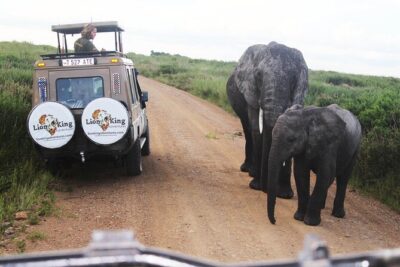
Tarangire has a distinct personality. Its huge baobab trees dwarf the animals beneath them, creating some of the trip’s most striking photographs. The Tarangire River is central to the park, and the area is particularly known for large elephant herds.
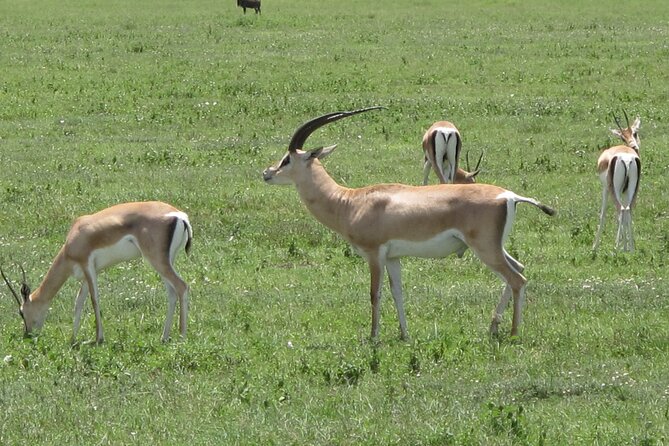
Possible sightings include lions, leopards, cheetahs, lesser kudus, buffaloes, oryx, elands, giraffes, and zebras. As always, the exact list depends on the day, season, and guide’s route.
I like ending here because Tarangire is not simply an extra park added to fill the schedule. It offers scenery and wildlife that differ from the Serengeti and crater. The catch is that this is only a half-day visit. If elephants and baobabs are your main reason for coming, you may wish the itinerary gave Tarangire more time.
By mid-afternoon, you leave for Arusha and are dropped at your preferred location at about 6:00, according to the supplied schedule. The timing can be useful if you are continuing your trip, but road conditions and the day’s exact pace can affect the arrival time.
What the $1,250 price covers
At $1,250 per person, this safari is not a bare-bones park visit. The package includes non-resident park fees, concession or camping fees, daily game drives, a professional driver-guide, a 4×4 Land Cruiser, taxes and VAT, and the meals listed in the schedule.
You receive four breakfasts, four dinners, and five lunches. That removes much of the daily decision-making and protects you from surprise meal costs during long drives. Several past trips also single out the food, including one mention of a private chef preparing particularly good meals.
The value depends on what accommodation is assigned and how many people share the vehicle. The group maximum is 14, but the actual group size is not stated. Ask before booking if vehicle capacity, seating arrangements, and accommodation category matter to you.
Tips are not included. Budget for gratuities separately, especially if your driver-guide handles the long road sections, explains the animals, and helps with the daily practical details.
The listing places the tour in Moshi but says the safari starts and ends in Arusha, with pickup offered. Confirm your pickup address before paying. That simple check can prevent an unnecessary transfer at the start or end.
The guide can make or break the safari

A good safari guide does more than drive from one park gate to another. The guide watches the road, reads animal behavior, explains what you are seeing, and decides when to wait and when to move on.
Solomon is the name most closely linked with the operation. Past arrangements also included Godson, Danny, and Samuel, with Samuel noted for speaking English and French. Your assigned guide may be different, so treat those names as examples rather than a promise.
The strongest pattern in the available feedback is personal care. Solomon is described as fast, patient, professional, funny, and helpful with planning. Guides are praised for finding animals that passengers had not noticed and for sharing information about wildlife, culture, and the area.
That kind of service is especially valuable on this schedule. You spend long hours in the vehicle, and an attentive guide can make the road portions feel purposeful rather than merely necessary.
Who should book this five-day route?
I would recommend it to a first-time safari visitor who wants the major northern Tanzania parks in one compact trip. It also suits people who value an all-in package and want a guide to handle park access, driving, meals, and the route.
It is a good fit if you want variety more than a slow pace. You see woodland, lake country, open plains, a volcanic crater, and baobab country in just five days.
I would hesitate if you dislike long drives, need a relaxed schedule, or want several nights in one lodge. The itinerary moves every day, and three of the five days combine game viewing with major transfers.
The maximum group size of 14 is another point to clarify. A smaller group generally gives you more room and makes it easier to agree on how long to stay at a sighting. The supplied information confirms only the maximum, not the usual number.
Practical booking advice before you go
Confirm whether pickup and drop-off are in Arusha, since the location is also described as Moshi. Ask which accommodation category is included, because the exact comfort level is not specified in the supplied details.
Check the planned group size and the guide’s name before departure. If French-language guiding is important, ask specifically about availability rather than assuming Samuel will lead your trip.
Pack for full days outside, early breakfasts, picnic lunches, and changing temperatures. Comfortable clothing, sun protection, sturdy shoes, and binoculars are sensible choices for a safari built around long game drives.
The cancellation terms are straightforward: you can receive a full refund if you cancel at least 24 hours before the local start time. Cancellations or changes made within 24 hours are not accepted for a refund.
Should you book it?
Book this safari if your priority is seeing the four headline destinations without arranging every park fee, meal, and transfer yourself. The route is ambitious, the included costs are useful, and the operator’s strongest qualities appear to be careful planning, friendly support, and sharp animal spotting.
Do not book it expecting a slow, luxurious stay in each park. This is a fast-moving safari with long road days and one night in each main area. Confirm the pickup point, accommodation, group size, and assigned guide first. If those details suit you, the $1,250 price offers a practical way to sample northern Tanzania’s best-known wildlife country in five days.
FAQ
Where does the safari start and finish?
The safari is scheduled to start and finish in Arusha, with pickup offered from your hotel. The supplied location is Moshi, so confirm the exact pickup and drop-off arrangements before booking.
What time does the tour start?
The meeting time is listed as 8:00 am. Day one also gives an approximate hotel pickup time of 8:30 am, so confirm the precise time with the operator.
What is included in the price?
The price includes non-resident park fees, concession or camping fees, daily game drives, a professional driver-guide, a 4×4 Land Cruiser, taxes and VAT, four breakfasts, four dinners, and five lunches.
Are tips included?
No. Tips are specifically excluded from the price.
How many people can join the tour?
The maximum group size is 14 travelers. The usual group size is not specified.
Can I cancel for a full refund?
Yes, if you cancel at least 24 hours before the experience begins. Cancellations or changes made less than 24 hours before the local start time are not accepted for a refund.
Newly listed around Moshi & Kilimanjaro
- Climb Mount Kilimanjaro: 7 Days Machame Route★ 5.0 · 3 reviews
- 6 Days Mount Kilimanjaro Climbing via Rongai Route★ 5.0 · 3 reviews
- Mt. Kilimanjaro Day Hiking★ 5.0 · 3 reviews
- Explore 1 day Ngorongoro Crater Budget Group Safari from Arusha★ 5.0 · 3 reviews
- Chemka (Kikuletwa) Hot Springs, Tanzania★ 5.0 · 3 reviews
- Guided City tour of Moshi★ 4.3 · 3 reviews
- 8 Day Tanzania Family Safari★ 5.0 · 3 reviews
- Serengeti Safari with Sirikwa Travel★ 5.0 · 3 reviews
Serengeti & Ngorongoro Safaris, compared.
Balloon Safari & Bush Breakfast in Serengeti – Miracle Experience
Read our review →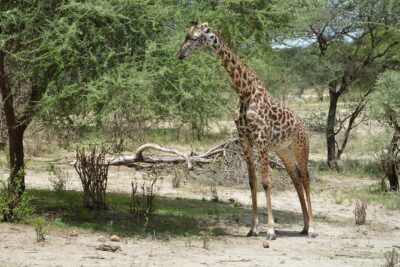

Private 6-Day Tarangire Manyara Crater and Serengeti with Mid-Range Lodges
Read our review →
5 Days Camping Tarangire, Serengeti & Ngorongoro crater & Visiting Maasai
Read our review →Browse the lists this tour appears in