
Reviewed · ARUSHA TOURS
3 Days Tanzania Safari
The clever part of this three-day Tanzania safari is its route. From Arusha, you visit Lake Manyara, descend into Ngorongoro Crater, and finish among Tarangire’s elephants and baobabs. It packs three very different parks into a short trip, which is useful if your schedule is tight.
I like the variety, especially the contrast between Manyara’s soda lake, the crater’s crowded wildlife plain, and Tarangire’s dry-country river habitat. I also like the small maximum of six people, plus airport pickup and drop-off. The catch is simple: three parks in three days means long drives and limited time in each place.
Key points to know before booking
- Three major parks in three days: Lake Manyara, Ngorongoro Crater, and Tarangire give you a fast but varied taste of Tanzania’s Northern Circuit.
- Ngorongoro is the wildlife centerpiece: A half-day crater drive offers some of the best odds of seeing many species in one compact area.
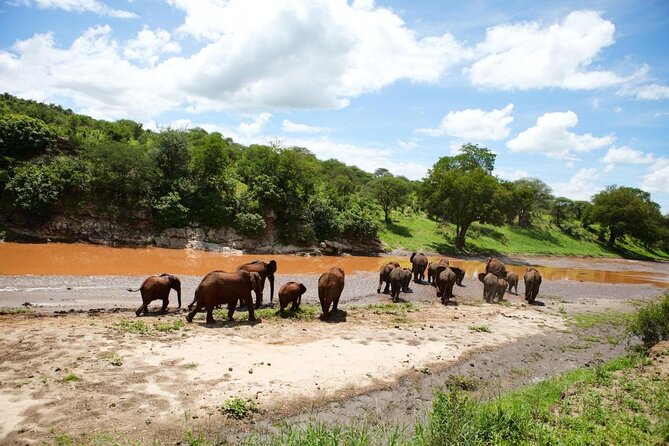
- Tarangire is especially strong for elephants: The Tarangire River and southern swamps draw animals during the dry season.
- Small groups matter: The advertised maximum is six people, a much better setup than a crowded safari vehicle.
- Named guides receive strong praise: Saluu, Jonas, Jeff, Joseph, and Mike are among the guides connected with positive feedback about care, communication, and wildlife knowledge.
- Check the fine print: The price is $780 per person, but the supplied details do not spell out every lodging, meal, park fee, or transfer inclusion.
Why this route works for a short Tanzania trip
Tanzania’s Northern Circuit can easily fill a week or more. This version trims it to three days and focuses on parks that offer different scenery and animal habitats without requiring a visit to every major reserve.
That makes the tour a good fit if you are staying in Arusha before or after another trip, climbing Mount Kilimanjaro, or working with a tight holiday schedule. It is also useful if you want a first safari without committing to a longer, more expensive itinerary.
The tradeoff is pace. You will not have the leisurely rhythm of a five or seven-day safari. Each morning matters, drives connect the parks, and the final day is only described as a morning game drive followed by lunch and a later return. If your priority is the greatest possible time in the bush, choose a longer itinerary. If your priority is seeing three famous parks quickly, this route makes sense.
The published price is $780 per person. That is not a bargain-basement day trip, but three parks, a professional guide, transport, and possible airport transfers can make it reasonable if those costs are included as advertised. Before paying, ask exactly what accommodation, meals, park fees, vehicle use, and airport transfers cover. The supplied information confirms lunch at the lodge on the first day and picnic lunch in the crater on the second, but it does not provide a full inclusions list.
More Safaris in Arusha
- Balloon Safari & Bush Breakfast in Serengeti – Miracle Experience
★ 5.0 · 1,646 reviews - 4 Days Group Camping Safari
★ 5.0 · 1,101 reviews - 5 Days Group Camping Safari
★ 5.0 · 730 reviews
Starting in Arusha at 7:30 am
The stated meeting point is Mvuli Hotel on Kundayo Road in Arusha, with a 7:30 am start. You meet the guide and driver for a short safari briefing before leaving town.
That early departure is practical. Wildlife viewing is usually tied to the cooler parts of the day, and an early start gives you more useful hours before the heat builds. It also puts you on the road to Lake Manyara with enough time for lunch and an afternoon game drive.
Airport pickup and drop-off are listed among the highlights, and several bookings included airport transfers. Still, the formal starting point is Mvuli Hotel, so I would confirm whether the operator collects you from the airport, your Arusha hotel, or both. That small clarification can prevent a tedious first-morning mix-up.
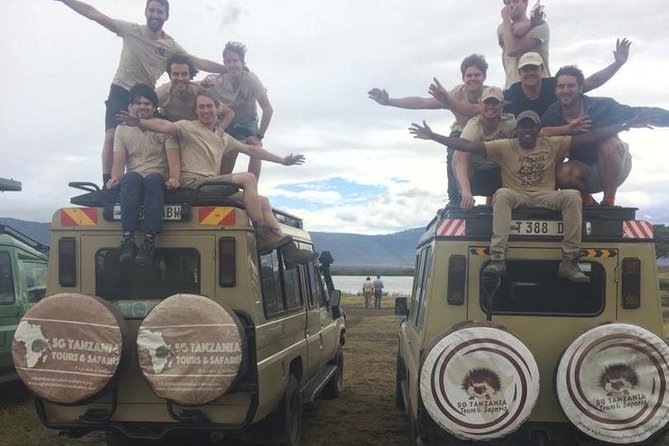
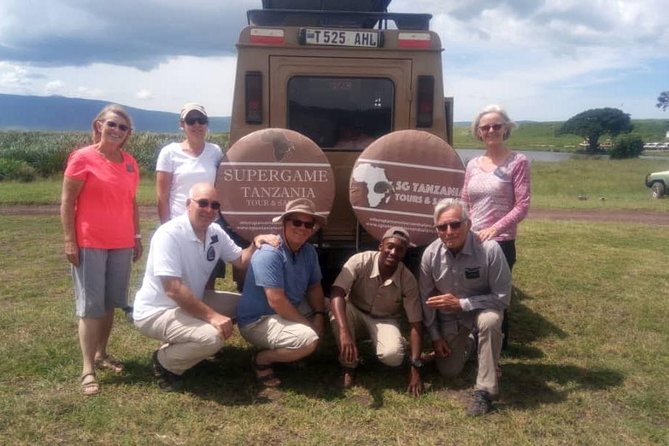
The group limit of six is one of the better features here. In a safari vehicle, space affects everything: your view through the open roof, your ability to move from one side to the other, and how often the group needs to compromise on stops. Six is not private, but it should feel more manageable than a large coach-style group.
Lake Manyara: soda water, flamingos, and tree-climbing lions
Lake Manyara National Park is the first wildlife stop. Its setting is the main attraction. A broad, shallow soda lake fills much of the park at the foot of the Great Rift Valley escarpment, creating a sharp contrast between open water, woodland, and rising cliffs.
The lake covers about two-thirds of the park, according to the tour description. That does not mean you will spend the whole afternoon staring at water. The varied habitat draws elephants, flamingos, and many other animals, while the park is known for lions that sometimes climb trees.
I like Manyara as an opening act because it gives you an immediate change from Arusha’s town setting. You get waterbirds near the lake, large mammals in the park, and a dramatic geological backdrop all in one afternoon.
The timing also matters. You arrive in time for lunch at the lodge, then head into the park. That is less rushed than eating in the vehicle, though the amount of actual game-drive time depends on the road conditions and your lodge location. Ask where the lodge is located and how long the transfer takes if every wildlife hour matters to you.
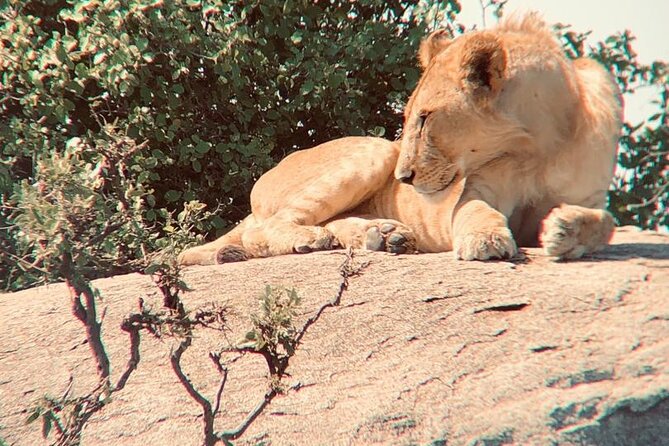
Do not book this safari solely on a promise of tree-climbing lions. They are a famous feature, not a guaranteed sighting. Wildlife is unpredictable, and the guide’s ability to communicate with other vehicles can be useful when animals are difficult to locate. Saluu was specifically praised for staying in contact with other guides, while Jonas was praised for explaining what the group saw. Those details suggest the guide can make a real difference here.
Ngorongoro Crater: the most concentrated wildlife day
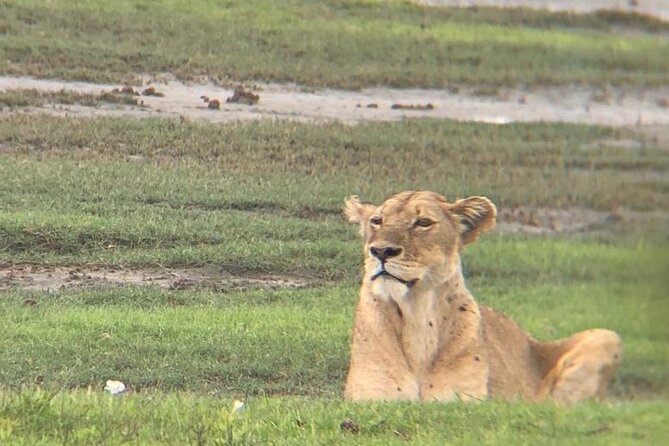
Day two begins after breakfast with a descent of roughly 600 meters into Ngorongoro Crater. This is the trip’s most concentrated wildlife experience, and for many people it will be the main reason to choose this route.
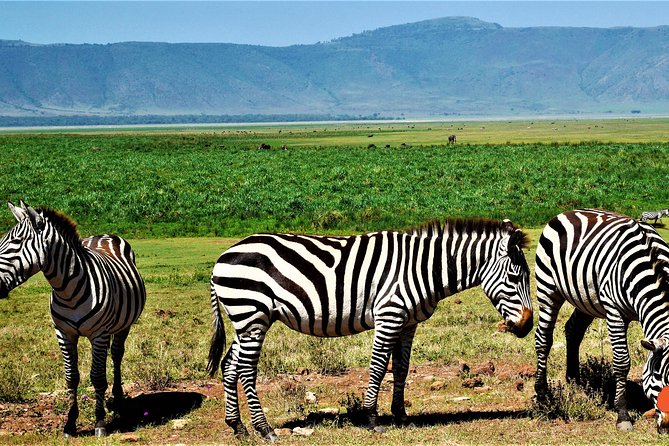
The crater is a huge enclosed wildlife area with a year-round water supply and grazing. The stated estimate is about 30,000 animals, including wildebeest, zebra, buffalo, eland, warthog, hippo, and elephants. You may also look for lions, hyenas, jackals, cheetahs, and leopard.
The appeal is density. Rather than spending a full day covering a vast park in search of scattered sightings, you spend a half-day in a contained area where many animals gather. That does not guarantee every species, especially leopard or black rhino, but the setting gives you a strong chance to see a broad mix of wildlife.
The crater floor is also visually special. You are surrounded by the steep walls of the caldera, with grassland and water areas below. I like the way this stop combines scenery and animal viewing. You are not just ticking off species; you are seeing how water and shelter shape life in a remarkable natural basin.
The stated plan includes a morning half-day drive and a picnic lunch in the crater. That is convenient, since it keeps you near the wildlife action instead of returning to the lodge in the middle of the day. It also means you should expect a long, active morning. Bring water, sun protection, and a light layer for changing temperatures.
There are practical limits. Ngorongoro is popular, and a short visit may feel too brief if you want a slower pace. The crater can also be the busiest part of a Northern Circuit itinerary. Your guide’s judgment matters when choosing where to pause and how long to watch an animal.
After lunch, you travel toward Tarangire National Park. This is an important point to understand: day two combines a crater drive, a picnic, and a park transfer. It is a full day, not a relaxed afternoon.
A change of scene while you are in Arusha:
- Tanzania Classic – 7 Days
★ 5.0 · 1,151 reviews - Materuni Waterfalls, coffee tour & Kikuletwa Hot Springs
★ 5.0 · 643 reviews - 3 Days Serengeti & Ngorongoro Group Camping Safari
★ 5.0 · 574 reviews - 7-Day Premium Luxury Tanzania Safari All-Inclusive
★ 5.0 · 426 reviews
Tarangire: elephants, baobabs, and dry-season wildlife
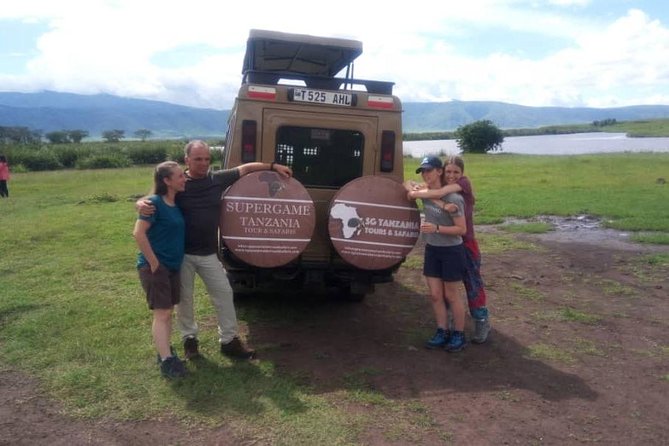
The final morning belongs to Tarangire National Park. The park follows the Tarangire River and includes low hills, acacia woodland, giant baobab trees, and broad swamps in the south.
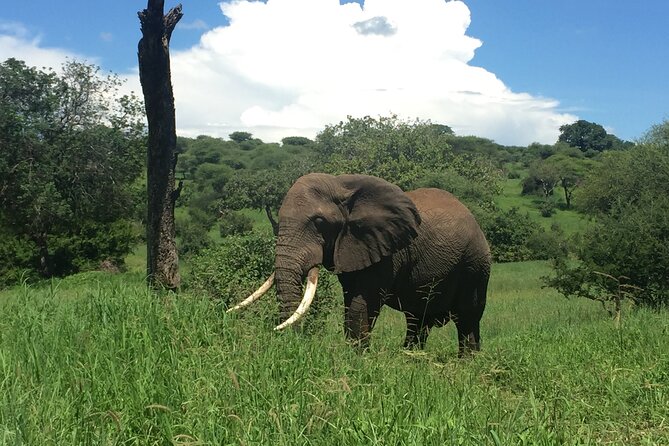
The river and swamps become especially important during Tanzania’s dry season. Animals are drawn to dependable water, and Tarangire is known for some of Africa’s largest elephant herds. If elephants are high on your list, this park may be the most satisfying part of the trip.
Tarangire also adds species and scenery that differ from Manyara and Ngorongoro. The tour description highlights Greater Kudu, fringed-eared oryx, and Ashy Starlings as rare sightings associated with the park. These are not animals you should expect to see on demand, but they give your guide useful targets beyond the better-known big animals.
I like the change in mood here. Ngorongoro feels enclosed and crowded with wildlife, while Tarangire offers a more open setting shaped by a river, dry woodland, and oversized baobabs. The trees alone make the morning visually rewarding, even during a quiet animal-viewing spell.
The plan calls for breakfast, a morning game drive, and lunch at the lodge. The final line of the supplied itinerary is cut off after lunch, so the exact return schedule is not provided. Ask the operator when you will reach Arusha, the airport, or your next accommodation. This is especially important if you have an evening flight.
Guides and the safari vehicle
A safari guide is not just a driver. The guide finds tracks, reads animal behavior, explains the habitat, and helps decide when a sighting is worth waiting for. The strongest feedback connected with this experience centers on guides such as Saluu, Jonas, Jeff, Joseph, and Mike.
Saluu was repeatedly associated with attentive service, wildlife knowledge, airport transfers, and a clean vehicle. Jonas was praised for explaining what the group was seeing. Jeff was linked with a Christmas-period safari and professional service, while Joseph and Mike were associated with care during a wider Tanzania trip.
Those names are useful, but they are not a promise that you will receive a particular guide. Ask who will lead your departure and whether the same guide stays with you for all three days.
One vehicle was described as clean, comfortable, and well maintained, with a cooler, chargers, Wi-Fi, and a pop-up roof. These features are valuable on long drives and during game viewing, but treat them as details reported for a particular booking rather than guaranteed equipment. Confirm the vehicle setup before departure if connectivity or charging is important to you.
Who will get the most from this safari
I would recommend this trip to you if you have only three days, want the classic Northern Circuit parks, and prefer a guided plan rather than arranging transport and park access yourself.
It also suits first-time safari visitors who want variety. Manyara gives you lake habitat and birdlife, Ngorongoro offers concentrated animal viewing, and Tarangire brings elephants, baobabs, and seasonal river activity.
Families and couples may appreciate the small group size, while people combining safari with a Kilimanjaro trek may value the airport and hotel transfer support. The experience is also described as suitable for most participants, with mobile tickets and pickup offered.
I would hesitate if you dislike early starts, long road transfers, or a packed schedule. I would also hesitate if your dream is a slow photographic safari with long waits at a single sighting. Three days is efficient, but efficiency is not the same as spaciousness.
Practical advice before you reserve
Confirm the full price breakdown. At $780 per person, the value depends heavily on what is included in lodging, meals, park entry, transport, guide service, and airport transfers.
Confirm the end of day three. The itinerary does not give a clear final arrival time, and you should not schedule a tight evening flight without knowing the road plan.
Ask about the assigned guide and vehicle. Saluu, Jonas, Jeff, Joseph, and Mike are names connected with strong service, but availability can change. A pop-up roof, cooler, chargers, and Wi-Fi were described for one vehicle, so verify those features.
Pack for long days outside. You will want sun protection, drinking water, comfortable clothes, and a light layer. A camera with spare battery power is sensible, even if chargers are available.
The cancellation terms are straightforward: you can cancel at least 24 hours before the start for a full refund. Changes made inside that 24-hour window are not accepted, and the operator may offer a new date or full refund if the minimum group size is not met.
Should you book this three-day safari?
Book it if you want a fast, varied introduction to Tanzania’s Northern Circuit and can accept a tightly planned schedule. The route gives you three distinct parks, a strong Ngorongoro wildlife day, Tarangire’s elephant country, and the chance to travel with a guide in a group capped at six.
Before committing, get written confirmation of the lodge, meals, park fees, airport arrangements, vehicle features, guide, and final return time. If those details match your needs, $780 can represent solid value for a short safari. If you have more time, add days rather than trying to squeeze more parks into this one.
FAQ
Where does the safari start?
The stated meeting point is Mvuli Hotel on Kundayo Road in Arusha, Tanzania.
What time does the safari begin?
The listed start time is 7:30 am.
Is pickup available from the airport?
Yes. Airport pickup and drop-off are listed among the tour highlights, and airport transfers were included in several described bookings. Confirm the exact airport and transfer arrangement before departure.
Which national parks does the safari visit?
The route includes Lake Manyara National Park, Ngorongoro Crater, and Tarangire National Park.
How long does the safari last?
The experience lasts approximately three days.
What happens on the first day?
You meet the guide and driver in Arusha, receive a short briefing, travel to Lake Manyara, eat lunch at the lodge, and take an afternoon game drive in the park.
What happens at Ngorongoro Crater?
After breakfast, you descend about 600 meters into the crater for a morning half-day game drive. A picnic lunch in the crater follows, then you travel toward Tarangire National Park.
What animals might I see?
The parks are home to elephants, lions, wildebeest, zebra, buffalo, eland, warthog, hippo, hyenas, jackals, cheetahs, and other species. Lake Manyara is known for flamingos and tree-climbing lions, while Ngorongoro is also home to some of Tanzania’s remaining black rhinos.
How many people can join the tour?
The maximum group size is six travelers.
What is the cancellation policy?
You can cancel at least 24 hours before the start time for a full refund. Cancellations or changes made less than 24 hours before the start are not accepted for a refund.
More three day trips in Arusha
- 3-Day Classic Serengeti Safari
★ 5.0 · 263 reviews - 3 Day Serengeti National Park & Ngorongoro Crater Camping Safari
★ 5.0 · 142 reviews - 3 Days Tarangire, Ngorongoro & Lake Manyara Group Camping Safari
★ 5.0 · 102 reviews - 3 Days Private Safari – manyara, Ngorongoro & Tarangire
★ 5.0 · 94 reviews
Newly listed around Arusha
- 5-Day Private Safari Tour in Tanzania’s Wildlife★ 5.0 · 3 reviews
- 3 Days private safari Tarangire ,Ngorongroro crater &Manyara★ 5.0 · 3 reviews
- 3 Day Sharing Safari – Manyara, Ngorongoro Crater and Tarangire National Parks★ 5.0 · 3 reviews
- Tarangire National Park Day Trip★ 5.0 · 3 reviews
- 2 Days Tarangire and Ngorongoro Crater Tour★ 5.0 · 3 reviews
- 6 -Day Tarangire, Manyara, Serengeti & Ngorongoro★ 5.0 · 3 reviews
- 5 Days Group Camping Safari★ 4.7 · 3 reviews
- 4 Days Tanzania Safari★ 4.5 · 3 reviews
Arusha Tours, compared.

Balloon Safari & Bush Breakfast in Serengeti – Miracle Experience
Read our review →






Browse the lists this tour appears in