
Reviewed · NAKUPENDA SANDBANK TRIPS
Zanzibar: Safari Blue Snorkeling and Sandbank Tour
Zanzibar’s Safari Blue trip is really several outings stitched into one: a traditional dhow sail, reef snorkeling, a sandbank stop, a seafood lunch, and a visit to Kwale Island. The most memorable setting comes after the boat leaves Fumba, when the water opens into the Menai Bay Conservation Area and the day takes on a relaxed, island-hopping rhythm.
I like the fresh seafood barbecue beneath tamarind trees and the chance to see a less developed side of Zanzibar by boat. I also like that the day lasts about eight to nine hours, with hotel pickup, equipment, fruit, drinks, and a guide included. The main catch is value: at $70 per person, the day can feel costly if you want a long sail or detailed explanations at every stop.
Key points to know before booking
- Captain Eddy is the meeting-point contact, making the boat easier to identify at the start.
- Menai Bay is Zanzibar’s largest marine protected zone, with coral reefs and tropical fish for the snorkeling portion.
- The sandbank may be completely empty, but the stop is mainly for sun, swimming, photographs, and fruit.
- Kwale Island provides the day’s main meal, a seafood barbecue with vegetarian choices under shady tamarind trees.
- The 500-year-old baobab and mangrove lagoon add variety beyond the usual beach-and-snorkel program.
- This is not suitable for wheelchair users or people with mobility impairments, and dolphin sightings are possible but not promised.
Leaving Fumba aboard a wooden dhow
The day begins with pickup from your hotel and a drive to Fumba Village in the Unguja South Region. Fumba is the departure point for the boat, so the road transfer is an important part of the plan. You are not simply walking from a resort beach onto a waiting vessel.
At the meeting point, look for Captain Eddy. His name is supplied to make recognition easier, which is useful when several boats and crews may be operating near the village. The tour ends back at this same meeting point before your transfer to the hotel.
The boat is a traditional wooden dhow, the type of vessel that gives this outing much of its character. A dhow is not a fast sightseeing boat, and that is part of the appeal. You get time to watch the water, feel the wind, and see the bay from a low position rather than rushing between stops.
The trip operates in the Menai Bay Conservation Area, Zanzibar’s largest marine protected zone. That status matters because the bay is valued for its coral reefs and marine life. The setting is not just a pretty backdrop for a boat ride. It is the reason the snorkeling and sandbank stops work as part of one coastal day.
More Safaris in Zanzibar
- From Zanzibar: Mikumi Safari Day Trip with Flights and Meal
★ 4.7 · 1,470 reviews - From Zanzibar: Day Selous Game Reserve Safari with Flights
★ 4.7 · 1,025 reviews - Zanzibar: Safari Blue Lagoon Trip with Snorkeling and Lunch
★ 4.5 · 336 reviews
Snorkeling the coral reefs of Menai Bay
The snorkeling stop is the active heart of the tour. Equipment is included, and local crew members guide the session. You can expect clear water, coral formations, and tropical fish, though underwater visibility can vary with conditions.
I like the guided format because it gives the water time more purpose than simply swimming around beside the boat. A local guide can point out areas worth seeing and help you get oriented before you set off. The tour is also a better fit for someone who wants a straightforward introduction to Zanzibar’s marine life rather than an advanced snorkeling expedition.
Keep your expectations sensible. This is one part of a full day, not a dedicated multi-hour reef program. If your main goal is to spend most of the day underwater, the schedule may feel divided among too many stops. Some people find the sailing and shore visits more rewarding than the snorkeling itself.
Bring a waterproof camera if you have one. Underwater photographs can be a fine reminder of the trip, but protect your equipment and follow the crew’s instructions. Do not touch coral, fish, or other marine life. That rule protects the reef and helps keep the experience gentle on the very environment you came to see.
The white sandbank stop
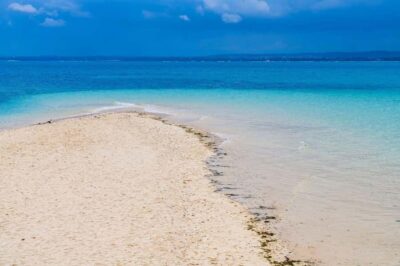
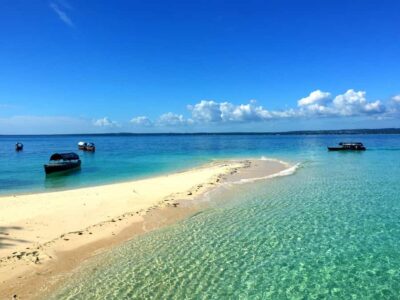
After snorkeling, the dhow heads toward a secluded white sandbank. This is the postcard portion of the trip: shallow turquoise water, bright sand, open sky, and a place to dry off or sit with your feet in the water.
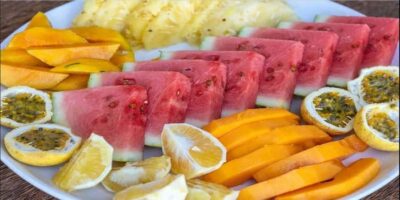
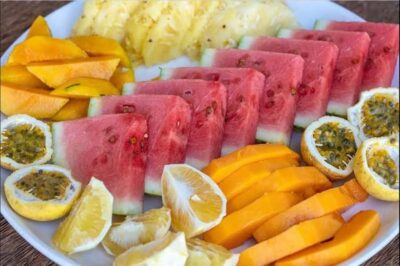
Tropical fruit is served during the stop. It is a welcome break after the snorkeling session, especially if you have been in the sun and salt water for a while. Soft drinks are included as part of the overall tour, but it is still wise to bring your own water. Do not assume every refreshment break will include juice or bottled water beyond what is specifically offered.
The sandbank is best understood as a pause, not a full attraction with activities. You can relax, sunbathe, swim, take photographs, and enjoy the unusual feeling of standing on a strip of sand surrounded by sea. On a private outing, the timing may be more flexible, and you might have the place to yourself. On a shared trip, the atmosphere depends more on the day’s boat traffic and conditions.
This is also where the value question becomes personal. I enjoy a quiet sandbank because it breaks up the boat ride and gives the day a simple, unhurried moment. If you prefer coastal exploration, longer sailing time, or more places to see, you may find an hour here more than enough.
A seafood barbecue under tamarind trees on Kwale Island
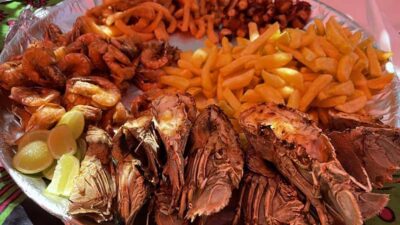
Kwale Island provides the main lunch stop. The meal is a seafood barbecue served under shady tamarind trees, with vegetarian options available. After time in the sun, the shade is not a minor detail. It turns lunch into a proper rest rather than another exposed beach stop.
The seafood is described as fresh and well liked, and it forms the strongest food-related reason to choose this tour. A barbecue on an island feels more connected to the setting than a standard restaurant meal back in town. You are eating as part of the day’s coastal route, not stopping at an unrelated dining room.
Fruit and soft drinks are included, but pack snacks and water as suggested. This is especially sensible if you have dietary needs or simply like to eat between scheduled stops. Vegetarian food is available, though the supplied details do not specify the exact dishes, so tell the crew ahead of time if your requirements are strict.
Lunch is also the natural point to slow down. The day includes several visits, and without a break, the program could feel like constant movement from boat to beach to island. The trees and the meal give the schedule a needed center.
More sandbank trips from Zanzibar:
- Zanzibar: Prison Island and Nakupenda Boat Trip with Lunch
★ 4.1 · 882 reviews - Zanzibar: Prison Island & Nakupenda Boat Tour with BBQ Lunch
★ 4.4 · 554 reviews - Zanzibar; Prison Island, Nakupenda, StoneTown Tour with BBQ
★ 4.3 · 457 reviews - Zanzibar: Prison Island & Nakupenda Sandbank Tour with Lunch
★ 4.2 · 265 reviews
The mangrove lagoon and the 500-year-old baobab
After lunch, the route moves inland on Kwale Island to a mangrove lagoon and an ancient baobab tree said to be about 500 years old. This section adds something the sandbank cannot: a look at island plant life and a different kind of coastal setting.
The mangrove lagoon is worth keeping in the day because it changes the pace and scenery. Mangroves grow where land and salt water meet, creating a setting that feels quite different from the open bay. The visit is not simply another swimming stop, and that variety helps make the excursion more than a standard snorkel-and-lunch boat ride.
The baobab is another distinctive detail. You are seeing a large, old tree with a long connection to the island, rather than only chasing views from the water. The tour information does not promise a formal historical talk, so expect the crew to show you the site rather than deliver a lengthy lecture.
One weakness is that explanations may be brief. If you want a highly detailed account of local ecology, island history, or conservation work, ask questions directly and make use of the English, French, German, or Italian language options when booking. The crew is local and experienced, but the depth of commentary can shape how much you get from these stops.
How the day feels from pickup to return
This is an eight-to-nine-hour activity, according to the available feedback, so plan it as your main outing for the day. Hotel pickup and drop-off remove much of the usual transport trouble, but you still need to be ready for a long day in the sun, on a boat, and in the water.
The rhythm generally works like this:
- Hotel pickup and transfer to Fumba Village
- Dhow sailing across Menai Bay
- Guided snorkeling with equipment provided
- Sandbank rest with tropical fruit
- Dhow ride to Kwale Island
- Seafood barbecue lunch under tamarind trees
- Visit to the mangrove lagoon and ancient baobab
- Return to Fumba and transfer back to your hotel
The exact length of each stop may vary. On a private trip, you may have more say over how long you stay in each place. On a shared outing, the schedule is likely to be more fixed, though the supplied details do not specify group size or exact departure times.
The possible sighting of wild dolphins adds a little excitement, but it is not guaranteed. Treat it as luck, not as the main reason to book. You should be happy with the day even if the only wildlife you see is underwater.
What to bring for a hot, wet day
Wear comfortable beachwear and bring swimwear, a towel, a hat, and sunscreen. Apply sunscreen before pickup, since the boat and sandbank offer limited shade. Comfortable shoes are also listed, which helps for the village, boat, and island portions.
A practical packing list includes:
- Comfortable shoes
- Hat and sunscreen
- Swimwear and towel
- Water and snacks
- Camera, ideally waterproof
- Any personal medication
- A light cover-up for the boat ride or lunch
Do not bring an attitude that lets you leave rubbish behind. Littering is not allowed, and you should avoid touching marine life or plants. Those rules are simple, but they matter in a protected marine area and around fragile mangrove growth.
Mobility is an important consideration. The trip is not suitable for people with mobility impairments or wheelchair users. The dhow, sandbank, beach, and island stops require movement between different surfaces, and no accessible arrangements are provided in the supplied details.
Is $70 a fair price?
At $70 per person, the price includes a great deal in one package: hotel transfers, a traditional dhow cruise, snorkeling equipment, guided snorkeling, fruit, soft drinks, a seafood barbecue, a vegetarian option, the Kwale Island visit, the mangrove lagoon, and the local crew.
That package can be good value if you want one organized day that covers several sides of Zanzibar. You avoid arranging a separate boat, snorkeling gear, meal, and transport. The seafood lunch and the full-day length also help justify the cost.
The value is weaker if your priorities are narrow. If you mainly want a long cruise, the time spent on shore may disappoint. If you care most about snorkeling, the reef portion may not feel long enough. And if you expect detailed commentary at every stop, the service may seem light for the price.
The rating of 4.2 from 79 reviews suggests a generally positive but not perfect experience. That feels fair for a tour with strong scenery, good food, and a busy schedule that will not suit everyone. I would judge the price by the mix of activities rather than by the sandbank or snorkeling alone.
Who will enjoy this Zanzibar boat trip?
I would recommend this outing to you if you want variety. It suits someone who likes to combine a little activity, a little beach time, a proper lunch, and a few nature stops in one day.
It is a particularly good match for:
- First-time visitors who want a broad taste of Zanzibar’s coastal side
- Couples who like a relaxed day with scenic stops
- Families with older children who can snorkel and manage the boat and island movement
- Anyone interested in a traditional dhow ride and a seafood meal
- People staying in Zanzibar who prefer hotel pickup over arranging transport to Fumba
I would think twice if you dislike organized schedules or want a quiet day with no movement. The boat takes you from one place to another, and some stops may last one or two hours. That structure keeps the day varied, but it can also feel rushed or under-explained.
The tour is also not a good fit for wheelchair users or anyone who needs accessible transport and surfaces. Before booking, consider the transfer, dhow boarding, sandbank, snorkeling, and island walking as one combined physical challenge.
Should you book the Safari Blue tour?
Book it if you want an easy, full-day introduction to Menai Bay with good food and several distinct stops. The dhow, white sandbank, Kwale Island barbecue, mangrove lagoon, and old baobab give you more range than a simple snorkeling trip.
Skip it if your ideal day means hours of sailing, extensive reef time, or close attention from a guide at every location. In that case, a smaller or more specialized boat trip may offer better value, though that is not part of this tour’s arrangement.
For most able-bodied visitors who want a varied day on the water, I think the $70 price is reasonable, especially because transfers and lunch are included. Just pack water, protect yourself from the sun, and see the dolphin possibility as a bonus. Meet Captain Eddy at Fumba, keep your expectations balanced, and you will know exactly what kind of day you are buying.
FAQ
Where does the Zanzibar Safari Blue tour start?
The tour begins with hotel pickup and continues to Fumba Village, where you meet the sailing boat captain. Captain Eddy is the contact name provided for easy recognition at the meeting point.
How long does the activity last?
The outing takes about eight to nine hours. It ends back at the meeting point in Fumba, followed by a transfer back to your hotel.
What is included in the price?
The $70 price includes hotel pickup and drop-off, a traditional dhow cruise, snorkeling equipment, guided snorkeling, tropical fruit, soft drinks, a seafood barbecue lunch with vegetarian options, visits to Kwale Island and the mangrove lagoon, and an experienced local crew.
Is snorkeling equipment provided?
Yes. Snorkeling equipment and a guided snorkeling session are included.
Is vegetarian food available?
Yes. The barbecue lunch includes vegetarian options. The specific vegetarian dishes are not stated, so you should communicate any strict dietary needs before the trip.
Can I see dolphins during the tour?
You may see wild dolphins, but sightings are not guaranteed.
Is the tour suitable for wheelchair users?
No. The activity is not suitable for wheelchair users or people with mobility impairments.
What should I bring?
Bring comfortable shoes, a hat, swimwear, a towel, sunscreen, water, snacks, and a camera. A waterproof camera is recommended for underwater photographs.
What languages are available?
The activity is available in English, French, German, and Italian.
Can I cancel the booking?
You can cancel up to 24 hours in advance for a full refund. The reserve-and-pay-later option also lets you hold a place without paying on the day of booking.
More Snorkelling in Zanzibar
- Mnemba Island: Dolphin Swim & Snorkeling with Optional Lunch
★ 4.3 · 591 reviews - Zanzibar: Mnemba Island Dolphin and Snorkeling Tour
★ 4.1 · 352 reviews - Matemwe: Mnemba Island Dolphin & Snorkeling Boat Trip
★ 4.3 · 152 reviews - Zanzibar: Mnemba island Snorkeling & Boat Tour with Lunch
★ 4.3 · 132 reviews
More Safari Blue departures
- From Paje/Jambian: Safari Blue Snorkelling with Lunch
★ 3.7 · 67 reviews - Full-Day Blue Lagoon and Sandbank Boat Tour from Zanzibar ( Safari blue)
★ 4.0 · 35 reviews - Full Day Private Safari Blue Sea Adventure in Zanzibar
★ 5.0 · 33 reviews - Full Day Safari Blue Zanzibar
★ 3.5 · 28 reviews
Newly listed around Zanzibar
- Zanzibar: Nungwi/Kendwa Beach Sunset Dhow Cruise with Fruits★ 3.4 · 3 reviews
- Prison Island, Sea Turtles, Rock Restaurant & Relax in Beach★ 4.6 · 3 reviews
- Starfish Beach; The Rock; Kuza Cave; Paje Beach; Salaam Cave Tour★ 4.5 · 3 reviews
- Zanzibar: Half-Day Spice Farm Tour,the flavours of Zanzibar★ 4.7 · 3 reviews
- Joazani forest & Spice farm with lunch★ 5.0 · 3 reviews
- Nakupenda Island Snorkeling Sea trip & Lunch W/Transfer -Zanzibar★ 4.0 · 3 reviews
- Mnemba Island Snorkeling and Dolphin tour★ 5.0 · 3 reviews
- Zanzibar:Jozani forest, Spice farm with Swahili Cuisine clas★ 4.2 · 3 reviews
Nakupenda Sandbank Trips, compared.

Browse the lists this tour appears in