
Reviewed · MATERUNI WATERFALLS & COFFEE TOURS
Arusha: Coffee Tour
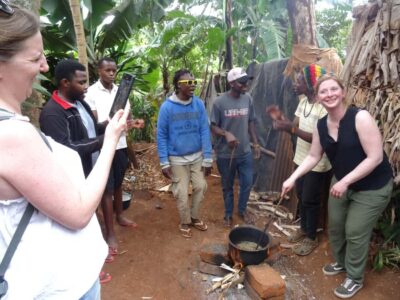
Your morning coffee begins with hand-picked beans, an open flame, a giant mortar and pestle, and a few traditional songs. Near Lake Duluti, you follow the process from coffee plant to steaming cup, with Richard showing you the farm and guide Imran handling the wider outing.
I like the hands-on work, because you do not just watch a demonstration. I also like the chance to meet a local farming family, eat lunch, and see how coffee fits into daily life. The main consideration is that this is a farm and culture outing, not a polished coffee museum, so expect simple tools, outdoor activity, and a flexible local rhythm.
Key points to know
- You make the coffee yourself: Pick, roast, grind, and brew the beans rather than simply tasting a finished product.
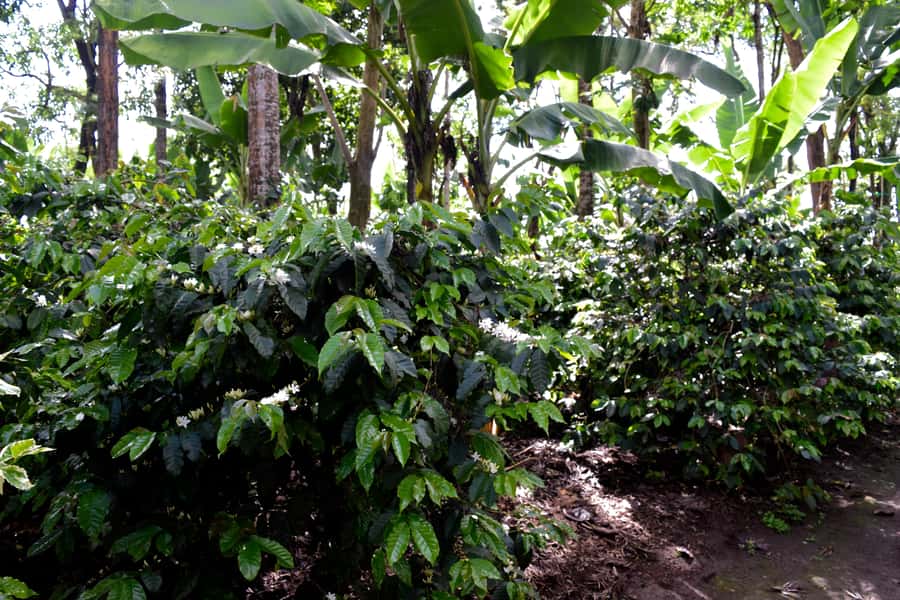
- Richard leads the farm visit: He explains organic growing methods and how coffee plants are protected without chemicals.
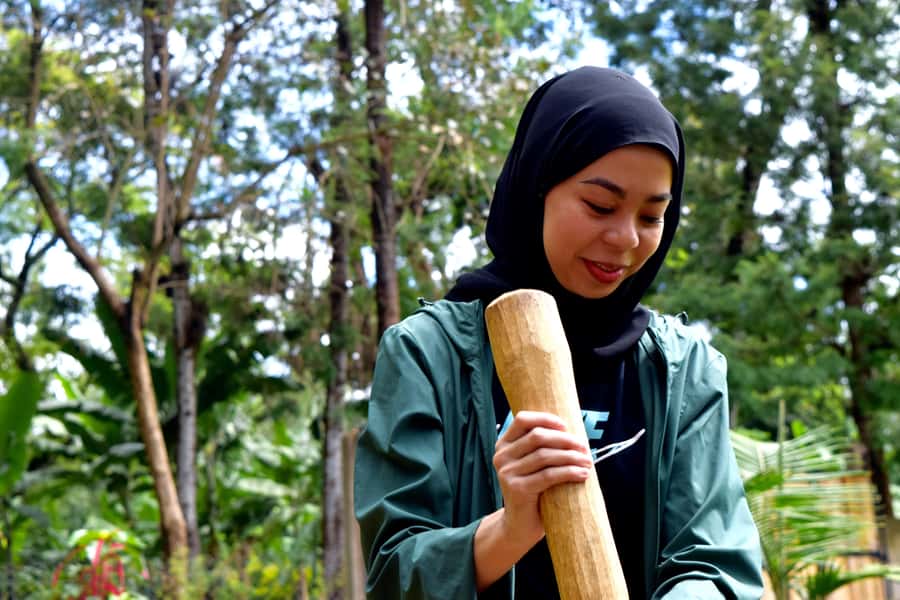
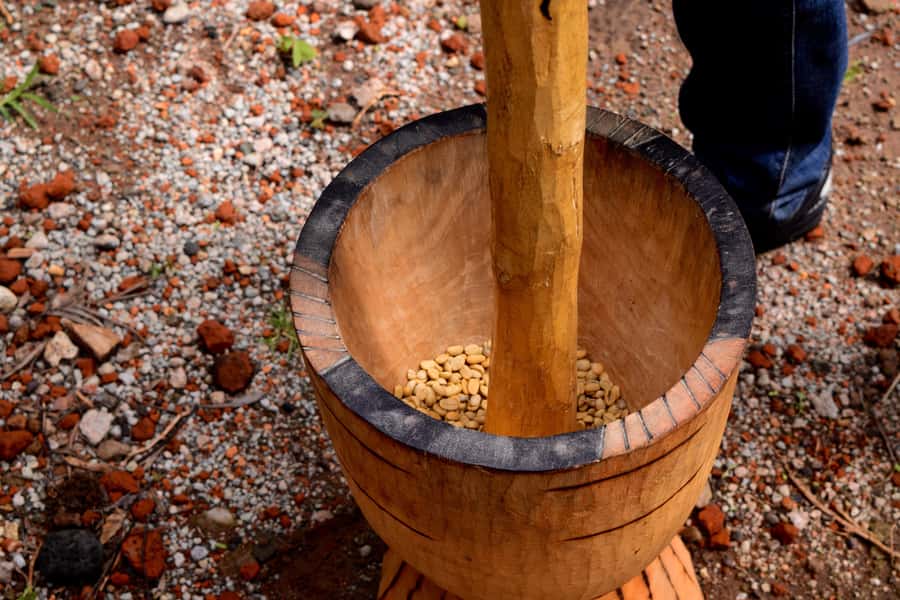
- Singing is part of the work: Grinding sun-dried beans with a large mortar and pestle is done to the rhythm of traditional songs.
- Lunch is included: The morning continues with a local meal, giving the outing more substance than a short plantation stop.
- Pickup keeps the day simple: Hotel collection and return are included, with the exact time and place arranged in advance.
- Mangalia Waterfalls can extend the day: Add this nearby nature stop if you want to pair coffee with a waterfall visit.
From Lake Duluti to the coffee farm
This four-hour outing is based near Lake Duluti in the Arusha region, making it a practical choice before or after a safari, a stay in Arusha, or a few quiet days around the lake. The listed price is $55 per person, and that includes hotel pickup and drop-off, an English-speaking guide, the coffee activity, fresh coffee, and lunch.
The drive matters here. You are not spending the morning figuring out local transport or trying to locate a rural farm on your own. The pickup arrangement is set after booking, so give the operator your hotel details and be ready to confirm the time and meeting point.
The experience is led in English. Imran has handled the guiding and transport, while Richard, the farm owner, takes you through the coffee work. Jambo has also driven guests on this outing. The combination is useful: one person can explain the wider visit and transport while the grower gives you direct information about the plants and farm methods.
The setting near Lake Duluti gives the morning a calmer feel than a city tour. You get open air, cultivated land, and time to slow down. Still, keep your expectations grounded. This is a working farm, not a large visitor center with printed displays and formal tasting rooms.
More Materuni waterfall and coffee days:
- Materuni Waterfalls, coffee tour & Kikuletwa Hot Springs
★ 5.0 · 643 reviews - Materuni Waterfalls & Chemka Hotsprings Day Trip
★ 5.0 · 214 reviews - Materuni waterfalls coffee tour & Chemka hot springs Day trip
★ 5.0 · 131 reviews
Meeting Richard and seeing an organic coffee farm
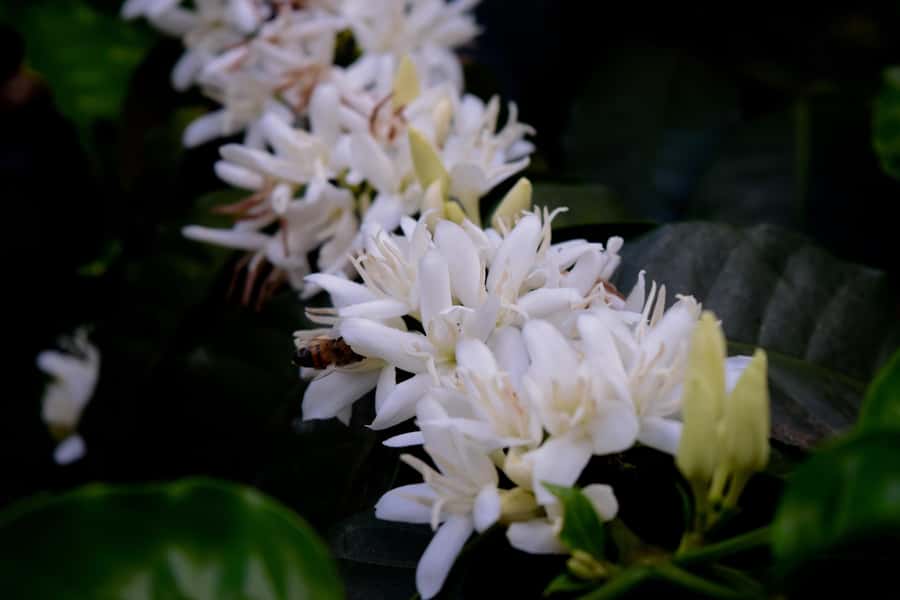
The first main stop is a local organic coffee plantation. Richard explains how coffee is grown and harvested by hand, including the work needed to protect the plants without chemical treatment. That detail gives the visit real value. Coffee is easy to treat as a finished product, but here you see the care required before roasting ever begins.
You learn to look at the plant as a crop rather than just a source of beans. The visit also brings farming into the cultural picture. A coffee farm supports a household, creates work, and connects local knowledge with an item sold around the world.
You may not be doing heavy farm labor all morning, but the tour gives you a chance to take part in the early stages. Picking beans by hand helps you understand why coffee production takes time and why the final price of good coffee reflects far more than a few minutes at the coffee machine.
The farm visit is also the best time to ask questions. You can ask Richard about growing conditions, harvesting, organic methods, and the difference between the beans you see and the coffee you usually drink. The details are likely to be more useful than a general lecture because they come from someone involved in the work.
The mortar, songs, and first round of grinding
The most memorable part of the outing comes at a nearby farm, where the sun-dried beans are prepared with a giant mortar and pestle. This is not a quiet, individual coffee workshop. The work follows the rhythm of traditional songs, and you are encouraged to join in.
That combination makes the process easy to remember. The beans need to be ground, but the task also becomes a shared activity. You take turns using the large tools, listen to the songs, and get a sense of how work can be social as well as practical.
Do not expect café-style precision at this stage. The point is to understand the sequence and take part in a local method. You may find the equipment more physical than expected, especially if you are used to a small electric grinder. Wear clothes and shoes suited to a farm setting, and bring water for the morning.
This is one reason I would not book the tour only for a quick caffeine fix. The coffee is the reward, but the process is the main event. If you like practical cultural activities, this part gives you something to do with your hands and a reason to talk with the people running the farm.
Roasting over an open flame

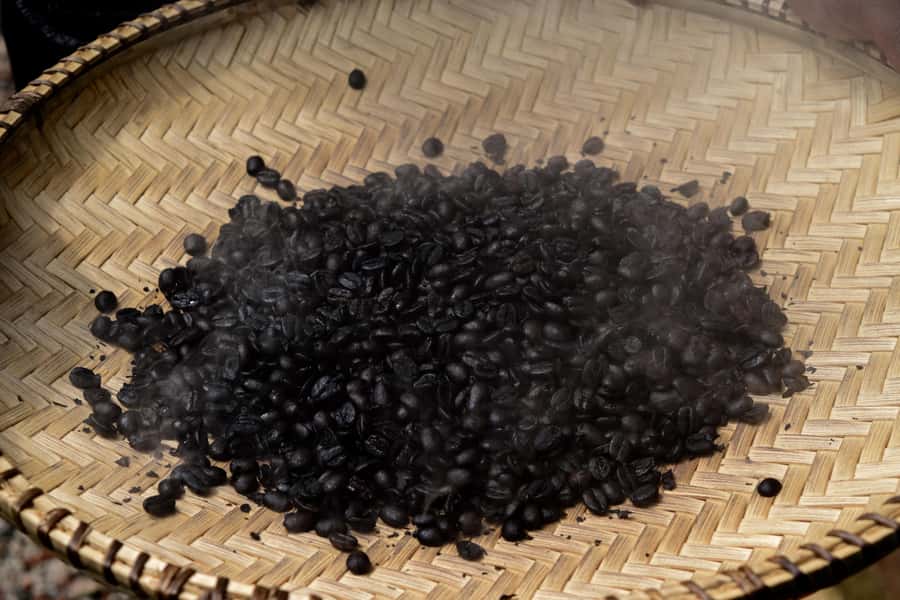
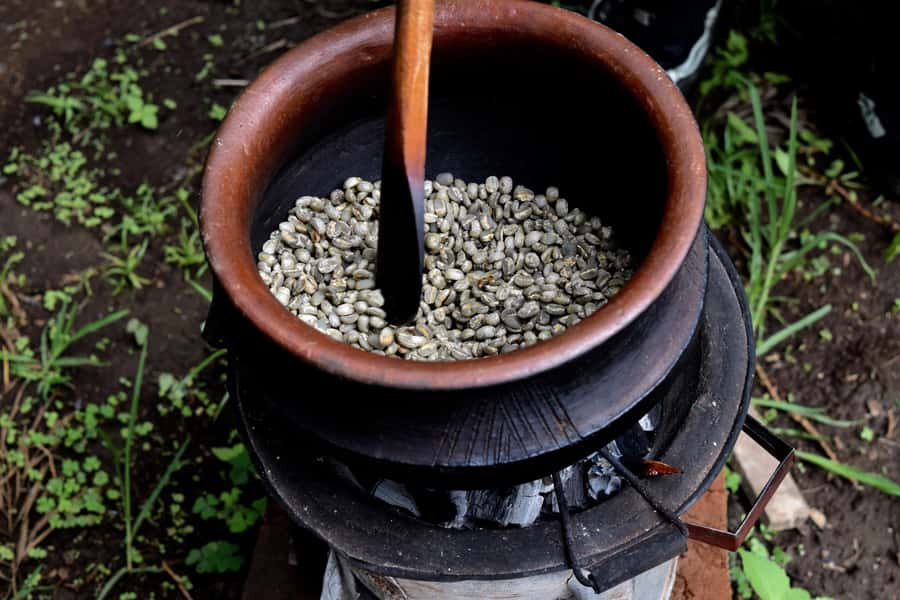
After the first grinding, you help roast the beans over an open flame. This step changes the character of the coffee and makes the morning feel like a proper chain of work rather than a series of unrelated demonstrations.
Roasting over a fire also shows why freshness matters. You see the beans change as they are heated, then prepare them for a second round of grinding. The setup is simple and direct. There is no need for a polished machine to show you what is happening.
The open-flame method is part of the charm, but it also means the activity is outdoors and hands-on. Follow the guide’s instructions around the fire, and do not treat this as a self-directed cooking session. If you have limited mobility, the tour is listed as wheelchair accessible, but it is sensible to discuss the farm layout and the hands-on stages when arranging pickup.
The roasting stage is especially good for families and small groups who want an activity with a clear result. You can see the beans, help change them, and then taste what your work produced. That simple cause-and-effect makes the coffee lesson stick.
More coffee stops in Tanzania:
- Materuni Waterfall, Coffee Tour and Picnic Hot Lunch
★ 5.0 · 128 reviews - Maasai village visit, Materuni waterfalls & coffee experience
★ 4.5 · 95 reviews - Materuni Waterfalls & Coffee Tour from Moshi
★ 5.0 · 92 reviews - Arusha or Moshi : Hot Spring, Waterfall & Coffee Farm Tour
★ 4.8 · 80 reviews
Grinding again and brewing your own cup
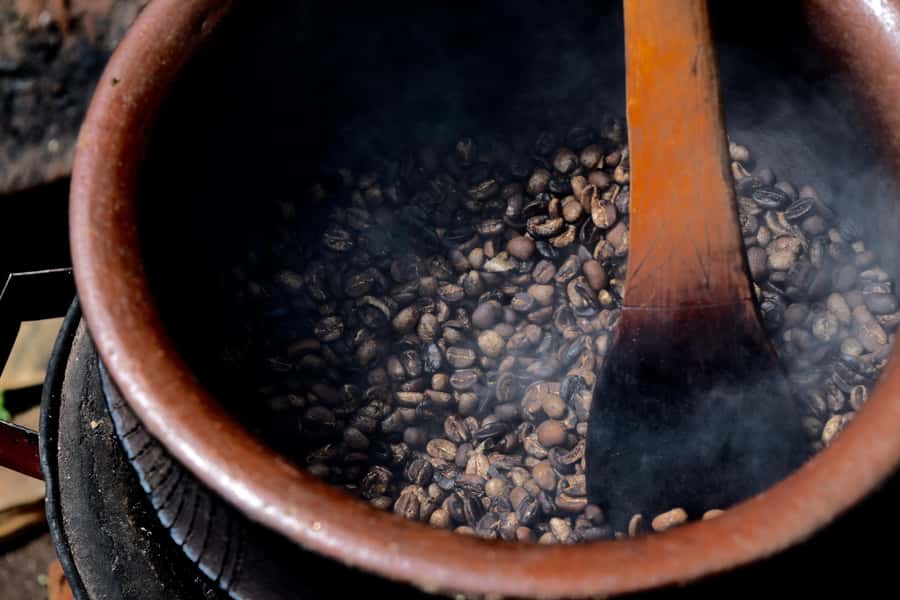
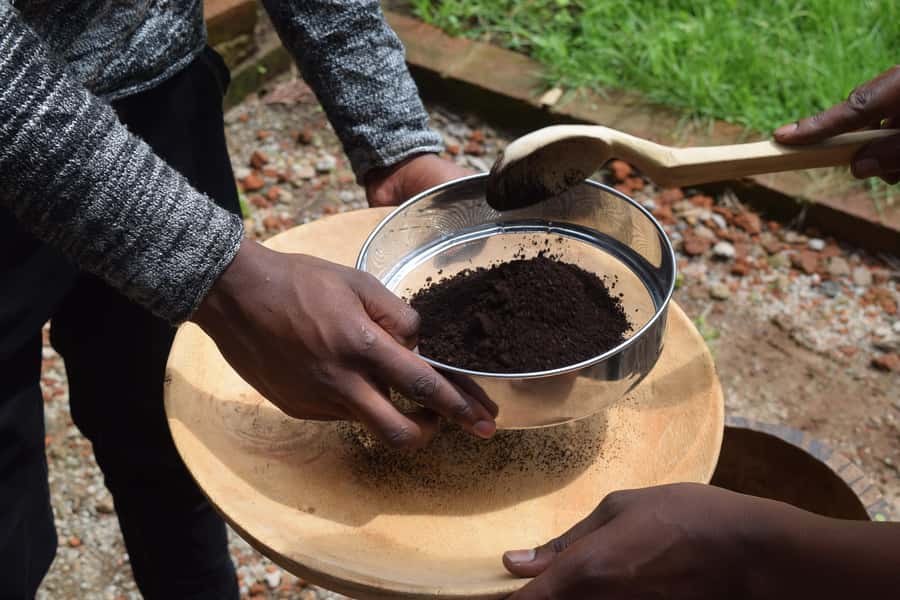
Once the beans are roasted, you grind them again and brew the coffee. This is the payoff, but it is not just a tasting. You have handled the beans from an early stage, so the final cup feels connected to the work that came before.
Freshly brewed coffee made on site will appeal most to people who enjoy the ritual as much as the flavor. You can compare it with your usual coffee and notice how different the experience feels when you know who grew the beans and helped prepare them.
The coffee is included, but bagged coffee is not. If you want to take some home, you can buy beans or ground coffee separately. That is a useful option if you would like to support Richard’s business, but budget for it beyond the $55 tour price.
Buying a bag also gives you a practical souvenir. It takes up little space, has a clear connection to the morning, and lets you repeat part of the experience at home. Ask about the available form, since the activity specifically notes that bagged coffee is available for purchase but does not include it in the booking.
Lunch, village life, and the wider cultural visit
Lunch is included, and it helps turn the coffee visit into a half-day cultural outing. You are not rushing away as soon as the cup is finished. Instead, the meal gives you time to sit down, talk, and take in the local setting.
The exact lunch location and menu are not specified, so I would not book this expecting a particular dish. Think of it as a local meal included with the experience, rather than a restaurant tour built around a fixed menu.
A local village visit is also part of the day. This gives you a broader view of the area beyond the farm itself. Coffee is the focus, but the village stop helps connect agriculture with ordinary community life.
One outing also included a local market and a restaurant meal with Imran. That suggests the day can have a flexible, personal feel, though you should confirm the exact stops when booking. The published experience promises a village visit and lunch, while extra stops may depend on the plan arranged for your date.
This flexibility can be a benefit if you prefer local contact over a rigid schedule. It can also be a drawback if you need every stop and timing fixed in advance. Ask the operator what your particular four-hour plan includes, especially if the market is important to you.
Adding Mangalia Waterfalls
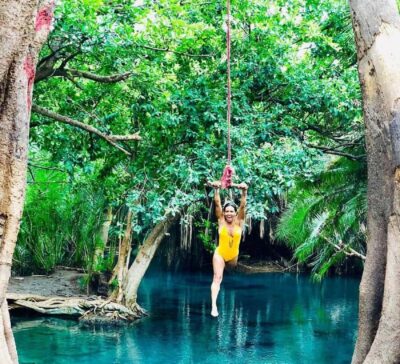
You can add a visit to Mangalia Waterfalls to pair the coffee farm with a nature stop. This is a good option if you want more than an agricultural visit and have room in your schedule.
The waterfall is described as an add-on, not as part of the basic $55 package. Confirm the extra cost, total duration, transport, and whether the lunch and village visit remain in the plan before you commit.
The nature extension may suit you after a morning of farm work, particularly if you like mixing local culture with outdoor scenery. It may be less useful if you have a tight transfer, a safari departure, or only a few hours free in Arusha.
Is $55 a fair price?
At $55 per person, this tour offers solid value if you use the included parts. Hotel transport, an English-speaking guide, a farm visit, hands-on coffee preparation, fresh coffee, and lunch are bundled into three and a half to four hours.
A short plantation walk with a tasting might cost less, but it would not offer the same amount of participation. Here, you are paying for the guide, transport, access to a working farm, the food, and the time required to move through several stages of coffee preparation.
The value is strongest for couples, families, and small groups who want a cultural activity with a clear focus. It is also a good fit if you have already seen wildlife and want a slower morning that shows another side of the Arusha region.
The value is weaker if you do not drink coffee, dislike communal activities, or prefer formal museums and highly structured tours. You can still learn about farming, but the main reward is the process of making and tasting coffee.
The overall rating is 4.8 from eight ratings, with full marks in the listed comments. The repeated strengths are clear: warm hosting from Richard and his family, careful organization, safe driving, good communication, and the chance to take part at every stage.
Who should book this Arusha coffee tour?
I would choose this outing for you if you want a personal local experience rather than another sightseeing stop. It works especially well for coffee drinkers, food-focused visitors, families, and anyone curious about farming and community life around Arusha.
It also suits people who enjoy learning by doing. You grind beans, handle roasting, brew coffee, share songs, and eat lunch. That makes the activity more engaging than simply walking through rows of plants while someone talks.
You should think twice if you need a tightly timed schedule or a luxury setting. The tour takes place around a farm and village, and its appeal comes from direct contact, simple equipment, and local hosting. The exact flow may feel less uniform than a large commercial attraction.
The English guiding, included transport, and wheelchair-accessible status make the booking easier for many people. Still, because the activity includes farm work, an open flame, and outdoor movement, ask about the physical setup if you have specific access needs.
Free cancellation is available up to 24 hours before the activity for a full refund, and you can reserve now and pay later. Those terms are useful when your Arusha plans are still shifting.
My verdict on the bean-to-cup experience
Book this tour if you want to understand coffee through people, work, and place. The strongest part is not the final drink. It is the full chain: seeing the plants with Richard, preparing the beans with traditional tools, roasting them over fire, and sitting down to taste what you helped make.
I especially like the personal scale. Richard’s role as the farm owner gives the visit a direct connection to the work, while Imran and the drivers help with guiding and transport. The chance to buy local beans afterward adds a sensible way to remember the morning and support the farm.
Skip it if you want only a quick tasting, a guaranteed fixed menu, or a polished commercial attraction. For everyone else, $55 buys a useful half-day near Lake Duluti, with coffee, lunch, village contact, and the option of Mangalia Waterfalls.
FAQ
How long does the Arusha coffee tour last?
The activity lasts approximately three and a half to four hours. Starting times depend on availability.
What is included in the $55 price?
The price includes hotel pickup and drop-off, the coffee tour, fresh coffee, an English-speaking guide, and lunch.
Is the tour conducted in English?
Yes. The live guide speaks English.
Can I buy coffee to take home?
Yes. Bagged coffee is available for purchase, but it is not included in the tour price.
Is hotel pickup included?
Yes. Pickup and drop-off are included. The operator will contact you to arrange the pickup time and location.
Can I add a visit to Mangalia Waterfalls?
Yes. A visit to Mangalia Waterfalls can be added to the coffee and culture outing. Confirm the details when booking.
Newly listed around Tanzania
- Prison Island, Sea Turtles, Rock Restaurant & Relax in Beach★ 4.6 · 3 reviews
- 5-Day Private Safari Tour in Tanzania’s Wildlife★ 5.0 · 3 reviews
- Zanzibar: Nungwi/Kendwa Beach Sunset Dhow Cruise with Fruits★ 3.4 · 3 reviews
- Climb Mount Kilimanjaro: 7 Days Machame Route★ 5.0 · 3 reviews
- Starfish Beach; The Rock; Kuza Cave; Paje Beach; Salaam Cave Tour★ 4.5 · 3 reviews
- 3 Days private safari Tarangire ,Ngorongroro crater &Manyara★ 5.0 · 3 reviews
- 3 Day Sharing Safari – Manyara, Ngorongoro Crater and Tarangire National Parks★ 5.0 · 3 reviews
- Mikumi Np Mid Range Tour 3 Days★ 5.0 · 3 reviews
Materuni Waterfalls & Coffee Tours, compared.


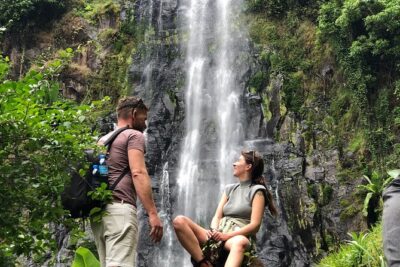
Materuni waterfalls coffee tour & Chemka hot springs Day trip
Read our review →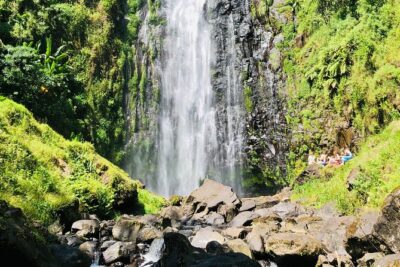
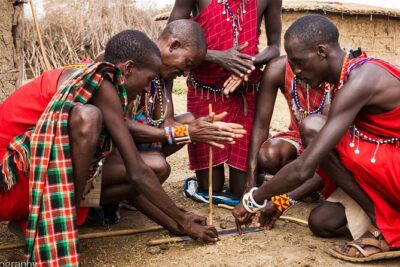
Maasai village visit, Materuni waterfalls & coffee experience
Read our review →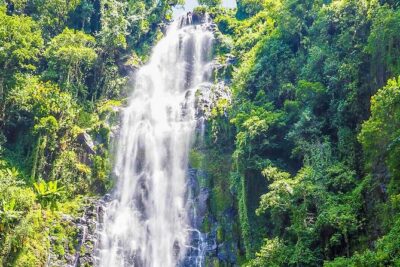
Browse the lists this tour appears in