
Reviewed · 2-DAY EXPERIENCES
2 DAY-ADVENTURE SAFARI IN TANZANIA
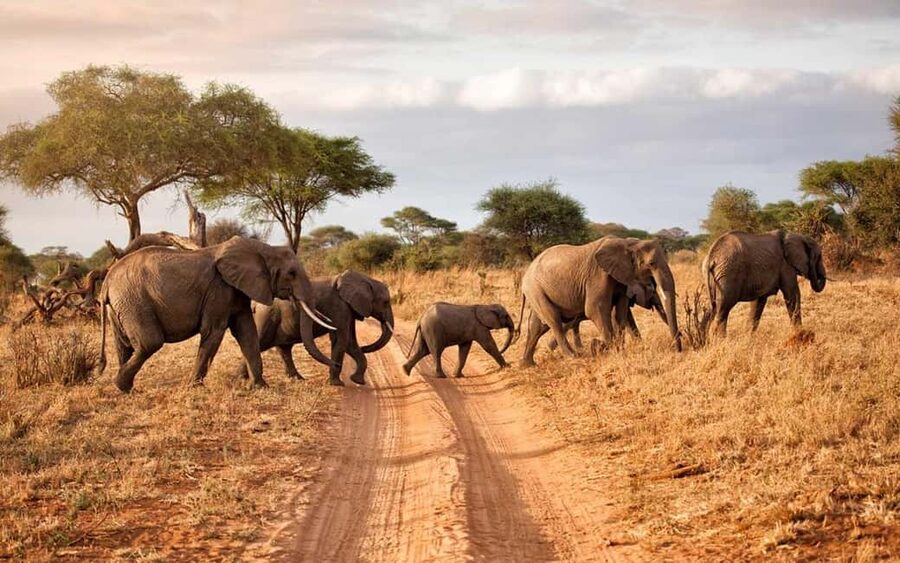
Tarangire’s giant elephant herds and ancient baobabs make a powerful opening to this short safari. The next day, you descend into Ngorongoro Crater, where lions, buffaloes, elephants, and possibly rhinos share a compact natural bowl.
I like the efficient two-park plan and the chance to travel with guides such as Eli or Joshua, both praised for their explanations and patience. I also like that tents, meals, drinking water, transport, camping gear, mattresses, and sleeping bags are included. The main catch is that park fees are extra, and the organization may not always run like clockwork, so confirm pickup times, cash needs, and accommodation before setting off.
Key points to know before booking
- Tarangire starts with elephants and baobabs: The first game drive offers a strong chance to see large elephant herds, giraffes, zebras, lions, and birds.
- Ngorongoro delivers concentrated wildlife: The crater’s enclosed setting gives you a good chance to see several Big Five animals during a half-day drive.
- The price covers the camping basics: Tents, mattresses, sleeping bags, meals, water, transport, and guiding are included, but park fees are not.
- Guides make a real difference: Eli is praised for detailed explanations, while Joshua is noted for patience and for taking less-used roads to look for animals.
- Arusha is the easiest starting point: Hotel pickup from Arusha is free. Pickup from Moshi costs extra because of the transfer.
- Great Migration sightings are not guaranteed: The advertised migration theme is appealing, but no month or exact location is given, so ask about current animal movements before paying.
Two parks, two very different safari moods
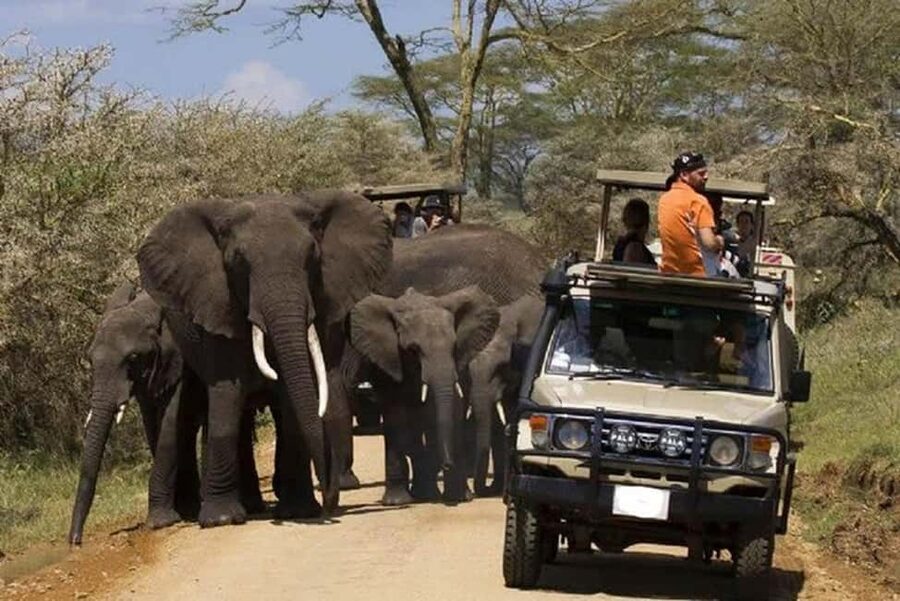
This is a compact safari built around contrast. Tarangire gives you broad open country, towering baobabs, and large elephant groups. Ngorongoro feels more enclosed and concentrated, with steep crater walls and animals gathered across the caldera floor.
That contrast makes the two-day format work well. You are not spending both days on similar drives. Instead, the first day offers classic northern Tanzania scenery and the second brings a high-density wildlife outing.
At $400 per person, the trip can be good value if you want a short safari with the main costs bundled together. You are paying for transport, a professional English-speaking guide, meals, tent accommodation, and camping equipment. The price looks less simple once you add park fees, and you should ask for the exact total before booking.
The short schedule also means less room for delays. A late pickup, a stop at an ATM, or a long transfer can cut into time at the parks. I would treat this as a focused introduction to safari rather than a leisurely tour with lots of spare time.
More Safaris in Tanzania:
- Serengeti Balloon Safari and authentic bush breakfast
★ 5.0 · 2,480 reviews - Balloon Safari & Bush Breakfast in Serengeti – Miracle Experience
★ 5.0 · 1,646 reviews - From Zanzibar: Mikumi Safari Day Trip with Flights and Meal
★ 4.7 · 1,470 reviews
Day one: the road from Arusha to Tarangire
Your morning begins with hotel pickup in Arusha or Moshi. The drive to Tarangire takes about two to three hours, depending on your starting point and the day’s arrangements.
Pickup from an Arusha hotel is free. If you start in Moshi, you pay an additional transfer charge, so compare the total cost with your travel plans before booking. The tour information does not give a fixed pickup time, but an early start is important because the first day includes the drive, lunch, and a game drive.
The journey itself is part of the transition from town to bush. Your guide should explain the plan, answer questions, and make clear when you will stop for food, park entry, and any required payments. That basic orientation matters. One poor experience involved a late pickup and confusion about fees, so I would confirm these details in writing the day before.
You receive a packed lunch before the game drive. Bring a daypack for your camera, water, cash, and extra layers. A power bank is especially useful because wildlife viewing, navigation, and photography can drain a phone quickly.
Tarangire’s elephants and baobab country
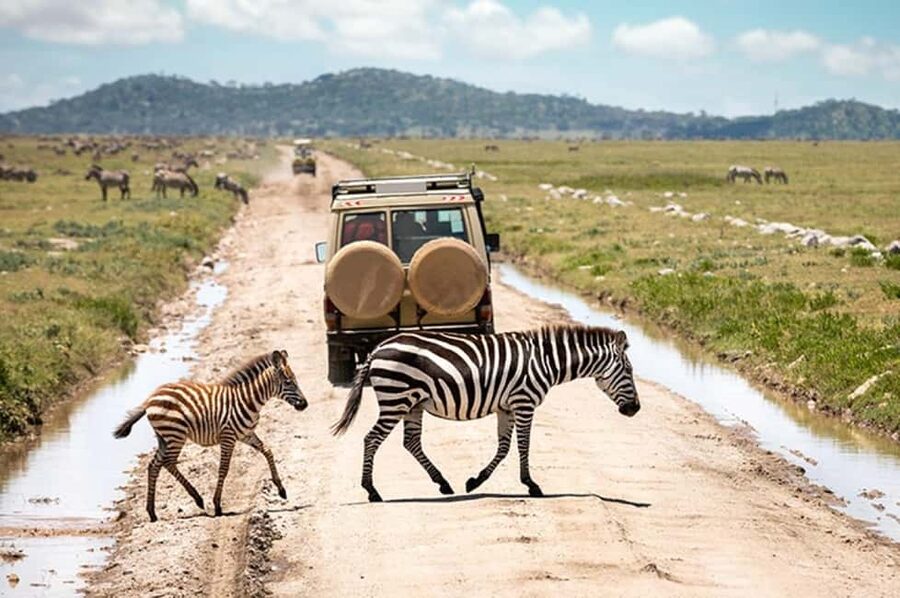
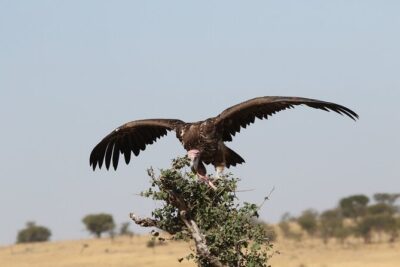
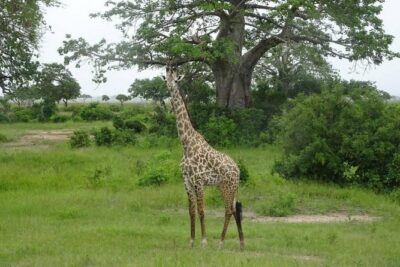
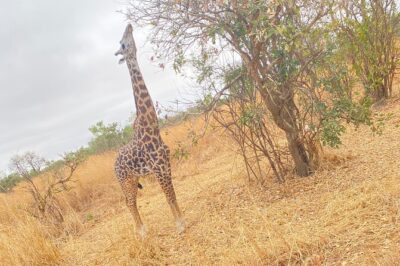
Tarangire is the star of day one. It is known for large elephant herds, huge baobab trees, giraffes, zebras, lions, and many bird species. The scenery, dotted with acacias and shaped by seasonal water sources, gives the park a distinct feel from Ngorongoro.
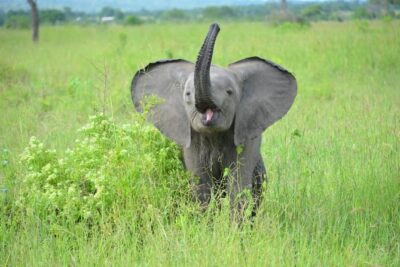
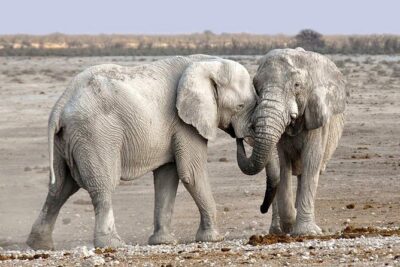
The elephants are the main draw. Seeing several animals together near the old baobabs is one of the safari moments this trip is designed to deliver. You may also encounter buffaloes and other plains animals, but sightings are never guaranteed and depend on the day’s conditions and the skill of the guide.
This is where a good driver-guide matters most. Joshua is praised for his patience and for using roads away from the main trail to improve the chance of seeing animals. That does not mean every outing will produce a rare sighting, but a calm guide who watches animal behavior can make the drive more rewarding than one who simply moves from one known stop to another.
Eli is also singled out for detailed explanations. That is important for first-time safari visitors. A lion or elephant is exciting on its own, but you get much more from the outing when someone explains what you are looking at, how the park functions, and why animals gather in certain areas.
The supplied plan describes the drive as guided and educational, but the quality of the explanation may depend on the individual guide assigned to your vehicle. Confirm the guide’s name and ask what language will be used if that matters to you. English is the stated tour language.
Evening camping near the park
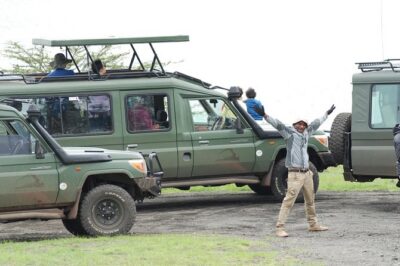
After the Tarangire drive, you stay at a lodge or campsite near the park. The included accommodation is described as tent-based, with a mattress, sleeping bag, and camping equipment supplied.
That wording leaves room for variation. You may sleep at a basic campsite or at a more comfortable tented property, and the exact accommodation may not be the same for every group. One guest had a comfortable overnight stay, while another was placed at a different lodge from the rest of the group without a clear explanation.
Ask for the accommodation name before departure. Also ask if the tent has a private bathroom or shared facilities, since that detail is not provided. This small check can prevent a mismatch between what you expect and what you receive.
Dinner is included, and the plan gives you a night near nature rather than sending you straight back to town. Camping is part of the appeal, but it is not the right fit for every visitor. Pack with simple outdoor comfort in mind, and bring a small amount of cash for anything not covered.
More two day trips in Tanzania:
- 2 Day Serengeti Safari Experience from Mwanza
★ 5.0 · 198 reviews - 2 Days Tarangire and Ngorongoro Group Camping Safari
★ 5.0 · 146 reviews - 2 Days 1 Night Mikumi National Park from Dar es salaam
★ 5.0 · 60 reviews - 2 Day Safari To Mikumi National Park + transfers from Dar Es Salam
★ 5.0 · 56 reviews
Day two: entering Ngorongoro Crater
The second morning starts with breakfast and a drive of roughly one and a half to two hours toward Ngorongoro. The route passes through Tanzania’s highlands, with changing views as you approach the crater rim.
The first glimpse from the rim is a major moment. Below you is a broad caldera with open plains, patches of water, and animals spread across a contained setting. The steep sides help explain why Ngorongoro is known for a high concentration of wildlife.
You then descend for a half-day game drive. The plan includes a picnic lunch inside the crater, so you do not need to leave for a restaurant during the main wildlife outing. Eating in the crater saves time, though you should follow your guide’s instructions closely and keep food secured around animals.
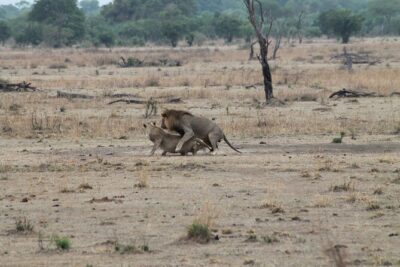
Ngorongoro is the best part of this itinerary for someone who wants a reasonable chance of seeing several headline species in a short period. Lions, elephants, buffaloes, leopards, and rhinoceroses are listed among the crater’s wildlife. Seeing the full Big Five is never promised, especially in only half a day, but the setting gives you a strong wildlife-focused finish.
The crater also has a different visual character from Tarangire. Tarangire spreads outward, while Ngorongoro gathers the action into one dramatic bowl. You may find the second day more intense, with less time simply sitting quietly in one place.
How much wildlife can you expect?
The tour promotes wildebeest migration and the Great Migration, along with Big Five sightings. Those are compelling reasons to consider northern Tanzania, but the information does not provide a travel month, migration route, or recent animal location.
I would not book this trip on the assumption that you will see thousands of wildebeest crossing in front of your vehicle. Migration movements change with rainfall and grazing conditions, and the two parks listed here are not a guarantee of a major crossing event during your dates.
Instead, think of wildebeest as a possible bonus and Tarangire and Ngorongoro as the reliable structure of the trip. The stated wildlife includes elephants, lions, giraffes, zebras, buffaloes, leopards, rhinos, and birds. Your guide can improve your chances, but nature sets the schedule.
Ask three direct questions before you reserve:
- Where are wildebeest currently being seen?
- What wildlife is most likely during my travel dates?
- Does the quoted price include every park and conservation fee?
Clear answers will tell you more than a general promise of migration viewing.
Guides, explanations, and the human side of the trip
The strongest praise is reserved for the drivers and guides. Eli is described as fantastic, with detailed explanations and a strong record of finding requested animals. Joshua is praised for patience, useful information, and a willingness to use roads away from the busiest route.
Those details give you a practical way to judge the experience. A safari is not only a vehicle moving through a park. You spend many hours beside the guide, asking questions, waiting for animals, and deciding how long to stay at a sighting.
The trip is advertised with a professional English-speaking guide, but guide quality can vary. One poor experience involved a guide who did not introduce himself or explain the plan, leaving the group unsure about the animals and schedule. I would politely ask for a full introduction at pickup and request a simple outline of both days.
A good opening briefing should cover the route, park fees, lunch, accommodation, departure times, and what to do if the group becomes separated. If those points are not explained, ask early rather than trying to sort them out at the park gate.
The real cost at $400 per person
The $400 rate includes several expensive and useful basics: transport, guided safari drives, meals, drinking water, tent accommodation, camping equipment, a mattress, and a sleeping bag. For a short safari from Arusha, that package can be attractive.
The important omission is national park fees. These are not minor extras, and the final amount can change the value calculation. Travel insurance and alcoholic drinks are also excluded.
You should carry cash. A payment question caused trouble for one group because card payment was expected, but cash was required at the park. The supplied information does not confirm which fees accept cards, so do not rely on a card machine being available. Ask the organizer for the exact fee amount and payment method before leaving town.
The price is strongest for someone who wants a short, ready-made safari and is comfortable with basic camping. It is less appealing if you want a private vehicle, a guaranteed luxury lodge, a carefully timed schedule, or a migration-focused route. Those details are not promised here.
What to pack for two days
Keep your luggage light. A small daypack is listed as essential, and it is the easiest way to keep your camera, cash, phone, power bank, and water close during the drives.
A camera is an obvious choice, but the practical items matter just as much. You should have enough battery power for a full day outside the vehicle and some cash for fees or unexpected purchases.
The tour supplies drinking water, camping equipment, a sleeping bag, and a mattress. You therefore do not need to carry those bulky items unless you prefer your own gear. Since the exact campsite setup is not given, ask about bathroom arrangements and bedding condition if those points affect your comfort.
Who will enjoy this safari?
I would recommend this trip to a first-time safari visitor with only two days available. It gives you two famous destinations, an English-speaking guide, meals, transport, and a night in a tent without requiring you to plan every piece yourself.
It also suits a flexible person who values animal viewing over polished service. The best moments may come from patient driving, quiet observation, and a guide who knows when to leave the main road.
I would be more cautious if you need strict punctuality or detailed coordination. The late pickup, cash confusion, and unclear accommodation arrangement reported in one account are not small matters when the schedule is only two days long.
Families and older visitors should ask for clear accommodation and vehicle details before booking. The available information does not specify vehicle type, group size, bathroom access, or accessibility arrangements, so do not assume those features.
Booking advice and cancellation terms
The tour allows you to reserve and pay later, which helps if your Tanzania plans are still changing. Cancellation is allowed up to 24 hours in advance for a full refund, according to the stated terms.
Those policies are useful, but they do not replace confirming the practical details. Before committing, ask for the pickup time, total price including park fees, Moshi transfer charge if relevant, accommodation name, and guide assignment.
I would also ask how the operator handles changes to the itinerary. With only two days, a delayed start or a different overnight property can affect the value of the trip.
Should you book the Kilinge Adventures safari?
Book this safari if you want a short and affordable introduction to northern Tanzania, especially if elephants, crater scenery, and a chance to see Big Five animals matter more to you than luxury.
The strongest reasons to go are Tarangire’s elephants and baobabs, Ngorongoro’s concentrated wildlife, and the positive guide experiences associated with Eli and Joshua. The included camping gear and meals also keep the planning simple.
Pause before booking if the Great Migration is your main goal, because the timing and current animal locations are not specified. Also get the park fees and Moshi transfer cost in writing, and confirm the accommodation and pickup plan.
My verdict: this is a promising two-day safari with excellent parks and a sensible price, but its value depends on clear coordination. Ask the right questions first, and you can enjoy a memorable wildlife trip without expecting a luxury schedule.
FAQ
Where does the safari start?
Pickup is available from hotels in Arusha or Moshi. Pickup from Arusha is free, while pickup from Moshi requires an additional transfer payment.
How long is the drive to Tarangire National Park?
The drive from Arusha or Moshi to Tarangire takes approximately two to three hours.
How long is the drive to Ngorongoro Crater?
The drive to Ngorongoro takes about one and a half to two hours, followed by the crater game drive.
Is accommodation included?
Yes. Tent accommodation is included, along with camping equipment, a mattress, and a sleeping bag. The exact accommodation location and facilities should be confirmed before departure.
Are park fees included in the $400 price?
No. National park fees are not included and must be paid separately.
What meals and drinks are included?
Meals and drinking water are included. Alcoholic beverages are not included.
What should I bring?
Bring a camera, cash, a daypack, and a power bank. Cash is particularly important because park-related payments may require it.
Newly listed around Tanzania
- Prison Island, Sea Turtles, Rock Restaurant & Relax in Beach★ 4.6 · 3 reviews
- 5-Day Private Safari Tour in Tanzania’s Wildlife★ 5.0 · 3 reviews
- Zanzibar: Nungwi/Kendwa Beach Sunset Dhow Cruise with Fruits★ 3.4 · 3 reviews
- Climb Mount Kilimanjaro: 7 Days Machame Route★ 5.0 · 3 reviews
- Starfish Beach; The Rock; Kuza Cave; Paje Beach; Salaam Cave Tour★ 4.5 · 3 reviews
- Mikumi Np Mid Range Tour 3 Days★ 5.0 · 3 reviews
- 3 Days private safari Tarangire ,Ngorongroro crater &Manyara★ 5.0 · 3 reviews
- 3 Day Sharing Safari – Manyara, Ngorongoro Crater and Tarangire National Parks★ 5.0 · 3 reviews
2-Day Experiences, compared.
2 Day Safari To Mikumi National Park + transfers from Dar Es Salam
Read our review →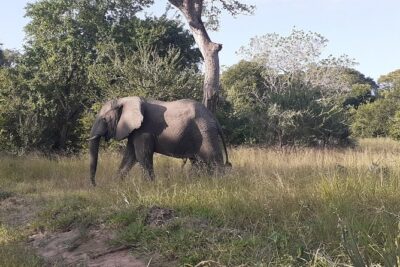
2 Days Group Joining Camping Safari Tarangire Park and Ngorongoro Crater
Read our review →Browse the lists this tour appears in